
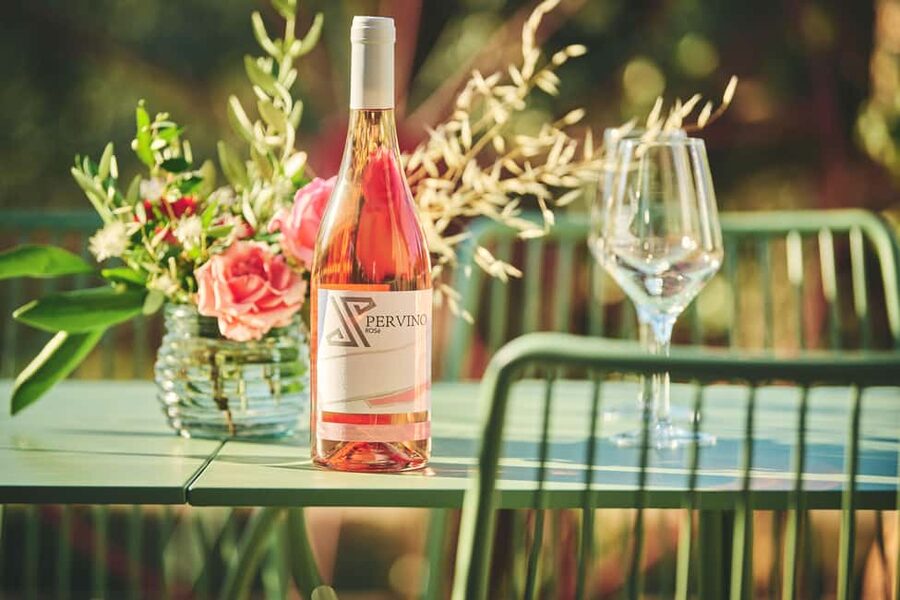
REVIEW · CROATIAN WINE ROADS & VINEYARD VISITS
Istria: Pervino wine tasting
Six wines, one cozy table.
At Pervino in Novigrad, you get a guided Istria tasting built around 6 wines and local bites, with a host who can steer the pours toward what you like. I like that it starts with you selecting your own wines from a menu of 17 options, and I also like the food pairing focus, especially the olive oil presented alongside the charcuterie. One thing to keep in mind, no cellar or vineyard tour is included, so this is more about tasting and conversation than a full walk-through.
This family-run stop is a straightforward way to understand Istrian wine without needing a degree in wine jargon. You’ll get a structured flow, three wines first, then snacks and olive oil, then the last three wines. And yes, pets are welcome, so if you’re traveling with a furry friend, you will not have to line up a rescue plan.
If you’re the type who likes to learn by tasting, this works. You’ll sample classic Istrian styles like Malvazija Istarska and Teran, but you also get the chance to try widely known international grapes grown in the region, including Merlot, Chardonnay, and Muscat.
In This Review
- Key things I’d plan around at Pervino
- A family-run Pervino tasting in Novigrad, not a rushed factory tour
- Picking your wines from 17 options, then tasting 6
- First three wines: the tasting is designed to keep your palate awake
- The olive oil and antipasti moment that makes the tasting feel complete
- Last three wines: where adjustment and preference really pay off
- What’s included, what’s not, and how to judge value
- The vibe: cozy, friendly, and pet-welcome
- Who this Istria wine tasting suits best
- Should you book the Pervino Istria tasting?
Key things I’d plan around at Pervino
- You choose from 17 wines, then taste 6, so you can focus on what interests you
- Two-stage tasting flow (first three, then food, then last three) keeps it paced and fun
- Charcuterie plus olive oil is part of the core experience, not an afterthought
- English guidance means you won’t be stuck guessing what you’re tasting
- Dog-friendly vibe so your pet can join the moment without stress
A family-run Pervino tasting in Novigrad, not a rushed factory tour

Istria can be a big region, and wine tastings can go two ways: either they feel too basic, or they feel like a lecture with a few sips. Pervino lands in a better middle ground. It’s a family winery in Novigrad where the focus stays on the wine, the food pairing, and making it match your preferences.
From the moment you arrive, the tone is practical. You pick the wines you want from the winery’s list of 17 distinct wines, and then the host guides you through the tasting in a simple, easy-to-follow rhythm. That matters because wine experiences are usually strongest when you feel ownership, like you’re building your own tasting path.
One more plus: the venue is described as well-kept and cozy. That kind of setting helps you actually pay attention, instead of feeling like you’re being processed.
Picking your wines from 17 options, then tasting 6
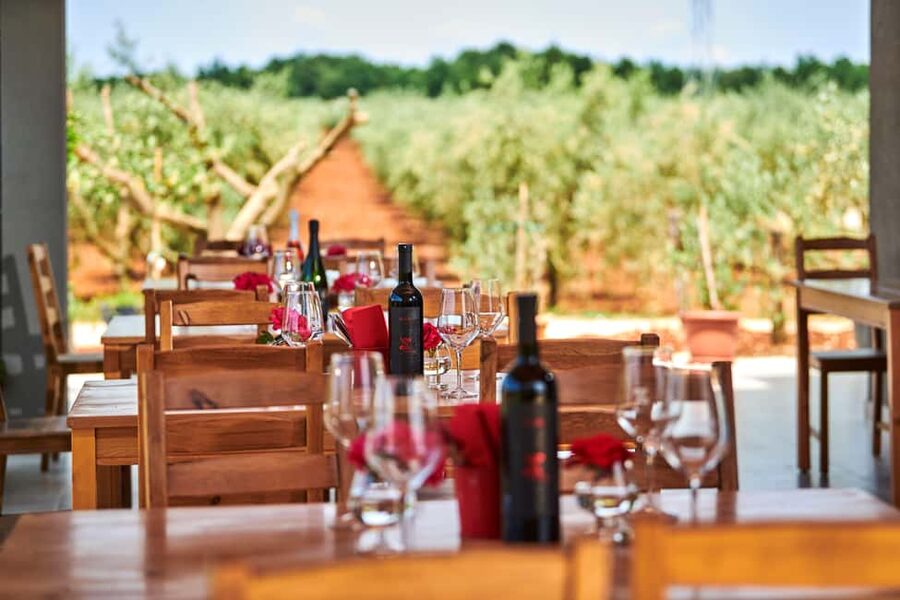
Here’s the smartest part of the experience: you don’t just get a random set. You choose which wines you wish to taste, then the guide works with that selection. With 6 wines on the plan, you can shape the tasting to your tastes without overloading your palate.
The winery produces both traditional Istrian varieties and international favorites. Expect options that include authentic Malvazija Istarska and Teran, alongside grapes like Merlot, Chardonnay, and Muscat. If you’re curious about how Istria expresses itself, Malvazija and Teran are the obvious anchor points.
If you’re more of a mixed-drinks person, international grapes give you a familiar reference point. Muscat can be a good way to understand aroma and fruit expression, while Chardonnay can help you compare how the region handles more structured styles.
Practical tip: when you choose your 6, try not to pick only one style. Even if you love whites, throw in one red or one aromatic bottle so you can feel the contrast. The tasting is designed for you to understand, not just to drink.
First three wines: the tasting is designed to keep your palate awake
The tasting starts with the first set of three wines. This is a good pacing choice, because your palate is fresh and you can catch the differences between styles. The guide’s role here is to make the tasting readable, not complicated.
If you include Malvazija Istarska and Teran in your selection, you’ll likely see the classic Istrian range in action. Malvazija tends to be about characterful fruit and aroma, while Teran is known for its distinct, strongly rooted Istrian personality.
What I like about the way Pervino handles this stage is that the guide can adjust based on your preferences. Several people highlight that the host tailored what they served to match their tastes. That is not just nice, it’s useful, because wine is personal. If you know you dislike certain styles, you’ll get a better experience by speaking up early.
If you’re a total beginner, you don’t need to pretend you know what you’re doing. You can treat this as a guided tasting worksheet: try the wine, describe what you notice, then let the host help translate it.
The olive oil and antipasti moment that makes the tasting feel complete
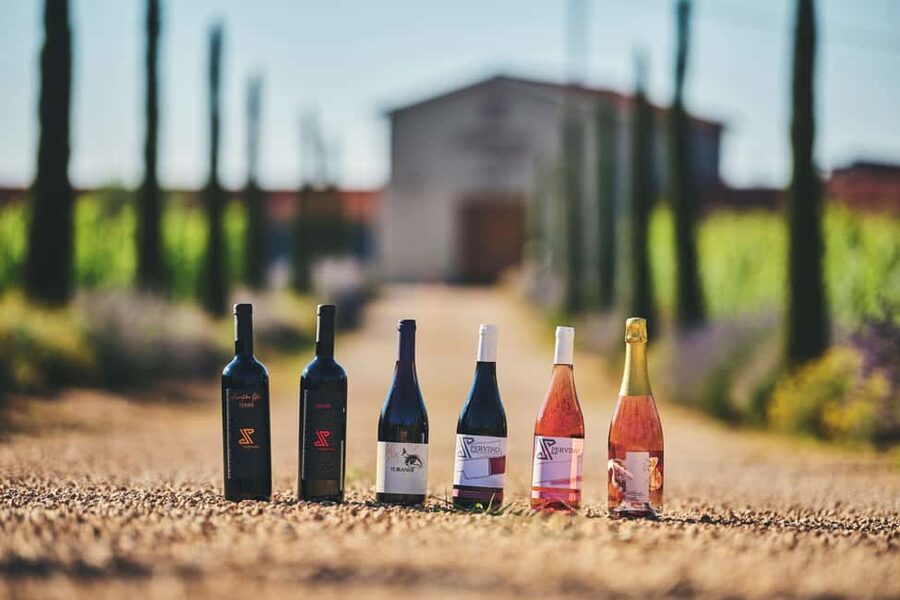
After the first three wines, the experience shifts to the food pairing. This is when you get a plate of cold cuts, paired with the winery’s olive oil. You’ll also get a brief presentation, which adds context without turning the meal into a classroom.
This part matters because the pairing changes how wine tastes. Cheese, prosciutto, and other charcuterie can soften harsh edges and bring out fruit and spice notes you might miss on its own. The olive oil adds another layer because it coats the palate in a different way than wine and bread do.
People mention the antipasti platter as delicious, and that’s a big deal for value. A lot of tastings throw a snack at you with no real thought. Here, the food is part of the schedule, and the olive oil is highlighted instead of treated like a side dish.
Practical tip: use this break to reset your palate. Take small bites between sips. If you’re trying multiple wines, keep water nearby if it’s available at the venue. Your goal is to enjoy the flavors, not to power through.
Last three wines: where adjustment and preference really pay off
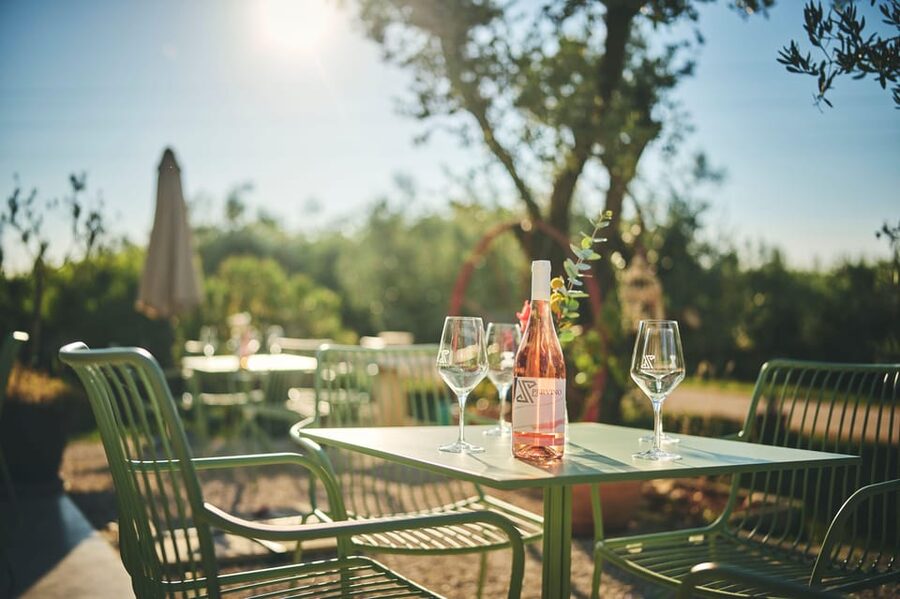
Then you continue with the remaining three wines. By now, you’ve learned what you like in the first half, and the guide can steer the experience accordingly.
This is also where your selection choices start making sense. If you picked a mix of styles, your last three wines likely feel like a set of variations rather than repeats. That’s the sweet spot for understanding a region: a tasting that teaches without tiring you out.
The winery offers both regional stalwarts and more globally recognized grapes. That means the final stage can go in different directions based on what you selected. If you chose Merlot and Chardonnay, for example, you’ll get a chance to compare how a familiar style behaves in Istria. If you chose Muscat, you might notice how aroma and sweetness perception shift after the food.
And again, the host can adjust the wines to what you like. That kind of flexibility is one of the most praised parts of the experience. It also turns the tasting into a conversation, not a one-size-fits-all routine.
What’s included, what’s not, and how to judge value
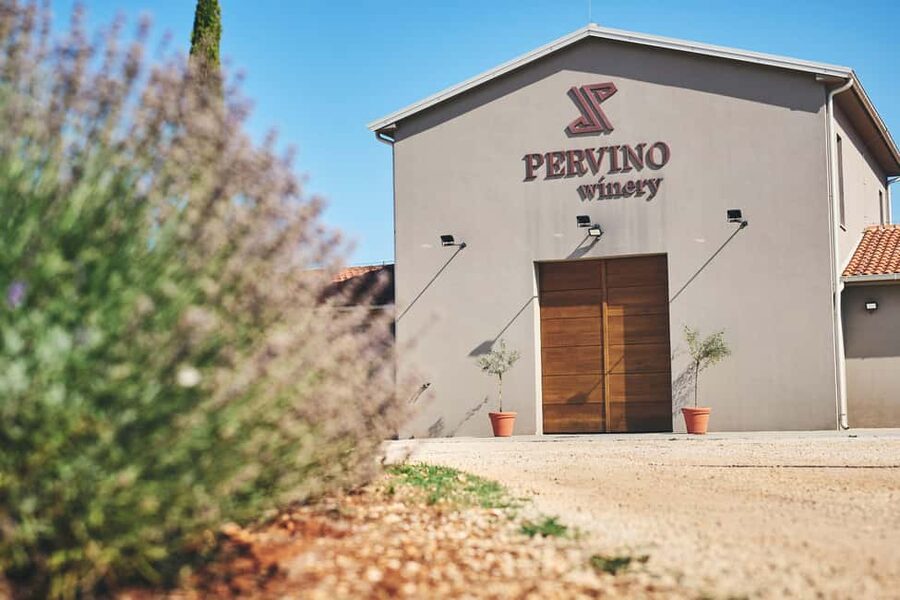
At $41 per person, you’re paying for 6 wines plus a plate of cold cuts paired with the winery’s olive oil. That’s a sensible structure, because the wine count is clear and the food is actually scheduled as part of the tasting flow.
A lot of wine experiences struggle with value because the wine quantity is vague. Here, you know you’ll taste 6. You also know there’s a concrete food element, not just a couple crackers.
What’s not included is transportation. So if you’re staying in nearby towns, you’ll want a plan for getting there and back safely. The experience also doesn’t include a tour of the cellar and vineyard, which is worth noting up front if you expected photo ops and a walk outside.
Balanced takeaway: this is a tasting-first experience. If you want a vineyard stroll, you’ll need a separate plan. If you want a relaxed, structured way to taste Istrian wine and eat well at the same time, this is a strong fit.
The vibe: cozy, friendly, and pet-welcome
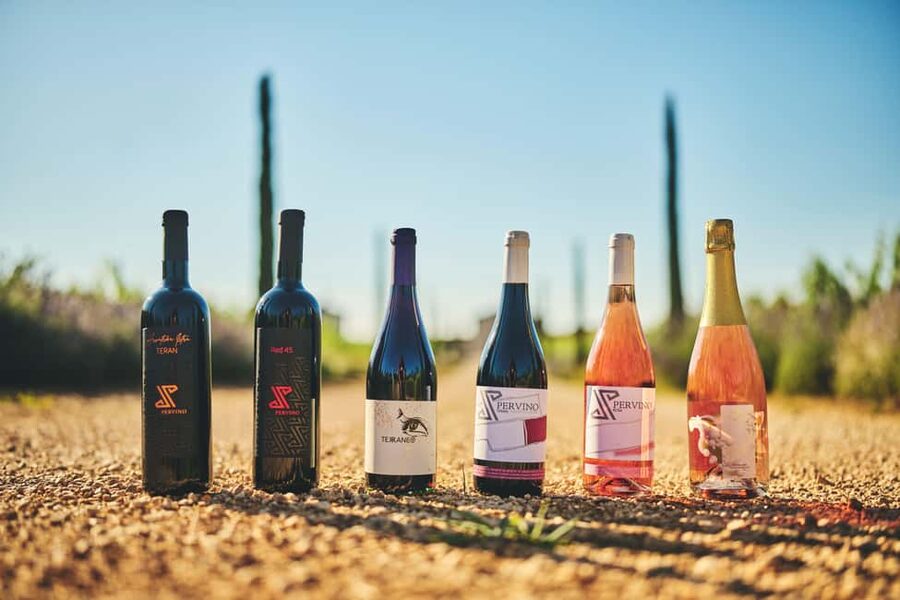
This tasting has a warm feel. People specifically mention a friendly hostess and the sense that the place is well-kept and cozy. That matters because wine tastes better when you’re comfortable enough to pay attention.
Another standout: pets are welcome. That’s not something you can assume everywhere, so it’s a real plus if you’re traveling with a dog. If you like to keep your schedule simple and you don’t want to split your group, this kind of policy can make the difference.
The tasting also runs in English, so you can ask questions and respond to what you’re being offered without language barriers.
Who this Istria wine tasting suits best
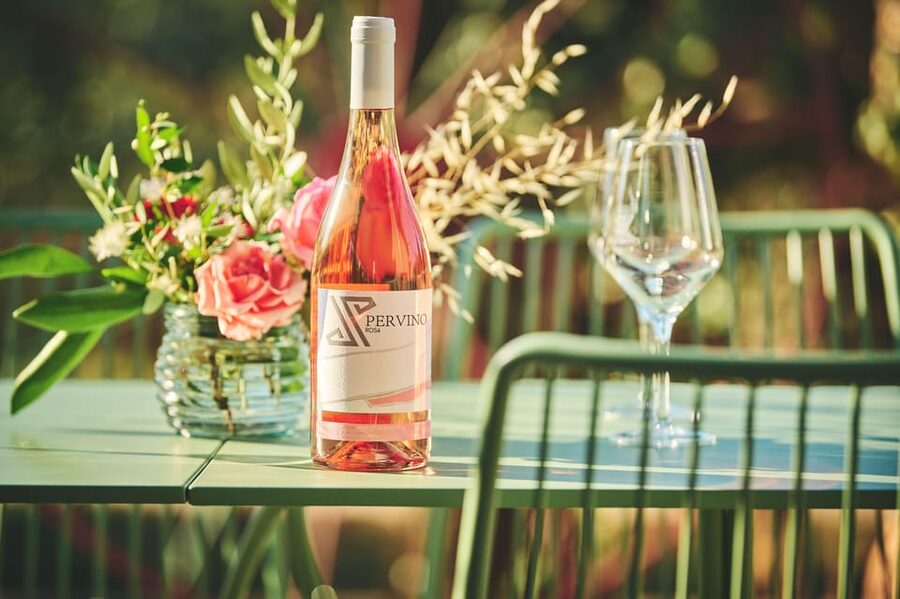
This works best if you want to learn Istrian wine without turning it into an hours-long research project. The structure of first three wines, food pairing, then last three wines helps you stay engaged and not overwhelmed.
It’s also ideal if you like customization. Because you choose from 17 wines, you can design your own mini journey across regional styles like Malvazija Istarska and Teran, or pick a mix that includes international grapes such as Merlot, Chardonnay, and Muscat.
If you’re traveling as a couple, it’s a solid choice because the experience is interactive and preference-based. It can also work for small groups who want guided tasting without splitting into separate tours.
If you’re the type who wants a full guided walk through the vineyards or cellar operations, you might feel a little boxed in, since that part is not included. In that case, pair this with another experience that offers that kind of access.
Should you book the Pervino Istria tasting?
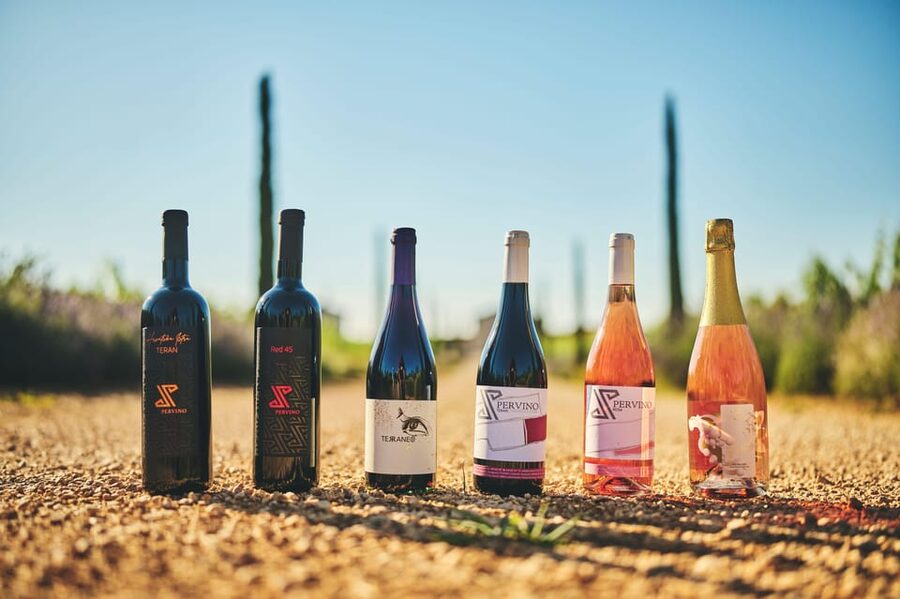
I’d book it if you want a clear, high-value tasting in a cozy setting, with 6 wines and a proper food pairing built in. The strongest reasons to choose it are the custom wine selection from 17 options, the ability to have wines adjusted to your taste, and the focus on olive oil and antipasti as part of the main event.
I’d skip it if your main goal is a cellar and vineyard tour. Since that is not included, you should only book if tasting and food pairing are exactly what you’re after.
If you’re in or around Novigrad and you want a friendly, English-guided introduction to Istrian wine with real attention to what you like, this is an easy yes.
Croatian Wine Roads & Vineyard Visits, top to bottom.
 ★ 5.0From Split: Krka Waterfalls, Food & Wine Tasting TourFrom $459,326 reviews
★ 4.9From Split: Krka Waterfalls, Food & Wine Tasting TourFrom $446,598 reviews
★ 5.0From Split: Krka Waterfalls, Food & Wine Tasting TourFrom $459,326 reviews
★ 4.9From Split: Krka Waterfalls, Food & Wine Tasting TourFrom $446,598 reviews
 ★ 5.0Krka National Park Tour with tour Guide & Wine tasting from Split & TrogirFrom $501,625 reviews
 ★ 4.3Split: Krka Waterfalls With Boat Cruise, Wine and Olive OilFrom $231,507 reviews
 ★ 4.7Split/Trogir: Krka National Park Day Trip with Wine TastingFrom $49925 reviews
 ★ 4.8Split: Game of Thrones Tour with Diocletian’s Palace CellarFrom $41545 reviews
 ★ 5.0Krka Waterfalls, Food & Wine Tasting, Boat Ride & Zadar Old TownFrom $52420 reviews
 ★ 5.0Private Full-Day Krka Waterfalls Tour with Wine TastingFrom $665263 reviews
Browse the lists this tour appears in