REVIEW · CROATIA
Olive farm & village
Olive trees beat Dubrovnik crowds. This family farm visit on Malaštica Hill, just a short drive from the Old Town, swaps city noise for a guided walk through olive grooves and orchard trees, ending with hands-on olive oil tastings and homemade food. You get the kind of storytelling that only comes from farming the same land for generations, led by Ivica Vlašić and his family.
The one thing to plan for is the movement. There’s moderate, easy hiking plus about 30 minutes of walking, so bring sensible shoes and expect some uneven ground.
In This Review
- Key highlights you should care about
- Vardia Farm on Malaštica Hill: the countryside side of Dubrovnik
- Pickup and timing: what your morning (or plan) really looks like
- Entering the olive groves: your guided walk through orchard and old trees
- How tastings get made meaningful: herb brandy, walnut liqueur, and fruit notes
- Olive oil in three ways: the bread-and-oil lesson that sticks
- White wine and homemade sweets: finishing with a view and a full table
- What makes the host matter: Ivica’s family-story approach
- Price and value: why $84.10 can make sense here
- Who should book this olive farm walk
- Should you book Olive Farm and Village near Dubrovnik?
- FAQ
- What is the duration of the Olive Farm and Village tour?
- Where is this experience located?
- What time does it start?
- Is pickup included?
- What language is the tour offered in?
- How many people are in the group?
- Is there walking or hiking involved?
- What food and drinks are included?
- Are service animals allowed?
- What happens if the weather is poor?
Key highlights you should care about
- Small group size (max 8) means more time at tastings and better conversation with Ivica
- Malaštica Hill setting puts you about 200 meters above the Adriatic Sea, with quiet, panoramic views
- Taste olive oil in three ways with bread, salt, and vinegar, not just a quick sip
- Orchard and herb moments include fruit and plant tasting along the walk (and yes, there are goats)
- Wine and homemade spirits round out the experience with white wine plus fruit and walnut liqueurs
Still weighing it up? These Dubrovnik trips also came through our review desk.
- Blue Cave Small-Group Boat Tour from Dubrovnik★ 5.0 · 9,360 reviews
- Full-Day Dubrovnik Elaphite Islands Cruise with Lunch and Drinks★ 5.0 · 8,823 reviews
- Dubrovnik: Epic Game of Thrones Tour + Lokrum & Saver Option★ 4.9 · 5,995 reviews
- Dubrovnik: Elaphiti Islands Full-Day Cruise with Lunch★ 5.0 · 5,938 reviews
Vardia Farm on Malaštica Hill: the countryside side of Dubrovnik
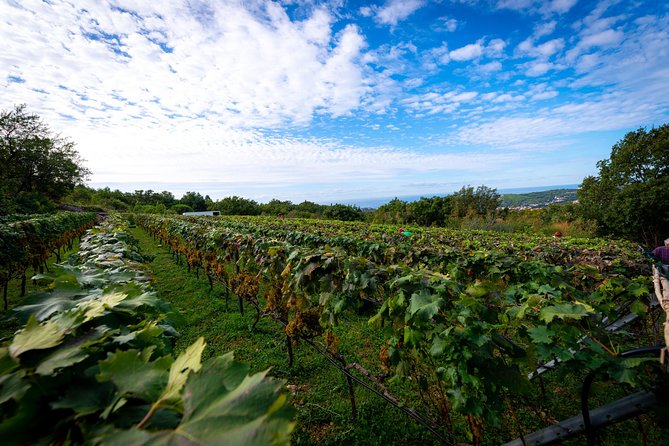
Dubrovnik is gorgeous, but the center can feel busy fast. This tour is designed for the exact opposite mood: leave town for a few hours and step into a working farm where olives, vines, and mixed orchard plants grow right where you’re walking.
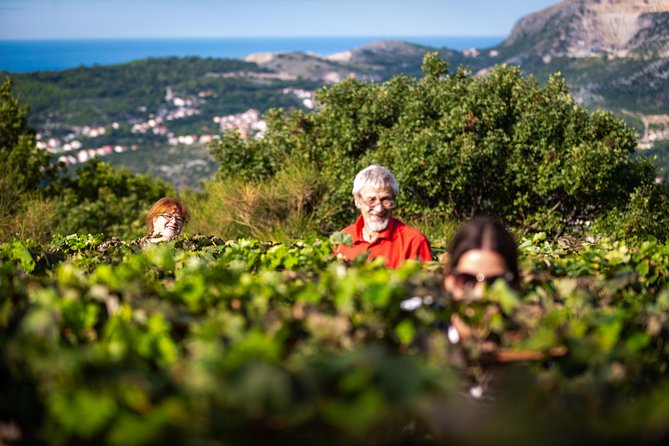
Vardia is on Malaštica Hill, around 200 meters above the Adriatic Sea. It’s also roughly a 15-minute scenic drive from Dubrovnik Old Town and near the border with Bosnia and Herzegovina. That location matters. It gives you a countryside feel without burning half your day on transport, and it keeps the experience close enough to pair with other Dubrovnik sights later.
One reason I like this setup is the rhythm. You don’t just arrive, taste, and leave. You walk through the groves, learn how the farm is managed, then taste the products you just encountered. It’s a straightforward way to understand why olive oil here tastes different, and why the guide keeps pointing out the plants as you go.
You’ll also appreciate that this is capped at 8 travelers. With a small group, the host can slow down when someone has a question, and the tastings feel relaxed rather than rushed.
Pickup and timing: what your morning (or plan) really looks like
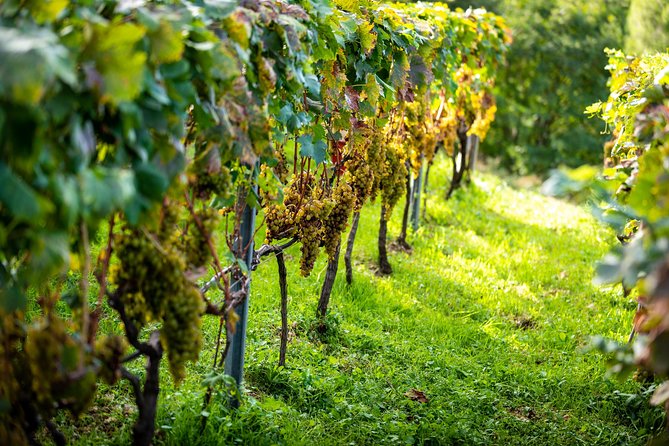
The tour starts at 8:30 am and runs about 2 hours 45 minutes. Pickup is available from your hotel or a nearby meeting point in the Dubrovnik area, so you’re not left hunting for a trailhead with a map app and a prayer.
This is the kind of tour that works best early in the day for two reasons. First, you get clearer light for the views above the sea. Second, walking through olive groves is easier when it’s not yet too hot.
Another practical detail: you’ll want to treat this as a real walking experience, not a “stroll.” The tour includes an easy hike down and back up the hill, with around 30 minutes of walking total. If your legs get cranky on uneven paths, plan for that now instead of trying to power through with bad shoes.
Entering the olive groves: your guided walk through orchard and old trees
Once you’re picked up, the day shifts into a slower pace. You’ll travel to the Vardia farm area and then start moving through the property on foot. The route is described as easy hiking, and it goes down and up through olive grooves, an organic farm area, and an old oak forest.
This is where the experience becomes more than a tasting stop. The guide uses the land itself as the lesson. You’ll pick up names and uses of plants as you pass them, and you’ll likely notice how different sections of the farm are managed. The goal is simple: show you how cultivation and production connect, so the oil and wine aren’t mysterious at the end.
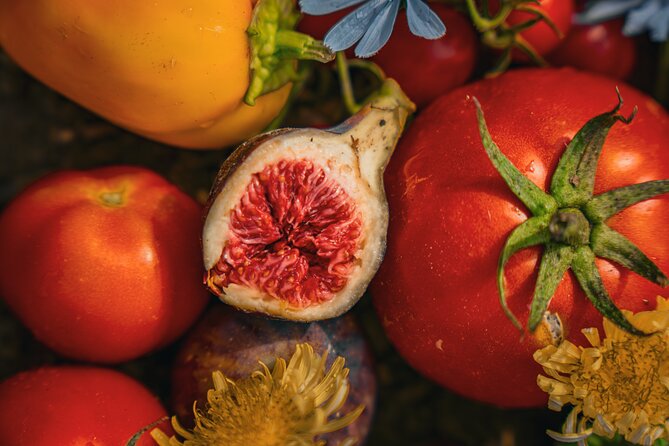
From the descriptions and details shared, the walk can include stops to taste and smell herbs and plants. Expect to encounter orchard and farm life like pomegranate, winter orange, olives, bay trees, rosemary, and wild flowers. Depending on the season, you might also notice crops such as figs, grapes, tomatoes, bell peppers, blackberries, and blueberries during the route.
One more useful heads up: there are goats on the farm. It’s not a zoo moment, but it does add to that real, working place feeling as you move between trees.
How tastings get made meaningful: herb brandy, walnut liqueur, and fruit notes
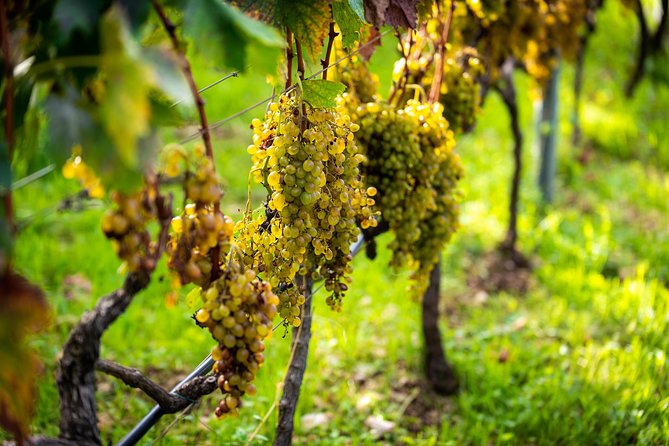
Tastings are the headline here, but the best part is how they’re framed. As you walk, you’re tasting things that come directly from the farm environment. Then later you get more structured samples that show the range of what they make.
A featured moment is tasting homemade spirits made from farm fruits. You may try a home-made herb brandy or a liqueur based on fruits from the orchard. Reviews also mention walnut-based products, including walnut liquor and a grapelike spirit (grapa) style experience, plus sugared almonds.
If you’re wondering what to expect, think of it like this: you’re not just sampling alcohol for the sake of it. You’re learning how the farm’s ingredients become flavors. Herb brandy points to garden plants and their intensity. Walnut liquor highlights richness and nut character. Then, by the time you reach the wine and olive oil, your palate is already “tuned in” to local tastes.
One more thing I appreciate: the tour doesn’t feel like a long drinking session. It’s a guided farm day that ends with a tasting table. If you don’t want heavy alcohol, you can pace yourself, but you’ll still get to enjoy the overall food and product experience.
- Blue Cave Small-Group Boat Tour from Dubrovnik
★ 5.0 · 9,360 reviews - Full-Day Dubrovnik Elaphite Islands Cruise with Lunch and Drinks
★ 5.0 · 8,823 reviews - Dubrovnik: Epic Game of Thrones Tour + Lokrum & Saver Option
★ 4.9 · 5,995 reviews - Dubrovnik: Elaphiti Islands Full-Day Cruise with Lunch
★ 5.0 · 5,938 reviews - Dubrovnik: Old Town Walking Tour
★ 4.8 · 5,174 reviews
Olive oil in three ways: the bread-and-oil lesson that sticks
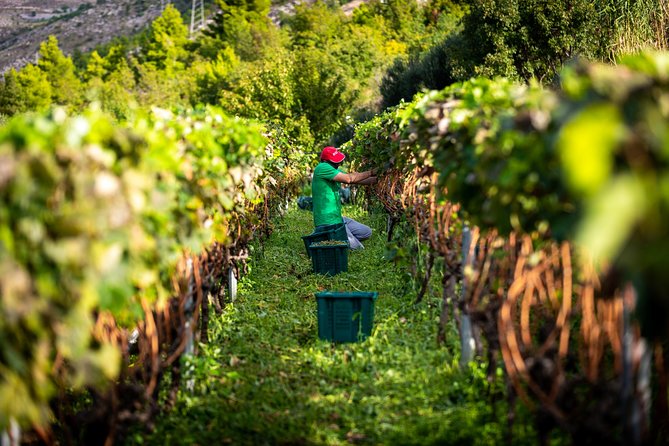
Olive oil tastings often get treated like a quick pour and a thumbs-up. Here, the tasting is built around understanding. You taste olive oil in three different ways, and it’s paired with bread plus salt and vinegar.
That structure is practical. It helps you notice differences rather than hoping everything tastes the same. Vinegar and salt change how you perceive acidity and salt balance. Bread acts like a neutral carrier so you can compare oils without overthinking it.
This is also where the tour’s “home” feel shows. You’re tasting organic olive oil made on site, with homemade bread. The bread is repeatedly praised, and it’s clearly part of the farm’s daily rhythms, not a store-bought add-on.
Along with the olive oil, you may also get other orchard foods as you move through the day, like olives you can taste from the trees and seasonal fruit straight from the property. That’s a big part of why this feels authentic. You’re not only learning about the oil, you’re eating what the land is producing.
If you’ve ever had olive oil that tasted flat or harsh elsewhere, this kind of tasting approach can help you calibrate your expectations. Oils vary a lot depending on the harvest and how the olives are handled. Tasting with salt, vinegar, and bread makes those differences easier to understand.
White wine and homemade sweets: finishing with a view and a full table
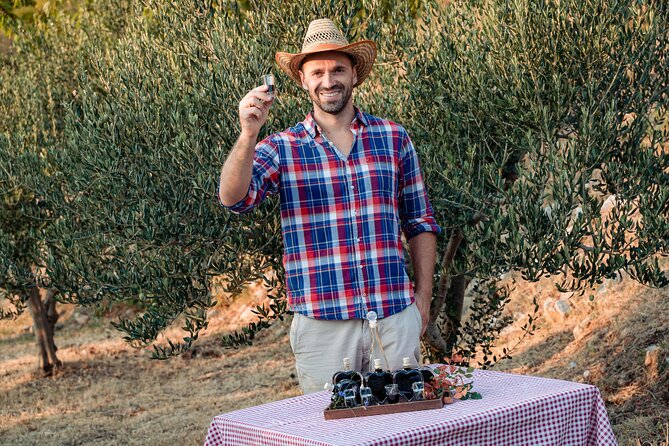
After the walk and farm lesson, you return toward the car and end up at a serving moment in a comfortable setting with those famous views over the Adriatic. The tour includes wine tasting, specifically white wine, and it pairs that with breads and small bites.
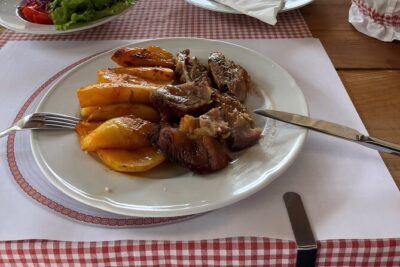
What stands out in the food portion is the mix of savory and sweet. You might taste homemade shortbread and jam, including apricot jam. Sugared almonds also show up in the tasting notes. There’s also mention of sampling items like sugared almonds and other simple, farm-made treats that don’t try too hard.
One wine detail that gets called out is a lemon style wine. If you like white wine with a citrus edge, that’s worth paying attention to when it’s served.
Kid-friendliness is handled in a practical way, not by pretending children won’t care. There are substitutes for kids, so younger visitors can still take part without being forced into adult-only tastes.
What makes the host matter: Ivica’s family-story approach
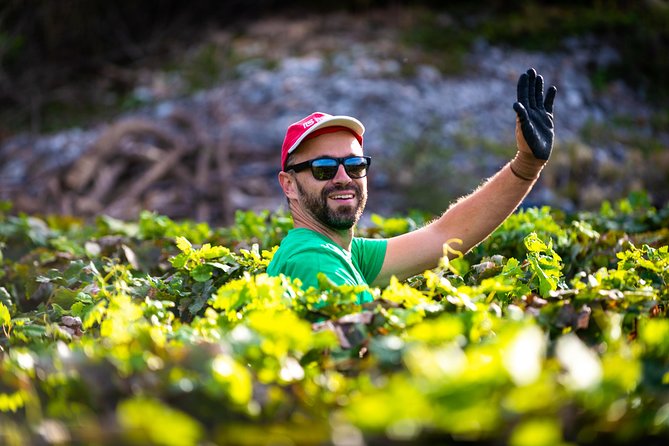
A lot of tours say they’re personal. This one actually feels that way because it’s built around a single family and their day-to-day farm knowledge. Ivica Vlašić is the guide named in the experience, and the tone is described as warm, professional, and full of real specifics about farming across generations.
In practical terms, a guide like this helps you do two things:
1) Spot what matters in the plants and trees, not just the pretty parts.
2) Understand what you’re tasting, so the olive oil, wine, and liqueurs feel connected to the land.
If you’re the kind of traveler who enjoys questions and conversation, this small group format plus Ivica’s approach should fit your style. If you prefer silent, independent wandering, you can still enjoy the walk, but you’ll likely want to engage at least a little to get the most out of the tastings and plant explanations.
Price and value: why $84.10 can make sense here
At about $84.10 per person for roughly 2 hours 45 minutes, this isn’t the cheapest activity in Dubrovnik. But it’s also not priced like a big bus tour that hands you a glass and sends you away.
The value is in three areas that you don’t always get together:
- Transportation plus a countryside site, with hotel or meeting point pickup
- Food and product tastings that are built into the experience, not bolted on
- Small group size with time for real conversation
And because this is a working family farm within about 15 minutes of Old Town, you’re buying local access without the hassle of arranging everything yourself.
If you’re trying to spend your day in Dubrovnik well, I’d treat this as a focused, high-value “one-stop” experience. It replaces the need for multiple separate tastings or a DIY plan to find olive groves outside the city.
Who should book this olive farm walk
This tour fits best if you want a real farm experience near Dubrovnik, with food tastings and a gentle hike.
You’ll especially enjoy it if:
- You like olive oil tastings that are structured and paired thoughtfully
- You want a break from city crowds without losing half your day in transit
- You’re comfortable with moderate, easy hiking and walking on uneven paths
- You like learning from locals who work the land every day
It’s also likely a good family option because there are substitutes for kids, and the setting is outdoors with plenty to see (including the goats).
If you have mobility concerns or you hate hills and uneven ground, consider skipping. The walking time and down-and-up hike are the main constraint mentioned for the experience.
Should you book Olive Farm and Village near Dubrovnik?
Yes, if you want a countryside farm day that feels specific to the people who grow the food you taste. The biggest reason to book is the way everything is connected: the walk through olive groves and old oak forest, the plant stops, and then the tasting table featuring olive oil in three ways, bread, salt and vinegar, white wine, plus homemade herb and fruit or walnut spirits.
I’d book this sooner rather than later if you like your Dubrovnik plans to include one “escape hatch” that’s quiet, small, and food-focused. With a max group of 8 and a start time at 8:30 am, it’s also a schedule that can slot cleanly into a sightseeing day.
If you’re sensitive to walking, don’t assume the hike is minimal. Bring good shoes and be honest about your comfort on hillside paths. But for most travelers, this is the kind of Dubrovnik-area experience that’s worth doing once, then remembering for the taste of the oil and bread long after the city fades.
FAQ
What is the duration of the Olive Farm and Village tour?
It runs for about 2 hours 45 minutes (approx.).
Where is this experience located?
It takes place at Vardia farm in Malaštica Hill, about 200 meters above the Adriatic Sea, around a 15-minute scenic drive from Dubrovnik Old Town.
What time does it start?
The start time is 8:30 am.
Is pickup included?
Yes. Pickup is organized in front of any hotel or meeting points in the Dubrovnik area.
What language is the tour offered in?
The experience is offered in English.
How many people are in the group?
The tour has a maximum of 8 travelers.
Is there walking or hiking involved?
Yes. It includes moderate easy hiking and about 30 minutes of walking.
What food and drinks are included?
You’ll taste homemade olive oil with bread, including olive oil in three ways with bread, salt and vinegar, plus white wine. The experience also includes tasting farm products and homemade herb brandy or liqueur made with fruits from the orchard.
Are service animals allowed?
Yes, service animals are allowed.
What happens if the weather is poor?
This experience requires good weather. If it’s canceled due to poor weather, you’ll be offered a different date or a full refund.