
REVIEW · MUSEUMS
Split: Museum of Illusions Entrance Ticket
Your eyes will argue with you. A pre-booked Split Museum of Illusions ticket turns a simple visit into a hands-on session of optical tricks, from water going the wrong way to rooms built for visual confusion. I like that it is not just about looking, you actively test what you think you see.
Two highlights I especially enjoyed are the water that flows uphill and the interactive photo moments where your size changes. One possible drawback to plan for is language support. The museum lists captions in English, German, Italian, and Croatian, so if you were hoping for French explanations, that may not be available.
In This Review
- Key Things You’ll Notice Right Away
- Museum of Illusions Split Entry: What You’re Really Buying
- The Illusion Galleries: How Your Brain Gets Hooked
- The Best Hands-On Moments: Uphill Water, Mirrors, and Photo Tricks
- Optical Illusions That Teach You About Perception
- Playrooms With Educational Games and Puzzles
- Captions, Languages, and How to Plan Your Visit Comfortably
- Timing a One-Day Ticket in Split
- Who This Museum Ticket Is Best For
- Practical Stuff You Should Know Before You Go
- Should You Book This Museum Ticket?
- FAQ
- How much does the Museum of Illusions Split entrance ticket cost?
- How long is the experience valid?
- Where do I show my voucher?
- What languages are available on site?
- What should I bring with me?
- Can minors visit without an adult?
Key Things You’ll Notice Right Away
- Water uphill, gravity upside down: Watch how the setup makes your brain doubt physics.
- Size-shift photo moments: A fun, instant memory spot where scale looks totally wrong.
- Maze of mirrors: Visual paths multiply fast, so move slowly and play with perspective.
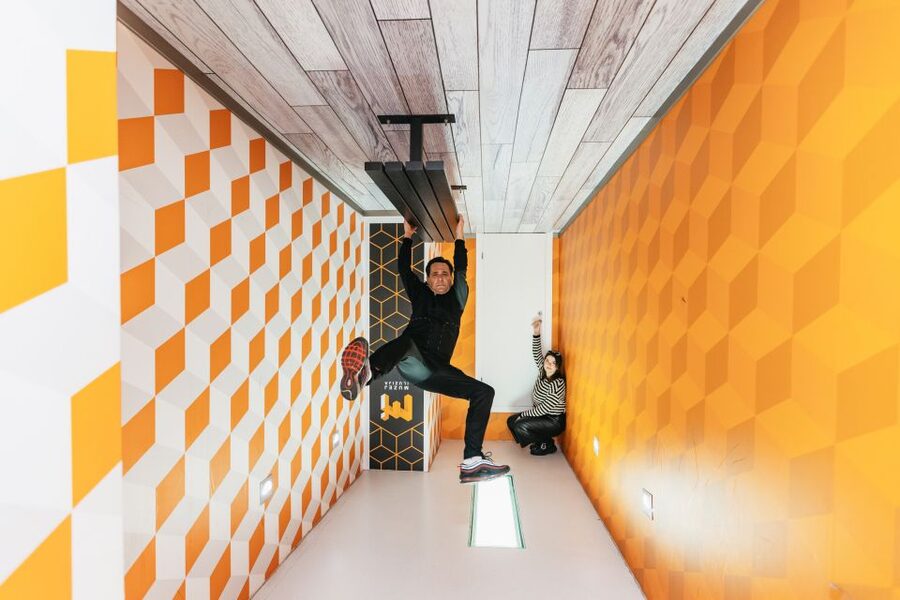
- High-impact illusion rooms: Expect installations like a ceiling climb and a head-on-tray style scene.
- Playrooms with games and puzzles: The museum keeps it hands-on for both kids and adults.
- Captions, not live narration: Plan your reading, especially if you want a specific language.
Museum of Illusions Split Entry: What You’re Really Buying
For $14 per person, you are paying for one thing: time with interactive illusions that use your own senses as the entertainment. It is a smart value if you like science-y explanations but also enjoy the moment of not quite understanding how something works.
This is an entrance ticket for a visit that fits in a day. You do not need to stack this with a long guided tour to get value. In practice, it is ideal as a flexible stop when Split’s weather or crowds decide to be annoying.
When you arrive, you show your voucher at the museum’s main entrance. It is simple, and that matters in Croatia when you are balancing walking, parking, and timing.
The Illusion Galleries: How Your Brain Gets Hooked
The museum is built to make you compare sight versus reality. I like the pacing because it keeps turning your attention from one trick to the next, and each one forces a different kind of thinking. You will notice how quickly you accept what looks plausible.
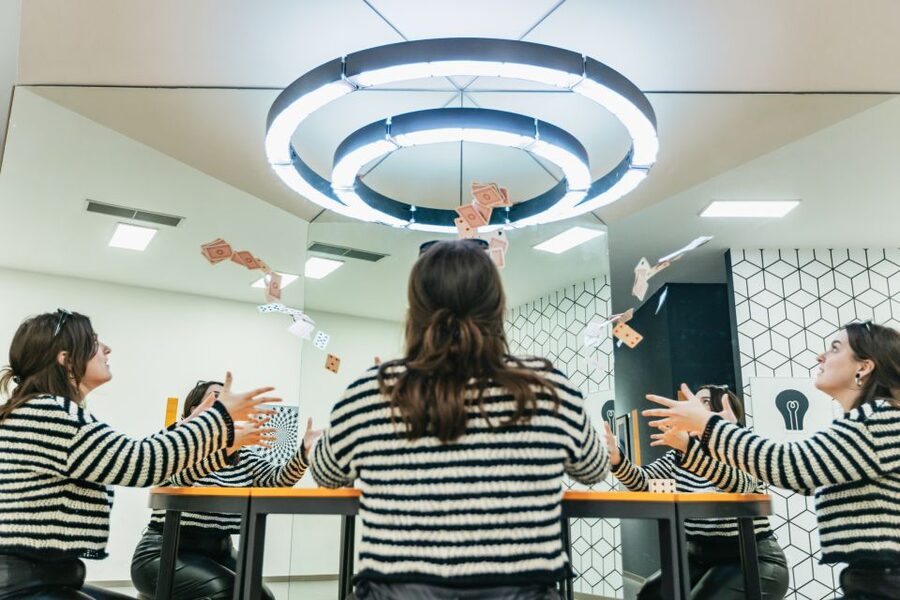
The most effective parts are the rooms that feel physical. For example, the museum includes a room where water flows uphill, which immediately puts your brain in a debate. You can stand there, watch it again, and still struggle to reconcile what your eyes report with what gravity should do.
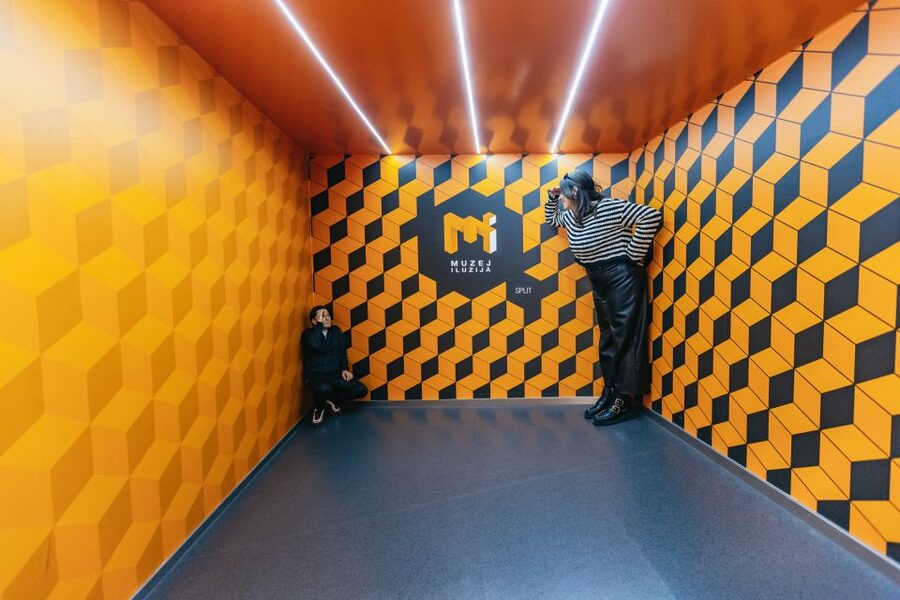
Another big category is scale and motion perception. There is an installation where friends can appear to grow or shrink right before your eyes. This is exactly the kind of thing that makes a good photo, but it is also a strong example of how framing, distance, and your brain’s assumptions shape what you think you see.
The Best Hands-On Moments: Uphill Water, Mirrors, and Photo Tricks
If you want your visit to feel like a highlight reel, I’d focus on the interactive scenes first. They are the ones most likely to make you stop, repeat, and laugh at your own certainty.
Start with the uphill water room. If you rush, you miss the real point, which is watching your perception try to “fix” the physics. Take a couple of minutes to watch from different angles. Your eyes will change the story before your brain catches up.
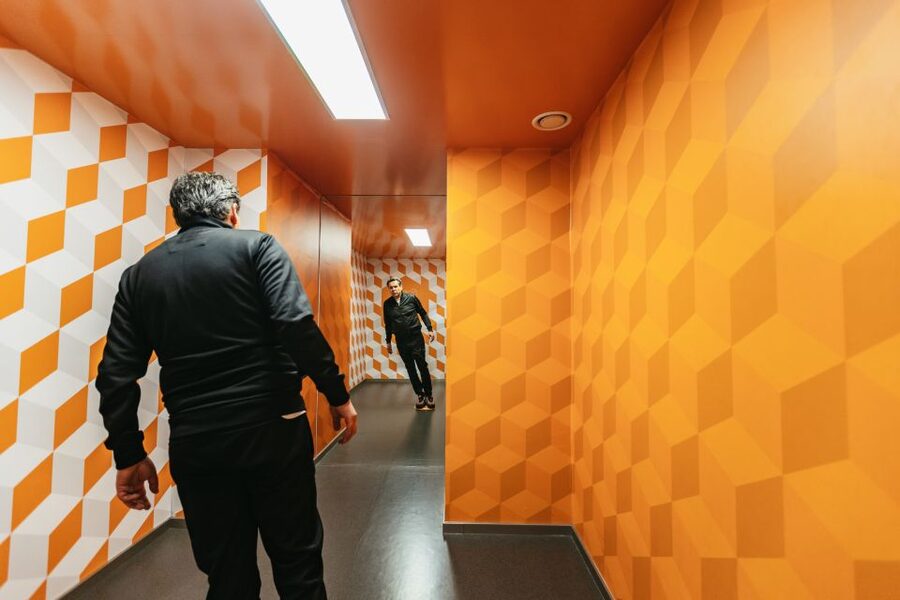
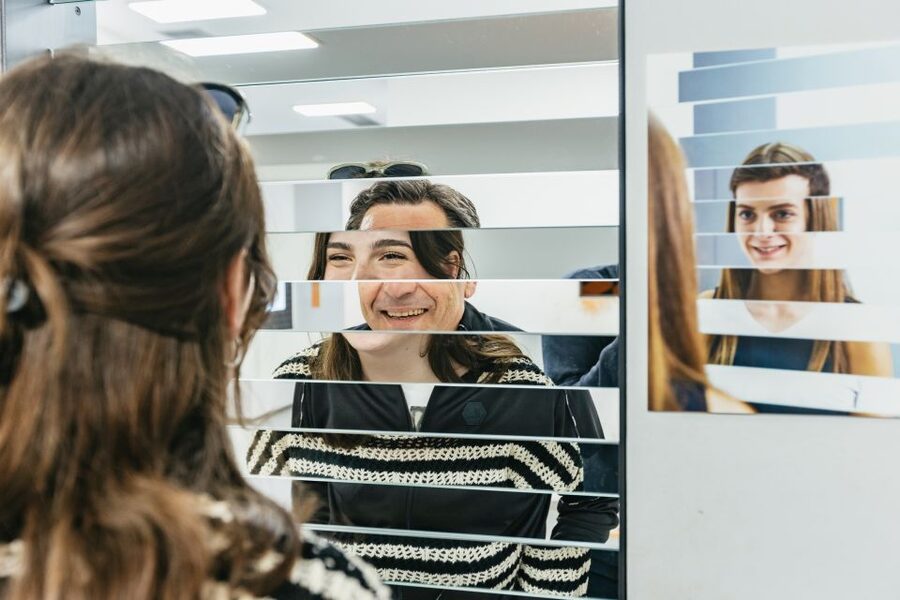
Next, spend time in the maze of mirrors. This can be disorienting in a good way, but it can also make you move faster than you should. If you want the full effect, slow down, keep an eye on your position, and let the reflections do the work.
Then go for the photo-driven illusions. One of the most memorable is the image moment where people look big or small for the camera. It is a rare setup that feels playful and educational at the same time because the result is visually obvious, even if the method is confusing.
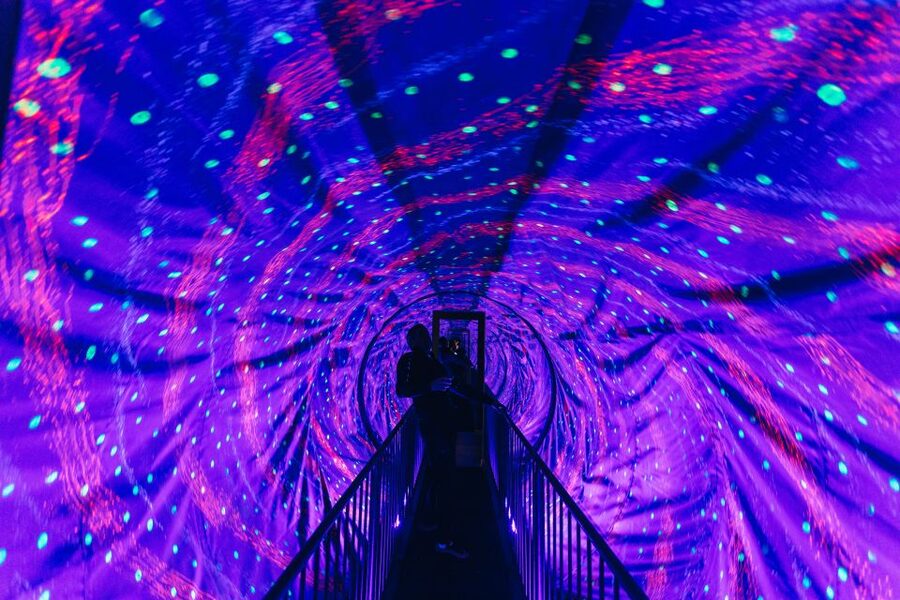
The museum also references other scene-style installations that you will likely recognize as you move through the rooms, including a ceiling climb setup and a tray-based “serve somebody’s head” style scene. These are worth your time because they are interactive and designed for looking and posing, not just standing still.
Optical Illusions That Teach You About Perception
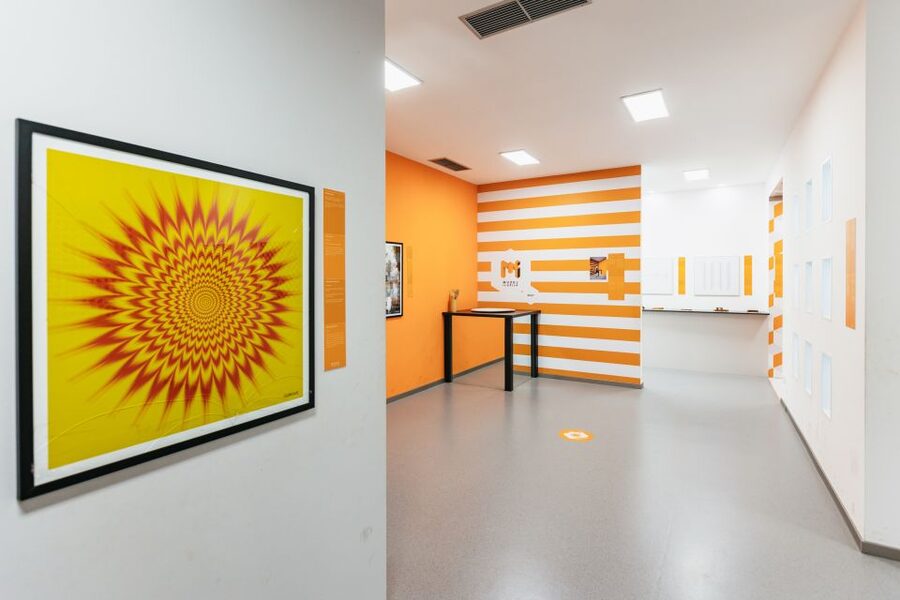
The museum’s real value is not the novelty of the tricks. It is the reminder that perception is an interpretation. The brain takes short cuts, fills gaps, and sometimes makes you see something that is not quite what is physically there.
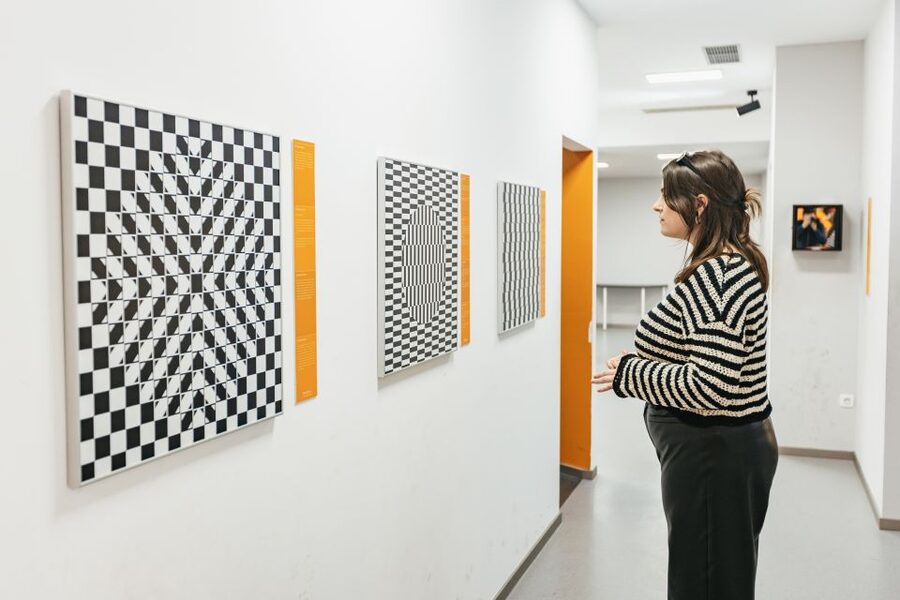
You will see setups that encourage careful viewing. The idea is that you cannot just glance and move on, you need to observe. That is where the learning clicks in, because you realize you were trusting your first impression too much.
The museum also explicitly frames these as visual and sensory lessons about the human brain and science. Even if you skip any reading, you will still feel that the exhibits are teaching you how your mind constructs reality from incomplete information.
Playrooms With Educational Games and Puzzles
One of the smartest parts of this ticket is that it does not end at optical illusions. The museum includes playrooms with intriguing games and puzzles, which gives your visit a second tempo.
This matters because it keeps the museum from feeling like one long “look at this” experience. You get a mix of active observation and hands-on problem solving. If you are traveling with kids, this is often the section that prevents the visit from turning into a battle of attention spans.
If you are an adult going solo, the playrooms are a chance to reset. You can step away from the illusion rooms and still feel like you are participating, not just consuming.
Captions, Languages, and How to Plan Your Visit Comfortably
The museum provides support through captions and a host or greeter. The staff is listed as speaking English and Croatian, and the museum offers captions in English, German, Italian, and Croatian. That is useful if you want to understand what each installation is trying to show.
Here’s the practical tip I’d follow: treat captions as optional if you’re there for fun, but use them if you want the “why.” You do not need to read every line to enjoy the exhibits, but a quick scan can turn a confusing scene into something you can explain later.
If your travel group is multilingual, you’ll likely find at least one shared language in the listed options. If not, decide early on a strategy, like taking turns reading captions aloud.
Timing a One-Day Ticket in Split
You have a one-day ticket, and you should check availability for starting times. That means you can plan this like a flexible block rather than a strict itinerary anchor.
In real-life travel planning, I like to place this museum on a day when you either need indoor time or when you want something light but memorable. It is not the kind of stop that requires you to be in peak sightseeing mode, and it does not depend on a specific outdoor view.
Because it is interactive, plan for a little extra time. Even the quick photo spots take longer than you expect, mostly because you’ll want to repeat what looks wrong.
Who This Museum Ticket Is Best For
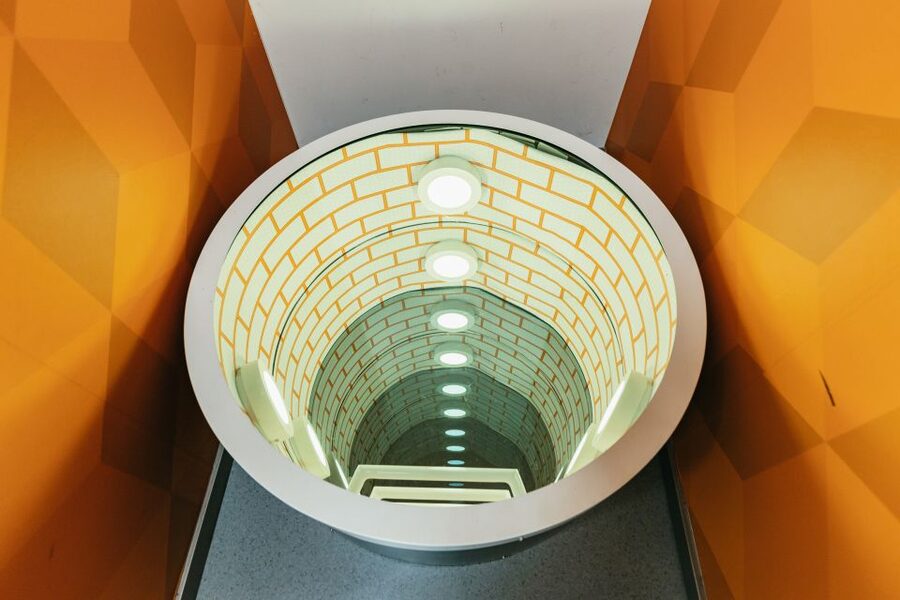
This is a strong match if you enjoy playful science, weird optics, and interactive exhibits that reward curiosity. It is especially good for families because the museum explicitly includes playrooms with games and puzzles.
If you like taking photos that actually feel different, you will enjoy the size-change and other scene moments that translate well into pictures. And if you like understanding why your brain is so easily fooled, the topic of visual and sensory perception is right in the museum’s wheelhouse.
One caution: unaccompanied minors are not allowed. If you are traveling with younger kids, make sure an adult will be with them the whole time.
Practical Stuff You Should Know Before You Go
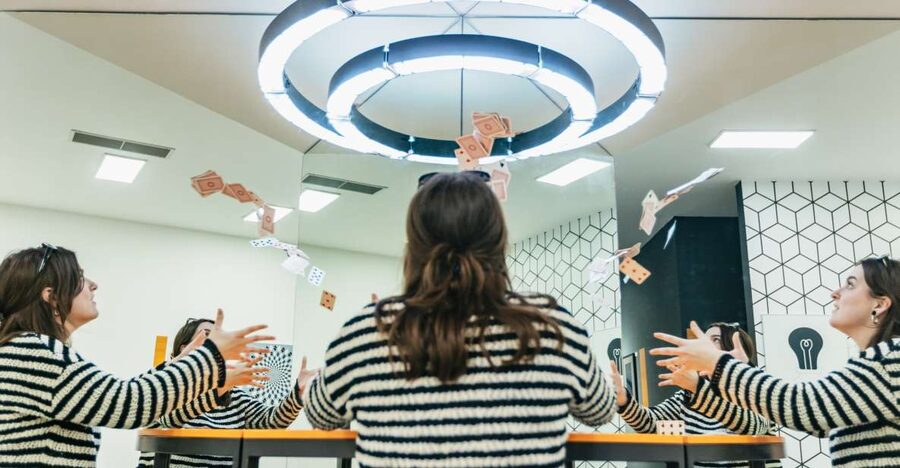
Bring a camera. That is clearly listed, and honestly, many of the illusions are designed for a visual record because they look so different from what you expect.
The museum is wheelchair accessible, and service animals are permitted. If you need an accessibility-friendly visit, this is the kind of indoor stop that tends to work well because you can move room to room without waiting for weather.
If you value flexibility, note that free cancellation is available up to 24 hours in advance for a full refund, and there is also a reserve and pay later option. That reduces stress if your Split schedule is still shifting.
Should You Book This Museum Ticket?
If you’re looking for a one-day activity with high “wow” per hour, I think this is a solid booking. For $14, you get interactive rooms focused on visual and sensory perception, plus playrooms that make the visit easier to enjoy across ages.
I would book it if you like hands-on experiences and you want a stop that is fun even when you are not in a serious sightseeing mood. I would think twice only if you strongly need explanations in a language not listed for captions, or if your group has someone who needs fewer interactive activities.
FAQ
How much does the Museum of Illusions Split entrance ticket cost?
The ticket price is $14 per person.
How long is the experience valid?
The ticket is valid for 1 day. You should check availability to see starting times.
Where do I show my voucher?
Show your voucher at the museum’s main entrance.
What languages are available on site?
The host or greeter speaks English and Croatian. The museum also offers captions in English, German, Italian, and Croatian.
What should I bring with me?
Bring a camera.
Can minors visit without an adult?
No. Unaccompanied minors are not allowed.
Museums, top to bottom.
 ★ 4.5Zagreb: Skip-the-Ticket-Line Museum of Broken RelationshipsFrom $8847 reviews
 ★ 4.5Zagreb: Nikola Tesla Technical Museum TicketFrom $8520 reviews
 ★ 3.8Split: Game of Thrones Museum Entrance TicketFrom $17385 reviews
 ★ 5.0SPLIT-PREMIUM Emperor’s Walking Tour for History Lovers + MuseumFrom $30333 reviews
 ★ 4.6Split: Klis Fortress GOT and Olive Museum Entry TicketsFrom $14283 reviews
 ★ 4.0Zagreb: Museum of Illusions Entrance TicketFrom $14261 reviews
 ★ 4.5Trogir: Boat tour to Unique underwater museumFrom $47229 reviews
 ★ 4.0Museum of Illusions ZagrebFrom $14197 reviews
Browse the lists this tour appears in