
REVIEW · ISTRIAN TRUFFLE & HILL TOWN TOURS
Split: Olive museum Klis with Olive Oil Tasting
Olive oil lessons in Croatia start with a sniff. At Stella Croatica in Klis, you get a guided walk through a family estate and the Olive Oil Museum, built around spotting real extra virgin quality.
Two things I especially like are the interactive tasting workshop and the 500-species botanical collection. You learn by doing, not just listening, and the setting feels like a working home base for Dalmatian herbs and traditions.
One consideration: the museum experience is more educational than outdoors. There are not olive trees or fields to wander on site, so if you want a walk among rows of groves, this may feel a bit indoors-leaning.
In This Review
- Key Highlights You Shouldn’t Miss
- Arriving at Stella Croatica in Klis (and Finding Your Host)
- The Family Estate Tour: From Traditional Products to Essential Oils
- Walking the 500-Species Botanical Collection
- Inside the Olive Oil Museum: Croatia’s Liquid Gold Story
- The Extra Virgin Olive Oil Tasting Workshop (This Is the Main Event)
- Sweets, Natural Cosmetics, and the Factory-Price Concept Store
- Free Time in the Park and Lunch Options After the Experience
- Price and Value: Is $18 Fair for What You Get?
- What to Expect on the Ground: Rules, Comfort, and Timing
- Who Should Book This Olive Museum and Tasting in Klis
- Should You Book It?
- FAQ
- What is included in the Olive Museum and Olive Oil Tasting at Stella Croatica?
- Do I taste olive oil during the experience?
- Is there a guided tour, or is it self-guided?
- What other tastings are included besides olive oil?
- Can I bring and eat food or drinks at the site?
- Is video recording allowed?
- What language is the tour in?
- Is there time to explore after the guided portion?
- How much does it cost?
- What is the cancellation policy?
Key Highlights You Shouldn’t Miss
- Stella Croatica family estate tour, with stops inside the working spaces where traditional products are made
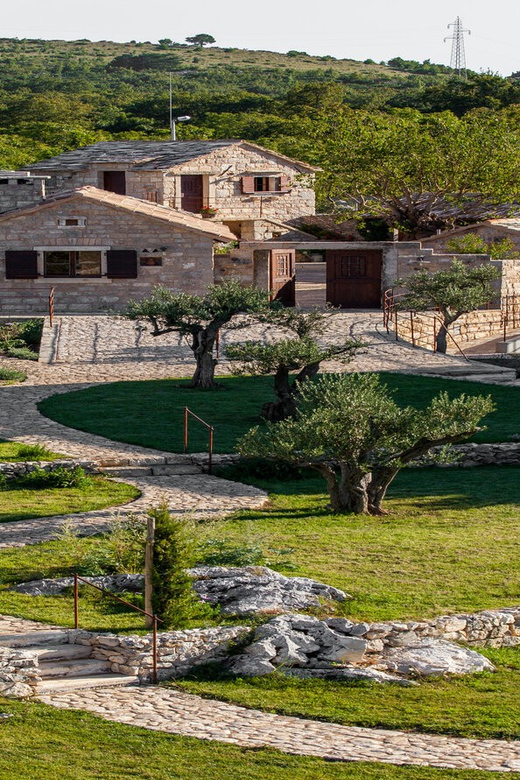
- 500-species botanical collection, plus a herb garden where Dalmatian plants show up in real life
- Olive Oil Museum, recognized as a finalist for European Museum of the Year Award 2023
- Hands-on extra virgin recognition, using an interactive method that teaches you how professionals judge
- Tasting two olive oils, plus sweets and a chance to test natural cosmetics
Other fortress and Roman-ruin outings inland
- Split: Klis Sunset Sightseeing Bus Tour★ 4.4 · 494 reviews
- Split: Klis Fortress GOT and Olive Museum Entry Tickets★ 4.6 · 283 reviews
- Split: Historical Tour of Salona, Klis Fortress and Trogir★ 4.1 · 108 reviews
- Visit Klis fortress GOT & Olive museum Klis★ 4.5 · 77 reviews
Arriving at Stella Croatica in Klis (and Finding Your Host)
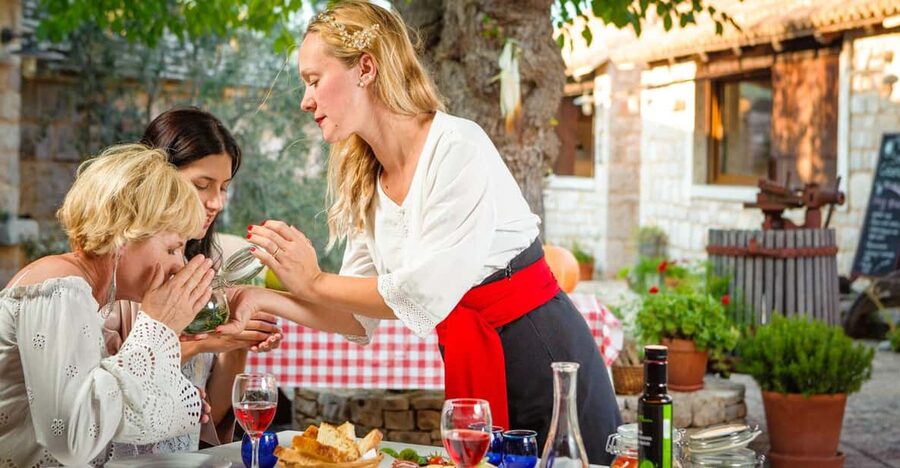
This experience starts right from the main road signs that lead you to Stella Croatica. Enter the main building and wait there for your host to arrive, because that’s when the guided portion begins.
Do a quick check before you go in: video recording is not allowed, and you should plan on no food and drinks during the visit. That keeps things focused, but it also means you might want to arrive with a clear plan for lunch after.
The Family Estate Tour: From Traditional Products to Essential Oils
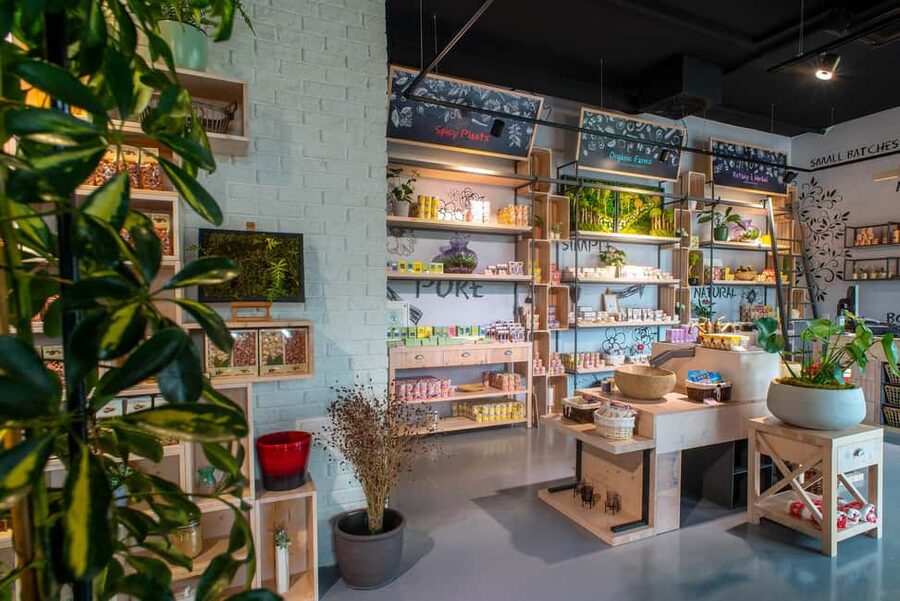
The tour flows like a living workshop, starting with what the estate makes and how it gets packed and prepared. You’ll witness how local ladies produce and pack traditional items made from figs, almonds, oranges, and lavender.
Then the tour shifts from food and pantry items to herbs and fragrance. You’ll learn how essential oils are extracted from typical Dalmatian herbs and used in the production of natural cosmetics.
This part matters because it connects olive oil to the broader “herbs and oils” culture of the region. You start seeing the same ingredient logic pop up across products, from kitchen sweets to skincare.
Walking the 500-Species Botanical Collection
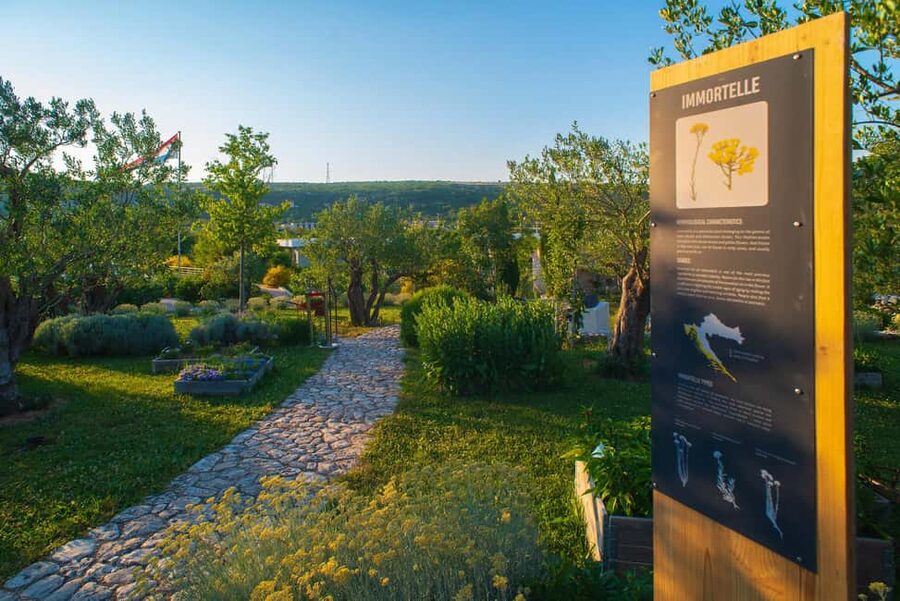
Next up is the botanical side of the property, with a collection said to include 500 species. You do not just glance at labels here. The guide points out what some plants can be used for, which turns a garden visit into practical knowledge.
Even if you’re not a plant person, I like the way this section supports the later olive oil lessons. It frames the whole estate as a place that understands ingredients, not just a museum stop.
If you’re visiting with kids, this is one of the easiest sections to enjoy because it gives them lots to look at and ask about. The tone is educational, but not heavy.
Inside the Olive Oil Museum: Croatia’s Liquid Gold Story
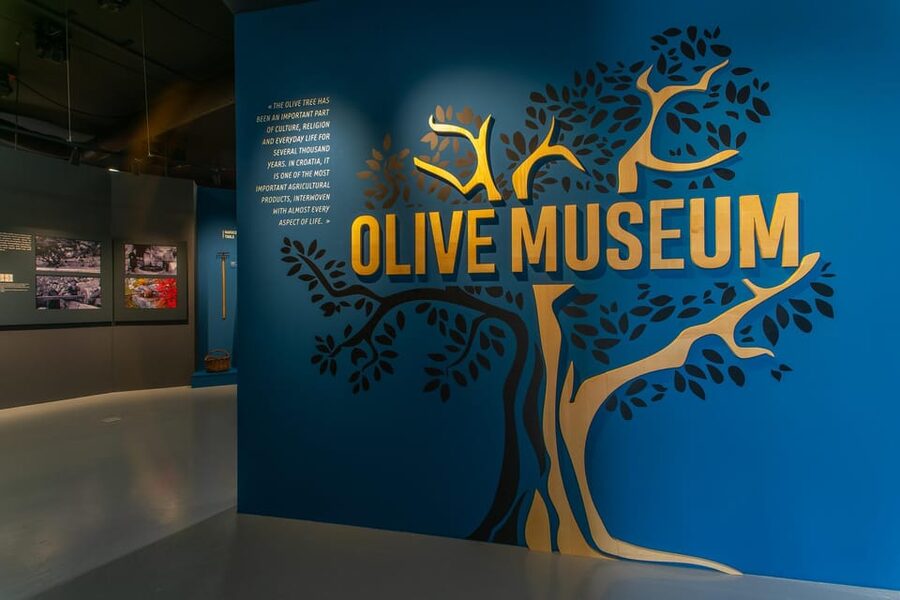
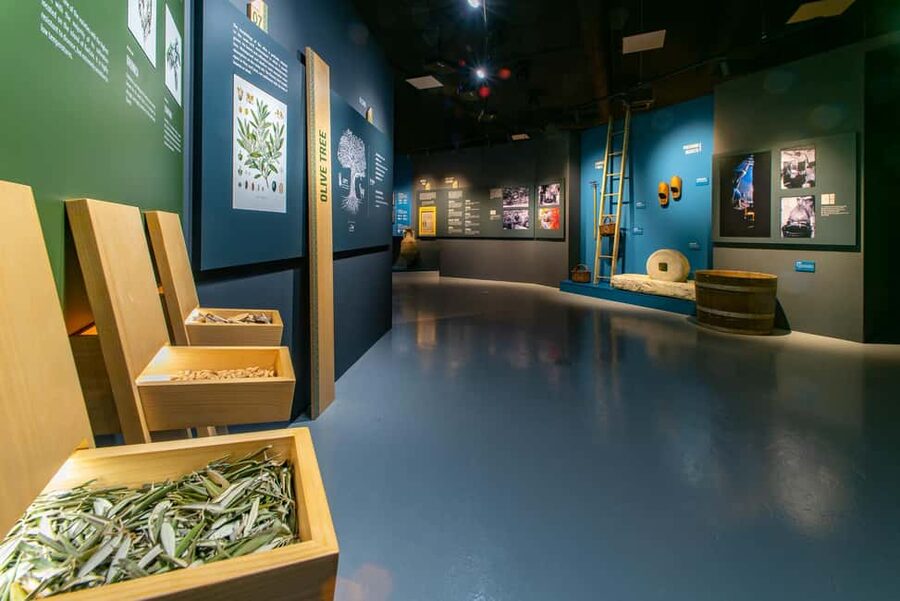
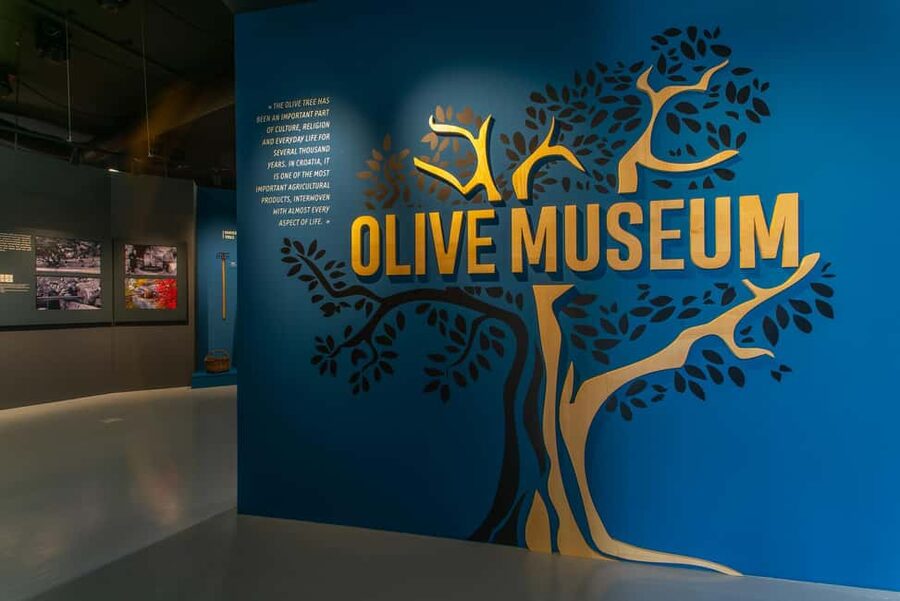
After the garden, you enter the Olive Oil Museum to learn about the role of olive oil in Croatia. The museum is tied to the idea of olive oil as the region’s Liquid Gold, and it includes a deeper look at how it grows and fits into local culture.
One strong credibility signal here is that the museum was a finalist for the European Museum of the Year Award 2023. You feel that intent in how the exhibits are organized and explained.
Still, keep expectations realistic. This isn’t an on-site olive grove. One balance point from a less enthusiastic viewpoint is that the museum can feel a bit more like an indoor education hub than an outdoors olive-field stroll.
Other truffle hunts and hill-town afternoons
- Split: Krka Waterfalls With Boat Cruise, Wine and Olive Oil
★ 4.3 · 1,507 reviews - Olive museum Klis with educational olive oil tasting
★ 4.5 · 50 reviews - Krka Waterfalls Tour with Wine and Olive Oil Tasting
★ 4.5 · 48 reviews
The Extra Virgin Olive Oil Tasting Workshop (This Is the Main Event)
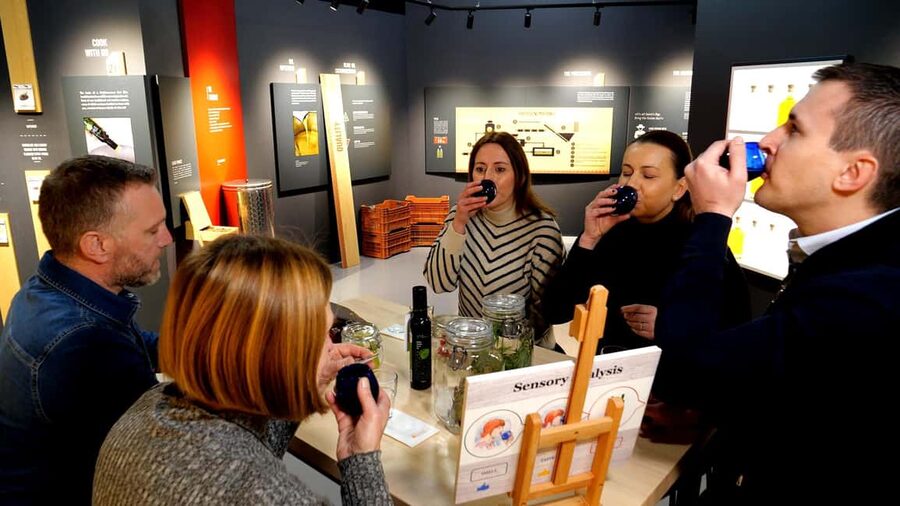
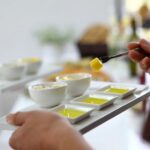
The tasting room is where the whole experience clicks. Your host educates you on how to recognize extra virgin olive oil through an interactive experience.
Then you taste two different olive oils, and both are labeled extra virgin. You’re not just swallowing oil and hoping for the best. The format teaches you how professional tasters approach the evaluation, using smell and taste as your main tools.
What I like about this approach is that it gives you a repeatable takeaway. Even if you buy nothing, you leave with a clearer sense of what signals better quality, because you’ve practiced noticing differences during the tasting.
If you’re a foodie, this is your moment to slow down. The best sessions feel like a mini lesson that turns into real confidence. Some guides run this part with extra energy, and the tasting can become the highlight, even for people who think they already know olive oil.
Sweets, Natural Cosmetics, and the Factory-Price Concept Store
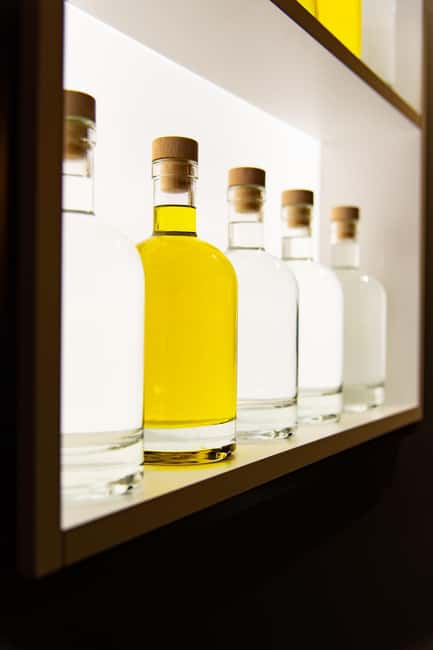
Between museum and tasting, you get small but meaningful additions. There’s a tasting of traditional sweets, plus you get to test natural cosmetics.
That cosmetics test is not random. It links back to what you learned earlier about essential oils extracted from Dalmatian herbs. It’s a good way to understand how ingredient knowledge turns into a product you can actually use.
Then there’s a concept store where you can try and buy handmade products. The chance to purchase under factory prices is a practical perk, especially if you want to take olive oil or related items home without paying full retail markups.
Free Time in the Park and Lunch Options After the Experience
Once the guided parts and tastings are done, you get free time to explore the park. You can also choose to have a traditional lunch after, though extra food and drinks are not included in the ticket price.
This is a smart structure for your day. The guided content gives you the lessons. The park time lets you reset, walk at your own pace, and decide how much shopping you want to do.
If the earlier museum section feels more indoor than you expected, use this open time to enjoy the outdoors part of the estate, including the herb garden area and the older buildings you can explore.
Price and Value: Is $18 Fair for What You Get?
At $18 per person, this is priced like an education workshop plus tastings, not like a half-day tour that includes transportation and a large meal. That’s good news for value seekers.
You get entry to Stella Croatica and the Olive Oil Museum, a guided tour, tasting of two different olive oils, traditional sweets, and a chance to test natural cosmetics. That combination is hard to replicate cheaply elsewhere, because it’s bundled into one visit with guided interpretation and structured tasting.
The main question is fit. If you want olive oil facts only, or you want to wander actual olive fields, this might feel too museum-and-workshop focused. But if you want skills you can use when shopping for extra virgin later, the tasting workshop is exactly where the value lands.
What to Expect on the Ground: Rules, Comfort, and Timing
There are a couple of practical rules to know before you arrive. Food and drinks are not allowed during the activity, and video recording is not permitted. Plan to rely on the included tastings, then handle lunch separately.
Because the experience includes museum time and indoor learning moments, wear shoes you’re comfortable with for walking inside and outside around the garden. The property includes both structured exhibits and garden areas, so you’ll likely move between different spaces.
The tour language is English, so you can expect the explanations and tasting guidance to be delivered clearly.
Who Should Book This Olive Museum and Tasting in Klis
I’d steer you toward this if you want more than sightseeing. This is built for people who like learning by taste and who enjoy short, structured workshops.
It also works well for families. One reason is that the museum and garden explanations can be kept clear, and the tasting format is hands-on enough that a curious kid can stay engaged.
Skip it or reconsider if your top priority is outdoor scenery with olive trees and fields right on the property. The experience is strong for education and product knowledge, not for a long nature walk among groves.
Also, if you’re very picky about guide style, know that one less enthusiastic viewpoint highlighted that a museum guide can feel dull. You still get the museum and tasting, but guide energy can affect how fun it feels.
Should You Book It?
Book this if you want a practical olive oil education, with a real tasting component and a guided museum visit that goes beyond basic facts. At $18, the package is easy to justify, especially because you leave with experience-based confidence about extra virgin quality and not just brochures.
Don’t book if you’re chasing a scenic olive-field stroll. This is more of a family-estate education day, combining botanical knowledge, an award-recognized museum, and an interactive tasting workshop.
FAQ
What is included in the Olive Museum and Olive Oil Tasting at Stella Croatica?
Your ticket includes entry to Stella Croatica and the Olive Oil Museum, a guided tour, tasting of two different olive oils, tasting of traditional sweets, and testing of natural cosmetics.
Do I taste olive oil during the experience?
Yes. You taste two different olive oils, and both are labeled extra virgin.
Is there a guided tour, or is it self-guided?
It includes a guided tour. Your host leads you through the estate, the Olive Oil Museum, and the tasting workshop.
What other tastings are included besides olive oil?
You’ll also have a tasting of traditional sweets as part of the included experience.
Can I bring and eat food or drinks at the site?
No. Food and drinks are not allowed during the activity.
Is video recording allowed?
No. Video recording is not allowed.
What language is the tour in?
The experience is offered in English.
Is there time to explore after the guided portion?
Yes. After the experience, you have free time to explore the park or have a traditional lunch.
How much does it cost?
The price is $18 per person.
What is the cancellation policy?
You can cancel up to 24 hours in advance for a full refund.
The Split Table, More of It

Truffles and Hill Towns
Fortress and Ruins Above Split




Freshly written up around Split


Istrian Truffle & Hill Town Tours, top to bottom.
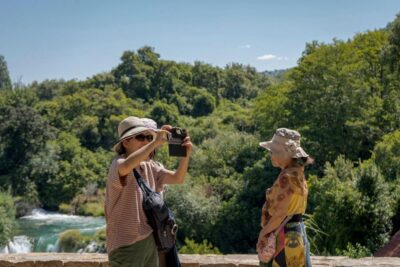 ★ 4.3Split: Krka Waterfalls With Boat Cruise, Wine and Olive OilFrom $231,507 reviews
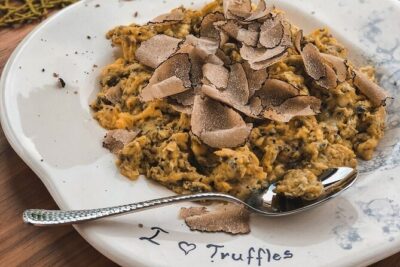 ★ 5.0Truffle hunting & cooking tourFrom $130257 reviews
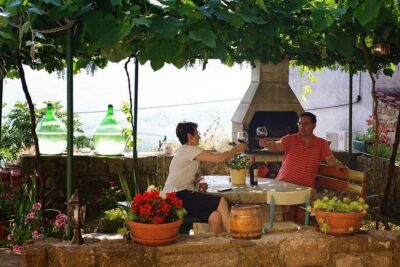 ★ 5.0Truffle hunting adventureFrom $49173 reviews
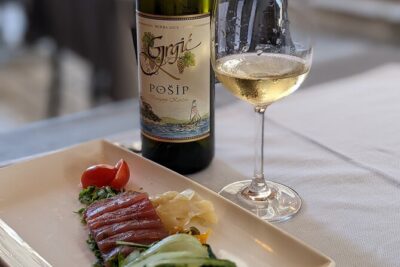 ★ 5.0Wine, food and olive oil by PhD studentFrom $205111 reviews
 ★ 4.9Paladini: Truffle Hunting Tour with 3-Course Tasting MenuFrom $127102 reviews
 ★ 4.8From Rovinj: Istria Day Tour to Poreč, Grožnjan & MotovunFrom $12877 reviews
 ★ 4.9Hvar: Island tour with Wine and Olive Oil TastingFrom $14177 reviews
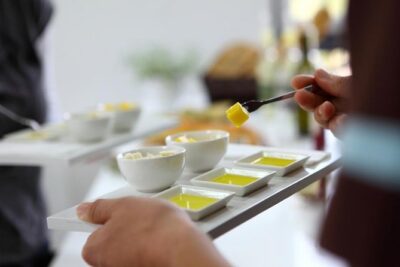 ★ 4.5Olive museum Klis with educational olive oil tastingFrom $1750 reviews
Browse the lists this tour appears in