
REVIEW · WALKING TOURS
A walk through life in communist Yugoslavia
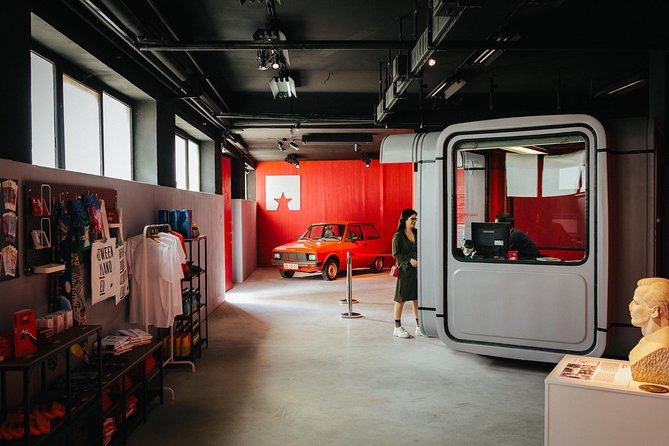
Communist Yugoslavia feels closer than you expect. In Dubrovnik, the Red History Museum turns 20th-century political life into hands-on room sets, artifacts, and interactive exhibits, all in a compact space (about 300 square meters). I especially like the way it mixes everyday objects with major political themes, and I also like that it frames the era’s story from beginning to end, not just one highlight.
One thing to consider: the museum is small and tightly packed, so if you’re hoping for the heaviest focus on the final years of the system breaking down, you might wish some of that ground were covered more. Still, with a time range of about 50 minutes to 1 hour 35 minutes, you should be able to pace yourself and spend time where you want.
In This Review
- Key things to know before you go
- Red History Museum in Dubrovnik, a 300 square meter time machine
- What you’ll see inside the room sets of everyday communist life
- Secret police, politics, and the logic of a watchful state
- Yugoslavia and the Non-Aligned story you may have never connected
- Using the interactive exhibits without rushing your brain
- Price and value for prepaid entry at $211
- Practical logistics that make the visit smoother
- Who this communist Yugoslavia museum experience is best for
- A balanced take: what might not work as well as you hope
- Should you book the Red History Museum experience?
- FAQ
- How long does the Red History Museum visit take?
- Does the price include admission to the museum?
- Will I get in on my chosen day?
- Where does the experience start and end?
- What ticket format do I get?
- Is there a limit on group size?
- Can I cancel for a full refund?
- Are service animals allowed?
- Is the museum easy to reach with public transportation?
Key things to know before you go
- Prebooked admission means you pick your day and avoid ticket-counter lines.
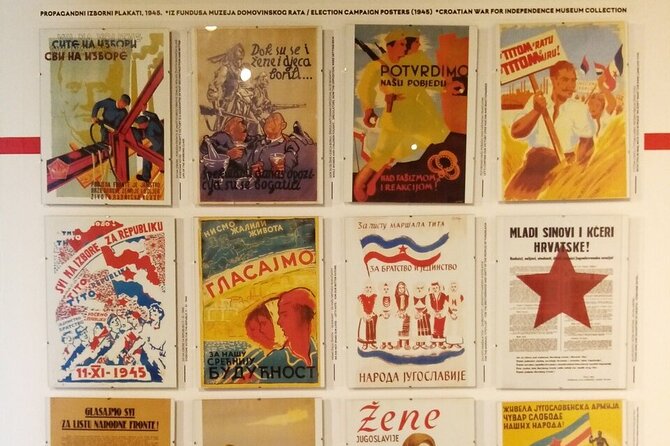
- Interactive room sets and everyday artifacts make totalitarian history feel tangible, not abstract.
- Secret police and political life are part of the exhibit storyline, not just background.
- Non-Aligned context shows how Yugoslavia positioned itself beyond two giant rivals.
- Compact museum size (about 300 square meters) helps you see a lot without burning your whole afternoon.
- Up to 200 people means it’s not a huge crowd by default, but plan for normal museum bustle.
More Dubrovnik covered at walking pace
- Dubrovnik: Old Town Walking Tour★ 4.8 · 5,174 reviews
- Dubrovnik Discovery Old Town Walking Tour★ 5.0 · 4,458 reviews
- Dubrovnik: Game of Thrones Walking Tour★ 5.0 · 1,732 reviews
- Dubrovnik Old Town History Walking Tour★ 5.0 · 1,684 reviews
Red History Museum in Dubrovnik, a 300 square meter time machine
If you like history that doesn’t just sit behind glass, this museum is a strong fit. The Red History Museum is built as a 300 square meter interactive experience, so you’re not wandering forever. You get a focused walk through communist Yugoslavia as lived, worked, and watched.
The layout matters for your visit. In a compact space, you tend to move faster between themes, and you get momentum. It also means you can choose how deep you go. Spend more time on the details that catch your eye, then zoom past the parts that don’t.
You’ll also appreciate the practical side: your admission is prepaid, so you’re not stuck doing ticket errands when you could be reading labels and absorbing the room scenes.
What you’ll see inside the room sets of everyday communist life
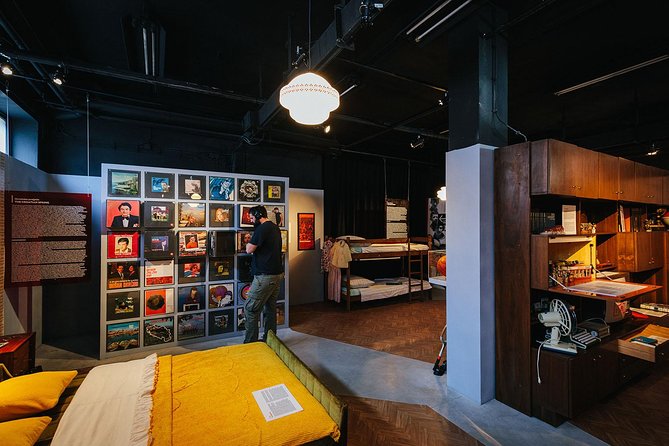
The museum’s core strength is that it treats daily life as the main character. Instead of only talking about laws and leaders, the exhibit puts you in a time-capsule-style world, with room sets and display items that point to how people experienced the system around them.
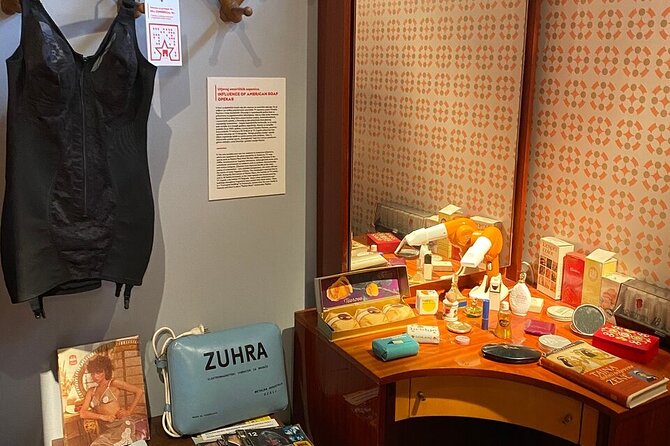
Expect to see a mix of 20th-century artifacts and everyday objects, along with design, art, and visual culture from the period. That matters because totalitarianism is not only political. It’s how spaces look, how people present themselves, what’s normal in a home or public setting, and what you learn to keep quiet about.
The interactive element helps you stay switched on. The museum isn’t just a single corridor of text panels. You move through scenes that aim to make the era feel lived-in, like a story you can walk through one room at a time.
A nice bonus is that the museum is designed to cover the era as a full arc, “beginning to end,” so you’re not left with a bunch of disconnected facts. Even if you only catch part of the timeline, the overall structure gives you a framework.
Secret police, politics, and the logic of a watchful state
One reason this museum lands hard is that it doesn’t shy away from the mechanisms of control. You’ll run into topics tied to secret agencies and the secret police, along with the broader workings of a totalitarian society.
For me, that’s where the interactivity earns its keep. When a museum merely labels a concept, it stays theoretical. When the museum connects that concept to how everyday life changes under scrutiny, you start to understand the emotional weight of the system, not just the historical outline.
You’ll also see politics presented alongside culture and design. That combination is useful for you because it helps you notice patterns. In systems like this, political messaging is not separate from art and communication. It sits inside what you see, hear, and talk about.
If you’re the type who normally reads history like a list of events, this exhibit nudges you toward cause and effect. It shows how power operates in small daily moments, not only at official ceremonies.
Yugoslavia and the Non-Aligned story you may have never connected
A surprising angle here is how the museum frames Yugoslavia in the Non-Aligned movement. That’s a big deal if your mental picture of Cold War politics is only two sides and a lot of silence.
The museum links local life with international positioning, so you can understand why Yugoslavia’s communist experience wasn’t identical to every other example you might have studied elsewhere. You’re not just learning what the system said internally. You’re also seeing how it tried to operate externally.
For readers who want more than a “then and there” account, this is one of the most practical benefits. It helps you place the country in a larger world without turning the museum into a political science lecture.
- Blue Cave Small-Group Boat Tour from Dubrovnik
★ 5.0 · 9,360 reviews - Full-Day Dubrovnik Elaphite Islands Cruise with Lunch and Drinks
★ 5.0 · 8,823 reviews - Dubrovnik: Epic Game of Thrones Tour + Lokrum & Saver Option
★ 4.9 · 5,995 reviews - Dubrovnik: Elaphiti Islands Full-Day Cruise with Lunch
★ 5.0 · 5,938 reviews - Dubrovnik: Old Town Walking Tour
★ 4.8 · 5,174 reviews
Using the interactive exhibits without rushing your brain
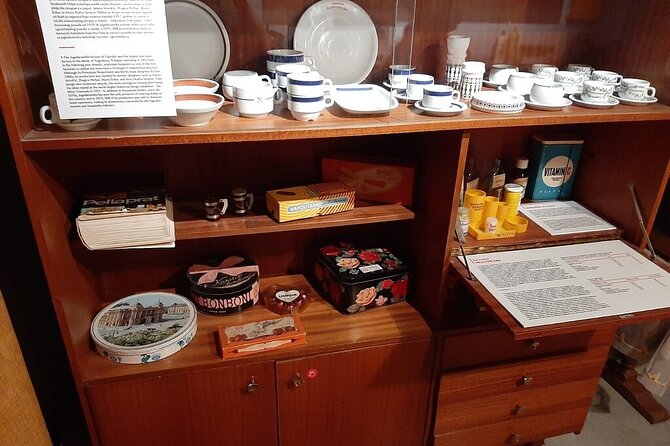
This is the kind of museum where pacing is everything. Your time window is about 50 minutes to 1 hour 35 minutes, depending on how quickly you read and how long you linger in the room sets. If you rush, you’ll still get the story. But you’ll miss the small details that make the exhibit memorable.
Here’s how I’d plan it in Dubrovnik. Give yourself enough time that you are not racing to your next ticketed activity. Even in a compact museum, you’ll likely slow down when you hit the most intense themes like secret policing and party oversight.
Also, since you’re dealing with interactive elements and staged rooms, it helps to take breaks between themes. Do not try to absorb everything in one continuous sprint. Let yourself reset, then return with fresh attention.
And if you love historical details, you’ll have a lot to chew on. Art and design from the era aren’t just decorative. They’re clues about how the system wanted people to see themselves and their world.
Price and value for prepaid entry at $211
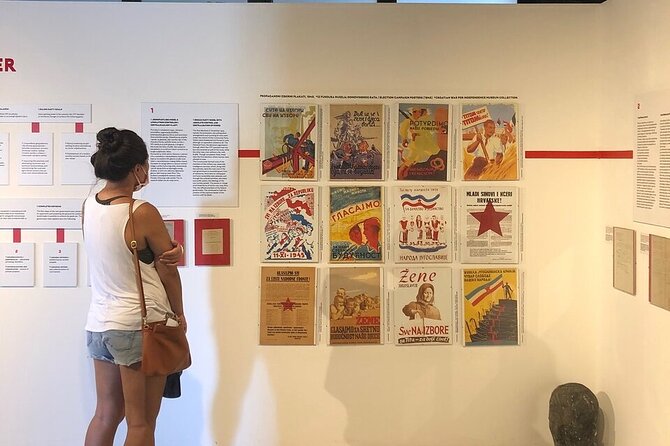
Let’s talk about money honestly. At $211, prepaid entry to a 50-minute to 1 hour 35-minute museum visit can feel steep at first glance. The key question is what you’re buying.
You are buying guaranteed access on your chosen day, plus the experience of an interactive, room-set style museum focused on communist Yugoslavia. That’s not just a standard ticket. The museum is built to be experienced, with a packed layout and a heavy emphasis on everyday life rather than only documents.
Does $211 buy you a long tour? Not really. This is not a half-day excursion. But it does buy you a concentrated slice of a topic that is often treated shallowly in other places.
If you’re deciding between skipping it and taking it, think about your learning style. If you enjoy history when it’s tied to objects, spaces, and realistic scenes, you’ll likely feel the value quickly. If you only want big outdoor sights or broad, effortless sightseeing, you may feel the price less justified.
Practical logistics that make the visit smoother
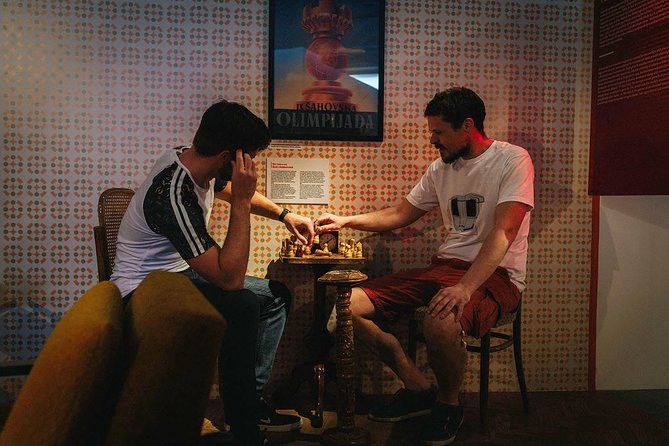
This experience uses a mobile ticket, which is great for keeping your day simple. You start at the Red History Museum at Ul. Svetog Križa 3, 20000, Dubrovnik, Croatia, and it ends back at the meeting point.
Location matters in Dubrovnik. A museum entry that’s close to public transportation is easier to fit in, especially if you’re juggling walking distances around the Old Town area. Also, the museum allows service animals, so you won’t have to worry about that aspect if it applies to you.
The group size cap is up to 200 travelers, which typically helps avoid the feeling of being swallowed by crowds. Still, it’s a museum, so normal foot traffic is worth assuming. Plan a calmer time slot if you prefer slower reading.
Who this communist Yugoslavia museum experience is best for
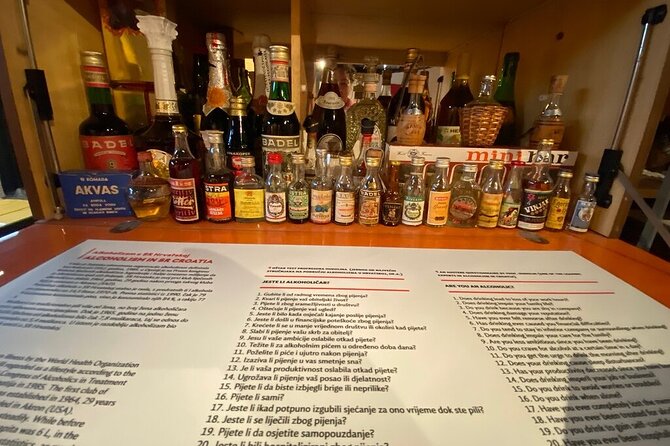
This museum is a good match if you want more than slogans. I think it works especially well for:
- History-minded visitors who like everyday details, not only political headlines
- People curious about how the system shaped daily life, including surveillance and the secret police
- Anyone interested in the Non-Aligned angle, and how Yugoslavia fit into Cold War politics
It’s also a solid option for Dubrovnik visitors who feel history is everywhere here, but want something different than fortresses and city walls. This is a different slice of the region’s story, focused on what life looked like under communist rule.
If you’re traveling with a group, check your vibe. This is not a fast, casual stop. It asks you to pay attention to themes that can feel heavy. But the interactive format keeps it from becoming one long wall of text.
A balanced take: what might not work as well as you hope
I’ll be straight with you. Because the museum is compact and paced as an interactive walkthrough, you may feel the exhibits are selective. One concern is that some visitors wish the final years, when the system began to break down, were displayed with more weight.
If that topic is your main goal, you can still enjoy the museum for the rest of the story, but mentally plan to accept a limited focus. If, on the other hand, you want a “whole era in one visit” overview, the structure is more likely to satisfy you.
Also, at $211, you’ll feel better if you’re sure you’re into the subject. This isn’t the kind of purchase you make randomly in between beach stops.
Should you book the Red History Museum experience?
I’d book it if you want an interactive, object-based look at communist Yugoslavia that goes beyond politics and into daily life, including secret policing and party oversight themes. The museum’s room sets, interactive design, and focus on everyday items are exactly the combo that helps history stick.
Skip or reconsider if you only want long outdoor sightseeing time, or if you are specifically chasing a deeper, extended look at the very end of the system. In that case, you might prefer another format that spends more time on the collapse period.
If you do book, go in with a simple plan: give yourself up to about 1 hour 15 minutes or so if you want a comfortable reading pace, then adjust shorter or longer depending on your interest in the politics and everyday-life scenes.
FAQ
How long does the Red History Museum visit take?
The experience typically runs from about 50 minutes to 1 hour 35 minutes, depending on your pace.
Does the price include admission to the museum?
Yes. Admission to the Red History Museum is included.
Will I get in on my chosen day?
Yes. Prebooked admission helps guarantee entry on your selected day and helps you avoid ticket-counter lines.
Where does the experience start and end?
It starts at Red History Museum, Ul. Svetog Križa 3, 20000, Dubrovnik, Croatia and ends back at the meeting point.
What ticket format do I get?
You receive a mobile ticket.
Is there a limit on group size?
Yes. The experience has a maximum capacity of 200 travelers.
Can I cancel for a full refund?
Yes, free cancellation is available. You must cancel at least 24 hours before the experience’s start time for a full refund.
Are service animals allowed?
Yes, service animals are allowed.
Is the museum easy to reach with public transportation?
It is near public transportation.
Walk It: More of Dubrovnik at Ground Level



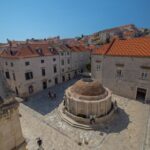

Freshly written up around Dubrovnik


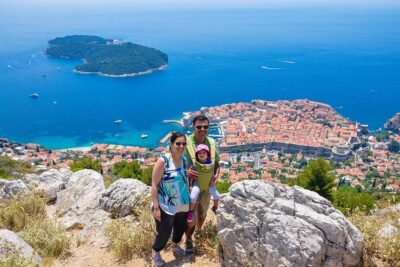



Walking Tours, top to bottom.
 ★ 4.8Dubrovnik: Old Town Walking TourFrom $235,174 reviews
 ★ 4.9Split: Old Town and Diocletian Palace Walking TourFrom $174,727 reviews
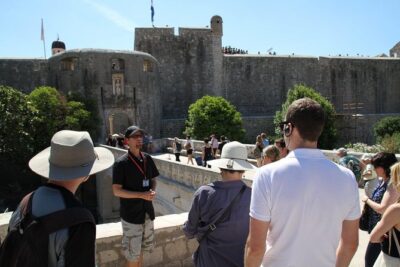 ★ 5.0Dubrovnik Discovery Old Town Walking TourFrom $244,458 reviews
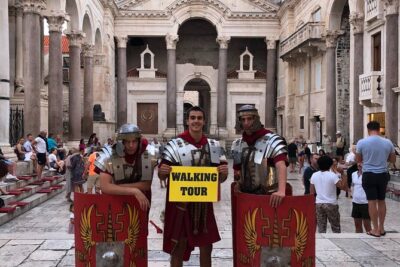 ★ 5.0Walking Tour of Split and Diocletian’s PalaceFrom $482,588 reviews
 ★ 5.0Dubrovnik: Game of Thrones Walking TourFrom $301,732 reviews
 ★ 5.0Dubrovnik Old Town History Walking TourFrom $241,684 reviews
 ★ 5.0Krka Waterfalls tour with Trogir Walking tour and Krka panoramic boat cruiseFrom $481,659 reviews
 ★ 4.8Dubrovnik: City Walls Early Morning or Sunset Walking TourFrom $291,523 reviews
Browse the lists this tour appears in