
REVIEW · CROATIAN WINE ROADS & VINEYARD VISITS
Educational wine tasting in Split
Croatia pours a story in just one hour. This wine tasting in Split pairs Croatian wines with cheeses and charcuterie while an English-speaking guide walks you through what you are tasting and why it changes from bottle to bottle. You meet at Trg Gaje Bulata 6 and the session ends right back where it starts, so you keep your evening easy.
Two things I really like: the focus on Croatian wine regions and how taste is shaped by grapes, time, and even weather. And the food pairing is not an afterthought, you get a proper mix of local cheese, prosciutto with sun-dried tomatoes, olives, and tapenade, all set up to make the wines easier to understand.
One possible drawback to think about: it is about 1 hour, so it is not a long, slow dinner experience. If you want a two-hour wine crawl with lots of hanging around, this may feel a bit tight.
In This Review
- Key highlights that make this tasting worth your time
- Meeting at Trg Gaje Bulata 6, and why the location matters
- How the tasting runs in English, from first pour to pairing talk
- The wines themselves: what you are actually tasting and comparing
- The cheese, prosciutto, olives, and tapenade pairing plan
- What you learn: tasting technique and regional thinking
- Group size, timing, and how to make the hour work for your evening
- Price and value: why $57.93 can be fair in Split
- Who should book this wine tasting, and who might skip it
- A quick checklist before you go
- Should you book Split&Sip in Split?
- FAQ
- How long is the wine tasting in Split?
- Is the experience offered in English?
- Where does the tour start and end?
- How many people are in the group?
- What food is included?
- Is there free cancellation?
Key highlights that make this tasting worth your time
- Small group feel (max 18 people): you get room for questions and quick back-and-forth.
- English instruction: clear pacing and pairing tips without needing wine vocabulary homework.
- Croatian wines plus real pairings: cheese, prosciutto, olives, and tapenade are built to work with the pours.
- What you learn sticks: you compare flavors and pick up tasting technique, not just random facts.
- Flexible hosts you might meet: guides such as Sven or Kristina bring an upbeat, friendly tone in the room.
Other cellar visits and tastings around Split
- From Split: Krka Waterfalls, Food & Wine Tasting Tour★ 5.0 · 9,326 reviews
- From Split: Krka Waterfalls, Food & Wine Tasting Tour★ 4.9 · 6,598 reviews
- Krka National Park Tour with tour Guide & Wine tasting from Split & Trogir★ 5.0 · 1,625 reviews
- Split: Krka Waterfalls With Boat Cruise, Wine and Olive Oil★ 4.3 · 1,507 reviews
Meeting at Trg Gaje Bulata 6, and why the location matters
Your evening starts at Trg Gaje Bulata 6 in Split. This is a practical meet-up point because it is close to public transportation, so you do not need to plan your entire day around a taxi. The tour also finishes back at the same spot, which is handy when you want to keep moving through the old town without worrying about last-call logistics.
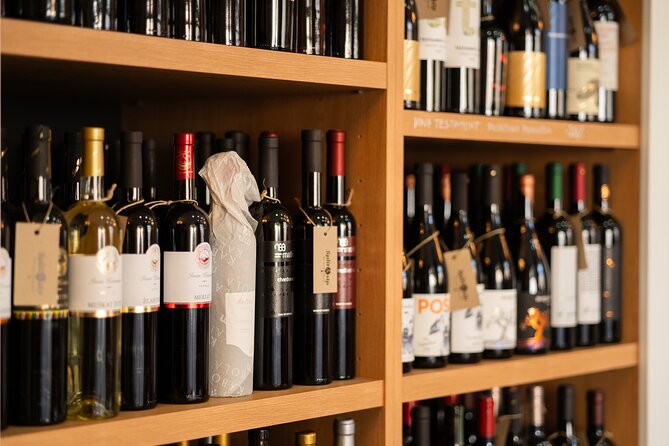
Also, the setting tends to feel like a real local stop rather than a big production. One of the charms here is that you are tasting in a shop environment where the guide can talk through the wines and pairings without you feeling like you are standing in a hallway.
Keep in mind it lasts about an hour, so arrive a few minutes early, take a breath, and settle in. You will get more out of the explanations when your brain is not sprinting.
How the tasting runs in English, from first pour to pairing talk
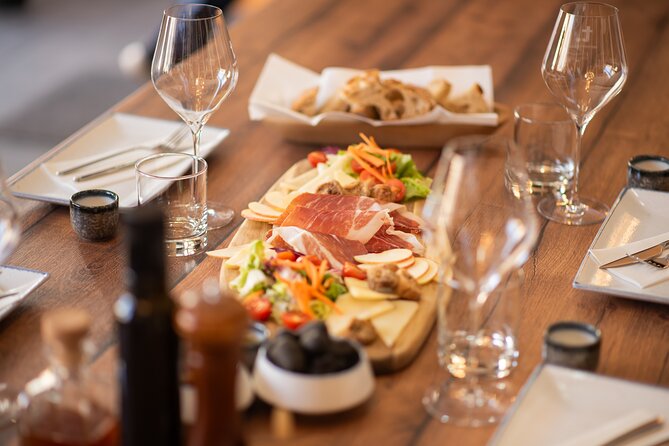
The experience is offered in English, and the format is simple: sip, listen, taste again, and connect flavors to what the guide is explaining. The group cap is 18 people, which helps keep the energy from turning into a lecture where you only hear every third sentence.
Most people can join, and service animals are allowed. That matters because wine tastings can sometimes get fussy about space, but here it is set up to be straightforward and welcoming.
What makes this kind of session work is pacing. You are not just handed glasses. You get guided tasting technique, so you learn how to think about aroma and taste in a way that makes the next sip easier to decode. If you have never cared about tasting notes before, this is still a good place to start. If you already know your reds and whites, you will still pick up a better way to compare what is in your glass.
The wines themselves: what you are actually tasting and comparing
This is an educational wine tasting built around Croatian wine. The guide introduces a selection of hand-picked bottles from across the region, with the goal of showing how grapes and growing conditions translate into taste.
From the way the tasting is described, you can expect to compare multiple wines, not just one safe choice. In some sessions, you may get about three glasses. In others, the flow can include up to six different wines, with generous pours. Either way, the idea is comparison. You taste, you notice differences, and you learn what to look for next time you see a label.
One of the most useful lessons is learning how factors like grapes, time, and weather can shift flavor. That sounds abstract until you put it next to another pour. Suddenly you are not just judging if something tastes good. You are learning what might have caused the difference, which is exactly what makes wine more fun when you are traveling.
Practical tip: if you want the full benefit, take a small moment between wines to clear your palate and reset your attention. The food helps, but your brain needs a second to notice changes.
The cheese, prosciutto, olives, and tapenade pairing plan
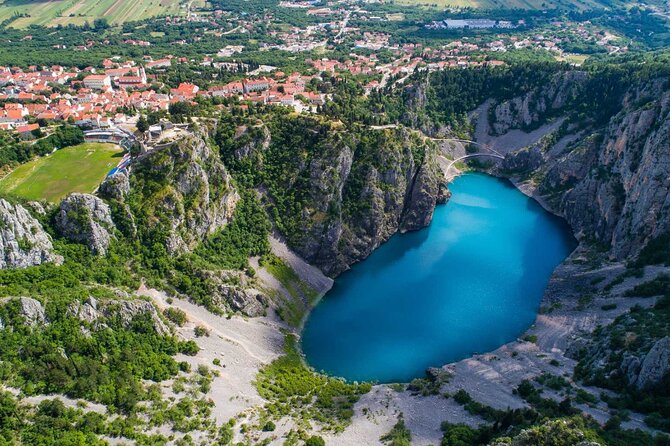
Food is not a random plate here. The tasting includes snacks and a fine selection of local cheeses, plus prosciutto served with sun-dried tomatoes and olives. You may also see tapenade as part of the mix.
The pairing logic is simple and very travel-friendly: salty, fatty, and tangy foods give you anchors. Local cheese helps you understand texture and milkiness. Prosciutto and cured flavors bring in salt and depth. Olives and tapenade add briny and herbal notes that can pull certain aromas forward in the glass.
You will likely get suggestions on how to pair specific flavors, such as combining cheese with something sweet like fig jam to make a white wine feel more expressive. That kind of pairing advice is gold because it teaches you how to build your own plates later.
What I like about this setup for value is that you are not paying only for drinks. You are getting a full mini food experience that supports the tasting, so your body stays happy even if you are a novice.
A few more glasses poured around Split
- From Split: Krka Waterfalls, Food & Wine Tasting Tour
★ 5.0 · 9,326 reviews - From Split: Krka Waterfalls, Food & Wine Tasting Tour
★ 4.9 · 6,598 reviews - Krka National Park Tour with tour Guide & Wine tasting from Split & Trogir
★ 5.0 · 1,625 reviews - Split: Krka Waterfalls With Boat Cruise, Wine and Olive Oil
★ 4.3 · 1,507 reviews - Split/Trogir: Krka National Park Day Trip with Wine Tasting
★ 4.7 · 925 reviews
What you learn: tasting technique and regional thinking
The best part of this kind of wine lesson is that it teaches you a new habit: tasting with purpose. The guide talks you through wine tasting technique and then applies it directly to what is in your glass.
You also get context about Croatian wine production and how regions influence flavor. The best moments are the ones where you hear about soil types and how the land affects what ends up in the bottle. Even if you do not remember every detail, you leave with a mental model that helps you decode labels later.
A recurring theme in the experience is the guide’s personality. Hosts such as Sven and Kristina are described as passionate, friendly, and focused on making the experience feel relaxed. That matters because wine can feel intimidating. When the guide keeps the tone easy and the pacing calm, you actually learn, instead of just nodding along.
If you are the type who likes to understand culture through food and drink, this is a strong match. You get history and craft elements, but they are always tied back to something you can taste right now.
Group size, timing, and how to make the hour work for your evening
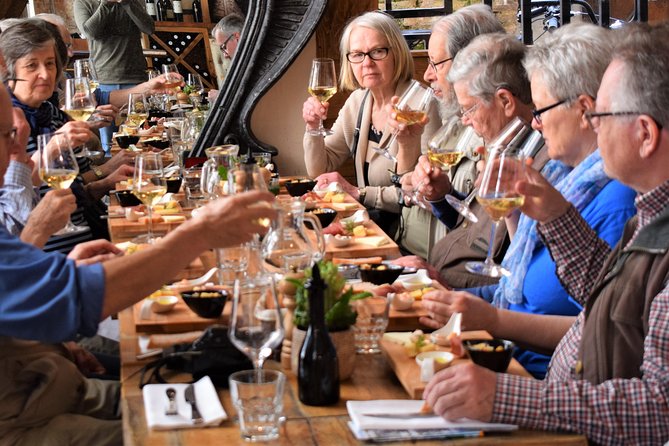
Duration is about 1 hour. That is the sweet spot for many visitors: long enough to learn, short enough to keep the rest of your day intact. It also means you can fit this into a first evening in Split, when you want an activity that does not require a full schedule block.
Because the session can run with generous pours and sometimes a slightly extended pace, plan around it. Give yourself space to enjoy it without having to rush to a reservation. You do not want your next stop to be a sprint.
Group size matters too. With a maximum of 18 people, you get a social vibe, but it still stays under control. You can ask questions. You can get clarifications. You do not get stuck in the back row with zero chance to interact.
Also, since it ends where it starts, you avoid the most annoying travel hassle after wine: figuring out where your group is headed and how you will get back to your next neighborhood.
Price and value: why $57.93 can be fair in Split
At $57.93 per person, you might wonder if this is a tourist trap. It probably feels fair because of what you receive within the short time.
You are paying for:
- an English-led guided tasting
- Croatian wine pours
- snacks and pairings, including local cheeses and charcuterie
- a format with a small group cap
In other words, you are not just buying drinks. You are buying instruction and a guided food pairing that helps you taste with more confidence. If you are new to Croatian wines, this is a high-leverage experience because it teaches you what to look for when you browse a bottle shop later.
And if you are already a wine lover, this can save time. Instead of randomly sampling bottles that might not match your taste, you learn a framework for picking what will likely work for you.
The real value test is this: do you want to understand what you are tasting? If yes, this price makes sense. If you only want to drink without paying attention, you might get more satisfaction doing something cheaper.
Who should book this wine tasting, and who might skip it
This is a great fit if you:
- want Croatian wine education without reading a book first
- enjoy food pairings and want local cheeses and cured meats included
- like a friendly, relaxed setting where you can ask questions
- are visiting Split for a short time and want one quality activity that fits into your evening
You might consider skipping if:
- you are looking for a long, multi-hour night out with no structure
- you prefer tastings where you can wander freely and taste at your own pace
- you are not interested in learning anything and only want casual drinking
One smart strategy: if this is your first evening in Split, schedule it early enough that your brain is still fresh. The learning helps you make better choices the next day when you are ordering in restaurants or shopping for bottles.
A quick checklist before you go
This is a wine tasting, so a few small choices make it more enjoyable.
- Wear comfortable clothes. You will be standing or sitting informally depending on the shop setup.
- Plan for an hour with food included, so you do not need a big dinner immediately beforehand.
- If you have questions about tasting technique, bring them in your head before you arrive. The hour moves fast.
And bring curiosity. The guide’s job is to connect what is in your glass to the story behind it, so your attention is the main ingredient you supply.
Should you book Split&Sip in Split?
I think it is an easy yes for most people who enjoy wine and food, especially if you want a focused experience in a small group. The format is tight, the pairing plan is real, and the instruction is delivered in a friendly, approachable way by hosts like Sven or Kristina.
Book it if you want to leave Split with a clearer sense of Croatian wine beyond first impressions. Skip it if you want something looser or longer. Either way, this tasting is a strong use of time in an hour, and it gives you something practical you can carry with you when you browse bottles later.
FAQ
How long is the wine tasting in Split?
It lasts about 1 hour.
Is the experience offered in English?
Yes, the tour is offered in English.
Where does the tour start and end?
The meeting point is Trg Gaje Bulata 6, 21000, Split, Croatia, and the activity ends back at the meeting point.
How many people are in the group?
The experience has a maximum of 18 travelers.
What food is included?
The starter includes snacks with a local selection of cheeses, local prosciutto, sun-dried tomatoes and olives, and various tapenade.
Is there free cancellation?
Yes. You can cancel for a full refund up to 24 hours in advance of the experience start time.
The Split Table, More of It
Split By the Glass
Cellars and Vineyards Near Split
Freshly written up around Split

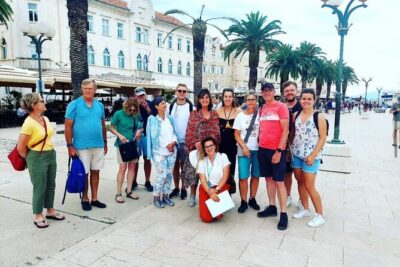
Croatian Wine Roads & Vineyard Visits, top to bottom.
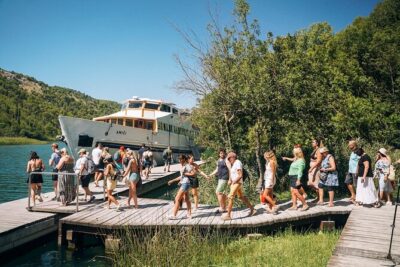 ★ 5.0From Split: Krka Waterfalls, Food & Wine Tasting TourFrom $459,326 reviews
★ 4.9From Split: Krka Waterfalls, Food & Wine Tasting TourFrom $446,598 reviews
★ 5.0From Split: Krka Waterfalls, Food & Wine Tasting TourFrom $459,326 reviews
★ 4.9From Split: Krka Waterfalls, Food & Wine Tasting TourFrom $446,598 reviews
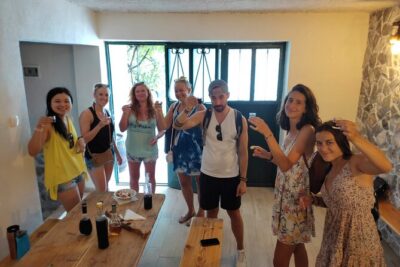 ★ 5.0Krka National Park Tour with tour Guide & Wine tasting from Split & TrogirFrom $501,625 reviews
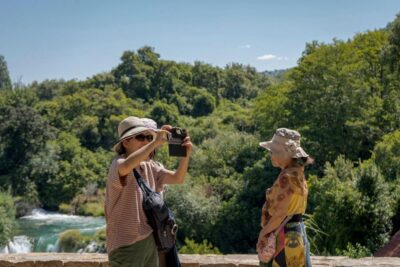 ★ 4.3Split: Krka Waterfalls With Boat Cruise, Wine and Olive OilFrom $231,507 reviews
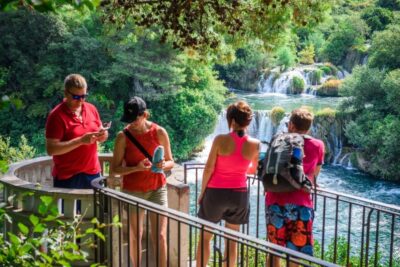 ★ 4.7Split/Trogir: Krka National Park Day Trip with Wine TastingFrom $49925 reviews
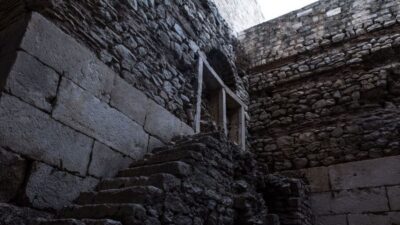 ★ 4.8Split: Game of Thrones Tour with Diocletian’s Palace CellarFrom $41545 reviews
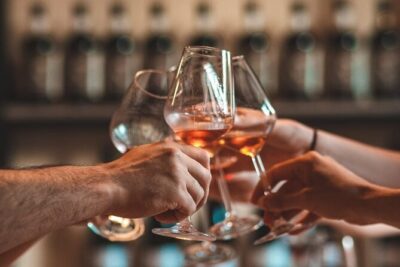 ★ 5.0Krka Waterfalls, Food & Wine Tasting, Boat Ride & Zadar Old TownFrom $52420 reviews
 ★ 5.0Private Full-Day Krka Waterfalls Tour with Wine TastingFrom $665263 reviews
Browse the lists this tour appears in