
REVIEW · HVAR & PAKLENI ISLANDS BOAT TRIPS
Hvar: Wine Lovers Tour to 3 Wineries with Local Tastings
Wine tastes, but the ride is the story. This guided Hvar wine day pairs the island’s indigenous grape culture with practical sightseeing stops, so you understand what you are drinking and why it matters. You also get transportation handled, which makes it feel easy instead of stressful.
I really like the structure: you are promised 4 to 5 tastings across 3 wineries, plus local appetizers that keep the day from becoming just sip, swallow, repeat. In one run, guide Dinko set the scene with what is changing on Hvar, including issues with non-native pine trees and the decline of lavender cultivation, then the tastings were hosted by Marijo and later Emily at the final winery.
One possible drawback: the exact lineup of wineries can change depending on availability, so you might not taste every single named producer listed for this tour.
In This Review
- Key Highlights You Will Care About
- Why Hvar Wine Tastes Different From the Rest of Croatia
- The Drive With Dinko: Island Stories That Make the Wine Click
- Sveta Nedjelja Stop: Plenković, the Underwater Cellar, and a Very Specific Flex
- Jelsa Tasting Ground: Prošek, Indigenous Grapes, and Two Generations of Winemaking
- Vrisnik and Ventus: Boutique Wines Named for the Wind
- Vrban and Plančić: Tradition Since 1919 and Ecologically Protected Area Pride
- Vrboska and Carić: Vineyard Size, Designated Growing Area, and Producing Your Own Wines
- How the Tastings and Appetizers Actually Help You Learn
- Price and Value: Is $259 Worth Your Time?
- Who This Tour Fits Best on Hvar
- Should You Book This Hvar Wine Lovers Tour?
- FAQ
- How many wineries does the tour visit?
- How many wines will I taste?
- Do the tastings include food?
- Which wineries are included?
- Is transportation included?
- What language is the tour conducted in?
- What should I bring?
- What is the minimum number of people needed for the tour to run?
- Can I reserve now and pay later?
Key Highlights You Will Care About
- Indigenous grape focus on Hvar, not just generic tourist wine
- Dinko and other English-speaking guides bring local context along the drive
- Up to 3 winery visits chosen from several respected Hvar producers
- Tastings with local appetizers/snacks, so you learn with your taste buds
- Standout producer experiences, including an underwater cellar
More Hvar crossings and Pakleni anchorages
- From Hvar: Blue Cave and 5 Islands Boat Tour★ 4.3 · 159 reviews
- Hvar: Blue and Green Caves Boat Tour with Stiniva Beach★ 4.5 · 50 reviews
- From Split: Blue Cave and Hvar Guided Tour by Luxury Boat★ 4.4 · 32 reviews
- Hvar: Wine Lovers Tour to 3 Wineries with Local Tastings★ 5.0 · 11 reviews
Why Hvar Wine Tastes Different From the Rest of Croatia
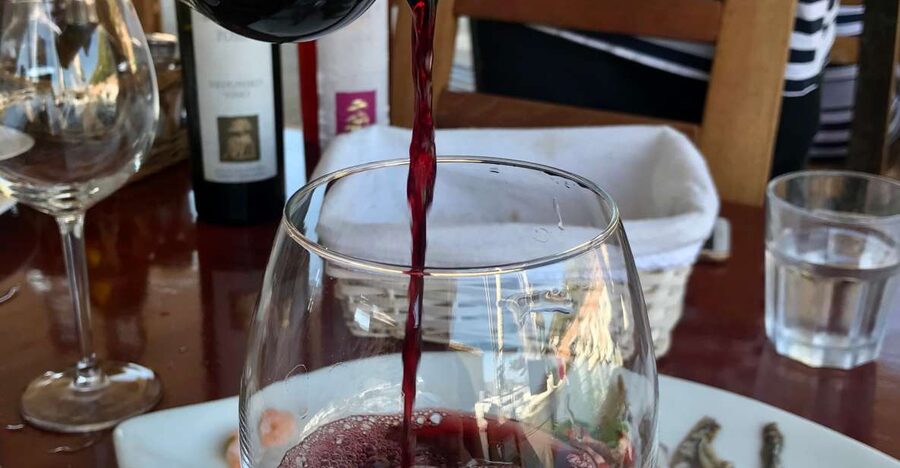
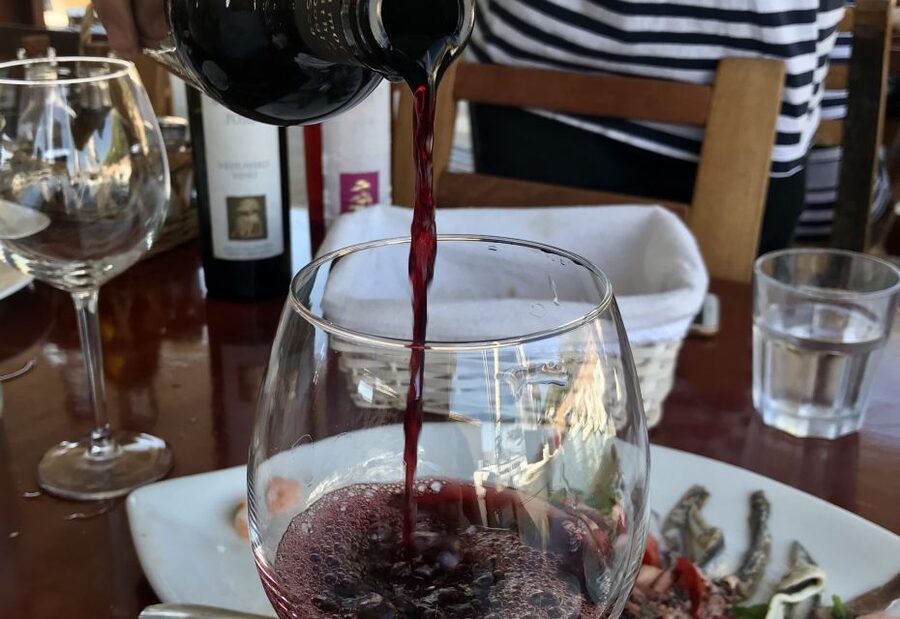
Hvar’s wine scene is built around place. The island has its own native grape varieties, and this tour leans into that, instead of treating wine like something you can copy and paste. You get to compare styles that reflect coastal growing conditions, older traditions, and newer experiments.
What makes this experience valuable is that you do not just taste a flight. You learn the logic behind it. When your guide talks through why certain grapes thrive on Hvar, and why some local cultivation practices are under pressure, the tastings start to make sense fast. You end the day with a clearer idea of what makes Hvar wine Hvar wine.
And because you visit wineries across different towns, the day feels like a mini geography lesson. You see the rhythm of local life where vineyards fit into hillsides and coastal communities, which is exactly what helps you understand the flavors you are picking up in the glass.
The Drive With Dinko: Island Stories That Make the Wine Click
The biggest reason people book a guided wine tour on Hvar is not only the wine. It is the story. On at least one English-language tour run, Dinko led the experience and brought local agricultural context into the conversation, including the impact of non-native pine trees and the near disappearance of lavender cultivation. He also pointed out how population trends are shifting.
That kind of context matters. If all you do is taste, you might enjoy the wines but still miss the point. With this tour format, your guide connects agriculture, land use, and wine decisions. Then when you taste something like Prošek, or a less common indigenous blend, you have a reason for why it tastes the way it does.
Along the way, there can also be quick highlights that are more scenic than wine-specific. One guide route included the area known as Little Venice, plus a view over the Stari Grad plain from an old road. You should not assume every outing includes the exact same sights, but the tour does have room for those “wait, that is beautiful” moments.
Sveta Nedjelja Stop: Plenković, the Underwater Cellar, and a Very Specific Flex
One of the most distinctive winery options on this tour is Plenković in Sveta Nedjelja. This stop is not just about tasting bottles. It is about tasting history with a twist. The Plenković family formed their horticulturist company in the early 1980s, and the winery is described as having Croatia’s only Grand Cru. You also get the kind of story that only Hvar can supply: an underwater wine cellar that overlooks the bottom of the sea.
So what should you listen for during this visit? Focus on how the cellar setup affects the wines and why that environment is part of the producer identity. Even if you are not a technical wine person, the experience makes the wine feel anchored to the island’s physical reality.
Practical tip: this is one of those locations where a camera helps. You want to capture the setting, because the underwater cellar is the kind of detail you will forget the moment you get back to your hotel unless you have a reminder.
Also remember, this is one of three winery choices. You might not get Plenković on every tour run, since the exact stops depend on availability.
Jelsa Tasting Ground: Prošek, Indigenous Grapes, and Two Generations of Winemaking
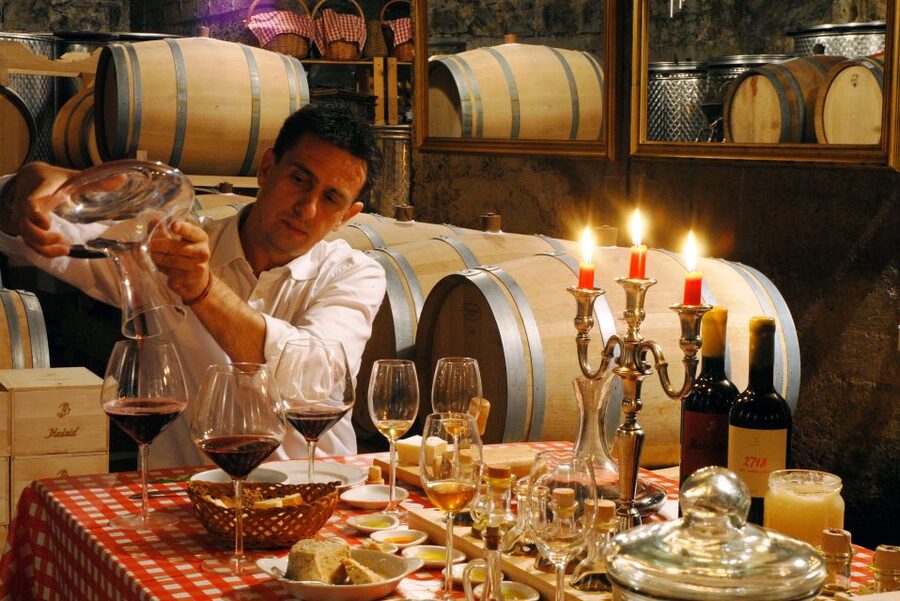
Jelsa is one of the island’s key wine-making towns, and it shows up on this tour through multiple possible winery options. This is where you can get a strong sense of Hvar’s indigenous grape culture and how it is evolving.
If you visit the Tomić family winery, you are in for a classic coastal approach with a local backbone. They cultivate indigenous grapes while also experimenting with new ones. A highlight to listen for is Prošek, described as the original Dalmatian wine made from selected grapes of the highest local quality. Even if you do not buy a bottle, Prošek is a useful tasting anchor because it helps you understand how Hvar uses selection and quality control, not just variety names.
Then there is the other Jelsa direction, represented by Dubokovic-Medvid. This is the younger, small-plot model. The idea is that newer winemakers with very small land plots produce by buying grapes from other farmers. The result is described as some of the most expensive regular vintage wines in Croatia.
This matters because it gives you a “then and now” contrast in one region. You can taste a more established family identity next to an approach shaped by smaller holdings, market realities, and a willingness to do things differently while staying tied to the local grape base.
If you are the kind of person who wants to take home a practical souvenir, Jelsa is often where you start identifying your own taste preferences: do you lean toward classic, structured styles, or do you get more excited by modern experiments?
Vrisnik and Ventus: Boutique Wines Named for the Wind
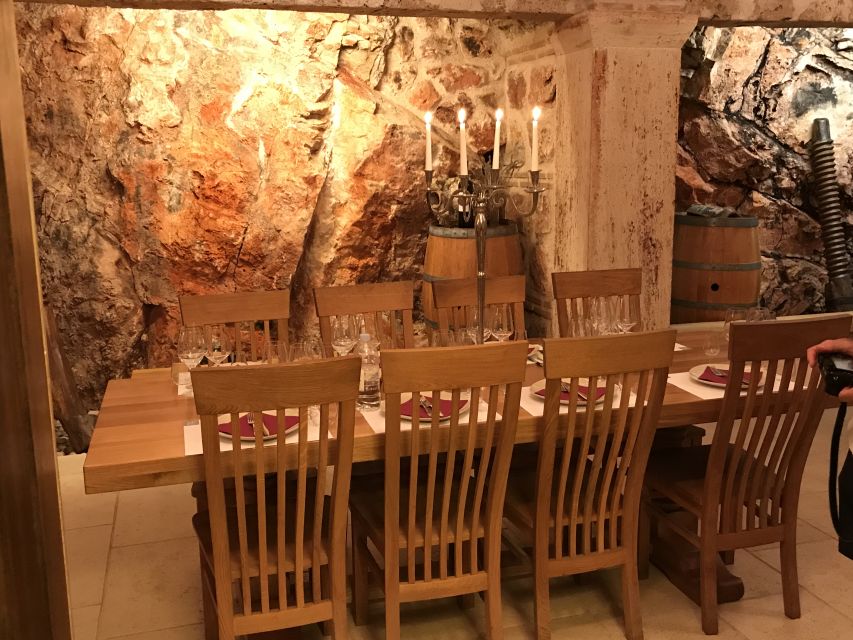
Another possible stop is Ventus in Vrisnik, a boutique winery opened in 2019 by two friends. The branding here is not just marketing. The logo is inspired by a wind rose, and each wine is named for a wind characteristic of the vineyard location.
That detail is useful for your tasting. When you see wind rose cues and wind-based names, ask your host what those winds actually mean for the vines and the grapes. You are not just collecting flavors, you are collecting clues about why the wine tastes the way it does.
Ventus is a great option if you enjoy seeing how newer wineries interpret the island instead of repeating it. You can taste that blend of place-driven identity with modern boutique energy. Even if you end up buying from a more traditional producer, this stop helps you appreciate how dynamic Hvar wine culture is right now.
Remember, though, you are visiting only three wineries total. If Ventus is on your route, it will likely be one of the more conversation-heavy stops because the wind theme practically begs for explanation.
Vrban and Plančić: Tradition Since 1919 and Ecologically Protected Area Pride
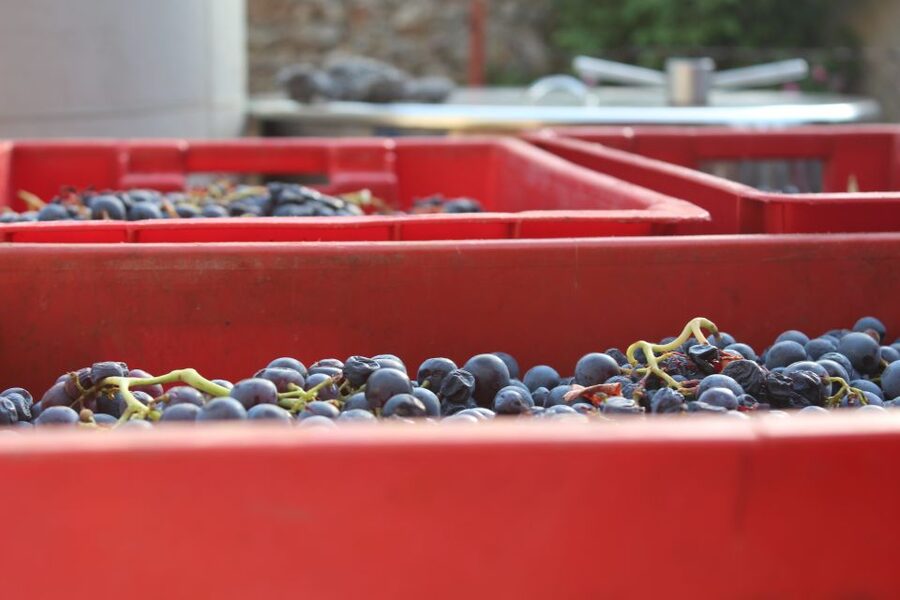
In Vrban, the Plančić family winery offers another perspective, one that focuses on long continuity. Plančić has been blending tradition with modern oenological achievements since 1919. The tour info also highlights that the wines reflect passion for grapes, the authenticity of an ecologically protected area, and an indigenous yet bold production spirit.
If you care about how sustainability shows up in the glass, this is your kind of stop. The phrase ecologically protected area is a clue that you should pay attention to the producer’s farming and the way the terroir identity is protected.
During tastings at a winery like this, I recommend you take notes on the basics that matter for buying later: aroma style, sweetness level if any, structure, and whether the wine feels more savory or more fruit-forward. With a tour like this, the value comes from being able to choose after comparison, not before.
Also, since Plančić is one of several possible wineries on the itinerary, it is smart to look at the wines you love and connect them to what each producer stands for. In other words, do not just shop by taste. Shop by story that you can actually repeat.
Vrboska and Carić: Vineyard Size, Designated Growing Area, and Producing Your Own Wines
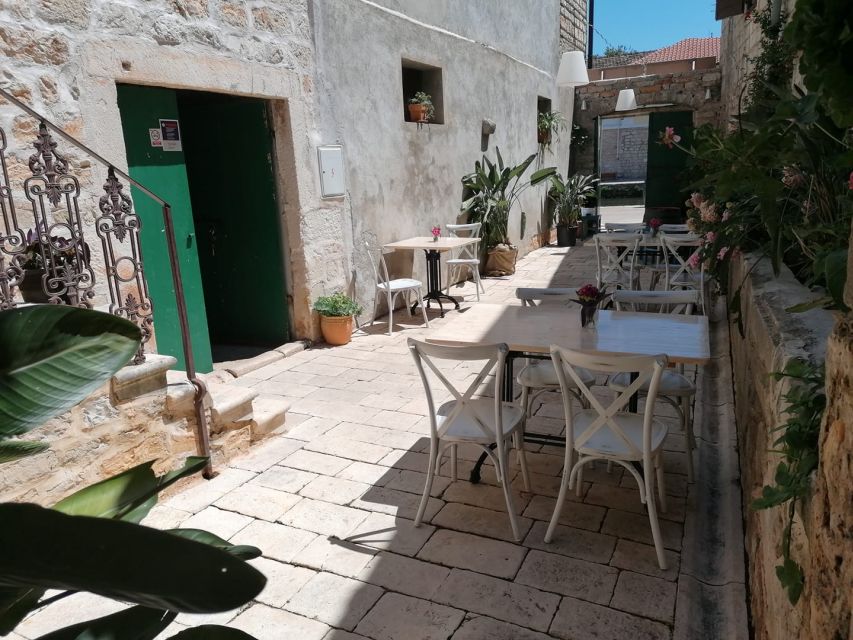
If your third winery choice lands in Vrboska, the Carić family option can be a strong “scale meets identity” story. The Carić family owns over 5 hectares of vineyards within the designated wine-growing area of Vinogorje Hvar. But it was not until the establishment of Vino Hvar that they began producing their own Carić wines.
So what is the takeaway for you? This stop is a reminder that wine is not only made in the vineyard. It is also made in the business decisions: when to bottle under your own name, how to organize production, and how to build brand identity after you already have land.
When you taste their wines, listen for how vineyard ownership and designated area translate into flavor consistency. You may notice wines that feel coherent with what Hvar is known for, rather than wines that swing wildly from vintage to vintage.
If buying wine is part of your plan, this is also where you might feel comfortable asking practical questions: which bottle they recommend for a dinner table, and which wine best matches the kind of flavors you enjoyed in earlier tastings.
How the Tastings and Appetizers Actually Help You Learn
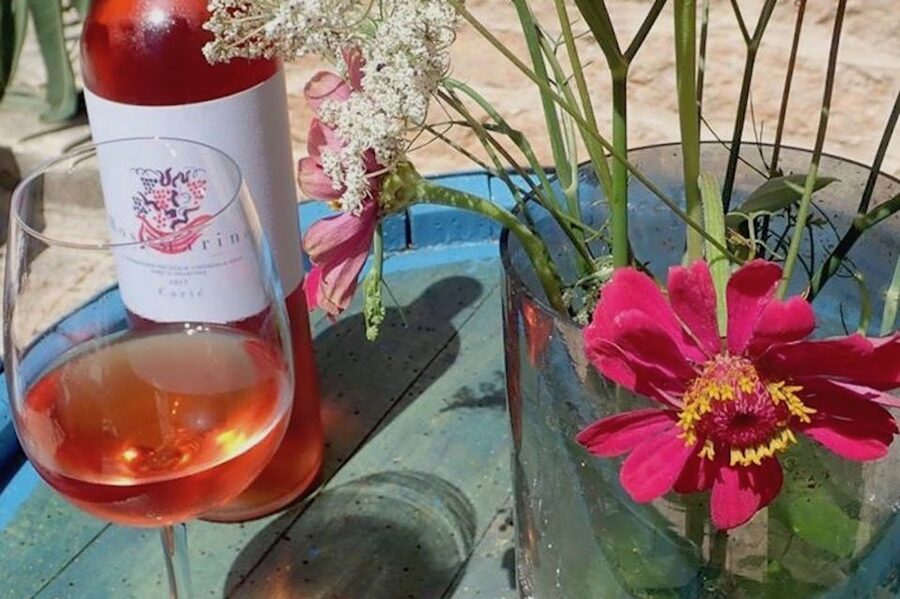
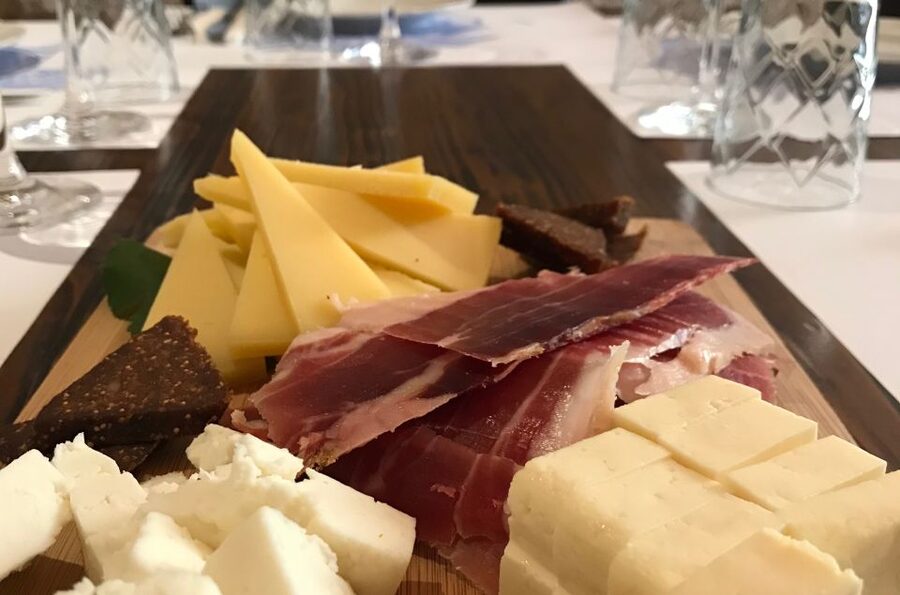
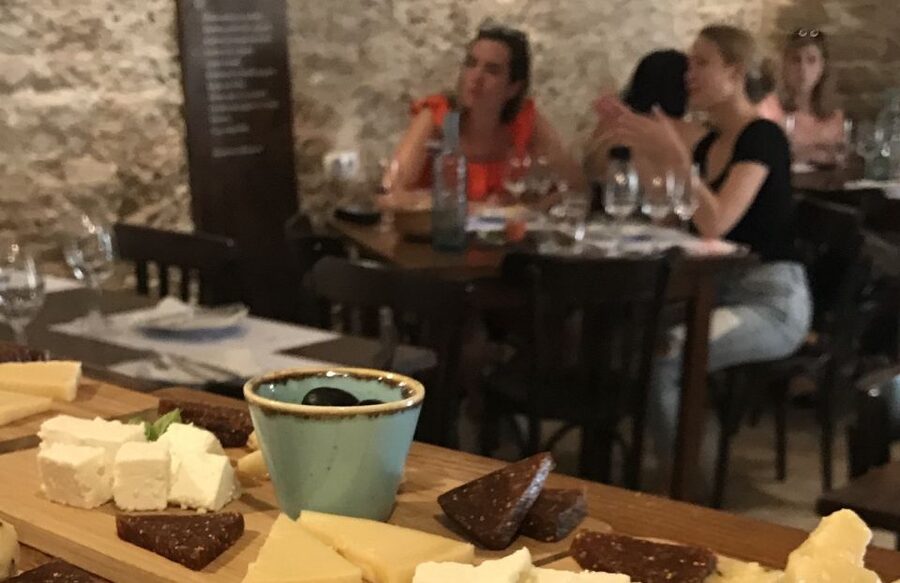
This tour is built around the idea that you do not learn wine by reading alone. You learn it by tasting and comparing in a structured flow. You can expect tastings at each winery and pairing with local appetizers or snacks.
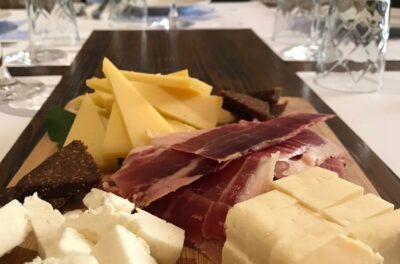
Those pairings matter more than you might think. They help reset your palate and bring out different taste patterns, especially when you are trying several wines in one day. Without food, wine tastings can blur together. With local bites, the flavors stay distinct, and the host’s explanations stick better.
You should also know what this tour is likely to include during its tasting portion: several different wines, typically four to five across the day. That is a solid number. It is enough variety to feel like a real learning experience, but not so many sips that you can barely remember what you tasted first.
In terms of buying, the best part of this setup is that there is no need to feel pushed. The day is paced so you can enjoy it, and if you want bottles, you can do it because you genuinely understand what you are choosing. One guide-host vibe described was friendly, with no pressure to buy.
Tip: since cash is something you are asked to bring, keep that in mind if you plan to take bottles home. It is easier than scrambling at the last winery.
Price and Value: Is $259 Worth Your Time?
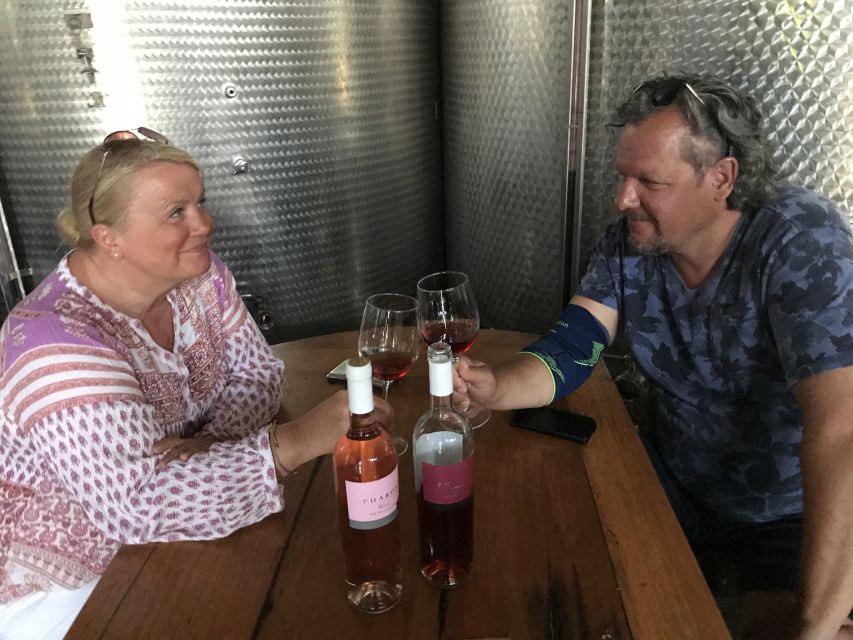
At $259 per person, you are paying for more than wine. You are paying for transportation, a driver/guide, tasting fees across multiple producers, and appetizers/snacks. You are also buying convenience on a route that would be harder to piece together without a car and local driving knowledge.
The value is strongest if you fit one of these situations:
- You do not want to rent a car and figure out vineyard access on your own
- You want multiple winery tastings in one day, not one winery followed by guesswork
- You want local guidance that connects the dots between island agriculture and the wines
One practical point that can make you feel better about the cost: wines are described as cheaper at wineries than in town. That does not mean it is always a bargain, but it does mean you are more likely to make a smart purchase decision without paying city convenience pricing.
Also, this is the kind of tour where you can come away with both learning and goods. Even if you do not buy, you still leave with a better sense of which Hvar styles you enjoy and what to look for later.
Who This Tour Fits Best on Hvar
This is a great fit if you are a wine lover who wants real local varieties and a day that explains the island behind the bottle. It is also ideal for couples or small groups who want a guided day without the stress of driving, and it works well for people celebrating a special occasion, since the pace is described as not rushed.
If you are traveling with someone who is not as excited about wine, the appetizers and the village context can still make the day feel worthwhile. You are not stuck in a single tasting room. You move between towns, and your guide includes story-based local context.
On the other hand, if you want a super flexible itinerary where you choose each winery yourself and linger for hours, this format may feel structured. It is still friendly and not pushy, but it is designed as a guided experience with a set tasting count.
Finally, if you get sensitive to alcohol, remember that you are tasting multiple wines. You can always go slow, but this is not a zero-alcohol activity.
Should You Book This Hvar Wine Lovers Tour?
Book it if you want three winery tastings, guided context, and a clear focus on Hvar’s indigenous grapes. The combination of four to five tastings, local appetizers/snacks, and a guide who brings in island agriculture details like pine trees and lavender decline makes the day feel educational and fun, not just transactional.
Pass or consider another option if you need a guaranteed specific set of wineries. Because the exact stops can depend on availability, you might not get every named producer. Still, the choices are all within the island’s wine culture, and the range covers both long-established families and newer boutique voices, so you should still come away with a strong sense of Hvar.
If you are booking for a specific travel window, you will also like the flexibility options, since you can reserve with pay later. And you are asked to bring comfortable shoes, a camera, and cash, so you are ready for the day as soon as you arrive.
FAQ
How many wineries does the tour visit?
The tour visits 3 different wineries, selected from the listed producers based on availability.
How many wines will I taste?
You can expect tastings of four to five different wines during the tour.
Do the tastings include food?
Yes. Wine tastings are paired with local appetizers or snacks.
Which wineries are included?
The tour can include wineries such as Plenković (Sveta Nedjelja), Tomić (Jelsa), Dubokovic-Medvid (Jelsa), Ventus (Vrisnik), Plančić (Vrban), and Carić (Vrboska). The specific 3 stops depend on availability.
Is transportation included?
Yes. The tour includes transportation with a driver/guide.
What language is the tour conducted in?
The tour is offered in English.
What should I bring?
Bring comfortable shoes, a camera, and cash.
What is the minimum number of people needed for the tour to run?
A minimum of 2 persons are required per tour, and it can be canceled after confirmation if there are not enough passengers.
Can I reserve now and pay later?
Yes. There is a reserve and pay later option, so you can book your spot without paying today.
Hvar Island By the Glass
Cellars and Vineyards Near Hvar Island
Hvar and the Pakleni, Compared

Freshly written up around Hvar Island
Hvar & Pakleni Islands Boat Trips, top to bottom.
 ★ 5.0Blue cave, Mamma Mia and Hvar, 5 islands speedboat tourFrom $1117,150 reviews
 ★ 4.6Split/Trogir: Blue Cave, Mamma Mia, Hvar and 5 Island TourFrom $1096,320 reviews
 ★ 5.0Blue cave, Mama Mia and Hvar, 5 island speedboat tour from TrogirFrom $1112,861 reviews
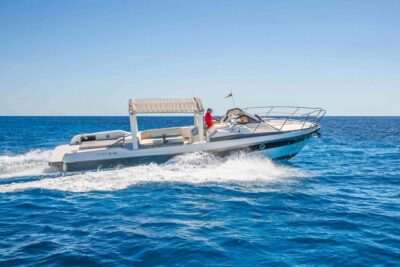 ★ 5.0From Split: Blue Cave & 5 Islands with Vis & Hvar Boat TourFrom $941,947 reviews
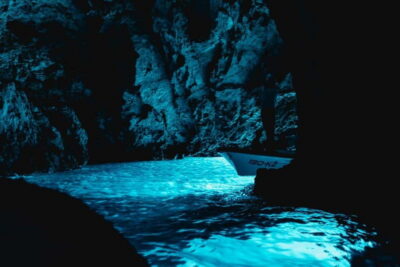 ★ 4.6Split/Podstrana: Blue Cave, Hvar & 6 Islands Speedboat TripFrom $1351,627 reviews
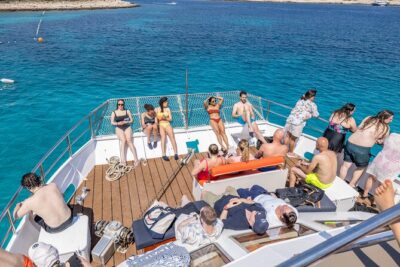 ★ 4.5Hvar, Brač & Pakleni islands cruise with lunch & drinks from Split & TrogirFrom $951,452 reviews
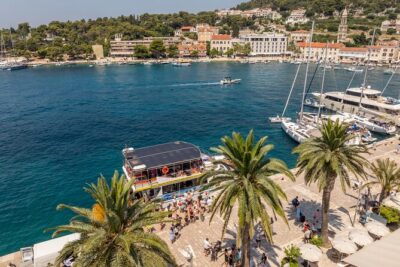 ★ 4.2Split: Hvar, Brač, and Pakleni Cruise with Lunch and DrinksFrom $761,227 reviews
 ★ 4.4Split: Blue Cave, Vis & Hvar Full-Day Trip by SpeedboatFrom $147976 reviews
Browse the lists this tour appears in