
REVIEW · SIBENIK, SKRADIN & PRIMOSTEN TOURS
Sibenik: Guided Evening Walking Tour
Šibenik looks different after dark, and this guided evening walk is the fast way to see why. In 90 minutes, you move through the historic city center on cobblestones, with a local guide pointing out the details you would miss on your own. I particularly like how the stories connect buildings to real people, from King Petar Kresimir to the churches and theater you thought you already understood. One drawback to plan for: it is not ideal if you have mobility limits, since it is a walking tour with uneven old-town surfaces.
What makes it a good value is the sheer number of recognizable landmarks you get context for, without a long day of sightseeing. I also like the timing, because an evening pace means you can enjoy quiet squares and architectural close-ups without the daytime crush. At $45 per person, you are paying for local interpretation and route guidance, not just a stroll, and that is exactly where this tour earns its keep.
In This Review
- Key Highlights You Will Actually Feel on This Walk
- Meeting at the Gat Krka Lantern, Then Walking on Local Time
- Why 90 Minutes at Night Makes Šibenik Click
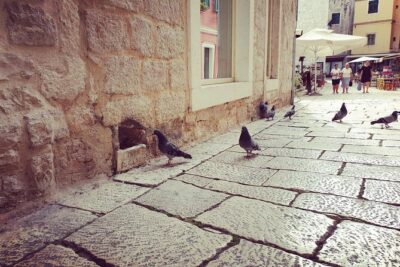
- Cobblestones, Narrow Lanes, and the Hidden-Square Factor
- King Petar Kresimir, Then the Places That Prove It
- St. Francis Church: What Makes It More Than a Name
- Šibenik’s Theater Detail, Including Early Electric Lighting
- The Church of the Assumption and a Bell-Tower Memory Trick
- The Main City Square Surprise (Yes, It Has a Reason)
- St. John the Baptist: Medieval Significance and a Patron Saint Change
- St. Krsevan: The Oldest Church and Why That Matters
- Four Wells Cistern: The Middle Ages Water Story
- St. James Cathedral: The Stone Masterpiece With Sculpted Faces
- St. Barbara and Its Four Bells
- How the Tour Ends, and How to Keep the Evening Going
- Price, Value, and What You Pay For at $45
- Who Should Book This Evening Walk (and Who Might Skip It)
- Should You Book This Guided Evening Walking Tour in Šibenik?
- FAQ
- Where is the tour meeting point?
- What should I wear or bring?
- How long is the guided tour?
- How much does it cost?
- Is food or drinks included?
- What languages are the tours offered in?
- Is the tour suitable for people with mobility impairments?
- Can I cancel if my plans change?
Key Highlights You Will Actually Feel on This Walk
- Gothic-Renaissance Šibenik at night, with a calmer old-town feel than daytime
- Cobblestone lanes and hidden squares that your guide brings into focus
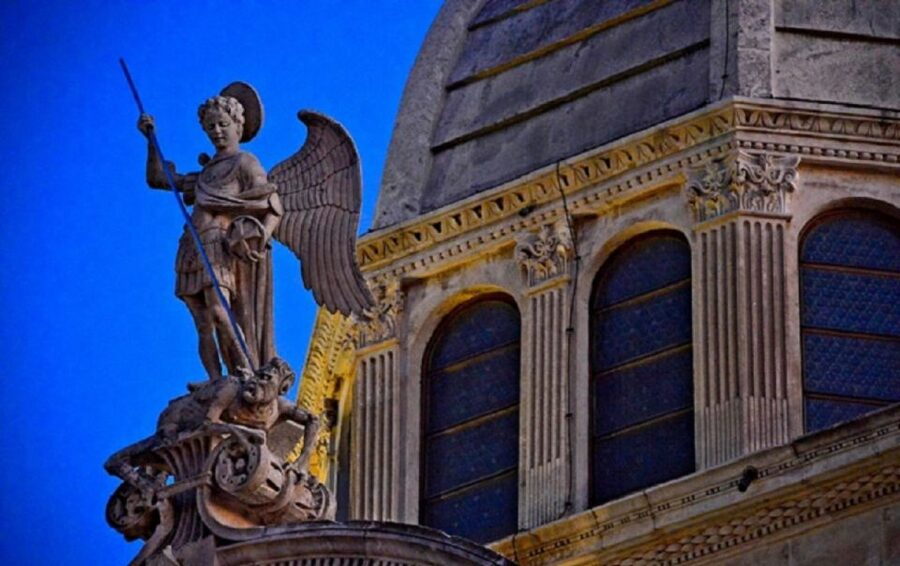
- Clear stories tied to specific sites, like King Petar Kresimir and the cathedral’s sculptural portraits
- Church details you would normally skip, including St. Francis and St. John the Baptist’s shifting patronage
- Evening stops that put meaning behind everyday city features, like the Four Wells cistern
- A satisfying finish that leaves you free to wander into cafes and restaurants on your own
More around Sibenik and the mouth of the Krka
- Vodice: Krka Waterfalls National Park Boat Tour★ 4.6 · 250 reviews
- Private Sibenik Walking Historical Morning or Evening Tour★ 5.0 · 93 reviews
- Šibenik Riviera boat tour: Zlarin + Prvić + Tijat★ 4.5 · 71 reviews
- Sibenik: Guided Evening Walking Tour★ 4.9 · 62 reviews
Meeting at the Gat Krka Lantern, Then Walking on Local Time
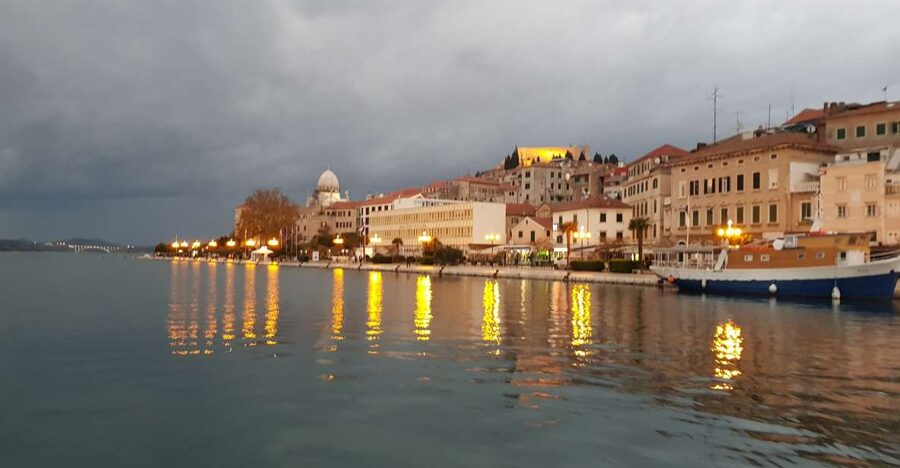
The meeting point is next to the lantern at the gat Krka parking lot. Your guide wears an orange cap, and I’d treat 5 minutes early as the sweet spot so you are not racing in the dark. This is also the practical kind of tour, in the sense that there is no hotel pickup. You show up, you start walking, and you let the guide handle the thread that connects all the sights.
Because you are starting at a parking lot by name (gat Krka), you avoid the usual old-town confusion. Once you’re with the group, you will move as a unit through narrow streets, where the evening pace helps you actually pay attention instead of just getting from one postcard to another.
Why 90 Minutes at Night Makes Šibenik Click
Daytime sightseeing can feel like a checklist. This tour works because night naturally slows your attention. The streets become less about crowds and more about architecture and atmosphere. You get the feeling that Šibenik is still a living Mediterranean town, not just a photo stop.
You also learn to read the city. Your guide ties locations together with stories, so landmarks stop being isolated buildings and start behaving like a network. That matters most for first-time visitors, because Šibenik has layers, Gothic-Renaissance details, and a coastal setting that changes how you experience the skyline.
A small consideration: it is only 90 minutes. That is long enough to get real context, but it is not long enough to replace a longer day wandering on your own. I see this as an intro tour, then you continue independently after the walk.
Cobblestones, Narrow Lanes, and the Hidden-Square Factor
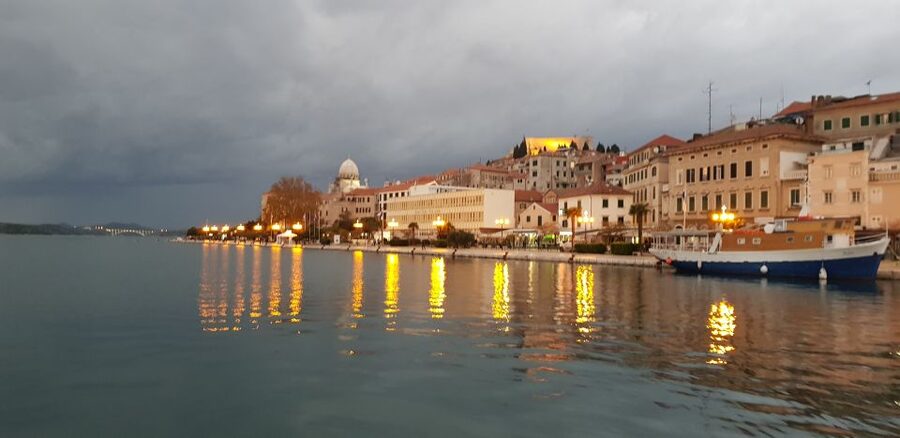
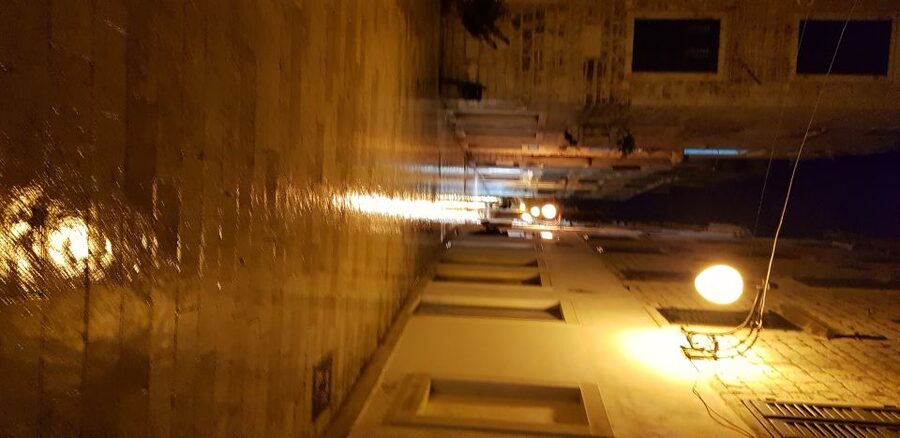
The route is built around strolling through the historic city center and finding the small spaces that make old towns feel human. In daylight, you might pass by a square without thinking. At night, squares tend to feel like rooms, and your guide gives you the reason those rooms exist and what they meant to residents.
Expect frequent pauses for stories and orientation. The guide’s job is not just to point at things, it is to explain why a place is important, which you can then notice again later when you are exploring alone. If you are the type who likes details, this is where you will feel the payoff quickly.
King Petar Kresimir, Then the Places That Prove It
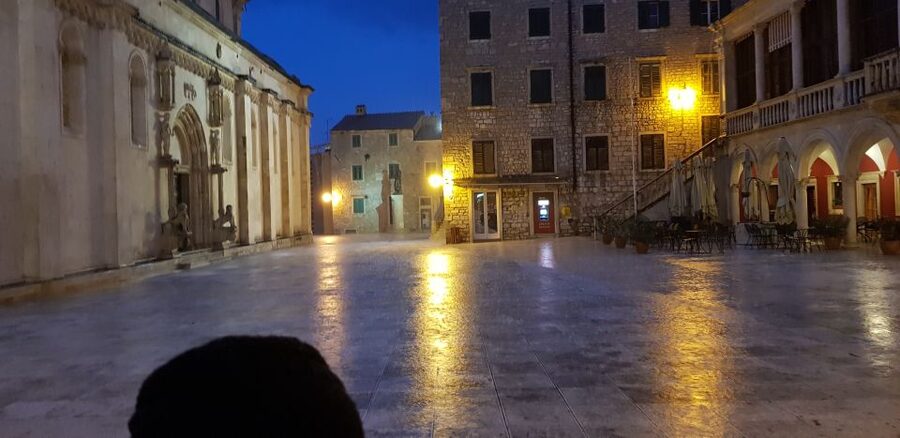
One of the tour’s best strengths is how it anchors history to identity. You will hear who King Petar Kresimir was and why he matters to Šibenik and its people. That kind of background changes how you look at the city, because it stops being a random set of medieval buildings and becomes a record of who held power, who funded art and construction, and what the community valued.
Even if you are not a history buff, this helps you ask better questions while you walk. And once you understand the city’s early identity, the religious and civic landmarks start making more sense.
More Sibenik covered at walking pace
- Šibenik: Medieval Night Walking Tour
★ 5.0 · 19 reviews - From Sibenik: Private Walking Sibenik Sightseeing Tour
★ 4.9 · 15 reviews - The Best of Sibenik Private Walking Tour
★ 5.0 · 13 reviews - Sibenik: Guided Walking Tour
★ 5.0 · 8 reviews - Private walking tour of Sibenik
★ 5.0 · 7 reviews
St. Francis Church: What Makes It More Than a Name
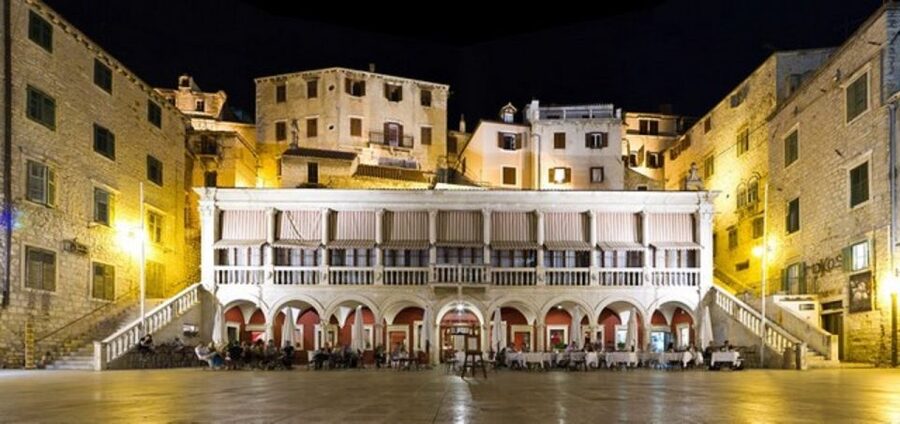
You will learn why the Church of St. Francis is more special than other churches in the city. This is one of those stops where the key value is interpretation. Instead of treating it as a quick photo stop, your guide explains what sets it apart, so you can look at the structure with informed eyes.
If you like architecture, you will probably enjoy this segment most. If you are more into stories than stonework, you still benefit, because church history often connects to the wider life of the town, not just religious ritual.
Šibenik’s Theater Detail, Including Early Electric Lighting
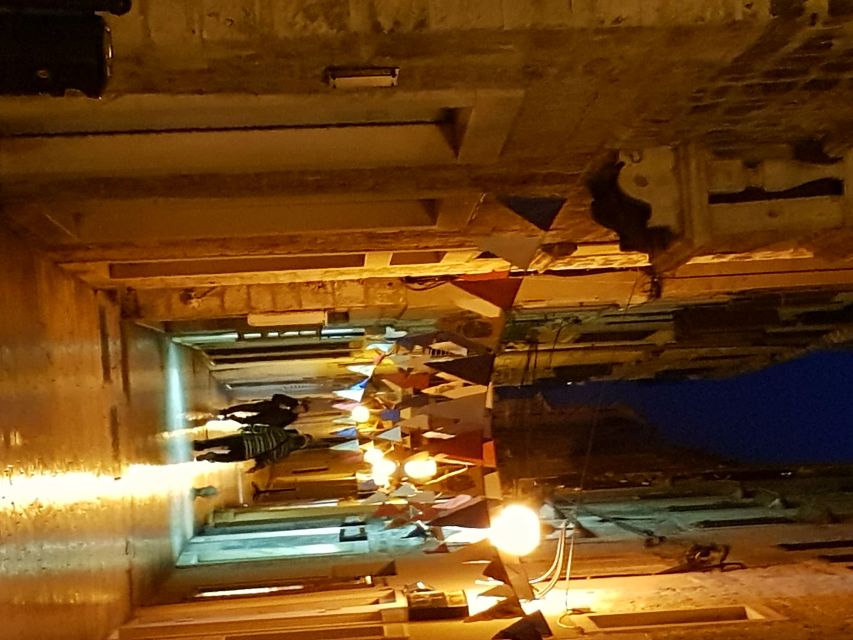
The Croatian National Theater in Šibenik is a headline sight in the right lighting, but the tour adds a standout detail: when it got electric lighting in 1896, it was among the first theater electric lighting systems in the world. That kind of fact cuts through the usual “old building, pretty facade” vibe.
You also learn how the theater fits into the city’s story, because it marks a shift from older medieval and Renaissance patterns into a modern cultural identity. If you are curious how European towns modernized, this is a surprisingly good moment.
The Church of the Assumption and a Bell-Tower Memory Trick
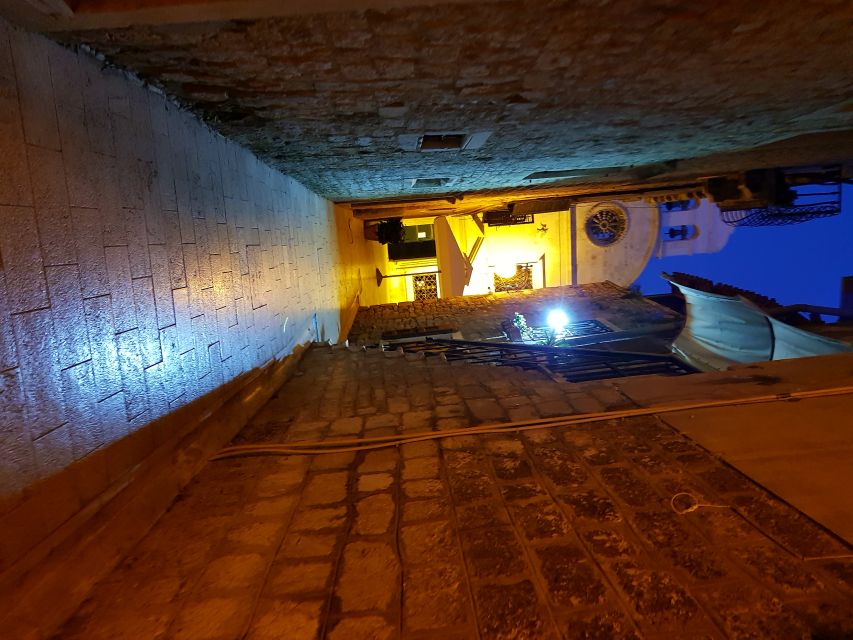
Next comes the Church of the Assumption of the Blessed Virgin Mary, plus the story behind its bell tower. The tour description includes an emphasis on who uses the church, who built the bell tower, and even a memory hint about the artist’s name.
That matters more than it sounds. On walking tours, people remember a fact when it is tied to a clear storyline and a simple cue. A memory trick is basically a built-in study tool, and it helps you keep the details straight once you reach the next church.
The Main City Square Surprise (Yes, It Has a Reason)
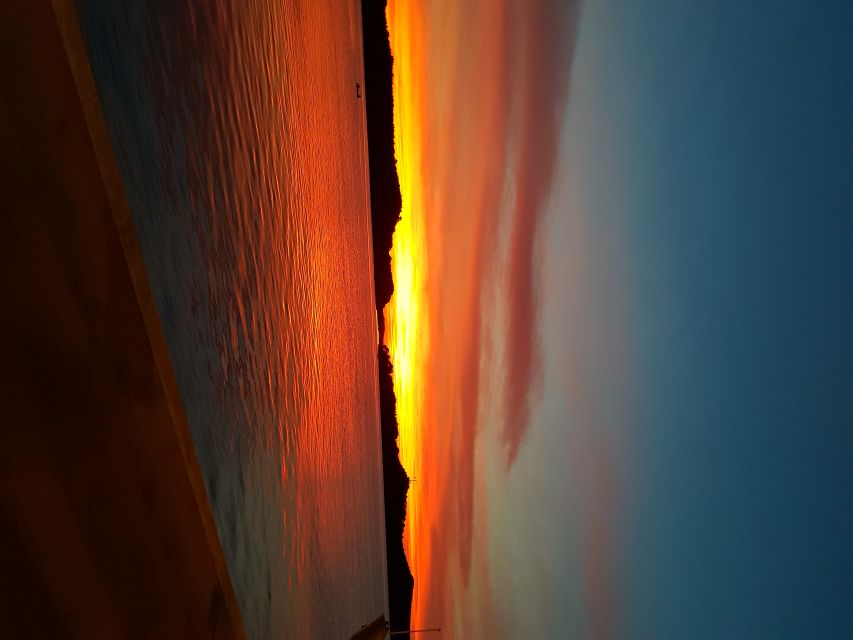
One of the more intriguing points is why the main city square is not in the city. That sounds odd, but it is exactly the sort of oddity your guide will clarify in context as you explore.
I like moments like this because they keep your brain awake. It turns navigation into understanding. By the time you are halfway through the walk, you are not just following directions, you are learning the logic behind how Šibenik arranged civic life.
St. John the Baptist: Medieval Significance and a Patron Saint Change
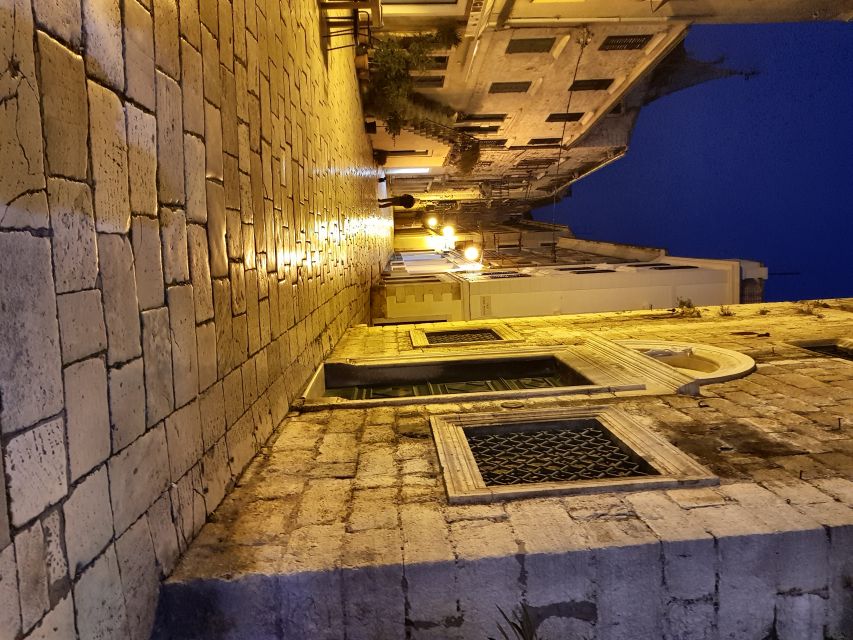
You will find out why St. John the Baptist had special significance throughout the Middle Ages, and why its patron saint changed. These are the kinds of shifts that happened in Europe for political, devotional, or community reasons, and hearing it explained helps you connect the present church to the past.
If you love how belief systems and local identity evolve, this is a strong stop. If your travel style is more practical, think of it like this: the more you understand why a church mattered, the more you notice details and symbolism you would otherwise miss.
St. Krsevan: The Oldest Church and Why That Matters
You will learn why St. Krsevan is the oldest church in town. Dating and age can sound like a dry fact until you put it beside how the city grew around it. When you know a place is the oldest, you start to see it as a foundation point in the city’s story, not just another stop on the walk.
This is a good reminder that old towns often built over earlier layers. Even if the building you see today is not the first structure ever there, the site’s long importance can still shape the way the community organized space.
Four Wells Cistern: The Middle Ages Water Story
Public town cisterns are not the kind of thing you pick out from a map, but the tour includes the Four Wells cistern and explains why it was built during the Middle Ages.
I love this stop because it puts “practical survival” into view. Coastal towns could not rely on everything being convenient, and water infrastructure shaped how neighborhoods functioned. Once you learn the reason a feature exists, it stops feeling like a random object and starts feeling like part of everyday life.
St. James Cathedral: The Stone Masterpiece With Sculpted Faces
The centerpiece of the tour in terms of wow-factor is St. Jacob’s Cathedral (often associated with St. James). The tour messaging is specific about what makes it unique in both Croatian and European architecture.
Here is what you will be thinking about as you approach and look closely:
- It is entirely built of stone.
- It uses a brave structure with stone slabs and ribs, described as having no binding material.
- It is unique among Renaissance churches with its trefoil front facade.
- There is also the detail people remember most: 71 realistic sculptural portraits around the apses.
Even if you do not count the portraits, you will feel the concept. This is not a simple decoration job. It is human faces working as a sculptural boundary between sacred space and the outside world. In an evening setting, that kind of stone realism tends to hit harder, because shadows make textures more dramatic.
St. Barbara and Its Four Bells
You will learn why the Church of St. Barbara has four bells and when those bells ring. I appreciate this kind of detail because it turns a church into something with sound and rhythm, not just a backdrop.
If you are in Šibenik for the first time, bells are one of the easiest ways to experience the city’s timekeeping. Even if you do not catch a ringing moment, you now know what to listen for once you are on your own.
How the Tour Ends, and How to Keep the Evening Going
The walk closes in a way that makes sense: you get a strong foundation, then you can choose your own pacing for food and drinks afterward. You will have the opportunity to discover numerous cafes and restaurants on your own.
This is a smart setup. Your guide gives you stories and orientation, then you decide if you want a slow dinner, a quick pastry stop, or just a scenic walk to digest what you learned. It also means you are not locked into a set meal, so your evening budget stays flexible.
Price, Value, and What You Pay For at $45
At $45 per person for about 90 minutes, you are paying for three things:
- Someone local to explain what you are seeing.
- A nighttime route that helps you avoid the worst crowd pressure.
- The time saved. Old towns are easy to get around in, but hard to understand quickly.
If you like “just show me the sights,” this may feel pricey. If you want meaning and details behind the stones, it is good value. I also think it is a solid deal if you are short on time, because 90 minutes can connect the major identities of the city without demanding a half-day.
Who Should Book This Evening Walk (and Who Might Skip It)
This tour is a strong fit if you:
- want a first-time orientation to Šibenik’s historic center
- enjoy churches, architecture, and the stories behind them
- like an evening pace that feels calmer than daytime
- prefer a guide to help you notice details on cobblestones without getting lost in trivia
It is not suitable for people with mobility impairments. Uneven surfaces and the nature of an old-town walking route mean you would likely find it difficult.
Should You Book This Guided Evening Walking Tour in Šibenik?
Yes, if you want to understand Šibenik instead of just passing through it. The city’s big draws, like St. James Cathedral and the church cluster stories, land better with a guide who can connect the dots fast. I also like that you get a plan for your evening that ends with freedom, so you can keep your own rhythm after the walk.
If you are traveling with limited walking tolerance, skip it. Otherwise, this is one of the best “short window” ways to get real context in Dalmatia, and you will likely leave thinking about stone, sculpture, and civic identity long after you head back to your hotel.
FAQ
Where is the tour meeting point?
Meet your guide next to the lantern at the gat Krka parking lot.
What should I wear or bring?
Wear comfortable shoes since it is a walking tour.
How long is the guided tour?
The tour lasts 90 minutes.
How much does it cost?
The price is $45 per person.
Is food or drinks included?
No. Food and drinks are not included.
What languages are the tours offered in?
The live tour guide is available in English, German, and Croatian.
Is the tour suitable for people with mobility impairments?
No, it is listed as not suitable for people with mobility impairments.
Can I cancel if my plans change?
Yes. You can cancel up to 24 hours in advance for a full refund.
Walk It: More of Sibenik at Ground Level
Around Sibenik and Skradin

Freshly written up around Sibenik
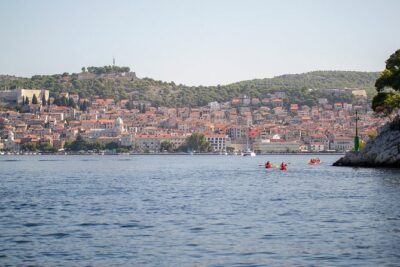

Sibenik, Skradin & Primosten Tours, top to bottom.
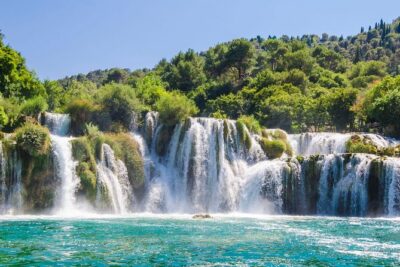 ★ 5.0Krka Waterfalls tour with Boat Ride and Swimming in Skradin townFrom $32917 reviews
 ★ 4.6Split/Trogir: Krka National Park Day Trip & Boat to SkradinFrom $31763 reviews
 ★ 4.2Split & Trogir: Krka Waterfalls & Swimming in PrimoštenFrom $47311 reviews
 ★ 4.6Vodice: Krka Waterfalls National Park Boat TourFrom $93250 reviews
 ★ 4.6From Makarska: Krka Waterfalls & Šibenik Day TripFrom $47131 reviews
 ★ 4.5From Zadar Day Tour, Krka Waterfalls, Skradin Cruise, SwimmingFrom $53121 reviews
 ★ 4.5From Split or Trogir: Krka Waterfalls & Primošten SightseeingFrom $48113 reviews
 ★ 5.0Private Sibenik Walking Historical Morning or Evening TourFrom $5493 reviews
Browse the lists this tour appears in