
REVIEW · PRIVATE
The Best of Split Private Tour
Split’s best stories are built in stone.
This private old-town walk in Split centers on Diocletian’s Palace and then spirals outward through Roman, Venetian, and modern city life, all on foot. You get a local licensed guide in English, plus a route that keeps moving at a pace that makes the sights click instead of just blur.
What I really like is the mix of famous landmarks and the small “wait, what is that” details, like the ceremonial vestibule and the market where locals shop. I also love how the guides adapt, from rest breaks to family needs, and how you end with clear food and sightseeing ideas for the rest of your day. One drawback to plan for: it is still a walking tour on uneven Old Town stone, and you’ll have an optional extra ticket choice for the mausoleum and Jupiter’s Temple.
In This Review
- Key Highlights You Should Know
- Why This Split Private Walk Works So Well
- Starting at the Riva Waterfront and Getting Oriented Fast
- Diocletian’s Palace Substructures: Your Roman Shortcut
- From Vestibule to Peristyle: Ceremonial Space in Plain Sight
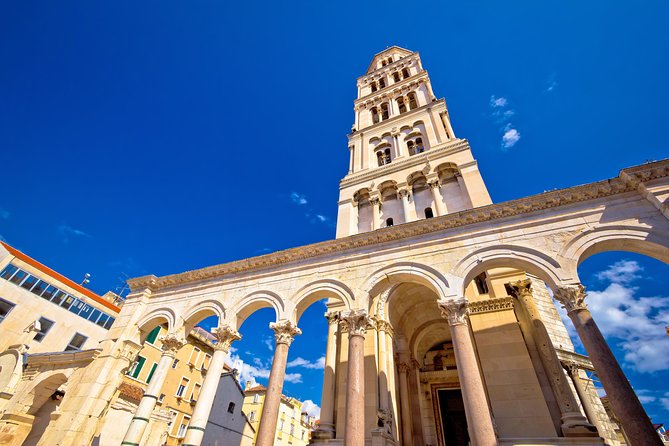
- Saint Domnius Cathedral: The 4th-Century Mausoleum Stop
- Market Smells, City Gates, and “Rub That Toe” Luck
- Venetian Tower, Prokurative, and the Harbor-View Finale
- Price and Tickets: Is It Worth $199.62 Per Person?
- Who Should Book, and Who Might Prefer Another Style
- Should You Book This Private Tour?
- FAQ
- What is the duration of this Split private tour?
- Where does the tour start and end?
- Is pickup available?
- What is included in the price?
- Is the Cathedral of Saint Domnius included?
- What about the Mausoleum and Jupiter’s Temple tickets?
- Can I get a full refund if I cancel?
Key Highlights You Should Know
- Diocletian’s Palace substructures admission included, so you get inside the core story right away
- Private, just your group, which makes it easier to ask questions and adjust pace
- Free stops in the palace courtyard area and city gates, including the Peristyle and Golden Gate
- Green Market time, where you learn what locals actually buy and where the flavors come from
- Riva promenade finish, an easy place to regroup and pick your next move
Still weighing it up? These Split trips also came through our review desk.
- Split: Krka Waterfalls Trip with Boat Cruise and Swimming★ 4.8 · 10,519 reviews
- From Split: Krka Waterfalls, Food & Wine Tasting Tour★ 5.0 · 9,326 reviews
- Blue cave, Mamma Mia and Hvar, 5 islands speedboat tour★ 5.0 · 7,150 reviews
- From Split: Krka Waterfalls, Food & Wine Tasting Tour★ 4.9 · 6,598 reviews
Why This Split Private Walk Works So Well
Split is built in layers. The Old Town feels like a single maze that keeps changing rules depending on whether you are looking at the Roman palace walls, the Venetian-era touches, or how locals use the waterfront today.
This tour works because it starts with the big anchor, Diocletian’s Palace substructures, then uses that foundation to explain everything else you see. Once you understand that, the street layout makes sense. Even the small landmarks start to feel intentional, not random.
You’ll also get a private guide in English, and the best part is how the guide turns the walk into a conversation. In real life, that means you can ask follow-ups and get practical advice, like where to grab lunch afterward. Guides for this tour include names like Kristina, Vinka, Ana, Sanda, Lea, Vicencija, and Jelena, and the reviews consistently highlight that the experience is paced for real people, not tour-bus robots.
The only “watch out” is the format. This is a foot-first tour, and Old Town sidewalks are not flat. If you know you’ll need lots of breaks, tell the guide early so they can manage the rhythm.
Starting at the Riva Waterfront and Getting Oriented Fast
The meeting point is the main waterfront called Riva, near the bronze map at Obala Hrvatskog narodnog preporoda 23. Ending back at Riva is smart, because it gives you a clean “home base” the moment you finish.
If you’re arriving by cruise ship, the tour meets you at the port. If you’re staying in the Old Town, pickup is available at your hotel or apartment. For stays outside the Old Town, you’ll meet at Riva, so you can plan a quick stroll or short taxi ride in.
Timing is flexible in the practical sense that the start time is set on request for a private group. That matters because Split can get busy, and it also matters for heat. If you’re visiting in warmer months, it’s worth starting earlier rather than later, and letting your guide know you prefer more shade.
One small but useful tip: wear shoes you trust on old stone. You’ll be moving through narrow streets and gate areas, where cobbles and step-ups are common. You don’t need hiking gear. Just don’t show up in slick sandals and hope for the best.
Diocletian’s Palace Substructures: Your Roman Shortcut
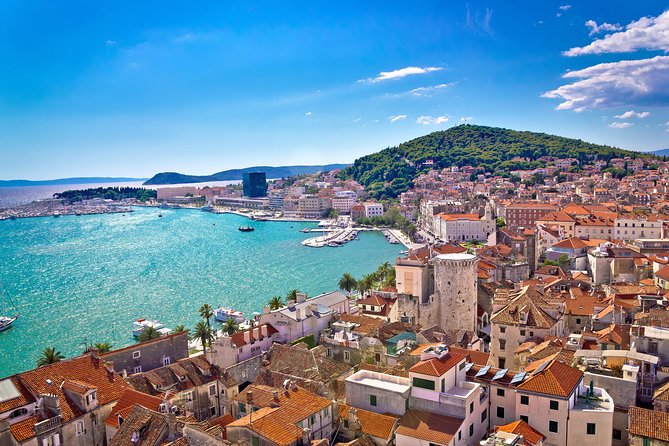
Stop one is the heart of the Old Town story: Diocletian’s Palace substructures. This is about 45 minutes, and the admission ticket is included, which is great value if you were planning to go in anyway.
Here’s why this part matters: the palace is not just a big postcard ruin. It is the reason Split’s street plan feels the way it does. When you walk through the substructures with a guide, you start connecting details you would otherwise miss, like how Roman power was expressed in architecture.
You’ll also get the feel of “how Split grew.” The guide ties the ancient setting to what you see today: palaces repurposed over centuries, narrow lanes that still funnel foot traffic the same way, and the everyday rhythm around markets and artisan shops. That’s the big payoff of having a guide for this first stop. You don’t just see old stones. You understand what they were for.
A drawback here is simple: if you are expecting a long interior museum experience with zero walking, this may not be your style. It’s a walk-through with explanation, not a slow sit-down tour.
But for most people, this is exactly the right pace. You get the Roman backbone first, then everything after becomes easier to recognize.
From Vestibule to Peristyle: Ceremonial Space in Plain Sight
After the substructures, you continue into more palace-adjacent areas, with time carved out for stops that are quick but meaningful.
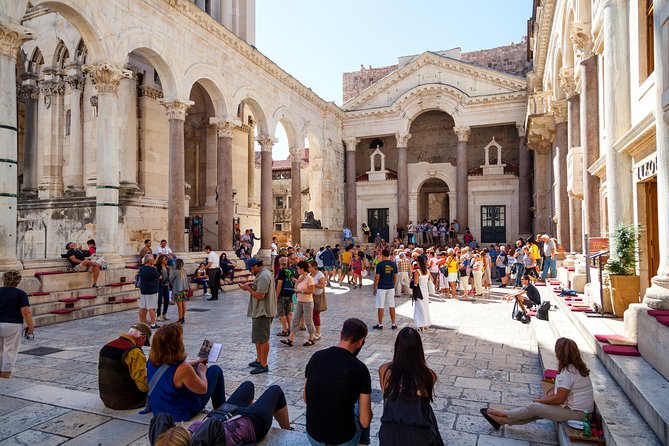
Vestibulum of Diocletian’s Palace is next, around 15 minutes and admission free. This area functioned as a ceremonial access point for the Emperor. The idea here is clever: you learn what the space meant in the Roman world, then you look around and see how that layout shaped movement and authority in the palace.
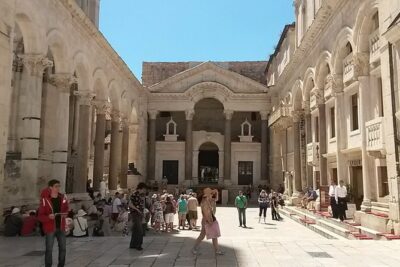
Then comes the Peristyle of Diocletian’s Palace, about 10 minutes and free. The Peristyle is a ceremonial courtyard framed by monumental arcades. It is oriented toward the imperial loggia, so even if you don’t know the Latin names, you get the feeling of a planned visual axis. It’s one of the Mediterranean’s more beautiful colonnaded spaces, and the short time works because you are not standing still too long. You take in the framing, then keep your momentum.
This section is also where a good guide shows their skill. The story isn’t just “what it was.” It’s how the space affects what you notice now: proportions, sightlines, and why the palace still feels like a village heart instead of a dead ruin.
Practical note: courtyard areas can be bright and hot, especially mid-day. If you’re sensitive to heat, ask your guide for a slower moment at the most shaded corners.
- Split: Krka Waterfalls Trip with Boat Cruise and Swimming
★ 4.8 · 10,519 reviews - From Split: Krka Waterfalls, Food & Wine Tasting Tour
★ 5.0 · 9,326 reviews - Blue cave, Mamma Mia and Hvar, 5 islands speedboat tour
★ 5.0 · 7,150 reviews - From Split: Krka Waterfalls, Food & Wine Tasting Tour
★ 4.9 · 6,598 reviews - Split/Trogir: Blue Cave, Mamma Mia, Hvar and 5 Island Tour
★ 4.6 · 6,320 reviews
Saint Domnius Cathedral: The 4th-Century Mausoleum Stop
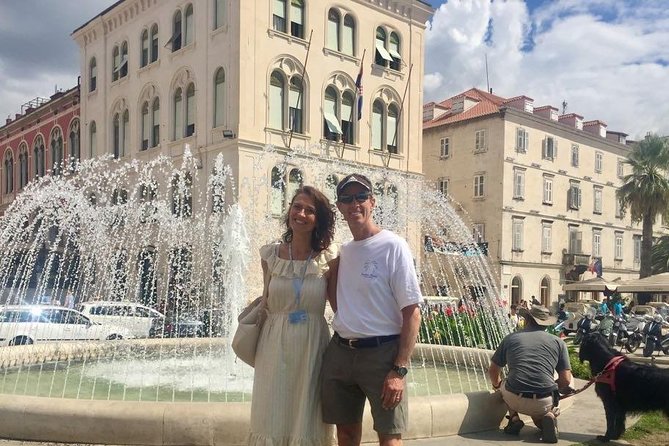
Next is the Cathedral of Saint Domnius, roughly 15 minutes. Admission is not included, so if you want to go in, you should expect a ticket purchase on the spot.
What makes this stop worth factoring in: the cathedral is built in the former mausoleum of Emperor Diocletian, dating to the 4th century. The mausoleum dominates the central palace area, with a height around 24 meters. Even from outside, it gives you that sense of scale that explains why the palace area still feels like the main stage of Split.
You might be deciding between the cathedral visit and staying purely outdoors, depending on your time and ticket budget. If you do want the indoor experience, it’s best to do it here, mid-route, before you get tired and start rushing.
One more thing: the cathedral area is a focal point, so it can feel busy. A private guide helps here because they manage pacing, and they can point out the best angles to avoid wasting time in bottlenecks.
If you have mobility needs, tell your guide early. Reviews for this tour include examples of guides adjusting for knee issues and building in rest breaks, which can make a big difference in how enjoyable the cathedral stop feels.
Market Smells, City Gates, and “Rub That Toe” Luck
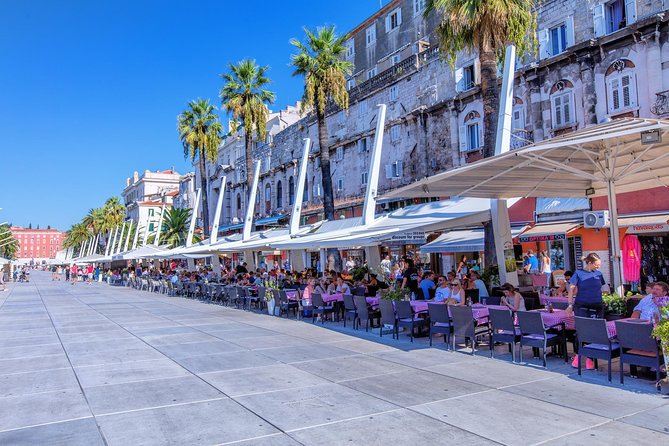
After the palace core, the tour shifts into the Old Town’s most memorable shortcuts: gates, landmarks, and market life.
The Green Market is a standout around 10 minutes and free. This is where locals shop for fruit and vegetables, and where you can spot the go-to choices for cheese and prosciutto. Even if you don’t plan to buy much, the point is learning what locals treat as normal. That helps you eat smarter later, because you’ll recognize what to look for on menus and shop counters.
Then comes Golden Gate, about 10 minutes and free. This is the northern gate, and there’s a small church of St. Martin built into the gate from the 5th century. The value here is context: once you notice how religious and civic spaces overlap, you stop seeing gates as just entry points and start seeing them as symbolic borders.
Next is Grgur Ninski Statue, around 5 minutes and free. It is a bronze work by sculptor Ivan Mestrovic. The local “for luck” ritual is simple: rub the statue’s toe. You’ll see it shine for a reason, and the guide’s explanation makes it feel less like tourist theater and more like part of local tradition.
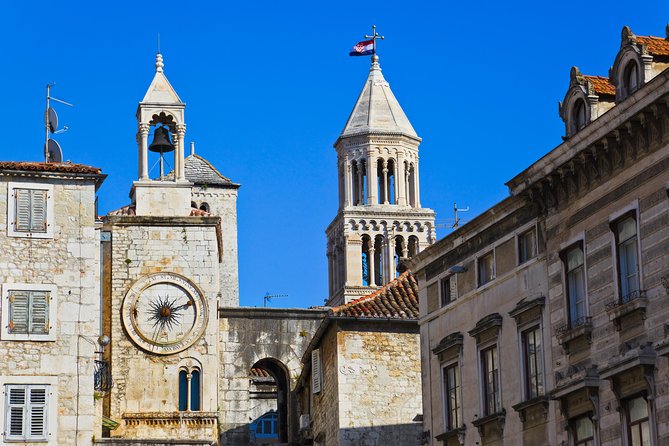
You’ll also pass the City Clock, built into the western gate. Around 10 minutes, free. It’s one of Split’s recognizable landmarks, and it’s a useful anchor for understanding where you are in the palace layout.
Then you step into Fruit’s Square, also known as Trg Brace Radic, free and about 5 minutes. It sits just outside the palace area and centers on a statue of Marko Marulić, often described as a father figure in Croatian literature. Even if you’re not studying literature on vacation, it’s a nice reminder that the city’s identity goes beyond Roman stones.
Venetian Tower, Prokurative, and the Harbor-View Finale
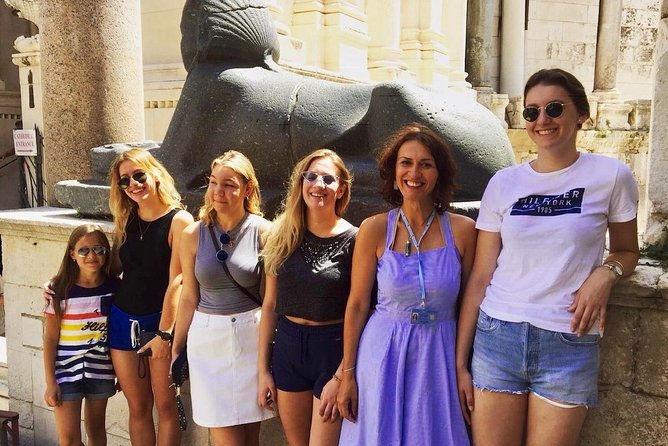
The tour keeps moving toward the waterfront, so you get more open views and less claustrophobic alley time.
Near Fruit Square, the Venetian tower remains visible, about 5 minutes and free. It connects the palace-era Split story to the 15th-century Venetian castle influence. This is one of those quick stops that matters because it shows the city kept evolving instead of freezing in time.
Then you reach Prokurative, also called Republic Square, about 5 minutes and free. This square has an architectural feel that people often compare to St. Mark’s in Venice. The neo-Renaissance arches and the view toward the harbor and Riva are the payoff. It’s also practical: the square is only open on the south side, which means you can look out with fewer obstructions if you position yourself right.
Finally, you end at Riva Harbor, free and around 10 minutes. This is why the route makes sense. Riva is where locals and visitors gather, and it is a natural place to grab lunch, find a coffee, or just rest your feet without feeling like you need to navigate more.
If your guide gives you lunch recommendations, this is the moment those tips come alive. Many guides on this tour are praised for suggesting places to eat afterward, and the best advice is usually the kind that fits your interests, like casual Dalmatian plates or something a bit more sit-down.
Price and Tickets: Is It Worth $199.62 Per Person?
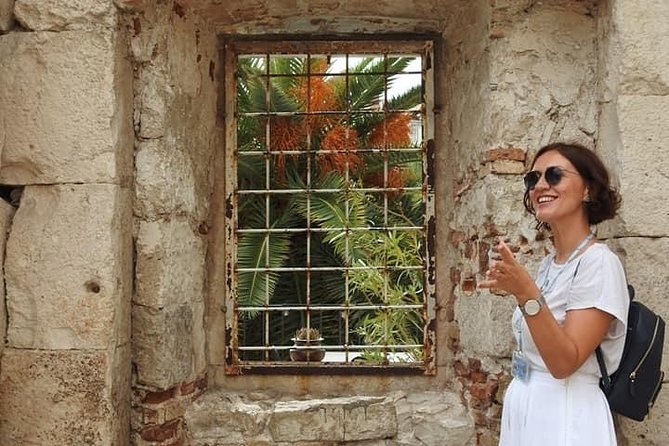
At $199.62 per person for about 2 hours 30 minutes, you’re paying for a private guide, a timed route, and the one included admission that can otherwise add cost and uncertainty.
Here’s what’s actually included: a local licensed guide, custom-made program and tour organization, and admission for Diocletian’s Palace substructures. That first ticket is the “big gate” to the main story, and including it removes friction. You don’t have to decide at the start whether you’re committing to the palace interior areas.
What’s not included is the ticket for the Mausoleum and Jupiter’s Temple, which is optional at €8.00 per person. That’s a reasonable add-on if you want to go further into the Diocletian complex. It’s also smart that it’s optional, because not everyone wants the extra spend on a short visit.
You also get a mobile ticket, and pickup is offered if you’re staying in the Old Town. Group discounts are mentioned too, so if you’re traveling with friends, it can get better value than a standard “everyone for themselves” walking plan.
The private format is the value kicker. You can go slower if you need to. You can ask questions. You can get recommendations tailored to your tastes. That is exactly why guides like Vinka, Kristina, and Vicencija Ugrin come up in reviews for being thoughtful with families and guests with mobility constraints.
If you’re coming for a cruise stop or you only have a short window to see Split, this kind of tour helps you get your bearings fast without spending your vacation reading every sign. You trade a bit of flexibility for clarity, and most people consider that money well spent.
Who Should Book, and Who Might Prefer Another Style
This tour fits best if you:
- Want an Old Town walk built around Diocletian’s Palace as the anchor
- Like history told through what you can see, not through long lectures
- Want a private group setting, so the guide can adjust pace
- Appreciate market and street-life context, not only monuments
It also seems especially good for families. Reviews mention everything from three-generation groups to a baby and even a very young child, with guides staying patient and adapting the rhythm. If your group includes mixed ages or different interests, private tours are often the easiest way to keep everyone happy.
If you are the type of traveler who wants long museum time, you might feel a little limited, because this is a walking route with short stops and quick context. It’s built to cover highlights efficiently in a half-morning or afternoon window, not to turn into a day of ticketed interiors.
Also, since it is on foot, you should come prepared for uneven stones. Tell the guide what you need early so they can manage rest points and reduce strain.
Should You Book This Private Tour?
If you want a high-quality introduction to Split, I think this one is an excellent choice. The standout theme in the experience is not just seeing the highlights, it’s how the guide shapes the walk. Names like Kristina, Vinka, Ana, and Jelena show up because guests loved pacing, friendliness, and the way the tour turns facts into city understanding. Add in practical extras like lunch recommendations and side detours for food or local shopping, and you have a tour that feels useful after the walk ends.
Book it if:
- You have limited time in Split and you want the most important Roman and Venetian stops in a smart order
- You care about market life and street-level local context
- You want the freedom to ask questions and adjust pace
Consider skipping or adding a different option if:
- You dislike walking on old stone
- You want more time in interiors beyond what’s included
- You expect all tickets to be included, since the Mausoleum and Jupiter’s Temple are optional
FAQ
What is the duration of this Split private tour?
It lasts about 2 hours 30 minutes.
Where does the tour start and end?
It starts at Obala Hrvatskog narodnog preporoda 23, at Riva, near the bronze map of the city. It ends back at the same meeting point.
Is pickup available?
Yes. Pickup is offered for guests staying in the Old Town of Split, and the tour also meets cruise ship guests at the port. For stays outside the Old Town, the meeting point is Riva.
What is included in the price?
You get a local licensed guide, custom tour organization, and admission to Diocletian’s Palace substructures.
Is the Cathedral of Saint Domnius included?
Admission to the Cathedral of Saint Domnius is not included.
What about the Mausoleum and Jupiter’s Temple tickets?
Those are optional and cost €8.00 per person.
Can I get a full refund if I cancel?
Yes. You can cancel up to 24 hours in advance for a full refund.
Freshly written up around Split


Private, top to bottom.
 ★ 4.7Dubrovnik: Blue & Green Caves Private Boat Tour with DrinksFrom $73814 reviews
 ★ 5.0Dubrovnik Private Speedboat Tour to Elaphite Islands with DrinksFrom $386660 reviews
 ★ 5.0SPLIT-PRIVATE Walking Tour of Diocletian’s Palace & Old TownFrom $240467 reviews
 ★ 5.0Tour The Game of Thrones – Private Walking TourFrom $185464 reviews
 ★ 4.0Private Krka Waterfalls tour with 30min Boat CruseFrom $301458 reviews
 ★ 5.0Dubrovnik: Private Boat Tours to Elaphite IslandsFrom $604437 reviews
 ★ 5.0Split by Private Electric Rickshaw – Palace & Hidden GemsFrom $48412 reviews
 ★ 5.0Private Blue cave, Mamma Mia and Hvar, 5 islands tour from SplitFrom $1,572387 reviews