
REVIEW · ZADAR OLD TOWN & SEA ORGAN TOURS
Zadar: Hinterland Hidden Treasures, Nature, History, Tasting
One afternoon in Dalmatia can beat a full day of guessing. This small-group trip mixes history stops, a hands-on olive oil experience, and finish views over the Kornati Islands from Kamenjak Nature Park. I especially liked the way you get both tasting practice and food that actually fits the region, not some generic lunch. The only drawback to weigh is that it is not aimed at kids under 12, so if you are traveling with younger ones, you will need another plan.
You start in Zadar and then step into the hinterland with a live English guide, learning why olive trees, fortresses, and local grape varieties matter here. The price is very reasonable for what you get because it bundles oil tasting tuition, guided access to Benkovac Castle, and a traditional meal drizzled with award-winning oil. If you hate structured itineraries or prefer to wander completely on your own, you might feel the pace is a bit tight.
In This Review
- Key Points That Matter Before You Go
- Why This Half-Day From Zadar Feels Like More Than a Tour
- Getting Oriented: Where You Meet and How the Day Runs
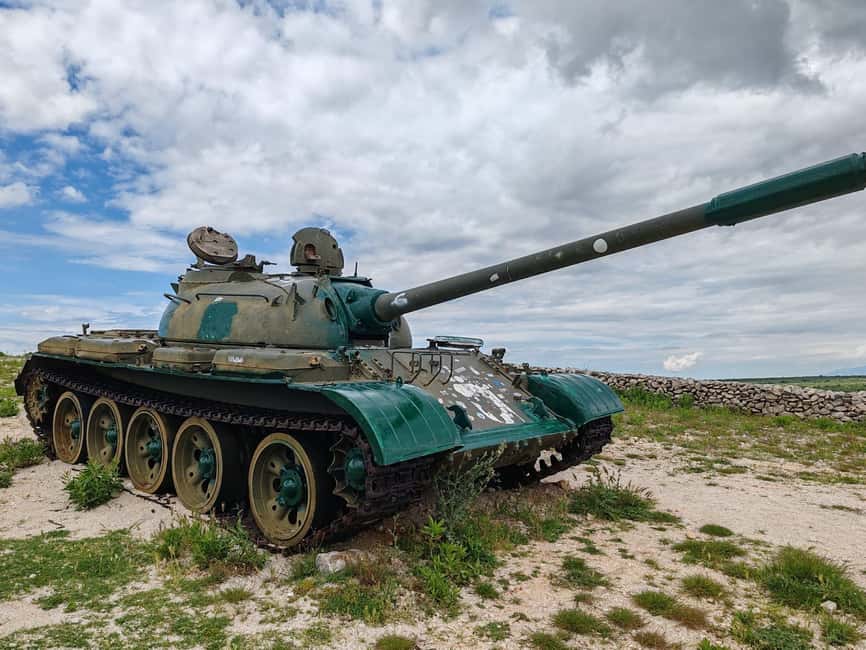
- Stop 1: Operation Leap Tank Memorial and the Story of Independence
- Photo Stop and Quick Transit Breaks
- Benkovac Castle: Fortress Views and Why This Spot Matters
- Lepuri Village and the Family Olive Grove Experience
- Inside the mill: Cold-press production, modern methods, family knowledge
- Olive Oil Tasting Tuition: How to Smell, Taste, and Notice Balance
- Wine Tasting with Native Varieties, Red and White
- Traditional Dalmatian Lunch Under the Trees
- Kamenjak Nature Park and the View Over Lake Vrana and Kornati
- Price and Value: What $44 Really Buys You
- Who Should Book This Tour (and Who Might Not)
- Should You Book: My Take
- FAQ
- What is the duration of the tour?
- Where do I meet the group in Zadar?
- How big is the group?
- What language is the tour guide?
- What food and drinks are included?
- Do I get to buy olive oil or wine?
- What should I expect to learn during the oil tasting?
- Is the visit suitable for children?
- Does the tour include historic sites?
Key Points That Matter Before You Go
- Small group (max 8) means you can actually ask questions during the olive oil and wine tastings.
- Family olive grove and mill gives you a real look at production, not just a quick photo stop.
- Olive oil tasting tuition includes an organized way to recognize aroma and balance.
- Benkovac Castle visit adds context for the region beyond food and views.
- Kamenjak Nature Park outlooks wrap the day with big scenery over Lake Vrana and out toward the Kornati Archipelago.
- Traditional Dalmatian lunch arrives under the trees, paired with locally produced wine.
Other Zadar outings we thought were worth a look
- From Zadar: Island-Hopping Speedboat Tour with Drinks★ 4.9 · 1,247 reviews
- Zadar: Hinterland Hidden Treasures, Nature, History, Tasting★ 5.0 · 11 reviews
Why This Half-Day From Zadar Feels Like More Than a Tour
If your Zadar days have started to blur into the same pattern, this is the clean reset: countryside, stone walls, olive leaves, and a meal that tastes like it belongs. You get a tight timeline, but it does not feel rushed in the stops that count, because the olive oil segment and the meal are built around learning and tasting.
What I like most is the balance. You are not sent from one photo point to another with no payoff. Instead, the day builds toward flavor. You learn the production story, then you taste oils, then you eat and drink with the same local logic. That is where the value lives.
The other strong point is the historic grounding. Operation Leap tank memorial and Benkovac Castle give you a sense of how this coastline and its hinterland shaped each other. When you later look out over the area from Kamenjak, you understand why people have fought over these vantage points for centuries.
Getting Oriented: Where You Meet and How the Day Runs
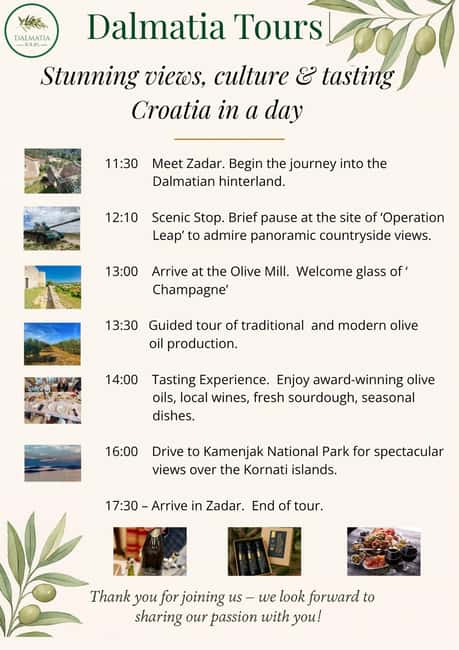
You meet at the parking area of the main central bus station in Zadar, near McDonald’s, and your bus has an olive oil advertising board on the side. The tour is timed as a half-day countryside experience. The main window runs 12:30 to 17:00, with convenient departure ready promptly around 12 noon.
It is designed for a small group. You go in an air-conditioned minibus limited to 8 participants, or in a coach for up to 16 participants, depending on the day. That matters because the itinerary is dense enough that comfortable transport helps. Also, you are not stuck waiting around for a huge crowd to move between stops.
The live guide speaks English. That is helpful for the history context and for the tasting tuition, which works best when you can ask follow-up questions.
Stop 1: Operation Leap Tank Memorial and the Story of Independence

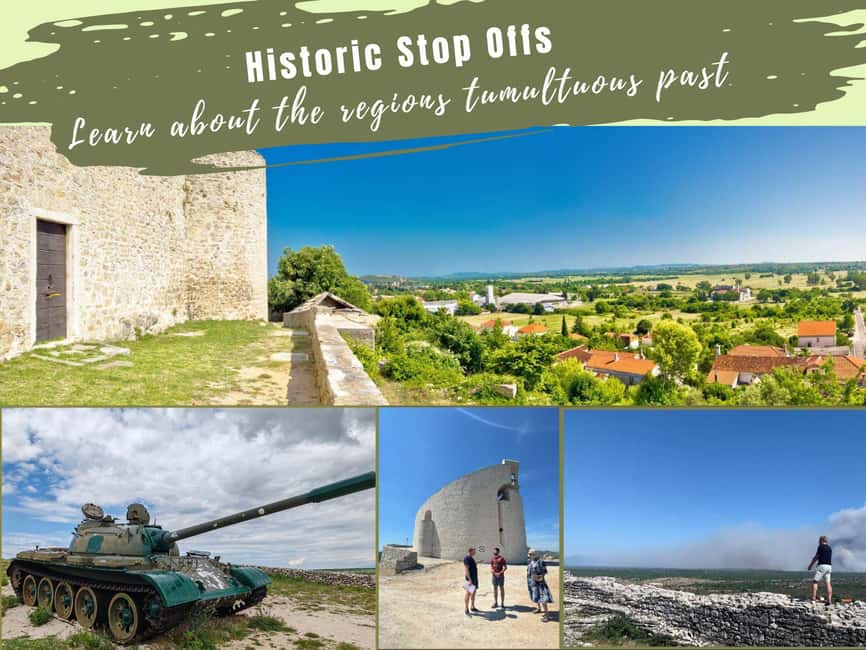
Your first meaningful stop is the tank memorial from Operation Leap. This is not just a quick look at a monument. The guide shares recent history, and the point is to connect it to modern Dalmatia. Even if you do not consider yourself a history person, this part sets the emotional tone of the day.
Why it helps: when you later visit Benkovac Castle, you understand it as more than old stone. It becomes part of a long strategic story, where coast and hinterland have never been separate in real life.
Time here is brief compared to the olive grove and meal, but it gives you a shared starting point. If you are sensitive to heavy topics, just know this is the most serious moment in the itinerary.
Photo Stop and Quick Transit Breaks
Between the big moments you also get short coach segments and a photo stop. These micro-breaks are useful, because the day is about variety: views, walking in the countryside, and then tasting sessions where your senses are doing the work.
Practical note: wear shoes that handle uneven ground, especially once you get out near the olive grove and viewpoints. The tour includes walking, even if it is not framed as a hike.
- From Zadar: Island-Hopping Speedboat Tour with Drinks
★ 4.9 · 1,247 reviews - Split: Guided Kayak Adventure Tour
★ 4.9 · 121 reviews - Day tour Skywalk Biokovo
★ 4.4 · 106 reviews - Zeljava Airbase: History and Adventure Tour
★ 4.9 · 69 reviews - Dubrovnik:Elaphiti Islands and caves Private Speedboat Tour
★ 5.0 · 45 reviews
Benkovac Castle: Fortress Views and Why This Spot Matters
Next up is Benkovac Castle, a 15th-century hilltop fortress. You get both a guided tour and time to explore on your own for around 30 minutes. Expect commanding views, plus a guided explanation of the centuries of shifting power.
The key idea here is strategic location. Benkovac sits in the frontier zone between coast and hinterland. That is where empires rose and fell because control of movement and terrain meant control of people and resources.
What I love about this stop is how it pairs naturally with the later olive oil lesson. You will look at land use differently after thinking about why certain places were defended. Olive trees, vineyards, and cultivation do not grow in a vacuum. They grow where people were able to keep working the land.
Lepuri Village and the Family Olive Grove Experience
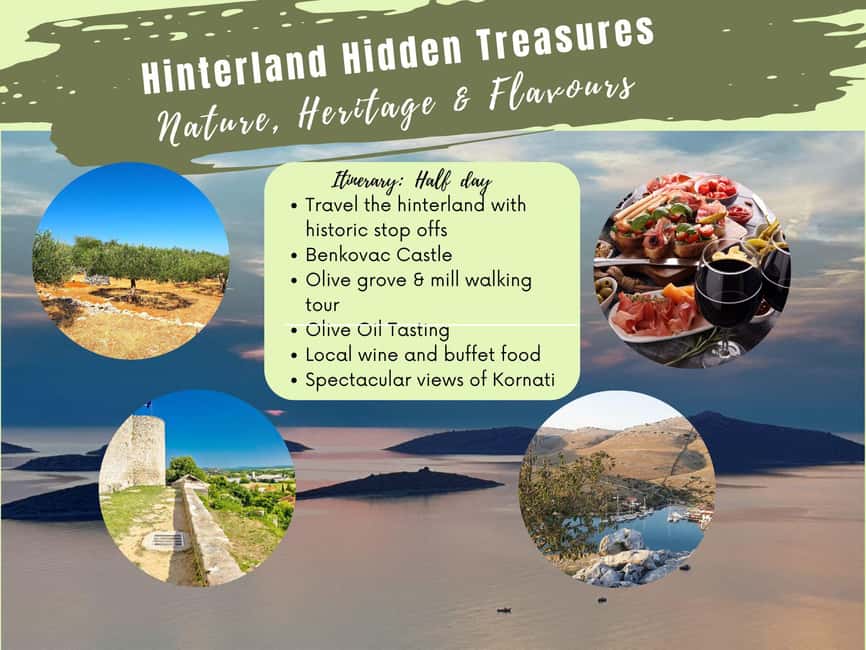
Then the day turns delicious.
You head to the village of Lepuri, where you visit a family-owned olive grove and an award-winning mill. Before you even start walking, you get welcomed with a glass of local sparkling wine. It is described as Dalmatia’s answer to champagne, so you can treat it as a celebratory opener and a taste of local style right away.
The stroll through the olive trees is gentle, and the guide uses it to explain how the land, climate, and tradition connect to high-polyphenol oils. If you have never heard the term high-polyphenol before, this is one of the better ways to learn it in plain language. You are not given a lecture. You are given context and then you get tasting practice.
Inside the mill: Cold-press production, modern methods, family knowledge
Inside the mill, you see how olives are cold-pressed using modern methods grounded in family know-how. The wording matters here. You are not just watching a machine. The guide frames it as a mix of tradition and current process.
Why this part is valuable: olive oil quality is not only about taste. It is about how the olives are handled and pressed. Even if you do not remember every production step, you leave with a better mental model for why certain oils taste like they do.
Olive Oil Tasting Tuition: How to Smell, Taste, and Notice Balance
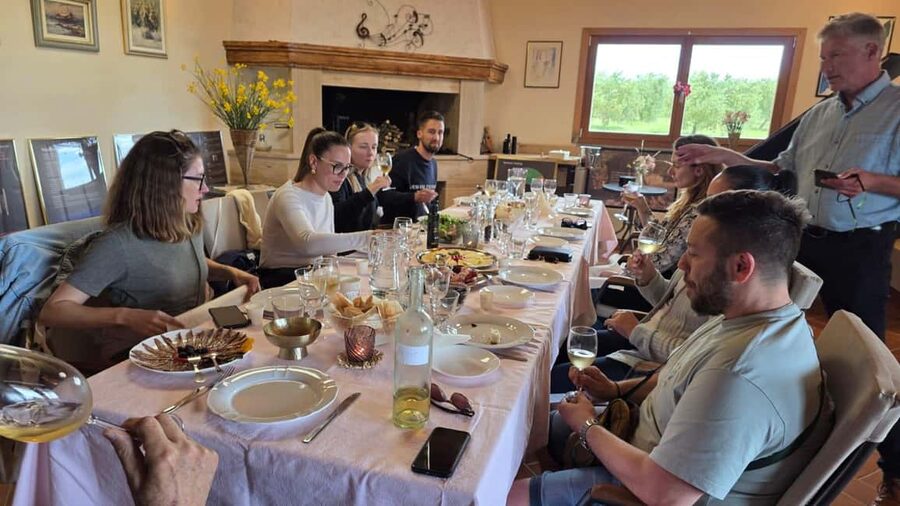
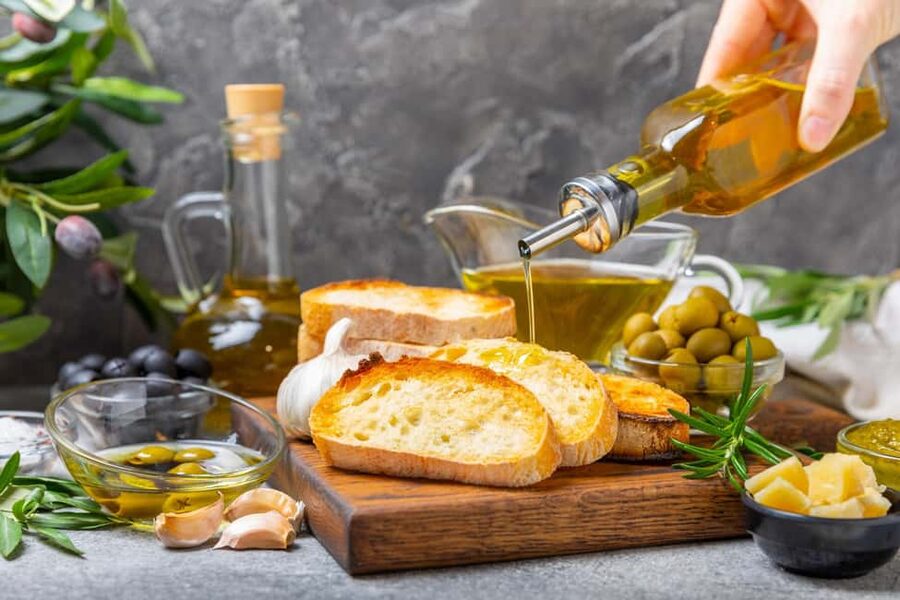
This is one of the most praised parts of the day for a reason. You do a guided tasting of the family’s finest extra virgin olive oils, plus comparison oils to help you recognize quality. The instruction focuses on aroma, balance, and the health benefits of genuine high-polyphenol oil.
That comparison method is smart. Instead of telling you what is good and hoping you agree, you learn how to tell the difference. You start paying attention to what you smell and what you notice on the palate, especially the idea of balance. In olive oil, balance is not just sweetness or bitterness. It is the overall structure.
One extra reason I like it: the guide keeps it practical. It is not just theory. You get enough direction to repeat the exercise when you buy oil to take home.
And yes, there is shopping if you want it. You can buy oil to take away after the tasting.
Wine Tasting with Native Varieties, Red and White
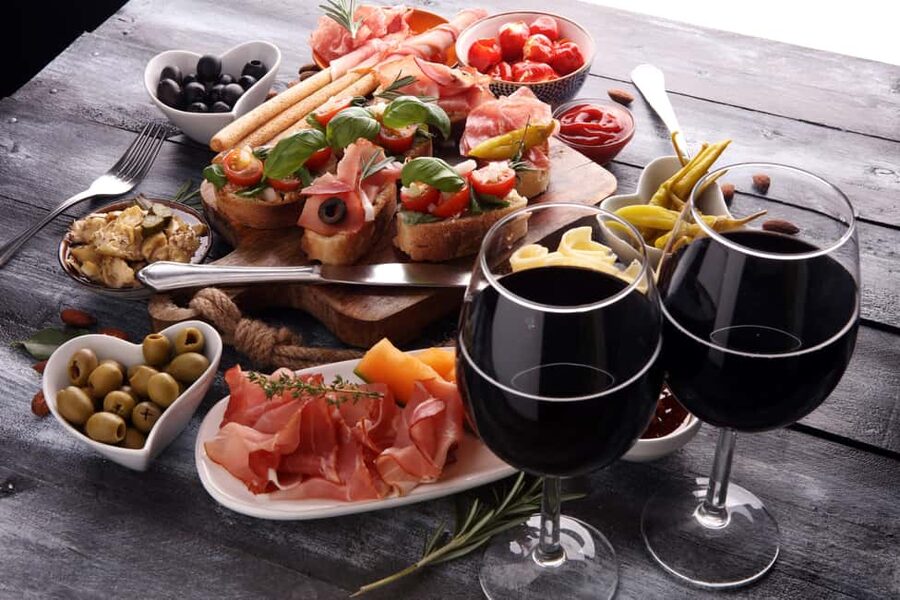
After the oil, you shift to wine. You get a tasting of red and white wines made from native Croatian grape varieties. The tour description also flags locally produced Dalmatian award-winning wine, and the guide ties the flavors back to soil and tradition.
This section works best if you like food pairings. The whole day is built around the same idea: local ingredients have a story. Wine is part of that story, and the tasting is here to help you notice what is distinct about the region.
A small practical tip: go slow during tastings. You still have a long view stop at the end, and you want your senses sharp for that final scenery.
Traditional Dalmatian Lunch Under the Trees
Now for the part that often separates a good tour from a so-so one: the lunch. You sit under the trees for a traditional Dalmatian meal of seasonal regional dishes. The dishes are drizzled with the best oils from the grove, and you pair your meal with a glass of local red or white wine.
I like this format because it respects how people actually eat. You are not handed a plate and rushed out. You eat in the place that produced the ingredients, and the olive oil is not an accessory, it is the star.
The lunch also acts like the day’s “final exam” for your tasting practice. Once you have smelled and tasted oils, you can pick up the flavors in the food more clearly. That is when the day clicks.
From the reviews, the lunch and the oil drizzles are repeatedly praised, and it makes sense. If a tour includes tastings but then serves bland food, the whole experience falls apart. Here, the food is part of the lesson.
Kamenjak Nature Park and the View Over Lake Vrana and Kornati
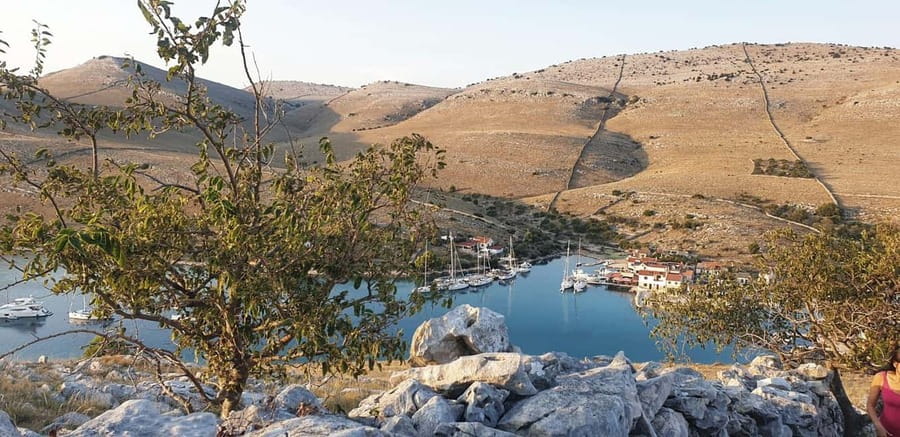
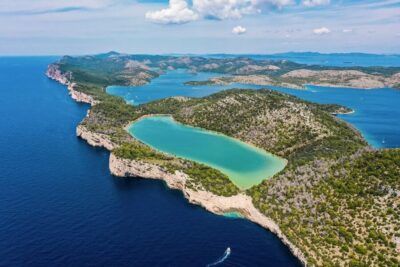
To close, you head to Kamenjak Nature Park, perched high above Lake Vrana. The viewpoint gives unforgettable views across vineyards and olive groves, and out toward the Kornati Islands, part of the Kornati Archipelago.
This is a strong final stop because it ties everything together: you came from town into the hinterland, you learned how people shape the land, and then you see it from above with the sea and islands in the background.
If you have limited time in the area, this is also a smart use of your day. You get broad views without committing to a full-day trip. The timing is short enough that you stay fresh.
Price and Value: What $44 Really Buys You
At about $44 per person, this tour feels like good value if you care about food, production, and context. The price bundles several things that are usually separate or overpriced when you book them on their own:
- oil tasting tuition with comparison oils and guided instruction
- access to historic sites including Benkovac Castle
- olive grove and mill experience
- a traditional lunch with seasonal dishes
- a glass of local wine with lunch
- additional wine tasting and health education presentation
If you are trying to choose between a basic countryside drive and a food-focused activity, this is the better bet. You are paying for instruction and tastings, not just transit and views.
The strongest value signal for me is that the day keeps returning to the same theme, olive oil and local cuisine, so you do not feel like you are paying for random stops. The reviews back this up, especially the combination of countryside views plus olive farm and mill, plus the oil tasting and food.
Who Should Book This Tour (and Who Might Not)
This is a great fit if you want:
- a half-day that feels active but not exhausting
- a serious olive oil experience with tasting guidance
- history context tied to the places you visit
- a traditional lunch that is part of the story, not just included calories
- small-group attention, limited to 8 in the minibus
You might want to skip it if you are:
- traveling with children under 12
- looking for a mostly beach-style day with minimal walking
- allergic to structured itineraries where stops and timing are built in
Also consider your timing in Zadar. Because the start is around midday, this works well if you have morning plans and want to end the day with views.
Should You Book: My Take
Book it if you want an afternoon that teaches you something you can use, how to taste olive oil and what local grapes taste like in context. This tour is also ideal if you like a mix of food and history, because the day does not treat them as separate worlds.
Skip it if you are the type who hates guided tastings or prefers to roam without a schedule. The itinerary is built to move you through specific places, and a big part of the value comes from guided explanation.
If you are on the fence, here is my simple test: if you will enjoy learning how to recognize aroma and balance in olive oil, plus eating a lunch drizzled with the same oil, you will likely love this one.
FAQ
What is the duration of the tour?
The tour lasts about 4.5 hours.
Where do I meet the group in Zadar?
You meet at the parking area of Zadar’s main central bus station, near McDonald’s, and the bus has an olive oil advertising board by the side.
How big is the group?
It is limited to 8 participants in an air-conditioned minibus, or up to 16 participants if the group goes by coach.
What language is the tour guide?
The live tour guide speaks English.
What food and drinks are included?
You get olive oil tasting tuition, a traditional Dalmatian lunch, and local red or white wine with your meal. You also have olive grove and mill experiences plus a wine tasting of red and white wines.
Do I get to buy olive oil or wine?
Yes. You will be able to buy oil or wine to take away.
What should I expect to learn during the oil tasting?
You learn oil tasting skills to recognize quality, plus health education about the benefits of genuine high-polyphenol oil.
Is the visit suitable for children?
It is not suitable for children under 12 years.
Does the tour include historic sites?
Yes, it includes access to Benkovac Castle and also includes the tank memorial from Operation Leap.
Croatia, the Longer Story
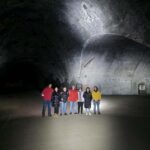
Zadar, A Few More Outings
Freshly written up around Croatia
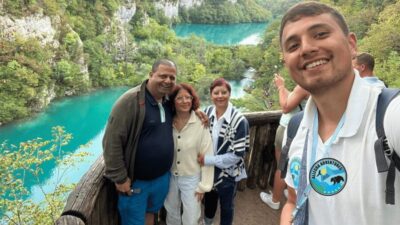


Zadar Old Town & Sea Organ Tours, top to bottom.
 ★ 4.9Zadar: Plitvice Lakes Guided Day Tour with TicketsFrom $883,148 reviews
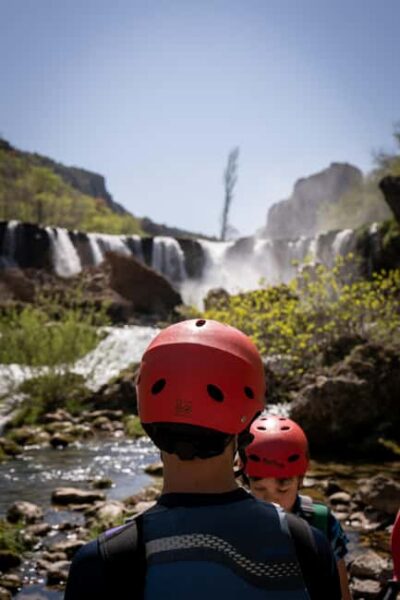 ★ 4.8Zrmanja River: Half-Day Guided Kayaking Tour Near ZadarFrom $641,817 reviews
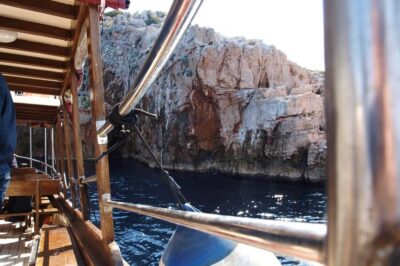 ★ 4.5Zadar: Kornati Boat Trip with Lunch and Swim StopsFrom $641,498 reviews
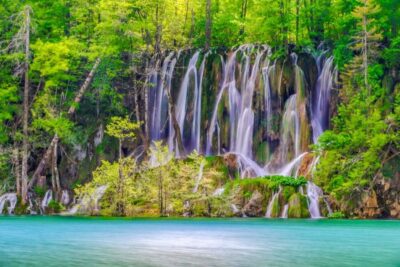 ★ 4.9Zadar: Plitvice Lakes with Boat Ride and Zadar Old Town TourFrom $531,368 reviews
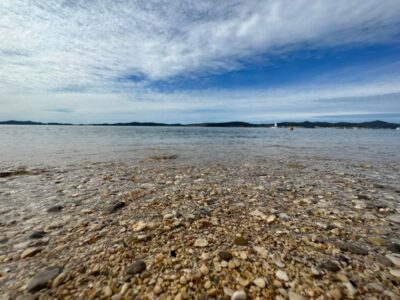 ★ 4.9From Zadar: Island-Hopping Speedboat Tour with DrinksFrom $381,247 reviews
 ★ 4.1Zadar: Kornati and Telašćica Full-Day Boat Trip with LunchFrom $511,193 reviews
 ★ 4.7Zadar: Plitvice Lakes Full-Day Guided Tour with a Boat RideFrom $58807 reviews
 ★ 3.8From Zadar: Kornati National Park and Telascica Boat TripFrom $64788 reviews
Browse the lists this tour appears in