
REVIEW · ZAGREB CITY & UPPER TOWN TOURS
Zagreb: Communism and Croatian Homeland War Tour
Zagreb has a memory problem, and tunnels help. This 2.5-hour Communism and Croatian Homeland War walk connects WWII underground passages, decades of Yugoslav communist life, and the 1990s fight for independence in a way that feels close to daily reality.
I love the way this tour uses hands-on spaces like the WWII tunnels and a real local shelter basement, not just big-picture talking. I also like the storytelling style, with guides such as Darko and Ivana praised for vivid narration and for bringing visuals into the mix, including a final multimedia presentation.
One thing to consider: this is not a gentle history “chat.” It’s emotionally heavy at times, and the route is not suitable for wheelchair users or people with mobility impairments.
In This Review
- Key highlights worth your attention
- Why Zagreb’s basements and tunnels change how you see the city
- Start at Ban Josip Jelačić Square, then walk through a century fast
- Communist Yugoslavia in Zagreb, what you’ll actually understand
- WWII underground tunnels, and how fear leaves physical marks
- Photo stops and the hour-long “hidden gem,” what it’s for
- The end of the story: Zagreb air-raid shelter basement and the video presentation
- Price and time: is $44 for 2.5 hours actually good value?
- Who should book, and who might want a different tour
- How to get the most from the tour day
- Should you book this Zagreb Communism and Croatian Homeland War Tour?
- FAQ
- How long is the Zagreb Communism and Croatian Homeland War Tour?
- Where does the tour start and end?
- What is included in the tour?
- What languages are available for the guide?
- Is this tour wheelchair accessible?
- What are the main rules about who can join and what you can bring?
Key highlights worth your attention
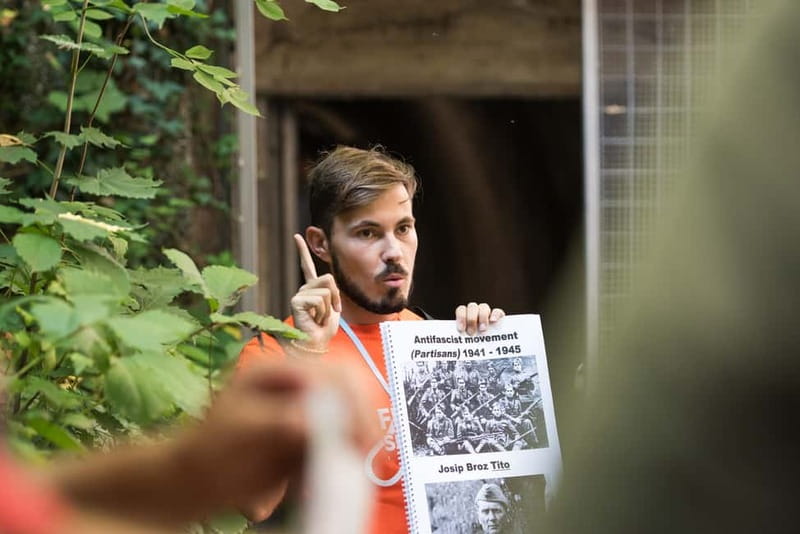
- WWII underground tunnels showing Croatia and Zagreb’s 20th-century shocks
- 1990s air-raid shelter basement where locals hid during attacks on Zagreb
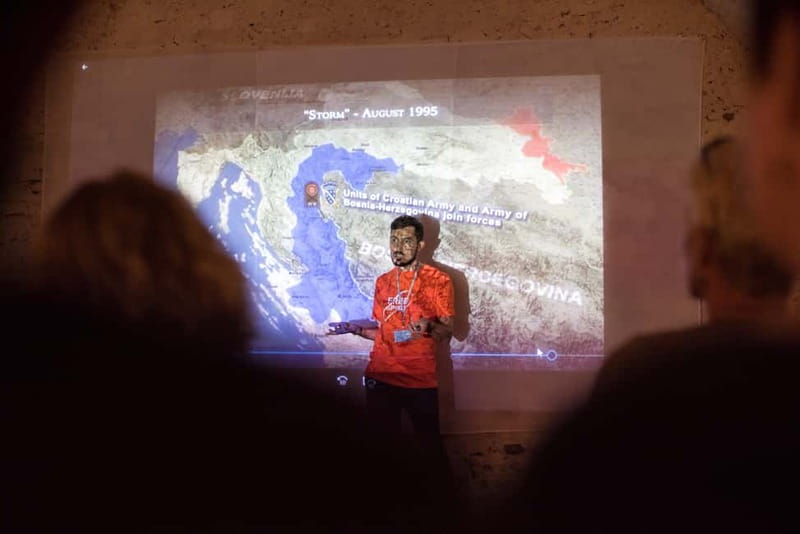
- Croatian Homeland War multimedia presentation that ties scenes together at the end
- Communist-era life in Zagreb, explained through the everyday, not just politics
- A strong guide-led format, with multiple named guides (like Darko and Ivana) repeatedly singled out for engaging delivery
- A photo-stops rhythm, including a longer “hidden gem” segment where you slow down and look closely
More Zagreb walks we have reviewed
- From Zagreb: Plitvice & Rastoke Guided Day Trip with Ticket★ 4.9 · 2,955 reviews
- Zagreb: Rastoke & Plitvice Lakes Guided Tour with Ticket★ 4.9 · 1,897 reviews
- Best of Zagreb with the WW2 Tunnels★ 5.0 · 973 reviews
- Plitvice Lakes with Ticket & Rastoke Guided Tour from Zagreb★ 5.0 · 966 reviews
Why Zagreb’s basements and tunnels change how you see the city
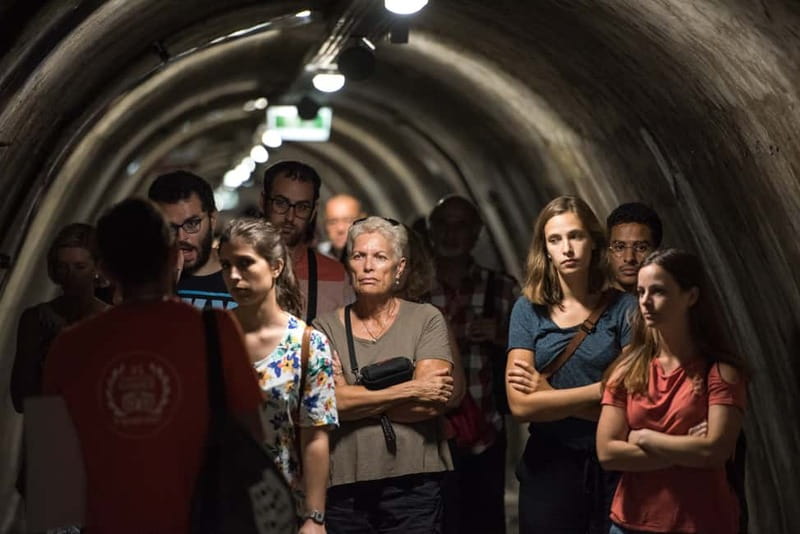
If you only look at Zagreb as a pretty capital with café lines and Baroque corners, you miss a key layer. This tour treats the city like a living archive. You’ll step into places designed for survival, then hear how the same people later navigated independence, war, and the aftermath.
The big value is that you don’t just learn dates. You learn what it felt like to live in Zagreb when history was not some distant textbook. The WWII tunnels show how underground space became part of daily fear patterns. The air-raid basement shows that the same logic returned again in the 1990s, when Zagreb faced bombing and civilians needed shelter quickly.
I also appreciate the tone guides aim for. Some of the best reviews note that the history is delivered with balance, not a single blunt viewpoint. That matters because the wars in this region are tangled, and you’ll get more out of the tour if you keep your mind open to the human complexity.
Start at Ban Josip Jelačić Square, then walk through a century fast
Your tour meets at Ban Josip Jelačić Square, right by the horse statue. It’s a smart starting point because it’s central and familiar, so you’re not already tired before you begin the lesson. After a short guided orientation, you start moving through the city with the guide setting the timeline: WWII, roughly 50 years of communist Yugoslavia, the fall of communism, and the Homeland War.
Timing is part of the design. The route is about 2.5 hours total, with multiple short guided segments and a longer pause for looking and photos. That structure helps you absorb a heavy subject without losing the thread.
You also get the practical benefit of a live guide in English or Spanish. If you like asking questions, this is the kind of tour where a guide can follow your curiosity on the spot.
Communist Yugoslavia in Zagreb, what you’ll actually understand
A lot of “communism history” tours stop at slogans. This one takes a more grounded approach focused on what life looked like in Zagreb during the communist era and what changed as Yugoslavia fell apart.
You’ll learn how political systems shape daily routines, public space, and even how people think about safety and identity. The tour connects those dots to the later independence struggle, so the Homeland War doesn’t feel like a sudden plot twist.
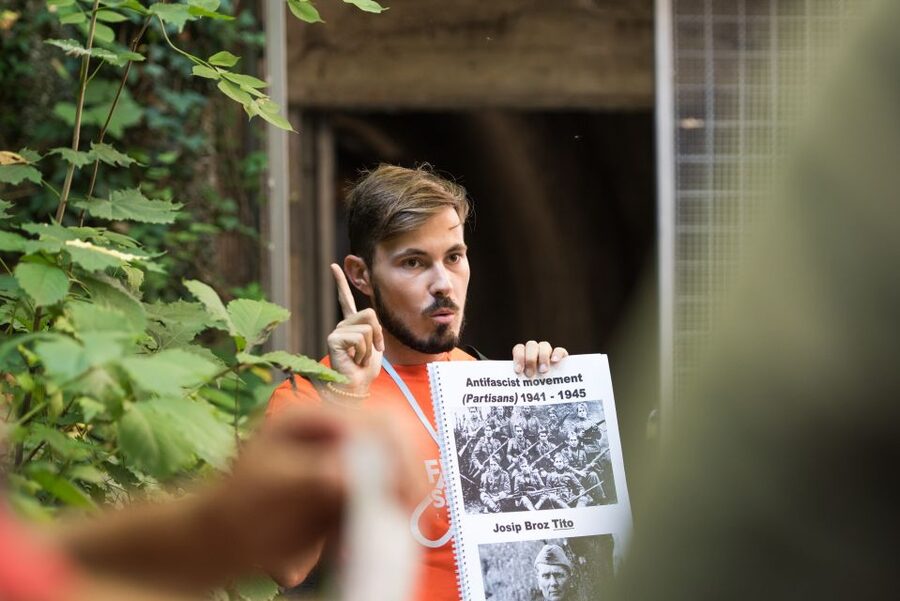
This is also where good guides make the difference. Reviews repeatedly mention guides who tell vivid stories and keep the pace up. Names that come up in that praise include Darko and Ivana, with multiple people highlighting that the guide’s narration makes the history feel real, not abstract. You’ll feel that effect most during the guided stops where the tour transitions from one era to the next.
WWII underground tunnels, and how fear leaves physical marks
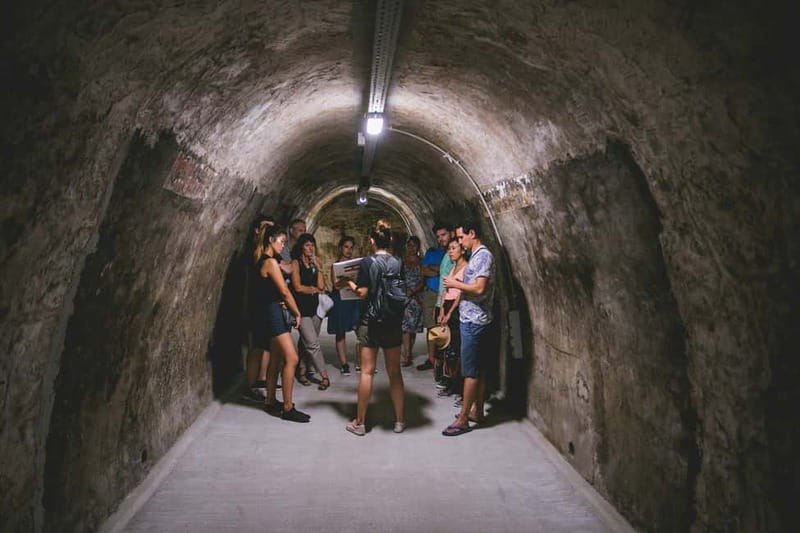
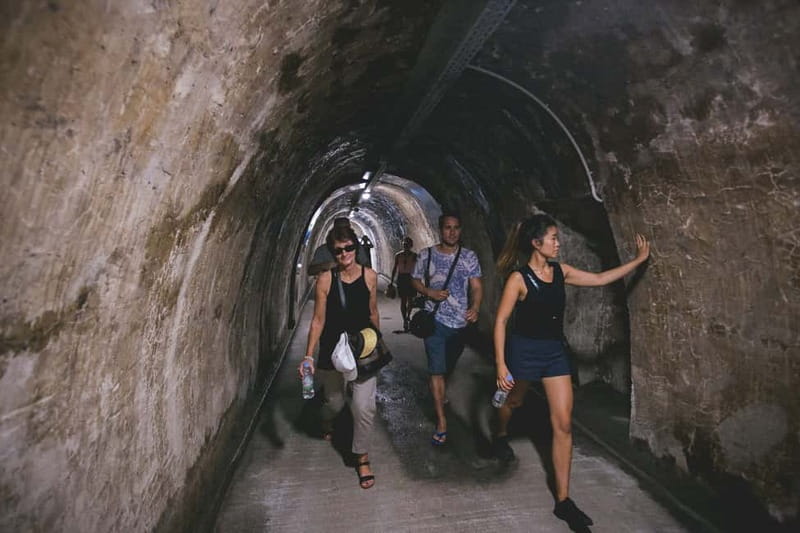
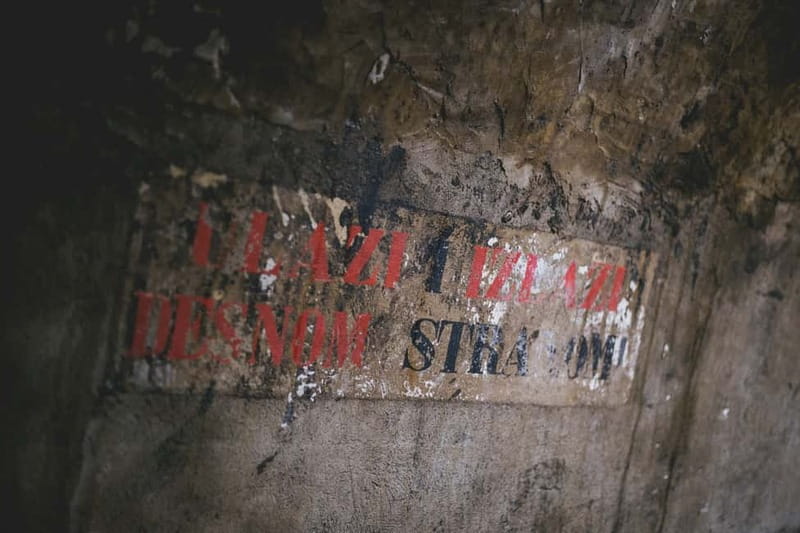
One of the main highlights is the visit to WWII underground tunnels. These passages give you a tangible sense of what wartime preparedness looked like in Zagreb and Croatia during the 20th century.
There’s one important caveat: the tunnels are described as not included during events in the tunnels. Translation for you, plan for the visit when it’s available, but accept that rare access situations could affect how the tunnel portion plays out.
Even when you only spend a limited time underground, the effect is strong. The walls, the routing, and the idea of hiding in confined space makes the war feel less like a chapter in a book and more like an environment people lived inside.
- Plitvice Lakes with Ticket & Rastoke Guided Tour from Zagreb
★ 5.0 · 966 reviews - Zagreb: Small Group Walking Tour City Center and WW2 Tunnels
★ 4.9 · 895 reviews - Zagreb: Skip-the-Ticket-Line Museum of Broken Relationships
★ 4.5 · 847 reviews - Zagreb: City and WWII Tunnels Walking Tour
★ 4.9 · 845 reviews - Plitvice and Rastoke day trip from Zagreb w/ticket (guar. dep.)
★ 5.0 · 804 reviews
Photo stops and the hour-long “hidden gem,” what it’s for
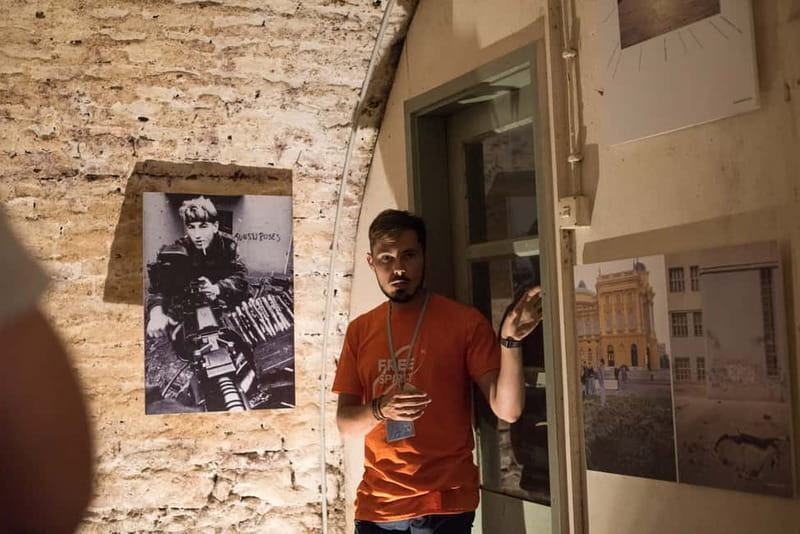
This tour includes photo stops and a longer segment labeled as a hidden gem, with about an hour allocated there. That’s not just padding. It’s time for you to slow down, look carefully, and let the guide point out details that you’d miss on your own.
In tours about 20th-century upheaval, people sometimes rush past the street-level clues. Here, the pacing gives the clues time to land. You’ll get guided context while you’re standing in the right place to understand why a spot mattered then and what it means now.
If you like photos that actually tell a story, you’ll likely appreciate this part. The structure also helps when the subject matter is intense, because a guided pause for photos and close observation gives your brain time to reset.
The end of the story: Zagreb air-raid shelter basement and the video presentation
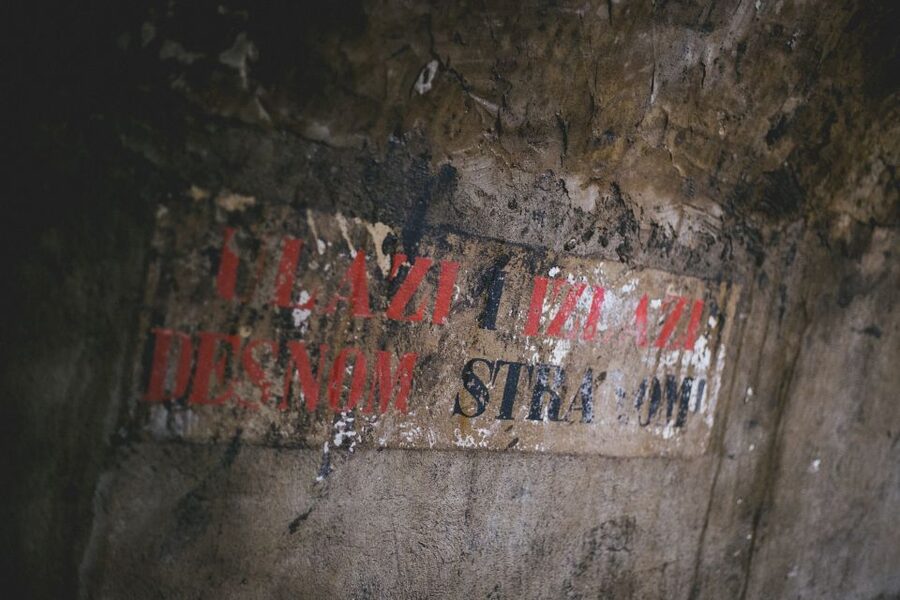
The emotional peak comes at the end. The tour finishes at a basement shelter used by locals during air raids on Zagreb in the 1990s. Walking into a shelter space reframes everything you just heard. This is not theory. This is architecture for surviving sudden danger.
You also get a video presentation as part of the final wrap-up. That multimedia element matters because it reinforces the tour’s timeline and helps you connect what you saw physically to what happened historically. When the guide is strong, the video doesn’t feel like a random add-on. It feels like the last piece that makes the whole sequence click.
If you’ve ever struggled to understand why wars linger in people’s habits and memories, this is where you’ll see the answer in plain form: shelters exist because ordinary life can get interrupted fast.
Price and time: is $44 for 2.5 hours actually good value?
At about $44 per person for roughly 2.5 hours, you’re paying for more than walking. You’re paying for access to underground spaces and a guided explanation that links multiple eras in one thread.
You get:
- A guided city walk led by a live guide
- A visit to the WWII tunnels
- A visit to the 1990s shelter basement
- A Croatian Homeland War multimedia presentation
So the question isn’t just “is it cheap.” It’s “are you paying for something you couldn’t easily DIY.” The tunnels and basement visit are the kind of experiences that are hard to recreate on your own without local knowledge and the right access.
Also, you get enough time to absorb context. Two and a half hours is long enough to connect WWII, communism, and the Homeland War, but short enough that you won’t feel cooked by the end if you’re also sightseeing the rest of your day.
Who should book, and who might want a different tour
This tour suits you if you want context, not just landmarks. You’ll likely enjoy it most if you:
- Like modern European history with real-world sites
- Want to understand how Zagreb’s recent past shapes Croatia today
- Prefer a guide who tells stories and uses visuals to support the lesson
It may be less comfortable for you if you:
- Are looking for a light, casual walk
- Don’t want to spend time in shelter-like spaces
- Need routes for wheelchair users or other mobility requirements (this tour is not suitable for wheelchair users or people with mobility impairments)
One practical point: pets and luggage or large bags are not allowed. Keep your load light.
How to get the most from the tour day
Come with a few basics in your head, so the guide can build on them. Zagreb sits at a crossroads of empires, ideologies, and shifting borders, so the tour’s century-spanning approach will click faster if you remember you’re seeing repeated patterns of instability.
During the walk, pay attention to the guide’s transitions. The best part of this tour is how it stitches together the communist era with the fall of Yugoslavia and then to the Homeland War, so you can see cause and effect.
And if you care about balance, listen to how the guide frames perspectives. Some of the strongest feedback notes that guides try to be thoughtful about viewpoint and encourage learning beyond one narrative. That mindset helps you leave with clarity, not confusion.
Should you book this Zagreb Communism and Croatian Homeland War Tour?
Yes, if you want an on-the-ground history lesson in Zagreb, this is one of the best ways to do it in a short time. The combination of WWII underground tunnels and a 1990s air-raid shelter basement, plus the final multimedia presentation, gives you physical context and narrative structure at the same time.
Skip it only if you need a fully accessible route, you want something strictly light, or you’re not comfortable with intense war-related topics. Otherwise, this is exactly the kind of tour that makes a city feel honest, not just pretty. You’ll leave understanding Zagreb’s past in a way that pictures alone just cannot provide.
FAQ
How long is the Zagreb Communism and Croatian Homeland War Tour?
The tour duration is listed as 2.5 hours.
Where does the tour start and end?
It starts at Ban Josip Jelačić Square, in front of the horse statue. It ends back at the meeting point.
What is included in the tour?
You get a walking tour with a local guide, a Croatian Homeland War multimedia presentation, a visit to a basement used as a shelter in the 90s, and a visit to the WWII tunnel.
What languages are available for the guide?
The live tour guide is available in Spanish and English.
Is this tour wheelchair accessible?
No. It is not suitable for wheelchair users or people with mobility impairments.
What are the main rules about who can join and what you can bring?
Pets are not allowed. Luggage or large bags are not allowed. Unaccompanied minors are not allowed, and children must be accompanied by an adult.
Zagreb On Foot, Continued



Freshly written up around Zagreb
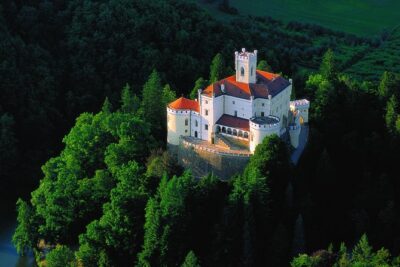
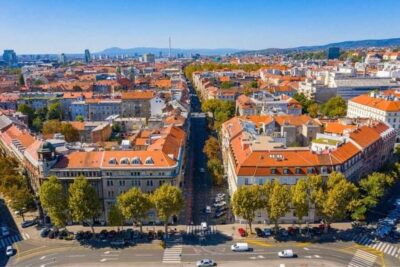
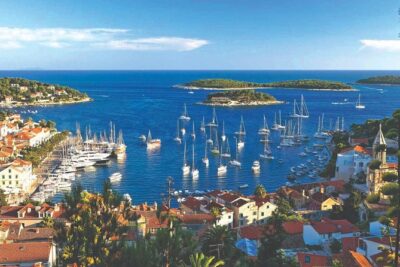
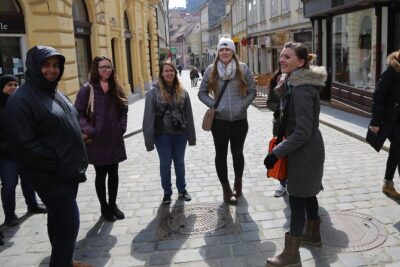
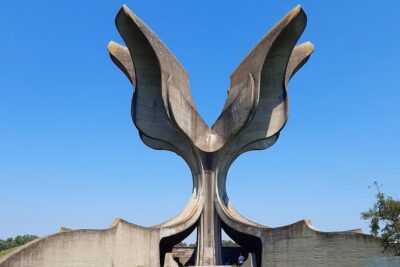
Zagreb City & Upper Town Tours, top to bottom.
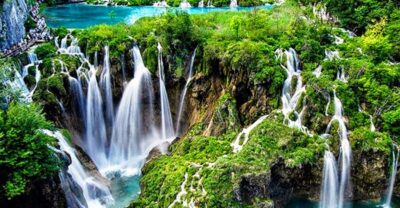 ★ 4.9From Zagreb: Plitvice & Rastoke Guided Day Trip with TicketFrom $612,955 reviews
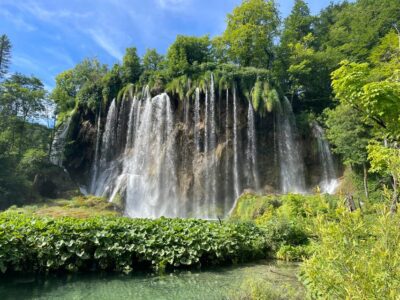 ★ 4.9Zagreb: Rastoke & Plitvice Lakes Guided Tour with TicketFrom $571,897 reviews
 ★ 5.0Best of Zagreb with the WW2 TunnelsFrom $23973 reviews
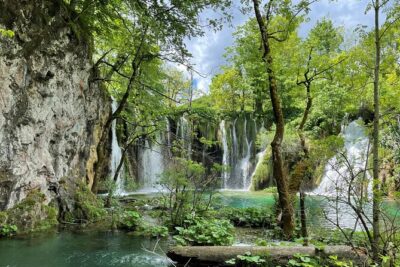 ★ 5.0Plitvice Lakes with Ticket & Rastoke Guided Tour from ZagrebFrom $78966 reviews
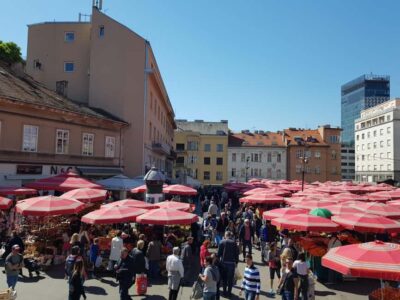 ★ 4.9Zagreb: Small Group Walking Tour City Center and WW2 TunnelsFrom $23895 reviews
 ★ 4.5Zagreb: Skip-the-Ticket-Line Museum of Broken RelationshipsFrom $8847 reviews
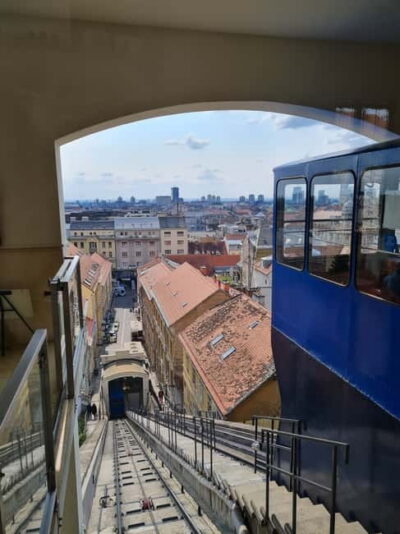 ★ 4.9Zagreb: City and WWII Tunnels Walking TourFrom $23845 reviews
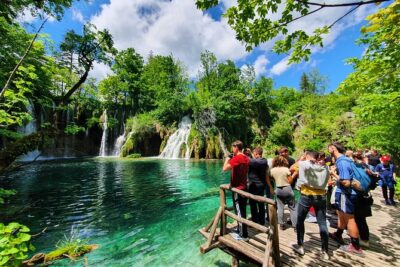 ★ 5.0Plitvice and Rastoke day trip from Zagreb w/ticket (guar. dep.)From $78804 reviews
Browse the lists this tour appears in