
REVIEW · ZAGREB CITY & UPPER TOWN TOURS
Zagreb: Small Group Walking Tour City Center and WW2 Tunnels
WWII tunnels add an unexpected edge to Zagreb. This 2.5-hour small-group walk connects medieval street life to the city’s wartime story, with expert guidance you might get from locals like Petra. Along the way you’ll cover the big landmarks, plus the local habits that make Zagreb feel like a real place, not just postcards, with Grič Tunnel as the standout detour.
What I like most is the way the guide stitches together “then and now.” You start in the green calm of Park Zrinjevac, then move into Ban Jelačić Square, the Cathedral area, and onward to Dolac Market and Tkalčićeva Street, where Zagreb’s daily rhythm comes through fast. Second, the Upper Town sequence is built for payoff, Strossmayer Promenade for rooftop views, Lotrščak Tower, and St Mark’s Church, then the Stone Gate and its tiny chapel with the Our Lady picture.
One thing to plan around: the WWII tunnel. The WW2 Tunnel may close for events, like exhibitions or theatre shows, and if that happens, you won’t be able to visit it.
In This Review
- Key takeaways before you lace up
- From Zrinjevac to the Main Square, Zagreb in one walk
- Zrinjevac Park and Ban Jelačić Square, where the tour sets its tone
- The Cathedral and Dolac Market, two sides of the city in one stretch
- Grǐč Tunnel, WWII history that hits in the body, not just the brain
- Upper Town and Gradec, the postcard views with a reason
- Museum of Broken Relationships and the role of oddball detours
- Stone Gate and the oldest pharmacy, history you can almost touch
- What you get for about $23, and why it feels like good value
- Who should book this tour, and who should skip it
- Should you book Zagreb’s city center walk with WWII tunnels?
Key takeaways before you lace up
- Small-group pace that actually lets you hear the stories without being swept along
- Grič Tunnel as a real highlight, not a quick photo stop
- Dolac Market and Tkalčićeva Street for how Zagrebians live, shop, and unwind
- Gradec viewpoints from Strossmayer Promenade, plus Lotrščak Tower and St Mark’s Church
- Stone Gate and the 14th-century pharmacy for a surprisingly intimate historic stop
- A “secret stop” where the guide adds local lore, including witchcraft stories
More Zagreb walks we have reviewed
- From Zagreb: Plitvice & Rastoke Guided Day Trip with Ticket★ 4.9 · 2,955 reviews
- Zagreb: Rastoke & Plitvice Lakes Guided Tour with Ticket★ 4.9 · 1,897 reviews
- Best of Zagreb with the WW2 Tunnels★ 5.0 · 973 reviews
- Plitvice Lakes with Ticket & Rastoke Guided Tour from Zagreb★ 5.0 · 966 reviews
From Zrinjevac to the Main Square, Zagreb in one walk
This tour is designed for one thing: getting your bearings in Zagreb quickly. You meet at Zrinjevac Park, at Trg Nikola Subic Zrinski 2, next to the meteorological station display. From there, the route moves in a logical sweep, downhill-to-uphill-to-downhill, so you’re not zigzagging across town on your own.
The full walk takes about 2.5 hours. It’s long enough to feel like you covered the heart of the city, but short enough that you still have time to keep exploring afterward. And because it’s a small group with a licensed local guide in English, you’re not just looking at sights, you’re understanding how they connect.
If you’re thinking, I only have a short window in Zagreb, this is the kind of half-day plan that saves you decision fatigue. Your feet do the work, but your guide handles the context. That matters in places like Zagreb, where the story is partly medieval, partly Central European everyday life, and partly wartime survival.
Also, bring a rain layer. Even with bad weather, the walk itself stays doable, and the guide can still keep things moving while you see the key stops.
Zrinjevac Park and Ban Jelačić Square, where the tour sets its tone
Zrinjevac Park is an easy first scene. It gives you a green, open start, perfect for learning how the city thinks about itself. You’ll get a photo stop and guided tour right in the park, then move to Ban Josip Jelačić Square.
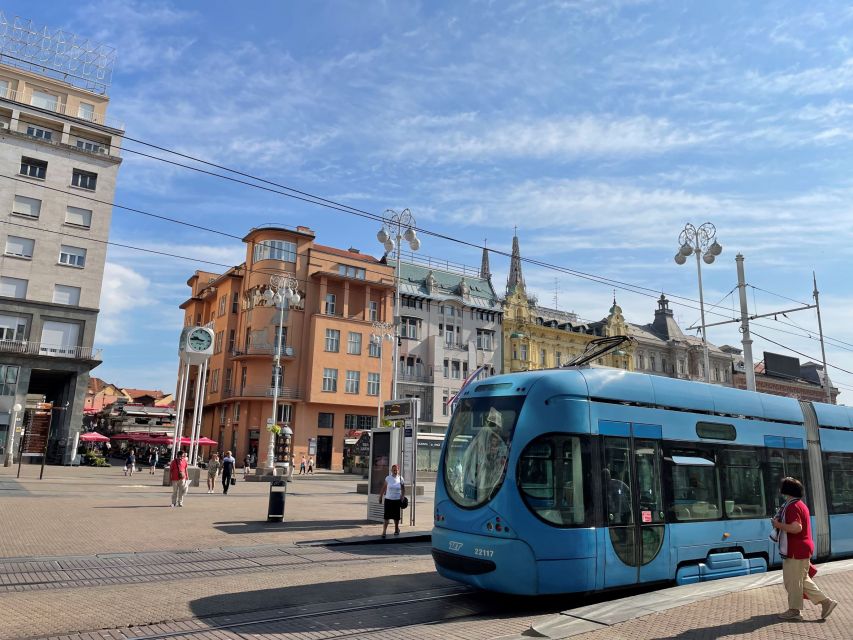
Ban Jelačić Square is Zagreb’s main stage. It’s where the walk starts to feel “official,” in the best way. Here you’ll learn how Zagreb got its name, and you’ll understand why this area matters as a meeting point for city life. It’s not just trivia. The guide uses these early stops to show you the city’s identity, and why the rest of the route makes sense.
A good sign you picked the right tour: the guide doesn’t treat these squares like static monuments. Names, legends, and daily habits all show up early, so the later surprises land better. Guides like Tom and Petra are often praised for weaving history with culture and the way people actually live, not just reciting dates.
The Cathedral and Dolac Market, two sides of the city in one stretch
Next comes the Cathedral, the Cathedral of the Assumption of the Blessed Virgin Mary, one of Zagreb’s most important landmarks. Expect a story about its origins and the difficulties it has endured, plus the fact that it has been renovated. That’s useful perspective, because so many travelers treat major churches like they’re fixed in time. Here you learn they’re part of a city that keeps rebuilding.
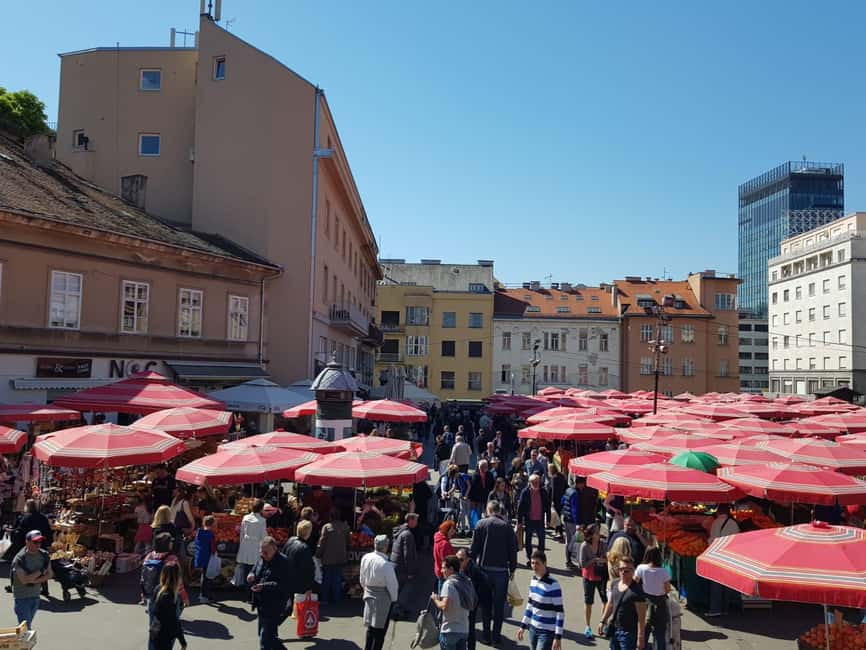
From the Cathedral zone, the tour heads to Dolac Market, often called the belly of Zagreb. Your stop is timed as a photo and guided segment, and it’s a major moment in the route. This is where you see how city life is organized around food, vendors, and everyday shopping.
Two practical notes you should keep in mind. First, Dolac Market is closed in the afternoon and on public holidays. Second, even when it’s open, you’re not on a long food tour, since food and drinks aren’t included. The point is to experience the atmosphere and learn why this market is central to local routines.
Then you continue toward Tkalčićeva Street, known as bar street. The guide shares the philosophy behind local lounging and other everyday habits. That’s the kind of detail you can’t pick up from a guidebook scan. It helps you understand what Zagreb feels like after the sightseeing fades.
Grǐč Tunnel, WWII history that hits in the body, not just the brain
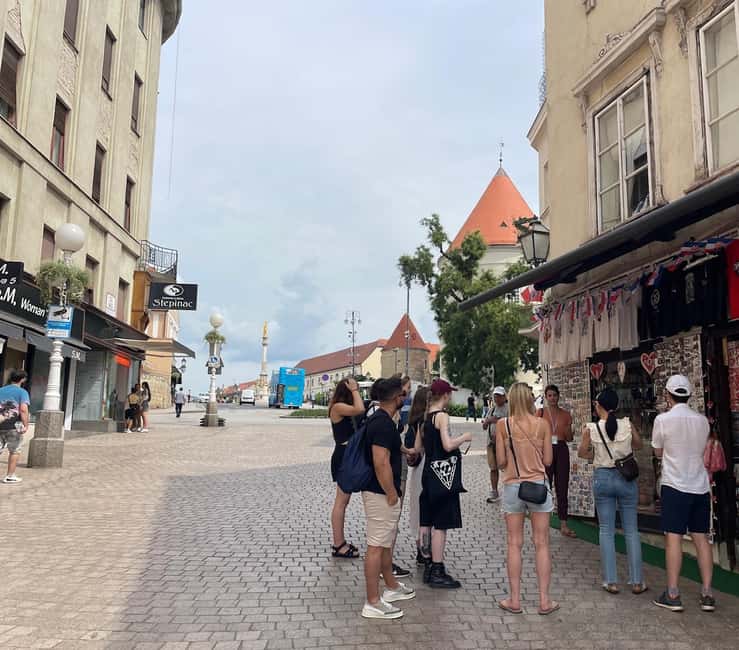
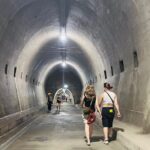
This is the stop you came for: the WW2 tunnel, specifically the Gric Tunnel. It’s scheduled as a photo stop with guided time. Expect it to take around 20 minutes in the plan.
Here’s the value: tunnels compress time. You feel the wartime reality in a physical way, and your guide can explain what you’re seeing without turning it into a dry lecture. It’s one of the best contrasts you can get in a single city day, because Zagreb’s streets around you look calm, while the underground tells a different story.
Important caution. The WWII tunnel may be closed to visitors if there’s an event in it, like an exhibition or theatre show. If that happens, the guide still keeps you on track, but the tunnel experience itself may not be possible. So, if the tunnel is your number one priority, you might want to plan a flexible day and not treat it as guaranteed.
If you’re traveling with someone who thinks history tours are boring, this is the exception. The setting naturally keeps attention, and the guide can turn the space into a story you remember.
More Zagreb covered at walking pace
- Zagreb: Small Group Walking Tour City Center and WW2 Tunnels
★ 4.9 · 895 reviews - Zagreb: City and WWII Tunnels Walking Tour
★ 4.9 · 845 reviews - Walking tour of Zagreb
★ 5.0 · 383 reviews - Zagreb Small Group Guided Walking Tour with WW2 Tunnels
★ 5.0 · 380 reviews - Zagreb: Restaurants, Food & Old Town Walking Tour
★ 5.0 · 191 reviews
Upper Town and Gradec, the postcard views with a reason
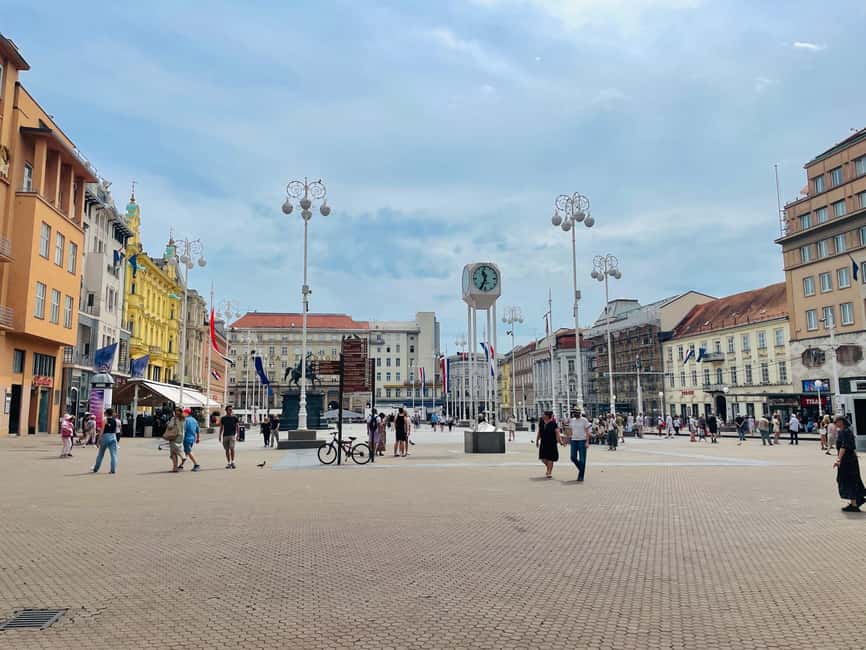
After the tunnel, the route shifts toward the Upper Town area, Gradec. Gradec is one of Zagreb’s two medieval settlements that formed the city, and the walk gives you a quick, clear sense of why the medieval layout still matters.
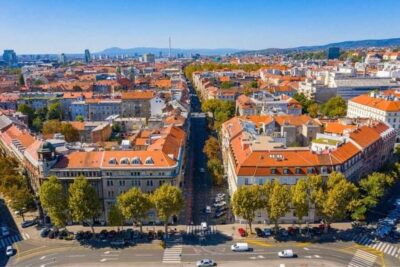
You’ll pass the Strossmayer Promenade, described as the best spot for panoramic views of Zagreb rooftops. This is where you get the “pause and look” moment. The city spreads out beneath you, and you start recognizing the landmarks you just walked through at street level.
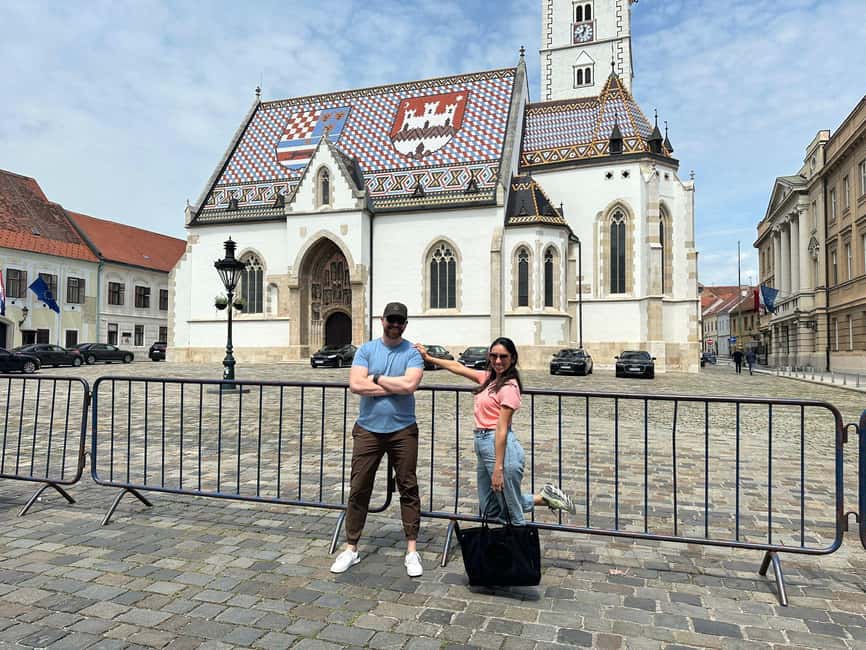
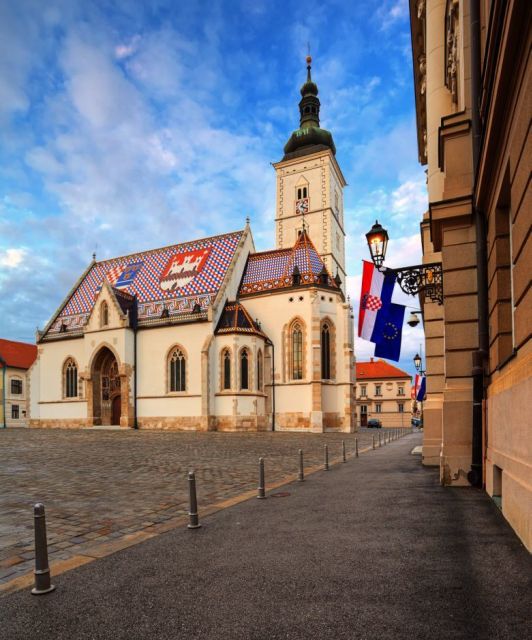
Then you’ll reach Lotrščak Tower and St Mark’s Church, both classic Zagreb visuals. Lotrščak Tower gets a photo stop and guided time. St Mark’s Church is famous for a picturesque rooftop appearance, the kind that shows up on postcards.
This is another place where the guide’s job is more than facts. By now, you understand the city’s layers. The rooftops and tower are not just pretty. They’re a window into how Gradec used to function and why the city’s identity clings to this spot.
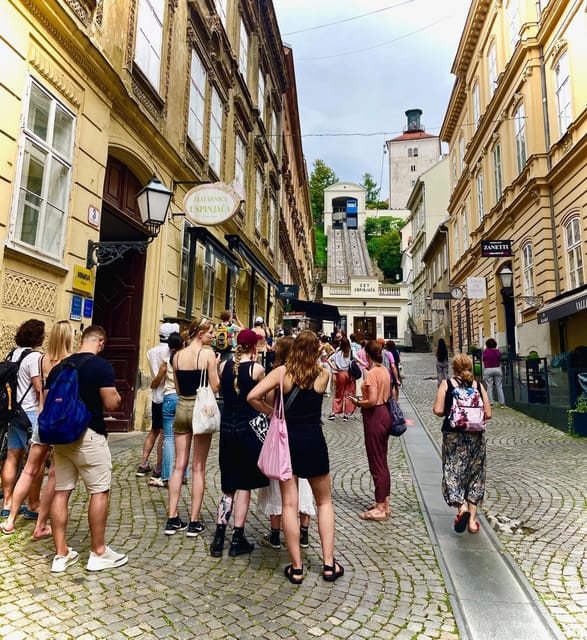
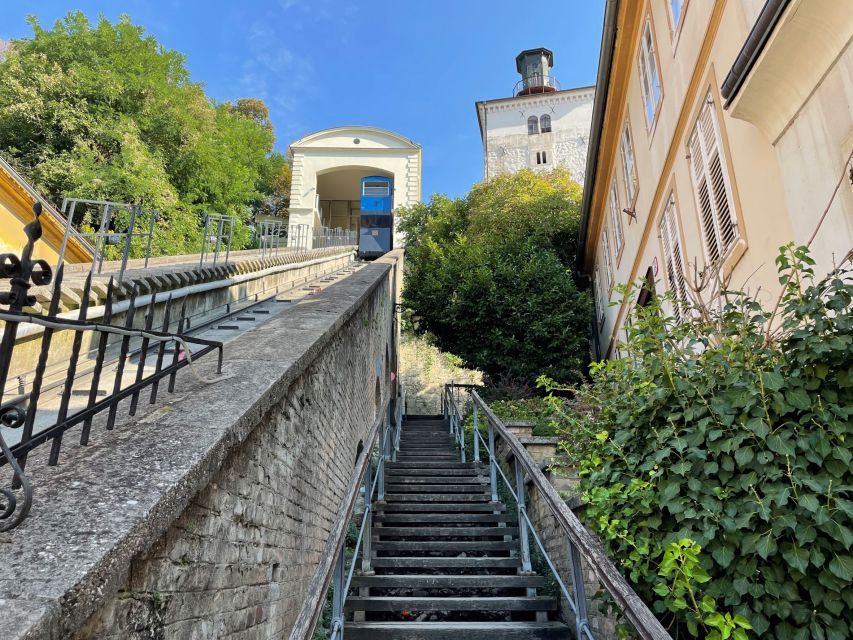
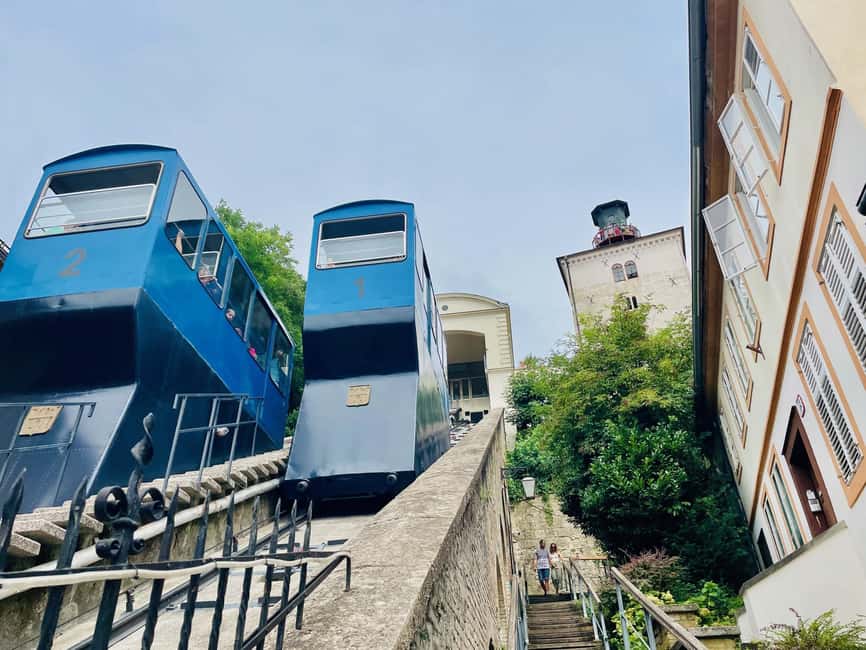
One more small transportation moment: a funicular sits nearby, and the guide explains it’s Zagreb’s oldest form of public transportation, operating for over 135 years. But it’s currently closed due to renovation until March 2026. You’ll still get the sightseeing connection, just not the ride.
Museum of Broken Relationships and the role of oddball detours
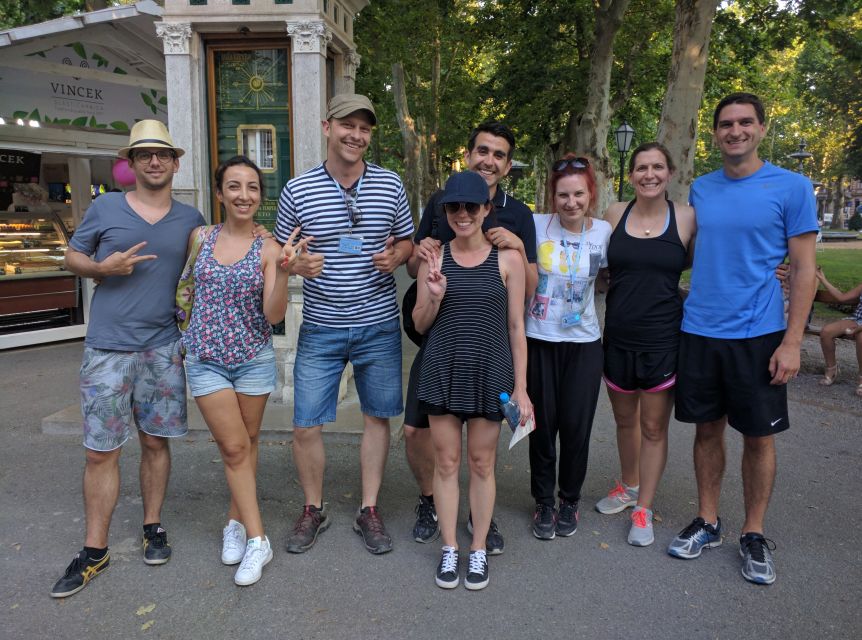
The tour includes a pass-by of the Museum of Broken Relationships. You’re not scheduled for an in-depth visit here, but you’ll see it as part of the city sweep, then move on.
Why include this at all? Because Zagreb isn’t trying to be only elegant or only historic. It also has space for strange, personal, and modern ways of processing relationships and loss. Even if you don’t go inside, knowing it exists adds texture to your mental map of the city.
Just as important, the pace stays friendly. After Lotrščak and St Mark’s, you descend and keep moving, so the tour keeps its momentum without turning into a sprint. That balance is one reason this itinerary works well for first-time visitors.
Stone Gate and the oldest pharmacy, history you can almost touch
Now you head toward the Stone Gate. This is a big deal in a small package. The guide explains it was part of the city walls and that it’s the only gate that has survived.
Inside, there’s a small chapel housing a miraculous picture depicting Our Lady, the patron saint of Zagreb. That kind of detail matters because it turns a gate into a living symbol, not just a leftover wall segment.
Right nearby is the oldest pharmacy in Zagreb, dating from the 14th century. This is one of those “wait, what?” stops that makes the tour feel more human. You get a sense that everyday services, medicine, and city life all have deep roots, even if your next steps are modern streets and coffee shops.
Then you’ll walk through the old town finish flow, including a quick “secret stop” pass-by. The guide also shares witchcraft stories and other hidden gems. That’s not random. It rounds out the city’s identity, adding folklore and local belief alongside architecture and war history.
You end back near the Main Square at Trg bana Josipa Jelačića, where you can drop into the rest of your Zagreb plans with your head clear.
What you get for about $23, and why it feels like good value
The price is listed as $23 per person, and for a 2.5-hour guided walk that includes a WWII tunnel stop, it’s strong value. You’re paying for more than walking. You’re paying for interpretation, and that’s where the tour earns its keep.
A big part of that comes from the guides. Names that show up in the guide reviews include Petra, Tom, Bernarda, and Maya. The common thread across these different guides is storytelling that connects architecture with culture and daily life, plus practical answers when people ask questions.
This is also a smart way to spend money in a city where major sights are close enough to walk, but far enough apart that you need context to understand the overall layout. A guide saves you from guessing why you’re seeing something, and it helps you notice things you would otherwise walk past.
Food and drinks aren’t included, so if you want a meal, you’ll have to plan that separately. For me, that keeps the tour focused on seeing and learning, then gives you freedom afterward to choose where to eat based on your tastes.
Who should book this tour, and who should skip it
Book it if you want:
- a first-time Zagreb overview that still includes a serious stop underground in the Grič Tunnel
- a small-group format where your questions feel possible
- a route that covers the key old town sights, Cathedral area, Dolac Market, Gradec viewpoints, and the Stone Gate
Skip it or consider another option if:
- you need wheelchair access. This tour is not suitable for wheelchair users.
- the WWII tunnel is non-negotiable for you. There is a real chance it can be closed due to events, and in that case you’ll lose the tunnel visit.
If you’re a solo traveler, you’ll appreciate the structure. If you’re with friends, you’ll appreciate that the group stays small and the walk stays paced.
Should you book Zagreb’s city center walk with WWII tunnels?
I think you should book this tour if you want maximum Zagreb per hour, with real local storytelling. The route hits the big sights, but it also slows down at the places that teach you how the city works, from the market and bar street habits to the underground WWII experience.
My quick checklist:
- You have about half a day and want a guided route, not a DIY scramble.
- You’re curious about how history shows up in daily life, not just museums.
- You can handle walking and stairs, and you’re okay with the tunnel being subject to event closures.
If those match your travel style, this is a very solid choice for Zagreb.
City-Scale Tours in Zagreb


Walk It: More of Zagreb at Ground Level


Zagreb On Foot, Continued



Freshly written up around Zagreb
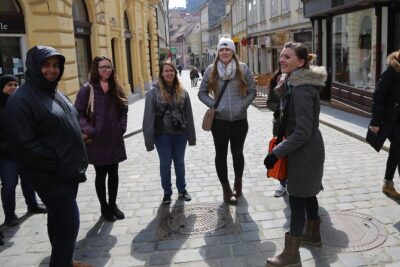
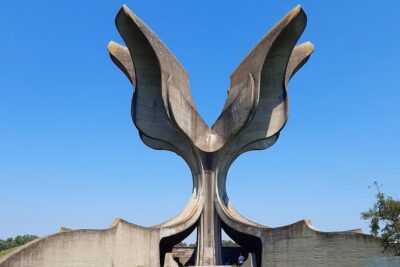
Zagreb City & Upper Town Tours, top to bottom.
 ★ 4.9From Zagreb: Plitvice & Rastoke Guided Day Trip with TicketFrom $612,955 reviews
 ★ 4.9Zagreb: Rastoke & Plitvice Lakes Guided Tour with TicketFrom $571,897 reviews
 ★ 5.0Best of Zagreb with the WW2 TunnelsFrom $23973 reviews
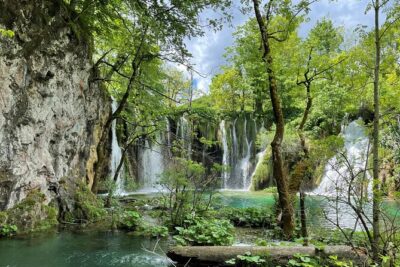 ★ 5.0Plitvice Lakes with Ticket & Rastoke Guided Tour from ZagrebFrom $78966 reviews
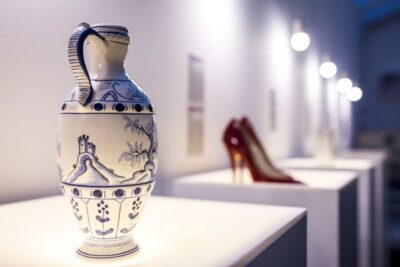 ★ 4.5Zagreb: Skip-the-Ticket-Line Museum of Broken RelationshipsFrom $8847 reviews
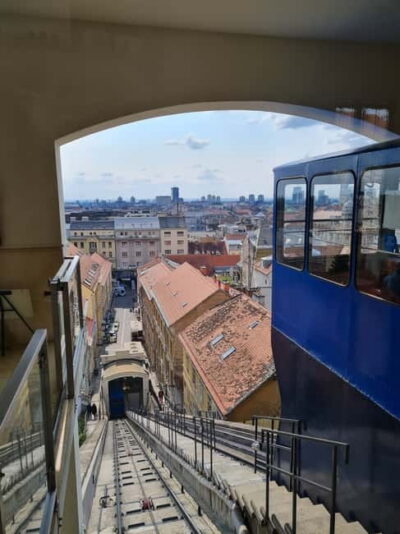 ★ 4.9Zagreb: City and WWII Tunnels Walking TourFrom $23845 reviews
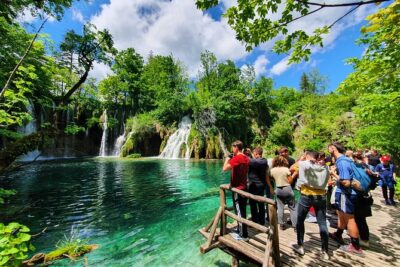 ★ 5.0Plitvice and Rastoke day trip from Zagreb w/ticket (guar. dep.)From $78804 reviews
 ★ 4.9Zagreb: Communism and Croatian Homeland War TourFrom $44779 reviews
Browse the lists this tour appears in