
REVIEW · TOURS
Communism & Croatian Homeland War Tour
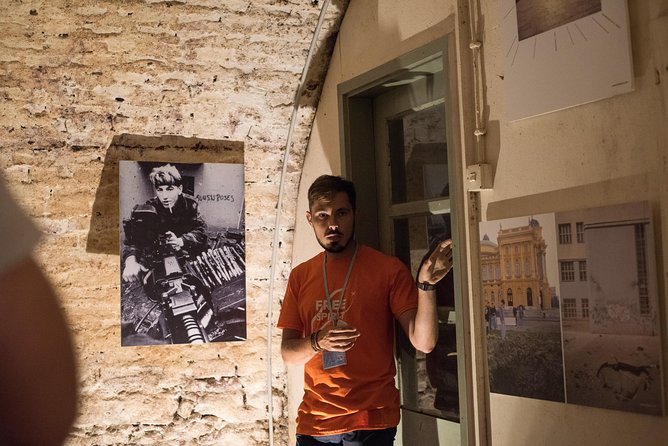
Zagreb has a story you feel underground. This tour links the city’s public monuments with what people hid in during bombings, then connects it to the Yugoslavia era and Croatia’s Homeland War. I really like the real WWII tunnels and shelter basements, and the way the route stays compact and walkable around central Zagreb.
What makes the experience stick is the teaching style. You get multimedia presentations built around the fall of Yugoslavia and Croatia’s War of Independence, plus clear explanations that help you follow a complicated 20th century without getting lost in names and dates.
One possible drawback: this is a politics-and-war-focused tour, not a casual sightseeing loop. You should be ready for heavy topics, and the pay-off is learning, not postcard views.
In This Review
- Key highlights at a glance
- Why This Tour Feels Different Than Usual Zagreb Sightseeing
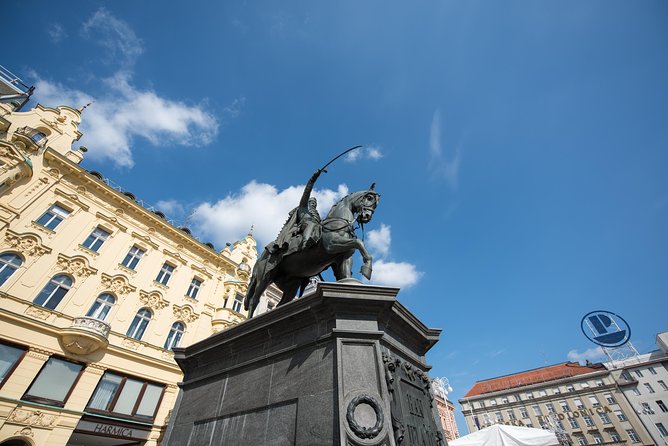
- Start at Ban Josip Jelačić, Then Get Oriented Fast
- Tunel Gric: WWII Air-Raid Tunnels Plus Communism-Era Context
- Kaptol: Another Shelter Space and a Multimedia Look at Yugoslavia’s Fall
- The Monuments Matter, But the Guide Makes the Timeline Click
- What the Pacing Feels Like in Real Life
- Included for the Price, and Why It’s Good Value
- Who Should Book This (and Who Might Skip It)
- Should You Book This Communism & Croatian Homeland War Tour?
- FAQ
- How long is the Communism and Croatian Homeland War Tour?
- Where does the tour start, and when do I meet the group?
- Is the tour in English, and do I get a mobile ticket?
- What’s included in the tour?
- Are Tunel Gric and other tunnel areas available during all events?
- What is the cancellation policy?
Key highlights at a glance
WWII shelter visits at Tunel Gric, with context for life under air raids
Two different shelter basements that connect different time periods
Multimedia history on Yugoslavia’s fall and Croatia’s War of Independence
Small group size (max 20), so you can ask questions
- English-guided, mobile-ticket friendly walking format in central Zagreb
Still weighing it up? These Zagreb trips also came through our review desk.
- From Zagreb: Plitvice & Rastoke Guided Day Trip with Ticket★ 4.9 · 2,955 reviews
- Zagreb: Rastoke & Plitvice Lakes Guided Tour with Ticket★ 4.9 · 1,897 reviews
- Communism & Croatian Homeland War Tour★ 5.0 · 1,355 reviews
- Best of Zagreb with the WW2 Tunnels★ 5.0 · 973 reviews
Why This Tour Feels Different Than Usual Zagreb Sightseeing
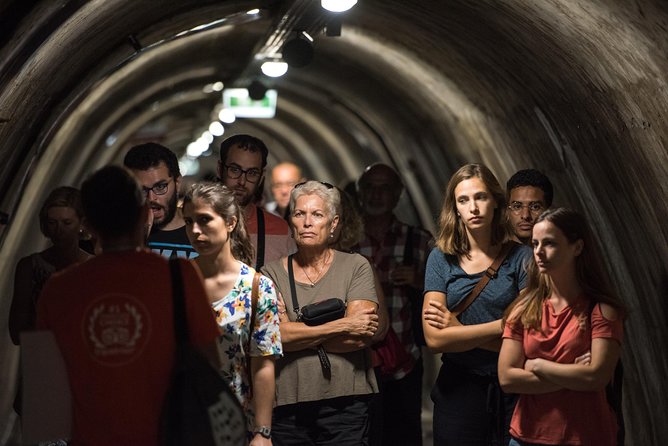
If you only do classic old-town Zagreb, you can leave with pretty views and very little sense of why this region changed so fast. This tour goes the other direction. It starts in a central square, moves on foot, and then takes you into the kinds of spaces that most visitors never see.
The title promises communism, and you do touch that era. But the real strength is how the guide connects eras into one timeline, from earlier conflicts through the Yugoslavia period and into the 1990s. That thread matters because Croatia’s modern story does not make sense as isolated facts.
This is also priced low for what you get. At $47.16 per person, you are paying for a guided walk, and for access to important underground spaces plus built-in multimedia. In a city where many history experiences are either long bus tours or museum-only visits, this format gives you context while you’re still oriented on the map.
Start at Ban Josip Jelačić, Then Get Oriented Fast
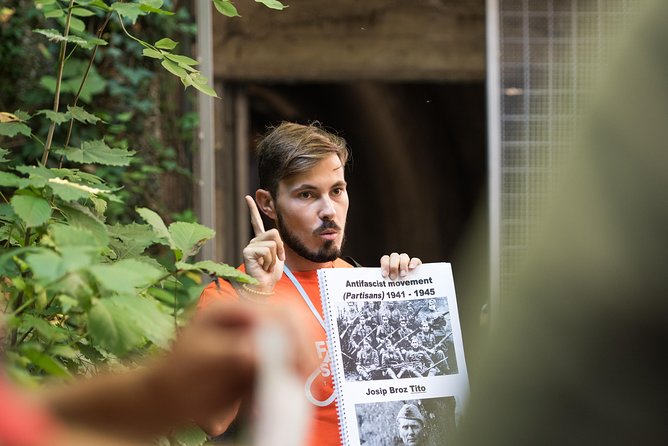
You begin at the Ban Josip Jelačić Statue on Trg bana Josipa Jelačića 15, 10000, Zagreb. The schedule is straightforward:
- Monday to Saturday: meeting at 3:00pm
- Sunday: meeting at 11:00am
That matters because the meeting point is central and easy to reach by public transportation. You are not hunting for a hidden location at the edge of town. You also get your bearings early. Before the tour turns underground, the guide sets up the big picture so the later stops do not feel like unrelated history fragments.
If you like learning with your feet on the ground, this start works well. The tour keeps you moving through central areas, then shifts into spaces that were built for fear and survival.
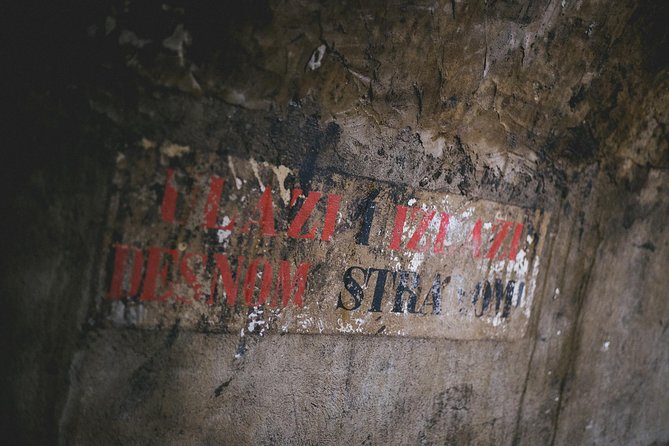
Tunel Gric: WWII Air-Raid Tunnels Plus Communism-Era Context
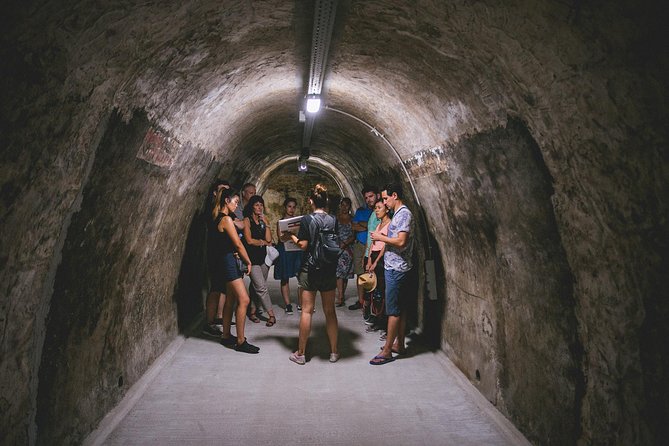
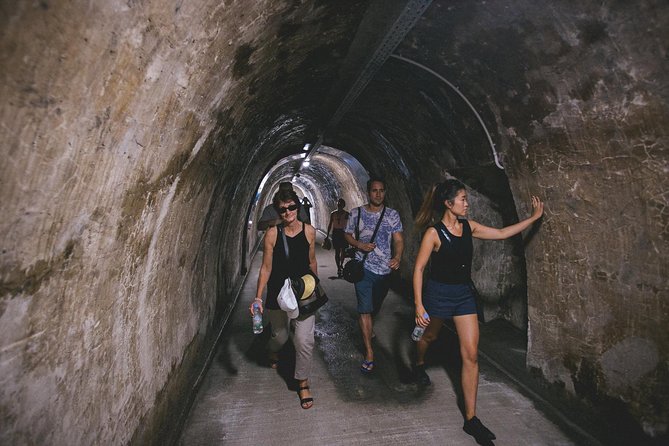
The first underground stop is Tunel Gric. You spend about 1 hour here, and the emphasis is not just the tunnel itself. The guide explains the WWII-era purpose of these spaces and how shelters shaped daily life during air raids on Zagreb.
This is where the “why” becomes real. In a museum, war history often stays behind glass. In a tunnel shelter, you feel why people had to adapt fast. The tour also connects this setting to the communist-era experience in Zagreb, so you understand that the region’s pressures did not appear out of nowhere.
A practical note: Tunel Gric is not included during public events in the tunnels and during the Christmas Market. That means the tour operator may adjust access depending on what is going on in the space. It’s still a strong stop, but keep that detail in mind so you do not assume the tunnel schedule never changes.
Kaptol: Another Shelter Space and a Multimedia Look at Yugoslavia’s Fall
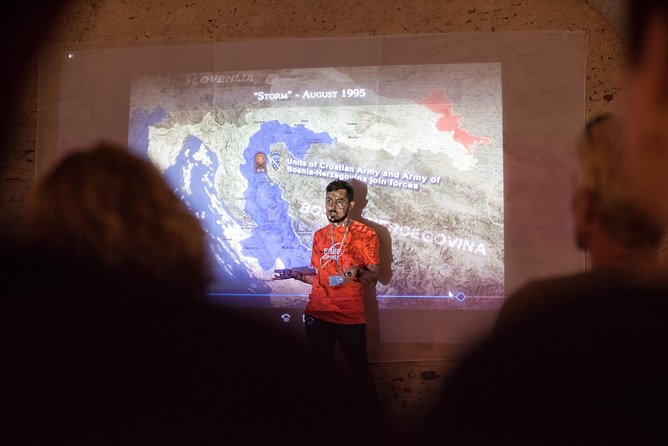
After the tunnel, the route moves to Kaptol. This stop is also about 1 hour, and it continues the theme of shelters used during bombings. You will learn more here about how the Yugoslavia era changed, and you’ll see a multimedia exhibition focused on the fall of Yugoslavia.
Kaptol is a good counterbalance to Tunel Gric. Tunel Gric is physical survival under WWII threats. Kaptol shifts toward political and social survival as the region’s future was being decided. The multimedia part is especially helpful if you do not already have a mental map of the 1990s.
One reason I like this setup: it avoids dumping only facts at you. It gives your brain something to hold onto, visuals plus spoken context. The tone is serious, but the delivery is designed to keep the timeline understandable.
- Plitvice Lakes with Ticket & Rastoke Guided Tour from Zagreb
★ 5.0 · 966 reviews - Zagreb: Small Group Walking Tour City Center and WW2 Tunnels
★ 4.9 · 895 reviews - Zagreb: Skip-the-Ticket-Line Museum of Broken Relationships
★ 4.5 · 847 reviews - Zagreb: City and WWII Tunnels Walking Tour
★ 4.9 · 845 reviews - Plitvice and Rastoke day trip from Zagreb w/ticket (guar. dep.)
★ 5.0 · 804 reviews
The Monuments Matter, But the Guide Makes the Timeline Click
Stop 1 is the Ban Josip Jelačić Monument. You spend about 30 minutes, and the ticket is free. This might sound like a short, simple start. In practice, it works because the guide uses that location to talk about how Croatia sees itself and how the story keeps shifting as power changes.
What really drives the value is the guide experience and teaching method. The tour description notes a certified local guide with 500+ tours experience, and the guides who have led this tour in the past include people with names like Ivana, Luka, Darko, and Diana. Across those guides, a consistent pattern shows up: maps, photos, and clear explanations that connect politics to everyday life.
You will also notice that the tour does not pretend history is simple. Several guides emphasize perspective. That means you may hear a Croatian viewpoint that is honest about bias, while still aiming to help you understand the larger regional context. It’s not just a lecture, either. The small group size of up to 20 people makes it easier to get answers when something feels unclear.
What the Pacing Feels Like in Real Life
The tour is listed at about 2 hours, but the experience can feel closer to 2.5 hours depending on how the guide handles questions and the flow of underground access. The reason is simple: you are not just watching a video at the end. You’re moving through multiple stops, then finishing with a longer multimedia segment.
One highlight many people remember is the finale video tied to Croatia’s war of independence in the 1990s. In earlier runs of this tour, that video portion has been described as around 20 minutes, and it lands emotionally because you just heard the lead-up. If you want a tour that makes the past feel distant, this is not it. If you want a tour that makes the past feel connected to a place, it works.
Also, the walking is manageable for many people because the stops are centered. You’ll want comfortable shoes, and you should plan for shade breaks when possible. In warmer weather, the guide may pause the group in shaded spots while explaining key points.
Included for the Price, and Why It’s Good Value
Let’s talk money without hand-waving. The price is $47.16 per person. For that, you get:
- Guidance by a certified local guide
- WWII underground tunnels (Tunel Gric), with the important exception during public tunnel events and Christmas Market
- A basement used as a shelter during bombings
- A multimedia presentation about the Croatian Homeland War
- The tour route by foot with your group
Even though multiple stop entrances are described as free (including Ban Josip Jelačić, Tunel Gric, and Kaptol basements in the tour framing), what you are really paying for is the human part: context, sequencing, and the ability to explain why these places mattered.
A lot of “history walks” charge more for less. Here, you are getting underground sites plus multimedia teaching, and your guide is not reading a script. Based on how guides are described, the best part is how quickly they connect complex topics into a story you can carry with you after you leave the tunnel.
If you are on a short Zagreb visit and you want one strong “big picture” experience, this one is easy to justify.
Who Should Book This (and Who Might Skip It)
This tour is a great match if you want to understand modern Croatia beyond museum labels. It suits people who like:
- A guided timeline of 20th century Balkan history
- War history that is tied to actual spaces like shelters and basements
- A teaching style that uses maps and visuals to reduce confusion
It is less ideal if you want only light, feel-good sightseeing. Zagreb has plenty of charming streets, but this tour focuses on what shaped the region, including moments that are sad. Even the guides who keep the tone engaging treat the topic seriously.
Think of it this way: if your goal is to leave with a clearer sense of why the 1990s happened the way it did, you’ll likely appreciate the structure. If your goal is to check off must-see squares only, you might feel the route is heavy and the “sights” are more about learning than scenery.
Should You Book This Communism & Croatian Homeland War Tour?
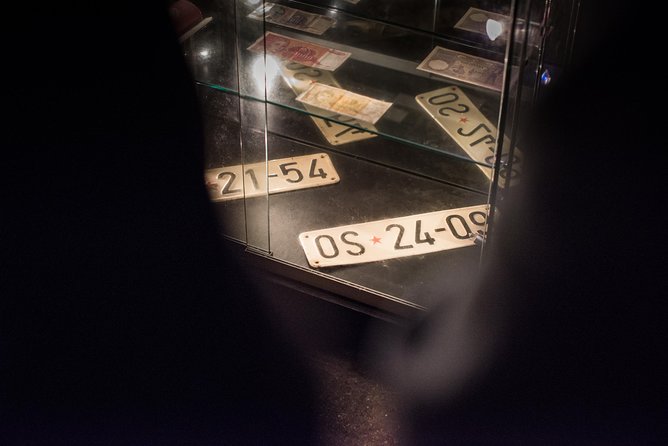
I’d book it if you care about modern history and you like getting context in the real locations where events mattered. The combination of underground WWII shelters, a second shelter stop at Kaptol, and the multimedia presentation on the Croatian Homeland War is a strong package for a short Zagreb schedule.
I would think twice if you dislike politics, prefer purely scenic walking tours, or know you need a cheerful, low-emotion activity that keeps things light. This is not that. It is more like a guided lesson with consequences you can picture in your mind.
If you do book, go in with the right expectation: you’re not just visiting tunnels. You’re learning how one region went from earlier conflicts to communism, then into the breakup era, and finally the 1990s war. For many visitors, that is the exact reason Zagreb feels more meaningful after they leave.
FAQ
How long is the Communism and Croatian Homeland War Tour?
The tour lasts about 2 hours.
Where does the tour start, and when do I meet the group?
It starts at the Ban Josip Jelačić Statue, Trg bana Josipa Jelačića 15, Zagreb. Meeting times are 3:00pm Monday to Saturday, and 11:00am on Sundays.
Is the tour in English, and do I get a mobile ticket?
Yes, the tour is offered in English, and it provides a mobile ticket.
What’s included in the tour?
You get guidance by a certified local guide, a multimedia presentation about the Croatian Homeland War, and visits to WWII underground tunnels and an authentic shelter basement (with note that tunnel entry can be affected during public events).
Are Tunel Gric and other tunnel areas available during all events?
Tunel Gric is noted as not included during public events in the tunnels and during the Christmas Market.
What is the cancellation policy?
Free cancellation is available up to 24 hours in advance for a full refund. If you cancel less than 24 hours before the experience starts, the amount paid is not refunded.
Freshly written up around Zagreb
Tours, top to bottom.
 ★ 5.0Blue Cave Small-Group Boat Tour from DubrovnikFrom $849,360 reviews
 ★ 5.0From Split: Krka Waterfalls, Food & Wine Tasting TourFrom $459,326 reviews
 ★ 5.0Blue cave, Mamma Mia and Hvar, 5 islands speedboat tourFrom $1117,150 reviews
★ 4.9From Split: Krka Waterfalls, Food & Wine Tasting TourFrom $446,598 reviews
★ 5.0Blue cave, Mamma Mia and Hvar, 5 islands speedboat tourFrom $1117,150 reviews
★ 4.9From Split: Krka Waterfalls, Food & Wine Tasting TourFrom $446,598 reviews
 ★ 4.6Split/Trogir: Blue Cave, Mamma Mia, Hvar and 5 Island TourFrom $1096,320 reviews
 ★ 4.9Dubrovnik: Epic Game of Thrones Tour + Lokrum & Saver OptionFrom $255,995 reviews
 ★ 4.8Dubrovnik: Old Town Walking TourFrom $235,174 reviews
 ★ 4.8Dubrovnik: The Original Game of Thrones Tour & Lokrum OptionFrom $265,064 reviews