
REVIEW · DALMATIAN FOOD & KONOBA TASTINGS
Food Tour in Split ( Small Group)
Food tastes better when locals lead. This small-group Split tour stitches together old town streets, market tables, and family-run bites, with a guide who knows the place from the ground up. You start by the Silver Gates, then work through the flavors of the city while learning how Split’s food scene changed over time.
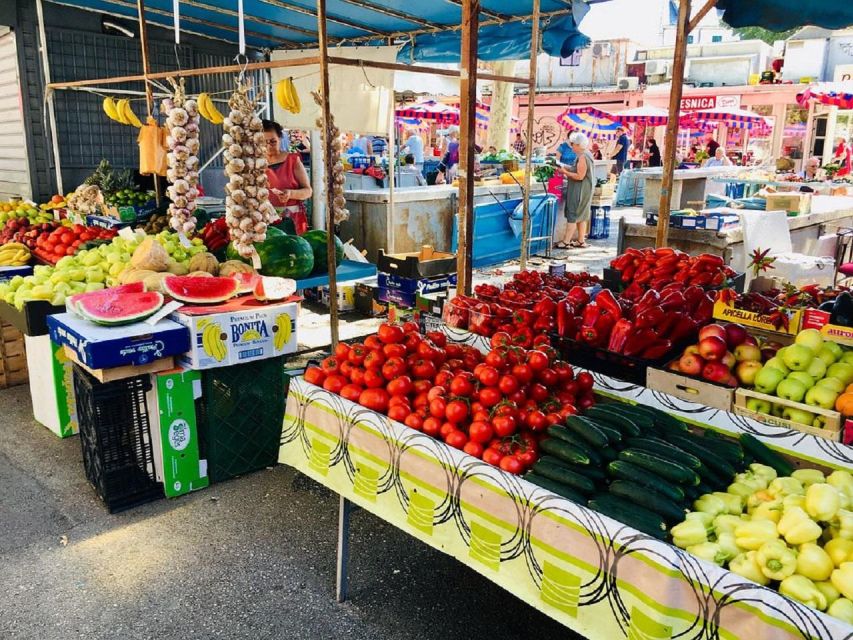
What I like most is the way the tour builds from market ingredients to proper local specialties. You’ll sample classics like prosciutto, cheese, and soparnik at the Green Market, then end with a sweet finish like homemade fritula from a family shop.
One thing to consider: timing and season matter. If some eateries are closed during your visit, your guide may need to work with fewer options, even though the food you do taste is still described as delicious.
In This Review
- Key highlights you will feel in Split
- Where the tour starts, and why the location matters
- Green Market near Diocletian’s Palace: prosciutto, cheese, and soparnik
- Peristyle in Diocletian’s Palace: history you can actually place
- Burek at a local restaurant: spiral layers, savory fillings
- Split fish market: the Mediterranean buzz, explained
- Another local restaurant stop: more bites, same point
- Traditional bakery finale at a family shop for fritula
- Price and value: what you’re really paying for
- Guides like Deedee and Bruno: what the tour vibe tends to be
- Pace and walking: how to plan your day
- Who this Split food tour fits best
- Considerations before you book
- Should you book this food tour in Split?
- FAQ
- How long is the Split food tour?
- How big is the group?
- What language is the live guide?
- What food is included?
- Where do we meet and where does it end?
- Is there a cancellation option and flexible booking?
Key highlights you will feel in Split
- Small group limited to 10 people, which keeps the pace easy and the guide’s attention personal
- Green Market tastings from farmers in surrounding villages, right near your start
- Peristyle stop inside Diocletian’s Palace for city history as you walk
- Burek in the center of Split at a local place that keeps its authentic charm
- Split fish market energy where the guide explains local habits and cultural influence
- Sweet finale with homemade fritula from a traditional family shop
More konoba tables and food walks nearby
- From Split: Krka Waterfalls, Food & Wine Tasting Tour★ 5.0 · 9,326 reviews
- From Split: Krka Waterfalls, Food & Wine Tasting Tour★ 4.9 · 6,598 reviews
- Split Food Tour: Discover Split One Bite At A Time★ 5.0 · 433 reviews
- Split History and Gastro Small-Group Tour with Food and Drinks★ 5.0 · 375 reviews
Where the tour starts, and why the location matters
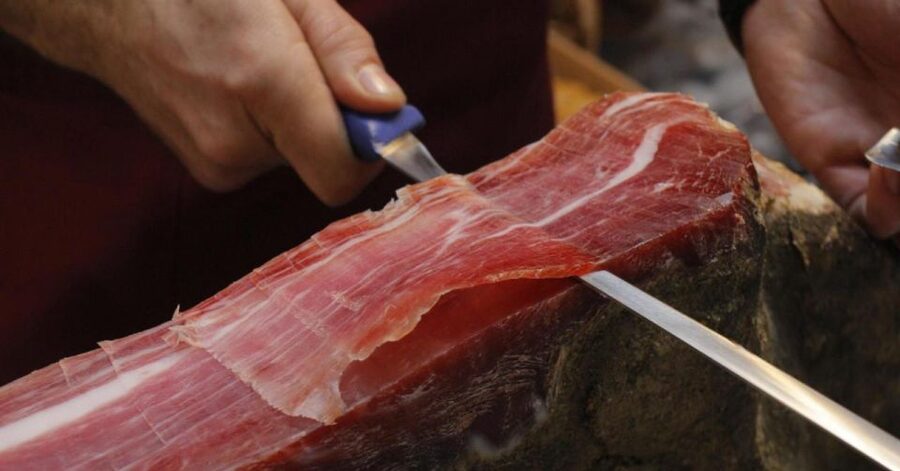
You begin right in the old town area, in front of St. Dominic Church, across from the Silver Gates of Diocletian’s Palace. It’s a smart start point because it puts you close to the places you’ll talk about, not just pass by.
The route is designed to feel like a guided walk through Split’s food identity. The operator’s pitch is simple: show small, long-running shops and eateries that locals keep coming back to, and explain how the gastronomic scene evolved. In practice, that means you don’t just eat, you connect the dishes to the places in the city where they belong.
Since this is a 2.5-hour experience with a small group, the pacing is meant to be steady rather than rushed. You’ll spend set time at the bigger food stops, then use the walking segments to learn the city story.
Green Market near Diocletian’s Palace: prosciutto, cheese, and soparnik
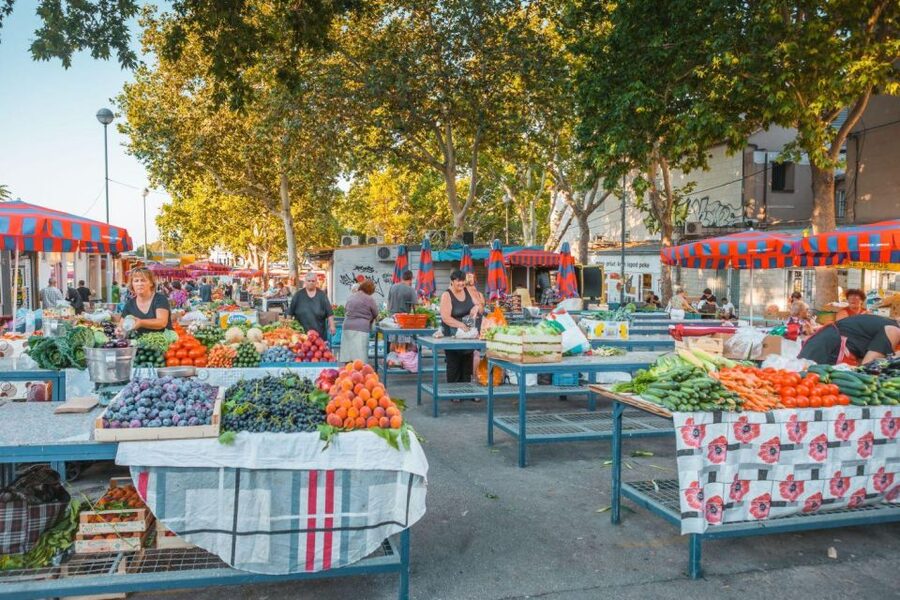
The first central stop is the Green Market, just by your meeting area. This is where you get the first taste of how Split’s local food starts at the source, with farmers from surrounding villages selling home-made products.
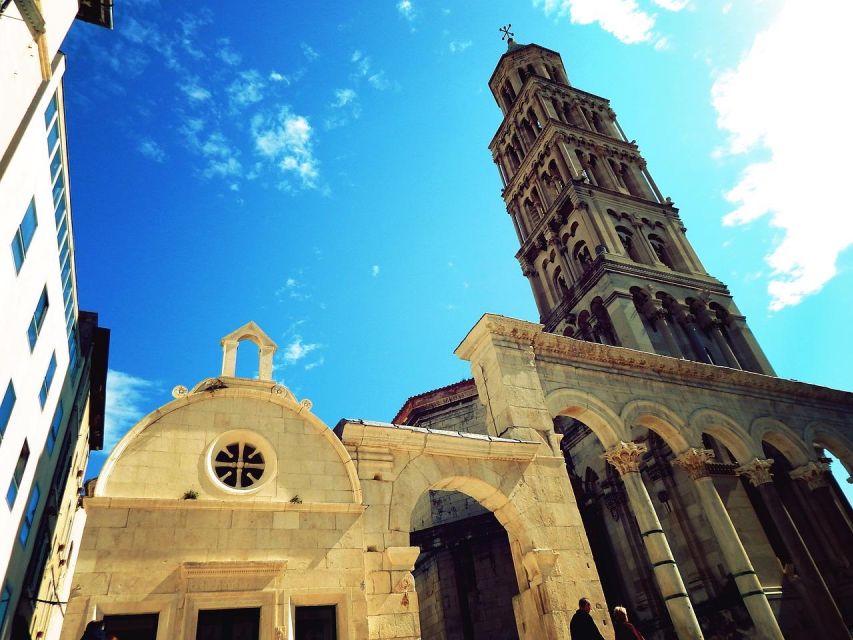
This is also where you’ll try some of the most classic local flavors mentioned for the tour, including prosciutto and cheese, along with soparnik. Soparnik is the kind of dish that instantly signals Mediterranean practicality, not fancy performance. It’s the sort of food that makes you understand why markets are the heart of daily eating here.
I like this start because it gives you a baseline. After the market, the rest of the tour feels more meaningful, since you already know what the ingredients look like and what kinds of flavors the city prefers.
Peristyle in Diocletian’s Palace: history you can actually place
Between bites, you stop in a key historic spot: the imperial square called Peristyle inside Diocletian’s Palace. This is one of those moments where the guide’s context helps the food story snap into focus.
You’ll hear about the history of the city while you’re physically standing in the palace complex. That matters because Split’s cuisine didn’t develop in a vacuum. The tour keeps pointing to cultural influences shaping local habits, and the Peristyle stop gives you an anchor for why those influences show up in how people eat.
Think of it like a quick map lesson. It helps you connect what you’re tasting, not just when you’re tasting it.
Burek at a local restaurant: spiral layers, savory fillings
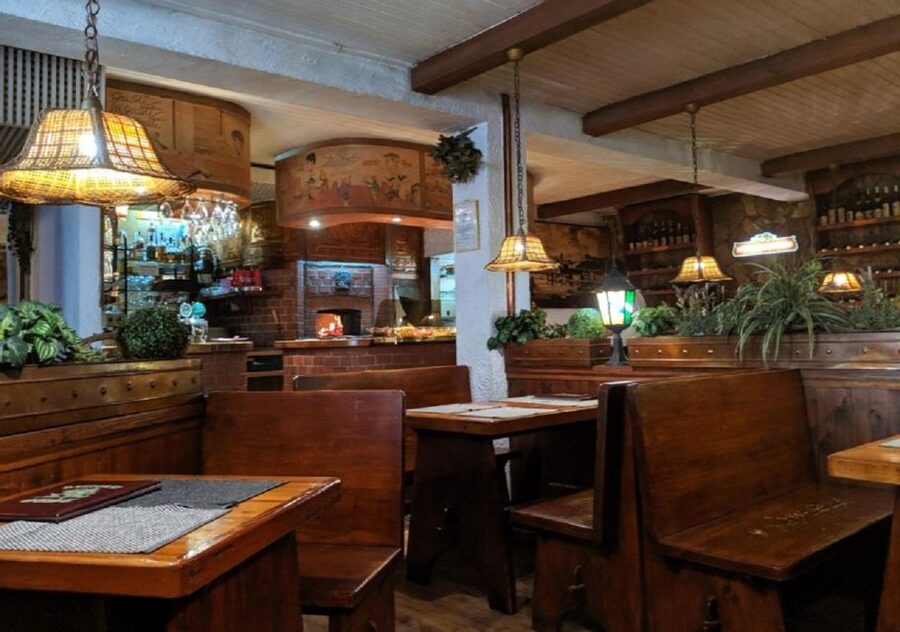
Next comes one of the tour’s main food moments: a rare place to eat in the center of Split that has kept its authentic charm. The description is clear that locals never stopped coming, which is what you want from a food stop like this. It suggests the place isn’t just surviving on tourist traffic.
Here, you’ll try burek. The tour explains it as layers of filo pastry containing savory fillings, wrapped in a spiral and baked in a hot oven. You’ll have the opportunity to taste two filling styles, minced meat and cheese.
What I like about this stop is the structure. You’re not randomly sampling. You’re trying a single signature food in a way that shows how fillings change the flavor while keeping the same base pastry identity.
It’s also a good palate transition. After market-style tastes, burek gives you something warm, filling, and very “you can’t fake this” in terms of texture.
More eating and drinking we have done in Split
- Split: Blue Lagoon and 3 Island Cruise with Food and Drinks
★ 4.8 · 1,969 reviews - Krka National Park Tour with tour Guide & Wine tasting from Split & Trogir
★ 5.0 · 1,625 reviews - Split/Trogir: Krka National Park Day Trip with Wine Tasting
★ 4.7 · 925 reviews - Full-Day Catamaran Cruise to Hvar & Pakleni Islands with Food and free Drinks
★ 5.0 · 670 reviews - Dubrovnik Guided Group Tour with Ston Oyster tasting from Split & Trogir
★ 5.0 · 538 reviews
Split fish market: the Mediterranean buzz, explained
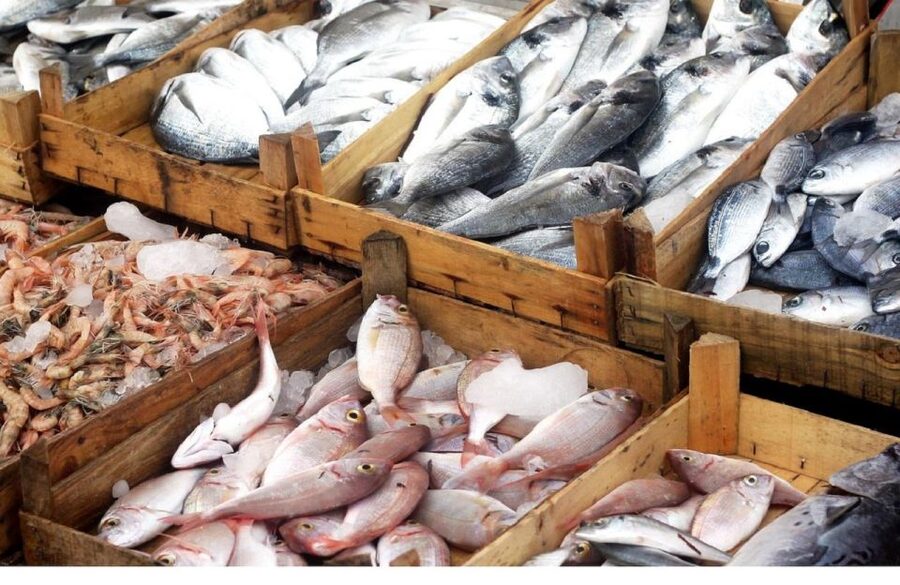
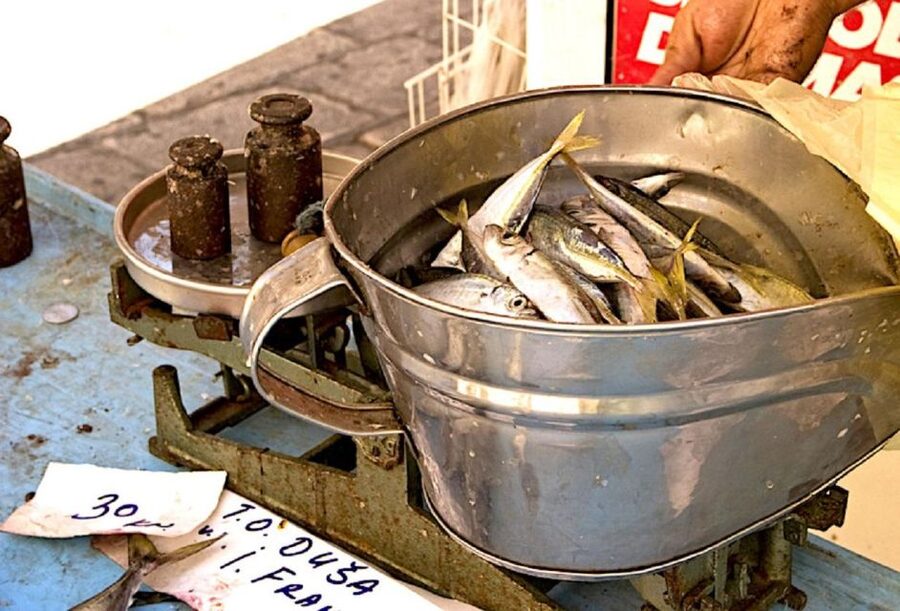
After the burek, you head to the Split fish market. The tour’s language is very direct about the atmosphere, describing the passion and buzz of a typical Mediterranean market. That kind of sensory setting is hard to recreate elsewhere, and it’s one reason food tours work so well in port cities.
While you’re at the fish market, the guide ties the scene to local gastronomic habits and the history of the city. The tour also emphasizes the influence of various cultures on the local food offer. That’s not just trivia. If you listen closely, it can help you understand why seafood shows up as a constant here, rather than as a special occasion.
You’ll also enjoy more tastings during this portion. The time here is set aside as a proper stop, not just a quick look around.
Another local restaurant stop: more bites, same point
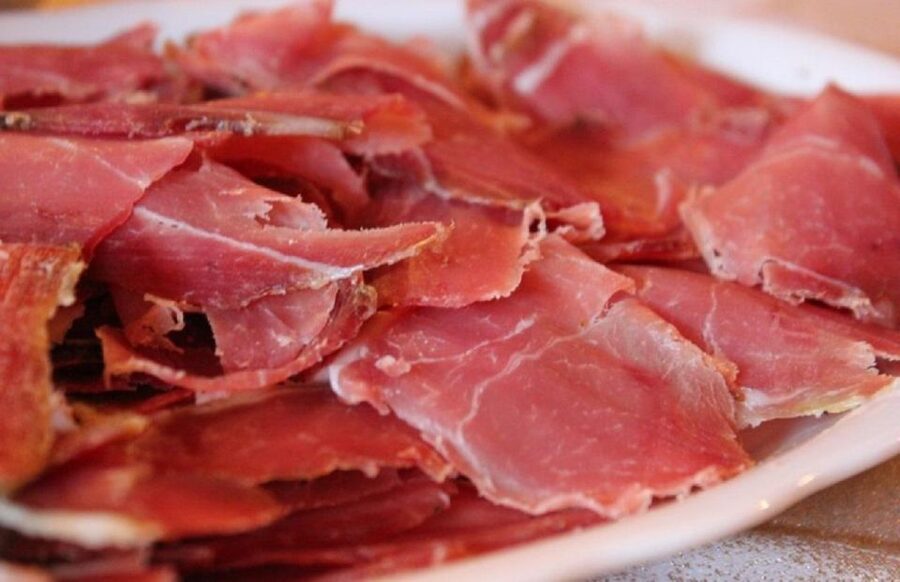
The tour continues with another local restaurant stop in the center, followed by another guided food tasting. Even though the specific dishes at this second restaurant are not spelled out in the details you provided, the intent stays the same: build your understanding of Split’s local eating habits through multiple traditional venues.
This middle segment is important for value. You’re not paying for one meal and a few snacks. The structure is built around a sequence of tastings in different types of places, so you experience how the same city can feed you in different ways.
I also appreciate that the walking and guide commentary keep you engaged between tastings. It helps the tour feel like a conversation about food culture rather than a checklist.
Traditional bakery finale at a family shop for fritula
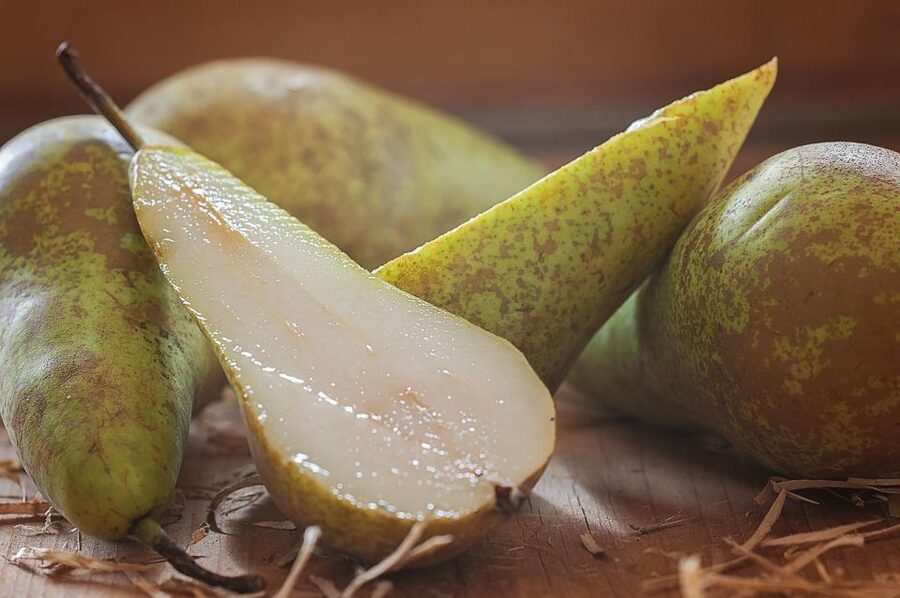
Your last stop is a family shop specializing in traditional sweet products. This is where the tour takes you to the dessert side of Split’s food identity, ending with homemade fritula.
Fritula is the kind of sweet that makes you leave with a real memory, not just a general impression of dessert. And because it’s served from a local family shop, it fits the tour’s theme of long traditions rather than trendy experimentation.
This last stop is also a practical choice. After savory food and market bites, dessert gives your palate a clean finish. It’s the moment where your notes in your head shift from flavors to comfort, and you start remembering the tour as a complete arc.
Price and value: what you’re really paying for
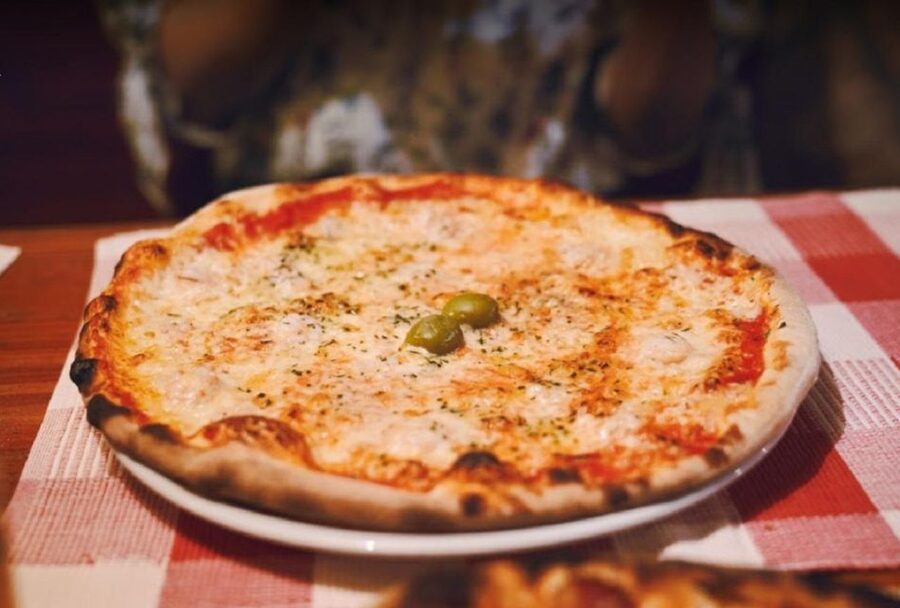
At $94 per person, you’re paying for three things at once: a professional English-speaking guide, a small group experience limited to 10 people, and all food you will taste is included.
The duration is 2.5 hours. That puts the experience at roughly $37 to $40 per hour before you even think about the guide and food. Since you’re not expected to add your own meals or pay for each tasting separately, the value depends less on how hungry you are and more on how much you enjoy guided food variety.
The tour’s biggest value driver is the “small family shops and long tradition” focus. When a tour spends its money on multiple local venues rather than one big restaurant, you tend to learn more and eat more clearly tied to the city.
In short, this is a good price point if you want a guided food path that feels genuinely local, not a generic tasting menu.
Guides like Deedee and Bruno: what the tour vibe tends to be
The tour’s description promises guides who grew up in the old town and know the streets and the story. That local lived-in perspective shows up in how guides talk about the history of Split and how they connect it to the food you’re tasting.
In the guide experiences you shared, names like Deedee and Bruno come up for being friendly and laid back, while also being strong on history and culture. The common thread is that you’re not just handed food. You’re also told why it matters, with a tone that makes the walk feel easy.
If you get a guide with that style, the tour can feel like spending a couple of hours with someone who knows where to take you for real bites.
Pace and walking: how to plan your day
This is a walking-based 2.5-hour route, with structured time for tastings at the major stops. You spend about 30 minutes at the Green Market, 30 minutes at the first local restaurant, 30 minutes at the fish market, 30 minutes at the second local restaurant, and 30 minutes at the local bakery.
That adds up to five timed tasting blocks, with the rest of the time used for walking and the historic commentary, including the stop at Peristyle. In other words, it’s not a sit-down, slow lunch. It’s more like you’re constantly moving between food scenes, with short guide explanations built in.
If you’re pairing this with other old town activities, plan it earlier rather than later. You’ll get the best experience when you can taste everything without already feeling stuffed from a prior meal.
Who this Split food tour fits best
This tour fits you if you want three things at the same time:
- Local food variety in a short window, including market bites, savory pastry, seafood culture, and dessert
- History that’s tied to place, especially at Diocletian’s Palace and Peristyle
- A small group so the guide can keep the experience personal and conversational
It’s also a solid choice for first-time visitors to Split who want to understand the city quickly through food. Because you start near the Silver Gates and stay in the core old town area, it helps you get your bearings fast.
Considerations before you book
This tour relies on real local venues, and some restaurants can be closed depending on season. One of the key considerations you should keep in mind is that your guide may have to adapt if a stop is not operating during your dates.
Also, this is a tasting tour, not a long meal. If you prefer a long sit-down with a full menu, you might find the pacing too compact.
Finally, since tastings are included, you should show up ready to eat. If you don’t like surprises or you have strict dietary limits, check with the operator before booking, because the details provided list typical local foods like prosciutto, cheese, soparnik, burek, and fritula.
Should you book this food tour in Split?
I’d book it if your goal is to learn Split through food, with a guide who can explain what you’re tasting and where it fits in the city story. The combination of Green Market classics, burek, the fish market atmosphere, and a family-shop sweet finale makes it feel like a full arc rather than random snacks.
Skip it only if you want a very flexible, purely restaurant-based experience, or if you’re traveling during a time when you’re especially worried about closures. Otherwise, this is a strong pick for value, authenticity, and a small-group feel in the heart of Split.
FAQ
How long is the Split food tour?
It lasts about 2.5 hours. Starting times can vary, so you’ll need to check availability.
How big is the group?
The tour is a small group limited to 10 participants.
What language is the live guide?
The live tour guide speaks English.
What food is included?
All food you will taste is included, with tastings such as prosciutto, cheese, soparnik, burek (minced meat and cheese fillings), and homemade fritula from a traditional sweet shop.
Where do we meet and where does it end?
You meet in front of St. Dominic Church across from the Silver Gates of Diocletian’s Palace. The tour ends back at the meeting point area, and the itinerary also lists Narodni trg as the finish point.
Is there a cancellation option and flexible booking?
Yes. You can cancel up to 24 hours in advance for a full refund. You can also reserve now and pay later to keep plans flexible.
What Lands on the Table in Split

The Split Table, More of It
Konoba Tables Around Split

Freshly written up around Split
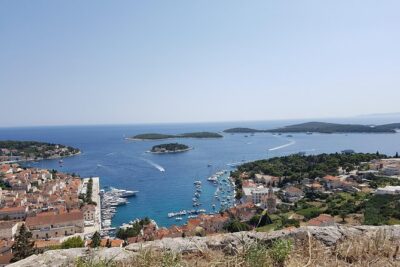


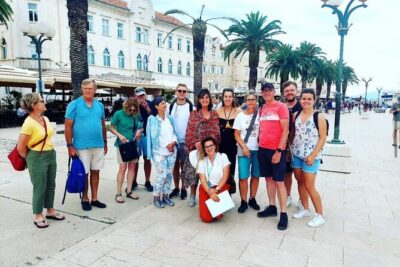
Dalmatian Food & Konoba Tastings, top to bottom.
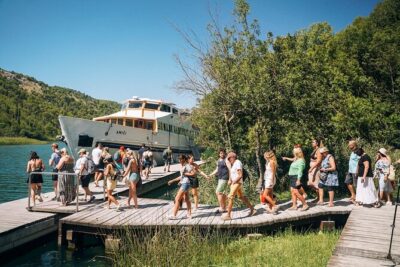 ★ 5.0From Split: Krka Waterfalls, Food & Wine Tasting TourFrom $459,326 reviews
★ 4.9From Split: Krka Waterfalls, Food & Wine Tasting TourFrom $446,598 reviews
★ 5.0From Split: Krka Waterfalls, Food & Wine Tasting TourFrom $459,326 reviews
★ 4.9From Split: Krka Waterfalls, Food & Wine Tasting TourFrom $446,598 reviews
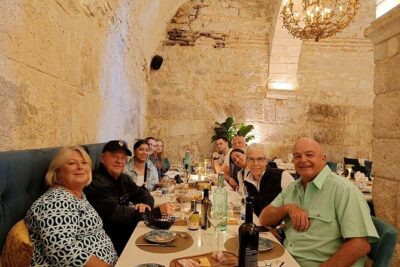 ★ 5.0Split Food Tour: Discover Split One Bite At A TimeFrom $145433 reviews
 ★ 5.0Krka Waterfalls, Food & Wine Tasting, Boat Ride & Zadar Old TownFrom $52420 reviews
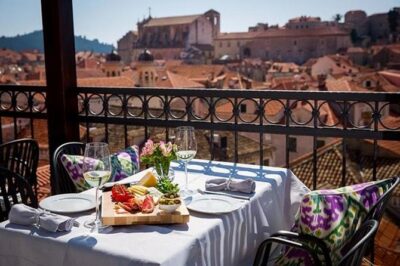 ★ 5.0Dubrovnik Old Town Food Tour: Small-Group ExperienceFrom $169419 reviews
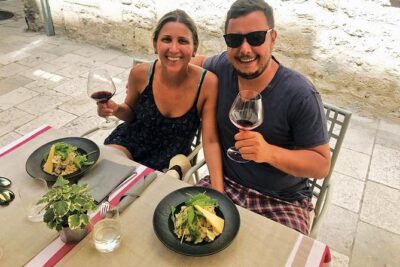 ★ 5.0Split History and Gastro Small-Group Tour with Food and DrinksFrom $139375 reviews
 ★ 5.0All-inclusive Gastro Blue Cave Tour from SplitFrom $247317 reviews
 ★ 5.0Taste Zagreb Food TourFrom $106256 reviews
Browse the lists this tour appears in