
REVIEW · PULA ARENA & ROMAN ISTRIA TOURS
Olive Oil Guided Tasting and History in Pula
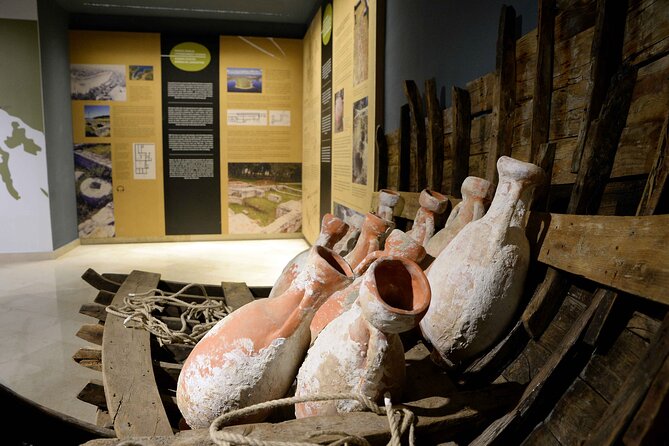
Olive oil tasting meets real food nerd training. At Museum Olei Histriae in Pula, you start with Roman-era exhibits and short films, then shift into a tasting room built for sensory learning, not just sipping.
I love that the experience includes olive oil tasting plus snacks, so it feels like a true food stop. I also like how the guide walks you through practical differences between higher-quality Istrian oils and what you might find in a typical supermarket bottle.
One possible drawback is that the museum section is smaller than you might expect, and the layout can feel a little strange, so the tasting portion is where most of the payoff lives.
In This Review
- Key Things You Will Notice Right Away
- Museum Olei Histriae in Pula: Romans, Films, and How Olive Oil Became Important
- The Sensory Tasting Room: How the Guide Trains Your Nose and Tongue
- What “Extra Virgin” Should Mean to You After This Tour
- Sweet Dessert Pairing: The Surprising Finish
- Itinerary Breakdown You Can Plan Around (About 90 Minutes Total)
- 1) Exhibition and Roman story first
- 2) Move to the tasting room
- 3) Quality clues, extra virgin meaning, and polyphenols
- 4) Dessert pairing to close
- Price and Timing in Pula: Is $36 Worth It?
- Small Group Size, Easy Access, and What That Means for You
- Who Should Book This Olive Oil Tasting in Pula
- Practical Tips Before You Go
- Should You Book This Tour or Skip It?
- FAQ
- How long is the olive oil tasting and history tour in Pula?
- What is included in the tour price?
- Where does the tour start in Pula?
- Is the tour offered in English?
- What is the group size limit?
- What is the cancellation policy?
Key Things You Will Notice Right Away
- Roman processing story at the start, with exhibits on how olive oil was made and exported in Istria
- Two short films that connect old methods to how olive oil is made today
- Side-by-side tasting, including high-quality Istrian oils and an oil people often buy from supermarkets
- A teachable method for judging quality, with positive and negative attributes you can look for later
- Polyphenols explained simply, so the health talk makes sense instead of sounding vague
- A sweet dessert pairing that closes the tour on a fun, memorable note
Other Roman-Istria stops we have covered
- Medulin -Kamenjak 5h boat trip with lunch & drinks on Sandra Boat★ 5.0 · 1,621 reviews
- Full-Day Boat Tour of the Medulin Archipelago from Medulin★ 5.0 · 1,389 reviews
- Pula: Kayaking,Snorkeling, Cliff jumping Tour with Wetsuit★ 4.8 · 861 reviews
- Pula: National Park Brijuni Island Visit & Dolphin Cruise★ 4.5 · 788 reviews
Museum Olei Histriae in Pula: Romans, Films, and How Olive Oil Became Important
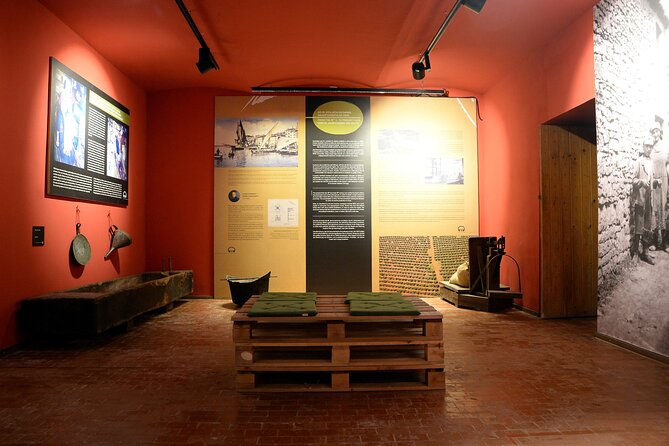
This is not just a quick pour-and-go tasting. The flow starts inside the House of Istrian Olive Oil, where you ease into the subject before you start tasting anything. If you like food stories that are tied to real places and real methods, you will appreciate this setup.
You begin by walking through an exhibition focused on Roman Istria. The displays explain how Romans in the region made olive oil, where it went, and how olive oil was exported. It gives you context for why olive oil mattered in the Mediterranean long before modern supermarkets existed.
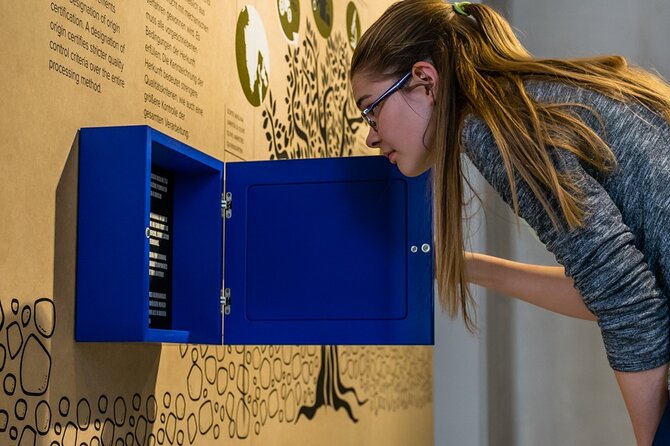
Next come two short films. They focus on traditional processing and also how olive oil production works today. I like this “then and now” structure because it keeps the story grounded. You are not just learning trivia. You are getting a sense of the chain from processing to flavor.
One small caution: based on what people consistently say, the museum part can feel compact, and the layout may not be the easiest to follow. If you are the type who needs lots of interaction or big “wow” rooms, you may feel you want more. The good news is the tasting room is where the experience really earns its keep.
The Sensory Tasting Room: How the Guide Trains Your Nose and Tongue
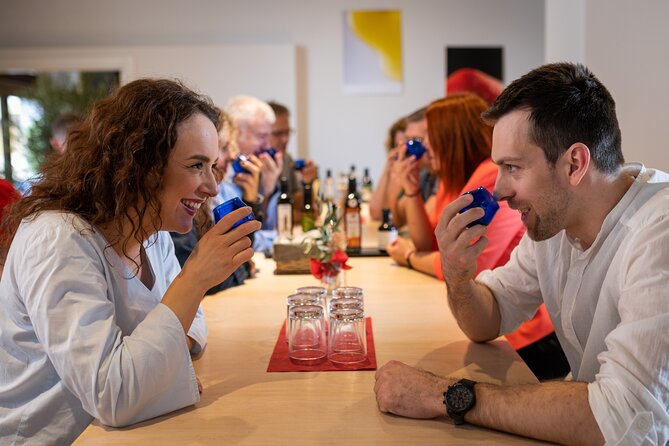
After the exhibits and films, you move to the tasting room. This is where the tour stops being theoretical and starts becoming useful.
You take part in sensory analyses of high-quality Istrian olive oils. In practice, that means you learn how to pay attention to the kinds of traits that shape what ends up in your glass: how it smells, how it feels, and what you notice in the taste.
A key detail: the tasting includes not only higher-quality oils, but also one that represents what many people usually buy in a supermarket. That comparison matters. It turns the session into a real learning exercise because you can taste the difference instead of relying on label claims.
The guide helps you work through quality cues. You learn how to recognize good olive oils versus less good ones, and you also get language for describing what you detect. That is a big deal if you have ever stood in front of an olive oil shelf wondering why one costs more and what you are supposed to look for besides a fancy bottle.
What “Extra Virgin” Should Mean to You After This Tour
If you have ever thought, But is extra virgin just marketing, this is the section you want. This experience focuses on helping you connect the term extra virgin to actual sensory and quality ideas.
You go through positive and negative attributes as part of the tasting. The goal is not to make you memorize a checklist. It is to help you understand why certain traits show up in the oil and how those traits connect to quality.
You also cover why polyphenols matter for health. That topic can sound like generic wellness talk if it is not tied to something concrete. Here, it is explained in a way that connects back to what you are tasting and why better oils tend to carry more of the compounds people care about.
The best practical takeaway is this: you should leave with a clearer sense of what you want to hunt for when you shop later. Not every bottle is the same, and once you know how to evaluate quality, you are less likely to be fooled by vague claims.
Sweet Dessert Pairing: The Surprising Finish
Many food tours end the moment the tasting stops. This one adds a final twist.
At the end, you try a dessert paired with high-quality extra virgin olive oil. The dessert is described as a surprise dessert, meaning it is not the same routine sweetness you might expect. The point is the pairing. Olive oil can bring flavor structure even in a sweet context, and this gives you a new way to think about the ingredient.
Why this matters: if you only ever use olive oil on salads or bread, the dessert pairing helps reset your instincts. It nudges you toward seeing olive oil as a flavor tool, not just a cooking fat.
And honestly, it makes the whole 1 to 1.5 hour experience feel complete. You finish with something memorable instead of trailing off after a few sips.
Other truffle hunts and hill-town afternoons
- From Pula/Medulin: Istria Tour + Poreč, Motovun and Groznjan
★ 4.9 · 44 reviews - Pula: House of Istrian Olive Oil Museum and Guided Tasting
★ 4.9 · 35 reviews - Istrian hill top cities tour with truffle and olive oil tasting
★ 5.0 · 18 reviews
Itinerary Breakdown You Can Plan Around (About 90 Minutes Total)

The total time is around one to one-and-a-half hours, depending on your interests. That flexibility is helpful if you tend to ask questions or linger over a specific smell or taste.
Here is the flow in plain terms:
1) Exhibition and Roman story first
You start at the House of Istrian Olive Oil on Istarska ul. 30. You’ll see the Roman-era olive oil processing and export story, plus the two short films that connect old methods to modern production.
What to watch for: if you enjoy context, pay attention early. It makes the tasting feel more grounded later.
Small potential drawback: if you are expecting a huge, interactive museum, the space may feel tighter and less hands-on.
2) Move to the tasting room
Then you shift to structured tasting. You will sample multiple olive oils and go step by step through sensory analysis.
What to watch for: take your time. The tasting works best when you slow down and actually smell and taste, not when you rush.
3) Quality clues, extra virgin meaning, and polyphenols
You learn how to recognize good versus less good oils by identifying attributes. You also get an explanation of polyphenols and why they matter.
Practical tip: if you remember only one thing, make it this. You are training perception, not just reading labels.
4) Dessert pairing to close
The tour ends with a sweet dessert paired with quality extra virgin olive oil.
What to watch for: if you are sensitive to strong flavors, start with small bites, then adjust. This is still a dessert, so it should be enjoyable, but olive oil taste can be noticeable.
Price and Timing in Pula: Is $36 Worth It?
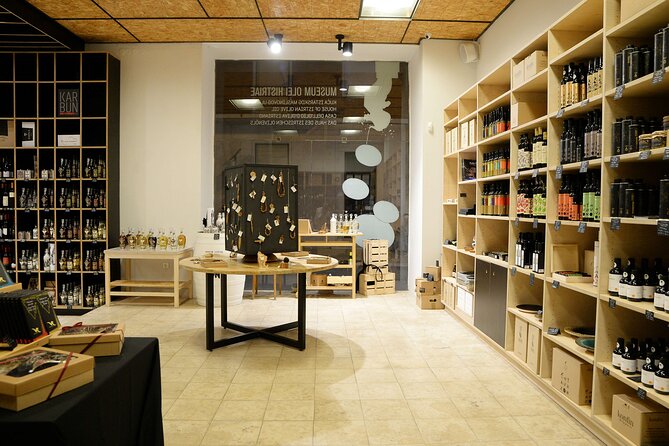
At $36.04 per person for about 90 minutes, this sits in the category of paid food education. It is not a bargain if you only want to sample once. But it is strong value if you want to learn something you can use at home.
Here is what you get for your money:
- Guided tasting with sensory analysis
- Snacks included
- Education on what makes olive oil quality different
- A dessert pairing
- A small group setting of up to 20 people
That “learn and taste” mix is what makes it worth considering. If you are the type who buys olive oil on vacation and then regrets it later, this tour helps you avoid that.
Timing-wise, the experience runs Monday to Saturday from 10:00 AM to 6:00 PM. You can usually fit it into a travel day without it eating your whole schedule. And since the meeting point is central and it ends back at the start, you do not have to plan a second hop.
One more practical point: people often book this in advance. The average booking window is about 23 days. If your dates are fixed, it is smart to reserve early so you get the time slot you want.
Small Group Size, Easy Access, and What That Means for You
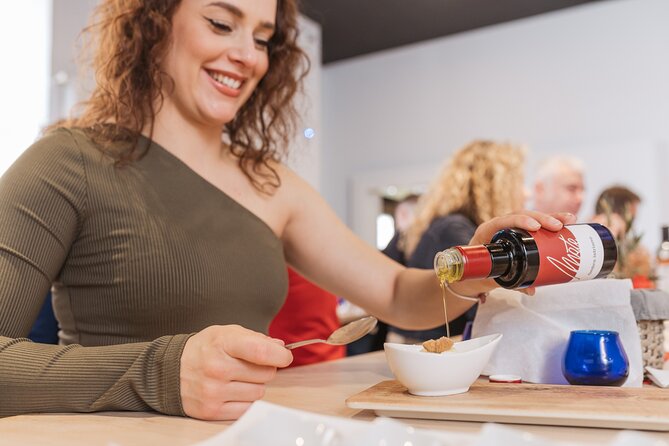
This is capped at 20 travelers. That matters more than you might think. Smaller groups usually mean the guide can answer questions in a real way, especially during tasting where you might want to ask what you are noticing.
It is also offered in English, and you get a mobile ticket. If you like the ease of not printing anything, that helps.
Also: the start is at Istarska ul. 30 in Pula, and it is described as being near public transportation. That is useful if you are walking around old streets all day and you do not want your evening plans tied to a car.
Finally, service animals are allowed, and most people can participate. That makes it a safer bet for a wider range of visitors than some highly physical tours.
Who Should Book This Olive Oil Tasting in Pula
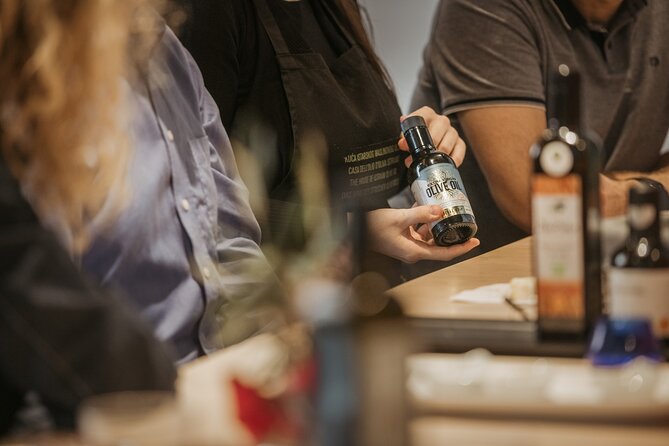
This is a great fit if you love food and you want your experience to be more than a snack. Specifically, you should book if:
- You want to learn about Istrian food culture through one ingredient
- You care about quality and want to understand what makes olive oil better
- You enjoy guided tasting where you get explanation, not just samples
- You want a small-group experience that fits neatly into a day in Pula
If you only want a quick taste with no education, you might find this longer than you need. The tasting is the core, but there is an exhibition and films first. Plan on staying present for the whole flow.
Practical Tips Before You Go
A few small things will help you get the most out of the sensory part:
- Arrive a bit early so you can settle in before the exhibition begins.
- Go in with an open mind about comparing oils, even if you think you already know what extra virgin means.
- During tasting, focus on smell and aftertaste. Those are where quality cues often show up.
- Plan to ask questions. This tour is built for discussion, especially around what you notice in the oil.
Should You Book This Tour or Skip It?
I think you should book this if you want a hands-on olive oil learning session in Pula with a clear payoff. The best reasons are the structure: Roman-era context first, then real sensory tasting, then a fun closing dessert pairing.
Skip it only if you are mainly after a large museum experience or you hate any kind of guided instruction. Also, if you are extremely short on time, remember it is about 1 to 1.5 hours. You can fit it, but it is not a 20 minute stop.
FAQ
How long is the olive oil tasting and history tour in Pula?
It lasts about 1 hour 30 minutes, roughly 1 to 1.5 hours depending on your interest and pace.
What is included in the tour price?
The experience includes olive oil tasting and snacks. It also includes a dessert pairing with extra virgin olive oil.
Where does the tour start in Pula?
The meeting point is Istarska ul. 30, 52100, Pula, Croatia. The tour ends back at the meeting point.
Is the tour offered in English?
Yes, it is offered in English.
What is the group size limit?
The tour has a maximum of 20 travelers, making it a small-group experience.
What is the cancellation policy?
Free cancellation is available. You can cancel up to 24 hours in advance for a full refund.
The Pula Table, More of It



Truffles and Hill Towns
Roman Istria, Continued


Freshly written up around Pula





Pula Arena & Roman Istria Tours, top to bottom.
 ★ 4.3Pula: Arena Entrance TicketFrom $112,590 reviews
 ★ 5.0Medulin -Kamenjak 5h boat trip with lunch & drinks on Sandra BoatFrom $541,621 reviews
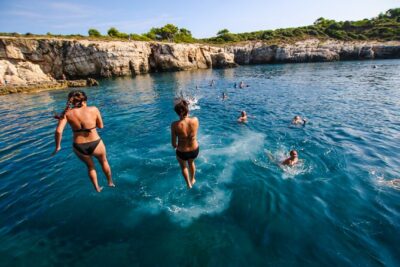 ★ 5.0Full-Day Boat Tour of the Medulin Archipelago from MedulinFrom $541,389 reviews
 ★ 5.03hours all inclusive Sunset&Dolphin Tour from Medulin on SandraFrom $541,130 reviews
 ★ 4.8Pula: Kayaking,Snorkeling, Cliff jumping Tour with WetsuitFrom $57861 reviews
 ★ 4.5Pula: National Park Brijuni Island Visit & Dolphin CruiseFrom $76788 reviews
 ★ 4.5Pula: Brijuni Sunset Dolphin Cruise with Dinner & DrinksFrom $62764 reviews
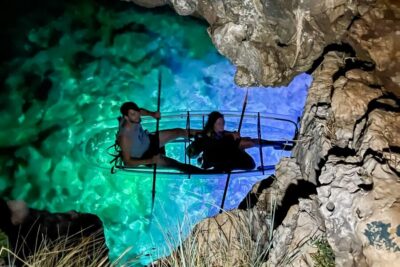 ★ 4.9Pula: Night-Time Sea Kayaking Tour in Transparent KayakFrom $69628 reviews
Browse the lists this tour appears in