
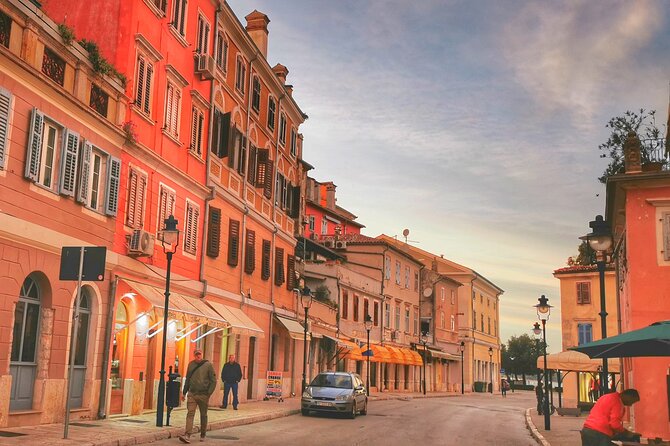
REVIEW · PULA ARENA & ROMAN ISTRIA TOURS
Istria ‘original Tuscany’ Rovinj, Pula, Hum – Tour from Zagreb
That drive starts the story. This Istria day trip stitches Roman ruins, Venetian seaside streets, and a Tuscany-style hill town into one long, satisfying outing. I especially love Pula Arena for its scale and preservation, and Rovinj for that Venice-by-the-sea feeling you get while walking the old walls and narrow lanes. The main tradeoff is simple: it is a big loop with time limits, so expect a fast pace and bring your curiosity for questions.
You start with hotel pickup in Zagreb and a 7:30am departure, then ride in an air-conditioned minivan across the Istrian peninsula. Along the way, the tour is set up to help you skip long lines, which matters when you are trying to see more than one major sight in a single day.
One more thing to know up front: this is built for small groups, up to 8 travelers, and the itinerary focuses on key stops rather than slow wandering. If you want lots of deep explanation at each place, you may need to ask your guide directly, especially on the shortest walking segments.
In This Review
- Key Points I’d Plan Around
- Why This Istria Day Trip Feels Like a Mini Italy From Zagreb
- Morning Logistics: Pickup, Meeting Point, and the Zagreb to Pula Transfer
- Pula Arena and Roman Anchors: What You Should Look For
- The Rovinj Hour That Turns the Whole Trip Italian
- Poreč and the Euphrasian Basilica: UNESCO Without the Headache
- Hum, the Original Tuscany Feeling: Tiny Medieval Town Energy
- Guide Style, Timing, and What You’ll Learn on a Packed Day
- Budget Reality: What You Pay For, What You Don’t
- Who This Tour Fits Best, and Who Might Want a Different Plan
- Should You Book This Tour?
- FAQ
- What time does the tour start?
- How long is the Istria tour from Zagreb?
- Where is the meeting point in Zagreb?
- Is hotel pickup included?
- What group size should I expect?
- Is the tour offered in English?
- Are entrance fees included?
- Are meals and drinks included?
- What happens if the weather is poor?
Key Points I’d Plan Around
- Early 7:30am start from Zagreb keeps the long drive from feeling like dead time
- Air-conditioned minivan makes the Istria transfer comfortable, even in warm months
- Pula’s Roman sights include the Arena plus landmarks like the Arch of Sergii and Temple of Augustus area
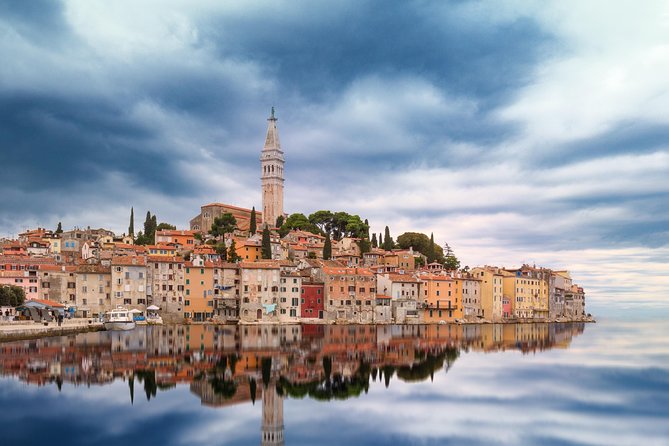
- Rovinj’s Venice era streets and walls give you that Italy-in-the-moment feel
- UNESCO Euphrasian basilica focus in Poreč with time to walk preserved old streets
- Hum adds the Tuscany vibe with a small medieval hill-town atmosphere
Still weighing it up? These Zagreb trips also came through our review desk.
- From Zagreb: Plitvice & Rastoke Guided Day Trip with Ticket★ 4.9 · 2,955 reviews
- Zagreb: Rastoke & Plitvice Lakes Guided Tour with Ticket★ 4.9 · 1,897 reviews
- Communism & Croatian Homeland War Tour★ 5.0 · 1,355 reviews
- Best of Zagreb with the WW2 Tunnels★ 5.0 · 973 reviews
Why This Istria Day Trip Feels Like a Mini Italy From Zagreb
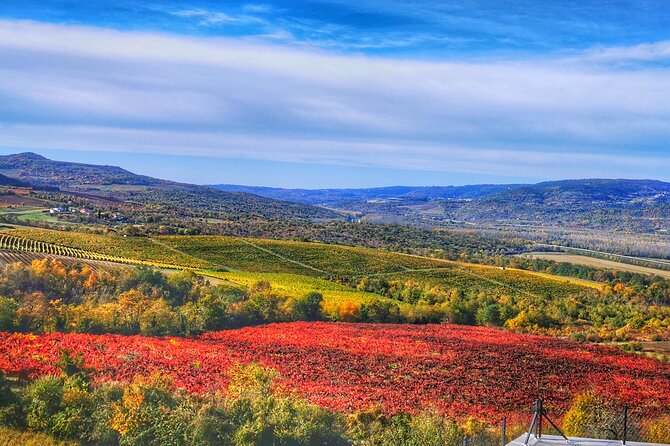
Istria gets called Croatia’s Italy-adjacent region for a reason. In one day, you jump between languages, architecture styles, and coast-and-hills scenery that feels like it belongs in the same travel scrapbook as central Italy.
What makes this tour work is the mix. You do not only see one “icon” and call it done. You start with Roman Pula, shift to the Venetian side of Rovinj, then head inland-ish toward Poreč and finish with Hum’s tiny-town character. It is the kind of route that helps you understand the region, including why Istrians often compare their culture to Tuscany.
And the scale is manageable. It is a 10 to 12 hour outing (and in practice, you should plan for a long day), with a maximum group size of 8 travelers, so you are not crammed in like a cattle car.
Morning Logistics: Pickup, Meeting Point, and the Zagreb to Pula Transfer
This tour runs from a specific starting point in Zagreb: Meteorological PostZrinjevac, 10000 Zagreb. The good news is that you do not have to find a bus stop at the crack of dawn. Pickup is offered from your accommodation in Zagreb, if you coordinate the details with the operator.
You start at 7:30am, and the drive to Pula takes about 3 hours. That early departure is not just “nice marketing.” It is the difference between seeing Pula with daylight and arriving when you are already hungry and fried.
You travel by air-conditioned minivan, which is a practical win. Istria days often feel long because the distances add up. Comfort during the transfers keeps you fresh for the walking and viewpoints later.
Also note: the tour uses a mobile ticket, and it is offered in English. If you like to follow along with place names and context while you walk, this helps a lot.
Pula Arena and Roman Anchors: What You Should Look For
Pula is the biggest city on the Istrian peninsula, and that matters because it has the most obvious Roman backbone. The city was founded long before Rome, but the Romans really put their stamp on it, especially starting in the first century. That is why Pula feels like a stop you could build a separate trip around.
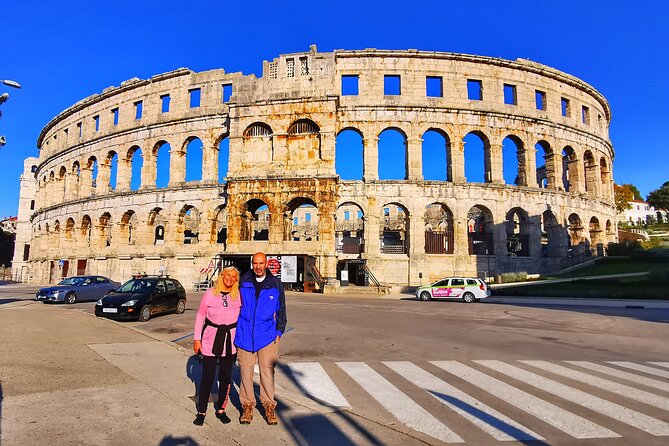
Your walk centers on the Roman landmarks, with the Arena as the headline. It is described as one of the best preserved amphitheaters in the world, and once you see it, you get why people do comparisons to Rome’s Colosseum. Even if you have seen big arenas elsewhere, Pula’s condition makes it feel more tangible, like you are reading the structure instead of just admiring it.
Your Pula time also connects to other sights, including the Arch of Sergii, the Gate of Hercules, and the Temple of Augustus area. The key for you here is to look up and around, not only at the main arena. These Roman pieces work together visually, and the guide can help you spot what is where.
One pacing note I think you should plan for: Rome-style monuments take time to appreciate, but the schedule is designed for covering multiple towns. If you are the type who likes to stop and really study details, ask your guide to point out the most “unmissable” views first.
The Rovinj Hour That Turns the Whole Trip Italian
After about 45 minutes from Pula, you arrive in Rovinj, and this is where the tour’s Venice connection starts to click.
Rovinj was founded by local Istrian tribes, and the town originally grew on a small island near the mainland. Later, in the 18th century, it was connected to land. That island-to-land story is one reason Rovinj’s streets feel like they were built for pedestrians with no interest in modern straight lines.
Rovinj also spent centuries under Venice, about five centuries, and that shows in everything from the street feel to the languages you will hear. Italian and Croatian are official in the city, and you can feel the cultural overlap as you walk.
The walls matter too. During Venetian rule, walls were built around the city, and you can still see traces of that defensive layout today. For me, that translates into a practical walking advantage. You understand where you are faster because the “shape” of the old town is easier to read.
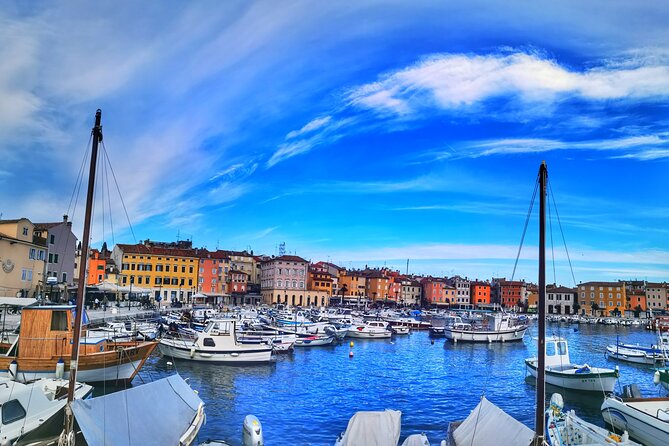
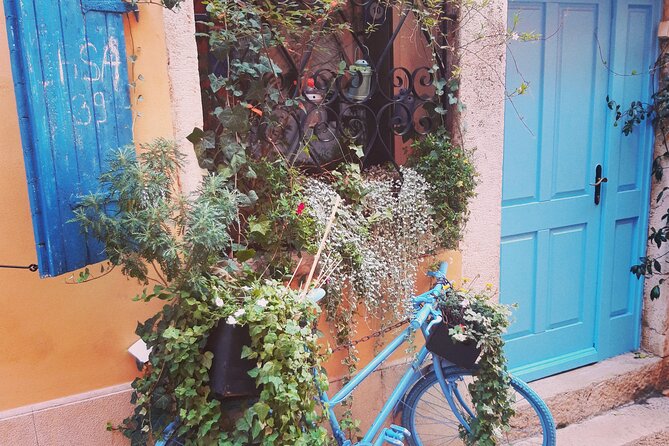
Your time in Rovinj is also why people bring cameras. The town is visually photogenic at almost every turn, and you are not just taking pictures of buildings. You are getting water views, church silhouettes, and little street corners that feel like they were designed to be walked slowly.
A helpful practical tip: if weather is good, plan your shopping and sit-down breaks around late morning or mid-afternoon. Rovinj looks great in softer light, and you will enjoy it more than rushing through just to say you were there.
- From Zagreb: Plitvice & Rastoke Guided Day Trip with Ticket
★ 4.9 · 2,955 reviews - Zagreb: Rastoke & Plitvice Lakes Guided Tour with Ticket
★ 4.9 · 1,897 reviews - Communism & Croatian Homeland War Tour
★ 5.0 · 1,355 reviews - Best of Zagreb with the WW2 Tunnels
★ 5.0 · 973 reviews - Plitvice Lakes with Ticket & Rastoke Guided Tour from Zagreb
★ 5.0 · 966 reviews
Poreč and the Euphrasian Basilica: UNESCO Without the Headache
Another 45 minutes brings you to Poreč, an old town around 2,000 years strong. This is where the tour leans into UNESCO and the “how Roman influence stayed relevant” idea.
The star is the Euphrasian basilica, listed on the UNESCO world heritage list since 1997. That is a big deal in theory, but what you likely care about is this: you get a sense of continuity. Poreč has Roman influence not only in isolated ruins, but in the way the city still holds on to its older structure.
The itinerary approach here is walkable. You walk the main streets, and the notes say they are preserved in their original form. That is a gift for you because it means you can get your bearings quickly and spend less mental energy figuring out where to go next.
You also have an “admission ticket free” note attached to this stop. It does not automatically mean everything inside is free at every moment, but it does suggest you may not face a big ticket hurdle right at the key sightseeing point for the tour segment. Still, since entrance fees are listed as not included overall, expect that some entry costs may apply depending on what you choose to see and what access is open that day.
Tradeoff: UNESCO sites can be info-heavy, but your day stays compact. If you want the full story, ask your guide to highlight the most meaningful parts in the first 10 minutes of the walk. Then you can explore at your own pace with context in your head.
Hum, the Original Tuscany Feeling: Tiny Medieval Town Energy
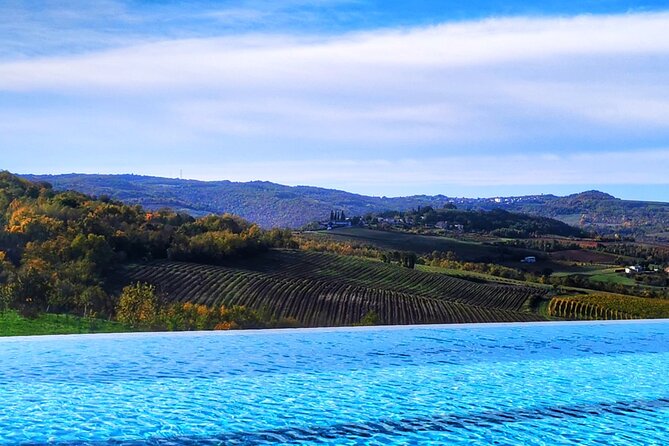
The tour title includes Hum, and this is where I like to think of Istria as a place you can feel, not just visit. Hum is a small medieval town, and it has a “hillside Italy” mood that gets compared to Tuscany in spirit.
In the route’s broader idea, Hum helps balance the day. Pula and Rovinj give you big anchors, while Hum gives you scale. You get smaller streets, quieter corners, and that hill-town feeling where everything seems closer together because the town itself is compact and old.
This is also the stop that tends to work best if you like slow moments: standing at a viewpoint, looking down a slope, and letting the day’s scenery settle in. Even if your time is limited, Hum makes the whole trip feel more personal and less like a checklist.
Practical note: bring comfortable shoes. Hill towns are often uneven, and you will be on foot.
Guide Style, Timing, and What You’ll Learn on a Packed Day
A day trip this long lives or dies by the guide’s rhythm. The guides tied to this tour have been praised for friendliness, patience, and history. Names that show up in the experience record include Tonya, Tania, Milan, and Sasha, and the common thread is that the best outcomes come from a guide who adjusts to the group.
There is also a clear consideration in the mix. Some formats can feel like a drive-and-drop model, where the guide gives the basics and then you move on with a timer. That can be fine if you already love architectural viewing and you do not need a long lecture. If you want deeper explanations at every stop, you will get more out of the day by asking focused questions during the car rides.
Here is how I suggest you manage the timing in a practical way:
- Decide what your top two priorities are, before you get in the van. For many people it is Pula Arena and Rovinj old town.
- Ask your guide for one “must-not-miss” detail per stop. Then you are not depending on memory under time pressure.
- When you have a free moment, ask for a quick “order of best photo angles” tip. It saves time and frustration.
With a max group size of 8 travelers, you usually get at least some chance to connect and ask. That matters.
Budget Reality: What You Pay For, What You Don’t
The listed price is $576.73 per group with capacity noted as up to 1. At first glance, it looks pricey. But consider what is included: all taxes and fees, a local professional driver/guide, hotel pickup and drop-off, guaranteed line-skipping, and an air-conditioned vehicle.
That is where the value can land, especially if you are comparing against DIY costs like parking plus paying for separate guides plus losing time. On a day this packed, time is money, and line-skipping can protect that time.
What is not included: beverages, local food tasting or lunch, and entrance fees. Also, any UNESCO or Roman site access can have its own rules depending on the day and what exactly you enter. So plan to have extra cash or a card for entry costs and a meal.
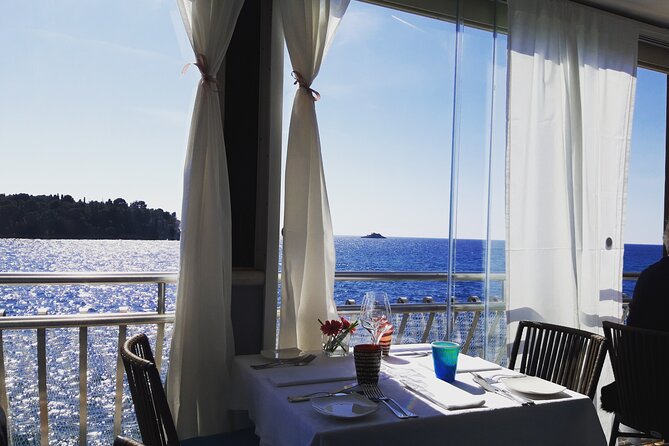
If food is a big part of your travel style, budget for at least one planned meal outside. Rovinj is where a waterfront lunch can make the day feel complete, even if the day already moves fast.
Vegetarian note: a vegetarian option is available, and you should advise at booking if you have dietary needs. Since lunch or tastings are listed as not included, think of this as a chance to handle food choices through the guide or planned stop options, not a guaranteed pre-included feast.
Who This Tour Fits Best, and Who Might Want a Different Plan
This itinerary is a strong fit if you:
- Want a first-time overview of Istria with a clear set of icons
- Like mixing Roman, Venetian, and small medieval town vibes
- Prefer a guided day with pickup and an organized route
- Enjoy walking old towns and taking photos without needing to drive yourself
It might not be your perfect match if you:
- Hate long days, because this is a 10 to 12 hour day and it starts early
- Want lots of time at one place, because the model is multiple stops
- Expect very detailed lectures at each monument, since the pacing can be more stop-and-go
If you bring energy and curiosity, this tour can feel like you are turning pages fast, but the pages are good.
Should You Book This Tour?
Yes, I think you should book it if your goal is to see Pula, Rovinj, Poreč, and Hum in one organized swing from Zagreb, without wrestling with parking, timing, or lineups. The combination of Roman architecture, Venetian seaside streets, and that Tuscany-style hill town feeling is a rare mix for a single day.
Book it if you are the type who can enjoy short walks with context and then move on to the next good thing. If you want deep, slow soaking in one sight, you might prefer a slower, more focused approach. But if you like the idea of stacking Istria highlights with a guide who keeps things moving, this is a solid value move.
If possible, message your provider ahead of time with what you care about most, like Roman ruins versus old-town walking versus Hum’s medieval vibe. That helps the day land exactly where you want it.
FAQ
What time does the tour start?
The tour starts at 7:30 am.
How long is the Istria tour from Zagreb?
The duration is listed as approximately 10 to 12 hours.
Where is the meeting point in Zagreb?
The meeting point is Meteorological PostZrinjevac, 10000, Zagreb, Croatia. The tour ends back at the meeting point.
Is hotel pickup included?
Yes. Pickup details say they pick you up at any accommodation in Zagreb that you agree on.
What group size should I expect?
The tour has a maximum of 8 travelers.
Is the tour offered in English?
Yes, it is offered in English.
Are entrance fees included?
No. Entrance fees are not included.
Are meals and drinks included?
No. Beverages are not included, and local food tasting or lunch is also not included.
What happens if the weather is poor?
The experience requires good weather. If it is canceled due to poor weather, you will be offered a different date or a full refund.
Freshly written up around Zagreb

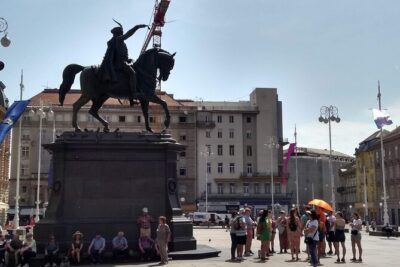
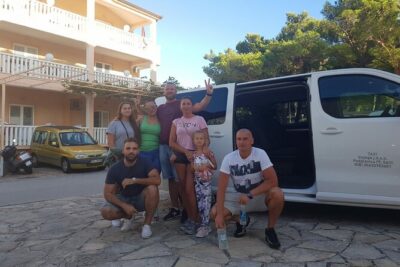

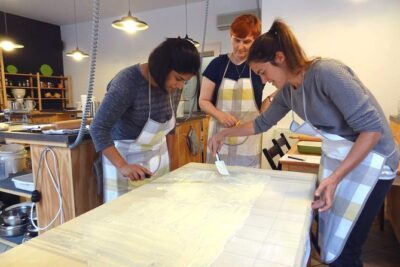
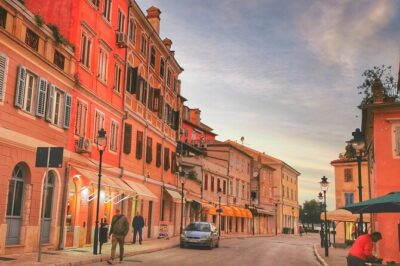
Pula Arena & Roman Istria Tours, top to bottom.
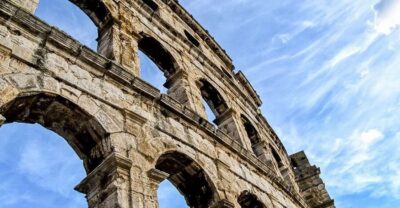 ★ 4.3Pula: Arena Entrance TicketFrom $112,590 reviews
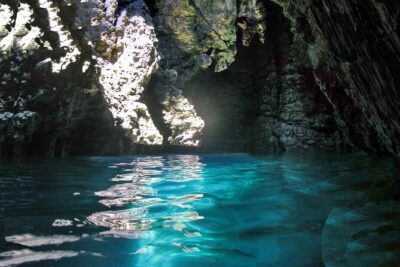 ★ 5.0Medulin -Kamenjak 5h boat trip with lunch & drinks on Sandra BoatFrom $541,621 reviews
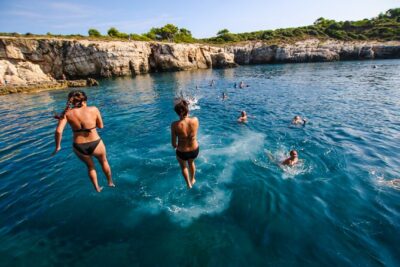 ★ 5.0Full-Day Boat Tour of the Medulin Archipelago from MedulinFrom $541,389 reviews
 ★ 5.03hours all inclusive Sunset&Dolphin Tour from Medulin on SandraFrom $541,130 reviews
 ★ 4.8Pula: Kayaking,Snorkeling, Cliff jumping Tour with WetsuitFrom $57861 reviews
 ★ 4.5Pula: National Park Brijuni Island Visit & Dolphin CruiseFrom $76788 reviews
 ★ 4.5Pula: Brijuni Sunset Dolphin Cruise with Dinner & DrinksFrom $62764 reviews
 ★ 4.9Pula: Night-Time Sea Kayaking Tour in Transparent KayakFrom $69628 reviews
Browse the lists this tour appears in