

REVIEW · PULA ARENA & ROMAN ISTRIA TOURS
Pula city tour in German
History comes with walking shoes. This German-speaking Pula tour turns key Roman landmarks into real stories, with a local guide connecting the past (Romans, Austrians, Venetians) to everyday life today. You also get small-city context, like why Pula is seen as a colorful city and what feels different between Croatia and Germany.
I especially like the private pace. It feels calmer than a big group, and it leaves room for questions, which matters when you want to actually understand what you are looking at. I also like that the stops are practical, you see the Arena area first, then you end back in the market quarter.
One thing to consider: the tour is only about 1.5 hours, so it moves. Also, tickets for the Amphitheatre de Pula and the Temple of Augustus are not included, so you may want to plan for those costs.
In This Review
- Key Highlights to Look for
- Why This German Pula Walking Tour Feels Better Than Big-Group Sightseeing
- Price, Group Size, and Timing You Can Actually Plan Around
- Starting at Pula Arena, Then Walking a Roman City in Order
- Stop 1: Amphitheatre de Pula and the Roman Idea of Bread and Games
- Stop 2: Gradska Trznica Pula, a Market Square With Real Daily Life
- Roman City Gates: Arco dei Sergi, Twin Gate, and Gate of Hercules
- Stop 3: Temple of Augustus, the Old Roman Temple in Croatia
- Stop 4: Mosaic The Punishment of Dirce, Plus Smaller Roman Stops
- What Makes the Guide Approach Matter: Stories, Questions, and Local Perspective
- How Much Walking Is Involved, and Who This Tour Fits Best
- Practical Stops You’ll Want to Plan For
- Should You Book This German Pula Tour With Marina?
- FAQ
- How long is the Pula city tour?
- What is the price per person?
- What time does the tour start, and where is the meeting point?
- Where does the tour end?
- Is admission to the Amphitheatre de Pula included?
- Is admission to the Temple of Augustus included?
- Are any of the stops free to view?
- How big is the group?
- Can I cancel for a full refund?
Key Highlights to Look for
- German-speaking licensed guide from Pula, with a conversational style that works well for Q and A
- Roman Amphitheatre de Pula explained, including the famous bread-and-games idea
- Gradska Trznica market square with green market and fish market, included on the morning version
- Multiple Roman gates and monuments in a tight walk, including the Arco dei Sergi and Twin Gate
- Temple of Augustus plus quick cultural stops like the Mosaic The Punishment of Dirce
- Small group size capped at 15, with a mobile ticket for easy entry
Other Roman-Istria stops we have covered
- Medulin -Kamenjak 5h boat trip with lunch & drinks on Sandra Boat★ 5.0 · 1,621 reviews
- Full-Day Boat Tour of the Medulin Archipelago from Medulin★ 5.0 · 1,389 reviews
- Pula: Kayaking,Snorkeling, Cliff jumping Tour with Wetsuit★ 4.8 · 861 reviews
- Pula: National Park Brijuni Island Visit & Dolphin Cruise★ 4.5 · 788 reviews
Why This German Pula Walking Tour Feels Better Than Big-Group Sightseeing
Pula is full of Roman stone that you can read with the right guide. This tour is built for that. Instead of just pointing at monuments, your guide turns them into “how this place worked” stories, and you connect the Romans to later influences like Austrians and Venetians.
I like that it is private without being precious. The route is walkable, the timing is short, and the guide keeps things moving. That is a smart match for Pula, where you can cover a lot on foot, but you do not want to spend half the day waiting for everyone to regroup.
The other big win is language. A German-speaking local guide means you get clarity fast, not “sign language plus guesswork,” and that makes the Roman details much easier to remember.
Price, Group Size, and Timing You Can Actually Plan Around
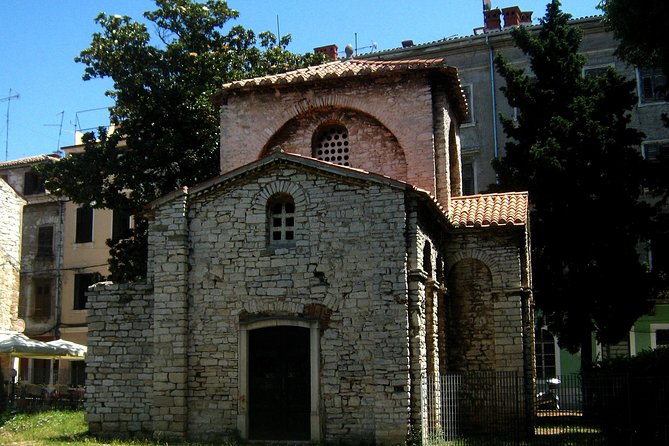
At $28.66 per person for about 1 hour 30 minutes, this tour sits in the “good value if you care about meaning” category. You are paying mainly for the guide time and the structured route, not for fancy extras.
What helps the value: it is a small group with a maximum of 15 travelers. That size is usually large enough to be lively, but small enough that the tour still feels human. You can ask questions, and the guide can tailor explanations to what you seem interested in.
A practical detail: the start time is 10:30 am, and the meeting point is at the Pula Arena (Flavijevska ul.). The walk ends at the market area (Flanatička ul. 21). This is helpful because you start near the biggest Roman landmark and finish in the place where you naturally want a coffee or lunch afterward.
Starting at Pula Arena, Then Walking a Roman City in Order
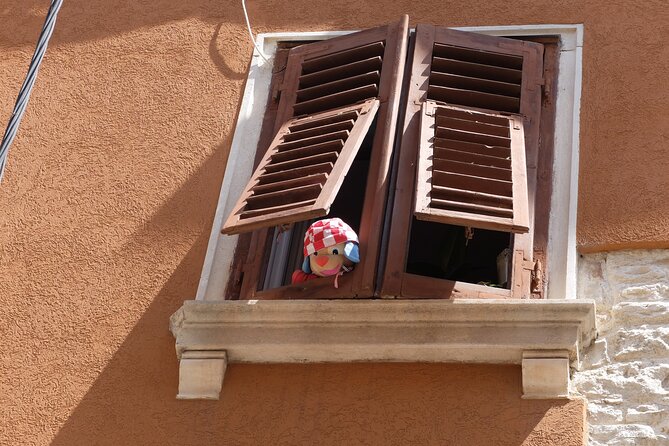
The tour begins at the Pula Arena area, and that is the right move. The Amphitheatre de Pula is the emotional anchor of the city, and it sets the tone for everything that follows.
From there, the route flows toward the old city walls and gates, then into the market district, and back through smaller Roman highlights you might walk past on your own. The structure matters. When you see the big Arena first, then the gates, temple, and mosaics feel like parts of one system, not random piles of stone.
You should also know what is included and what is not. The tour includes a licensed tour guide, and it uses a mobile ticket. Admission is not included for the Amphitheatre de Pula and the Temple of Augustus, while several other stops are free to view.
Stop 1: Amphitheatre de Pula and the Roman Idea of Bread and Games
This is the stop that sets minds clicking.
You spend about 30 minutes at Amphitheatre de Pula, and the guide focuses on how the Roman emperors kept people happy, the famous “bread and games” concept. That framing is useful because it explains why the Arena was more than entertainment. It was political, social, and a big part of how Roman public life worked.
The tour also gives you background on major historical events of the ancient world, so you are not just admiring stonework. You are building a mental map of what this place likely meant in its time.
The practical note: admission ticket is not included here. If you want to enter the Arena, make sure your plans include that cost and timing. The good news is that if you already wanted to visit, this stop keeps that interest tightly connected to the story your guide is telling.
More city-scale tours around Pula
- Pula: Historic Walking Tour with Local Guide & City Views
★ 4.8 · 143 reviews
Stop 2: Gradska Trznica Pula, a Market Square With Real Daily Life
About 10 minutes here, and it is not just a photo stop.
Gradska Trznica Pula is described as the city’s artery, made up of the green market and the fish market. Even if you do not buy anything, this is the kind of place that helps you understand Pula as a living city, not a museum.
This market stop is included in the morning version. Since your tour starts at 10:30 am, you are set up to catch it.
What I like about including a market square early: it grounds the Roman theme. After discussing emperors and public shows, you see how daily life still has its rhythms, with local food and busy stalls shaping the street scene.
Roman City Gates: Arco dei Sergi, Twin Gate, and Gate of Hercules
After the market area, the walk turns Roman again, but in a different way. Gates are not just scenery. They show movement, defense, and how the city was organized.
At Arco dei Sergi, you learn it is one of three Roman city gates in Pula. That helps you see the streets as a connected layout, not a set of disconnected sights.
Next you pass the Twin Gate, which the tour notes has more than Roman significance. Even at a quick stop, it encourages you to look at layers, not just one era.
Then you get Gate of Hercules, where the story is built around the idea that Hercules protected the city for millennia. It is a legend-style detail, but it gives you a reason to care about the stone you are standing next to.
All of these gate stops are free to view, so you are not paying extra just to make the most of the walk.
Stop 3: Temple of Augustus, the Old Roman Temple in Croatia
Then comes the Temple of Augustus, with about 15 minutes of focus.
The tour highlights it as the most beautiful and oldest Roman temple in Croatia. Even if you are not a total architecture person, this is a great kind of stop because it is specific. You learn what you are seeing and why this temple matters in the Roman footprint of the region.
Admission for this stop is not included, so you might decide whether to add entry based on your interests and time. If you do not enter, you still get the explanation, which helps you understand the significance rather than treating it like a closed-off backdrop.
This stop is also a good pacing break. After gates, a temple works like a change of scenery in your head, and it makes the rest of the walk more varied.
Stop 4: Mosaic The Punishment of Dirce, Plus Smaller Roman Stops
One quick stop that many people miss on their own: Mosaic The Punishment of Dirce.
You spend about 5 minutes here, and the value is context. A mosaic can look like “pretty floor art” unless someone explains what it is showing and why it is remembered. This stop is a reminder that Pula’s Roman story includes art, not just big monuments.
From there, you are also guided through other Roman features nearby, including:
- Gate of Hercules (legend-driven protection theme)
- Roman Mausoleum (the Octagonal Mausoleum from the 1st century, with only the lower part visible)
The Roman Mausoleum is placed near the double gate, the Archaeological Museum, and the city wall. Even if you keep this to a quick glance, it helps you notice how the city’s Roman remnants sit in clusters, rather than spread out randomly.
These stops being free is a real plus for value. You get more sights without adding ticket costs beyond the Arena and Augustus temple.
What Makes the Guide Approach Matter: Stories, Questions, and Local Perspective
A tour can show you landmarks. A good guide helps you understand why those landmarks were built the way they were.
That is where the German-speaking local guide style really counts. The tour is described as a dialog-style experience, where the guide takes questions and shapes the explanations around what you want to know. That matters most at the Arena and the temple, where details can otherwise feel abstract.
I also like the local framing beyond the Romans. The tour connects the city’s Roman layer to later influences, including Austrians and Venetians. It is also built to answer the very practical question you will have in your head while walking: how does life today compare between Croatia and Germany?
That kind of human comparison is small but memorable. It makes your time in Pula feel like you are learning from people, not just reading stones.
One more practical advantage: several visitors highlight the guide’s clear German and friendly communication. If you want your brain to relax while still learning real facts, this is the right setup.
How Much Walking Is Involved, and Who This Tour Fits Best
This is a walking tour with a tight set of stops and a total time around 1 hour 30 minutes. That makes it a good option if:
- You want a smart overview of Pula’s Roman center without a long day
- You prefer smaller groups
- You want a German guide so nothing important gets lost
It also seems to work well for families, including kids. The emphasis on legends and story-driven explanations makes the Roman material feel less like homework and more like “how this world used to run.”
If you are someone who wants to linger for museum-level reading or multiple ticketed entries, this might feel a bit short. The good fix is to treat it as your orientation tour, then build your own time afterward around the sights that grabbed you most.
Practical Stops You’ll Want to Plan For
Two stops involve paid admission:
- Amphitheatre de Pula admission not included
- Temple of Augustus admission not included
Everything else on the route is described as free to view, including:
- Gradska Trznica Pula (market square area)
- Arco dei Sergi
- Mosaic The Punishment of Dirce
- Twin Gate
- Gate of Hercules
- Roman Mausoleum (Octagonal Mausoleum remains)
So the cost picture is simple. You pay the tour price up front, and then you only add tickets if you want entry at the two main Roman sites called out.
Should You Book This German Pula Tour With Marina?
Book it if you want Roman Pula made understandable in a short, efficient walk. The combo of a licensed local guide, a small group cap, and a German-language format is exactly what you want when you are trying to turn ruins into stories.
Skip it or consider a longer alternative if you know you need time to enter multiple sites deeply. This one is built for overview and explanation, not for a slow museum day. Also, if you hate ticket add-ons, you might prefer an option where everything is included, since the Arena and Augustus temple admissions are listed as not included.
If you like the idea of a smart route that ends at the market so you can keep exploring right after, this is a strong match for first-time visitors to Pula, especially those with limited time.
FAQ
How long is the Pula city tour?
The tour lasts about 1 hour 30 minutes.
What is the price per person?
The price is $28.66 per person.
What time does the tour start, and where is the meeting point?
The start time is 10:30 am. The meeting point is Pula Arena, Flavijevska ul., 52100, Pula, Croatia.
Where does the tour end?
The tour ends at Market, Flanatička ul. 21, 52100, Pula, Croatia.
Is admission to the Amphitheatre de Pula included?
No. Admission for the Amphitheatre de Pula is not included.
Is admission to the Temple of Augustus included?
No. Admission for the Temple of Augustus is not included.
Are any of the stops free to view?
Yes. Stops such as Gradska Trznica Pula, Arco dei Sergi, Mosaic The Punishment of Dirce, Twin Gate, Gate of Hercules, and Roman Mausoleum are listed as free.
How big is the group?
The tour has a maximum of 15 travelers.
Can I cancel for a full refund?
Yes, you can cancel up to 24 hours in advance for a full refund. If you cancel less than 24 hours before the start time, the amount you paid is not refunded.
City-Scale Tours in Pula
Roman Istria, Continued




Freshly written up around Pula
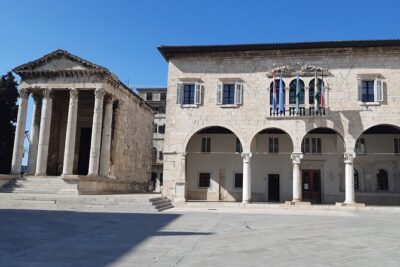



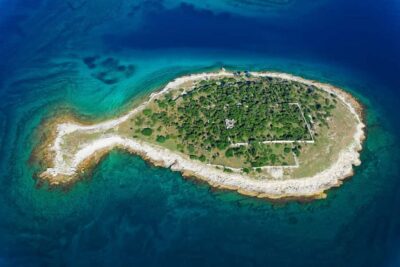
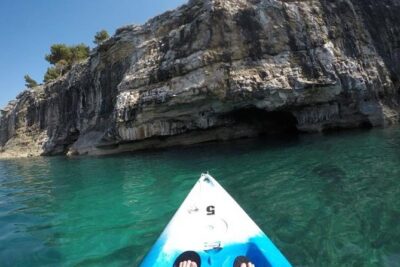
Pula Arena & Roman Istria Tours, top to bottom.
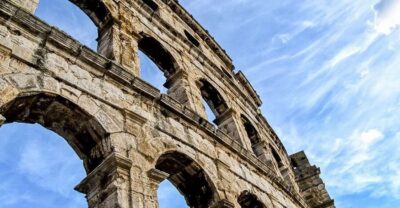 ★ 4.3Pula: Arena Entrance TicketFrom $112,590 reviews
 ★ 5.0Medulin -Kamenjak 5h boat trip with lunch & drinks on Sandra BoatFrom $541,621 reviews
 ★ 5.0Full-Day Boat Tour of the Medulin Archipelago from MedulinFrom $541,389 reviews
 ★ 5.03hours all inclusive Sunset&Dolphin Tour from Medulin on SandraFrom $541,130 reviews
 ★ 4.8Pula: Kayaking,Snorkeling, Cliff jumping Tour with WetsuitFrom $57861 reviews
 ★ 4.5Pula: National Park Brijuni Island Visit & Dolphin CruiseFrom $76788 reviews
 ★ 4.5Pula: Brijuni Sunset Dolphin Cruise with Dinner & DrinksFrom $62764 reviews
 ★ 4.9Pula: Night-Time Sea Kayaking Tour in Transparent KayakFrom $69628 reviews
Browse the lists this tour appears in