
REVIEW · PULA ARENA & ROMAN ISTRIA TOURS
Pula: Historic Walking Tour with Local Guide & City Views
Roman Pula sounds better with Marina. This 1.5-hour historic walk is led by a licensed local guide born in Pula, with 18 years of experience, and it is designed for German-speaking visitors who want more than the usual facts. You will get alt angles on the city’s layers, plus practical insider tips as you move through old streets.
What I like most is how the tour starts at the right spot, the Roman Amphitheatre, so you immediately understand why it mattered. I also love that the route does not stop at monuments, it turns into a food and everyday-life story at the farmer’s market, where local Istrian products are bought and sold.
One thing to consider: entrance fees are not included, so if you want to go inside any sites beyond what the guide covers from the outside, you may need extra time and separate tickets.
In This Review
- Key points worth knowing before you go
- Meeting Marina at the Arena entrance under the Holzdach
- The Roman Amphitheatre story, minus the gladiator shortcut
- Walking the old streets to Pula’s preserved city gates
- The farmer’s market stop for real Istrian food culture
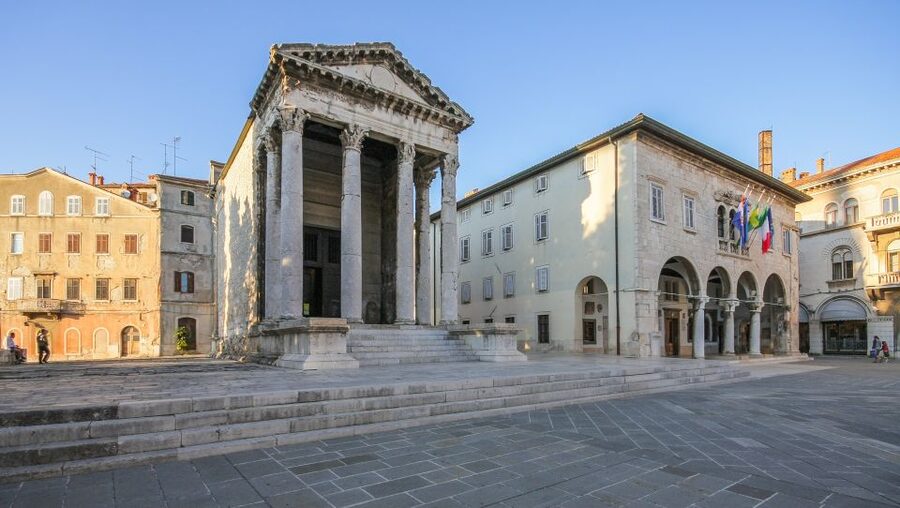
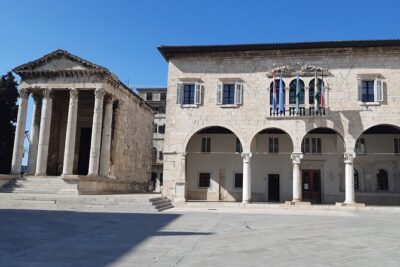
- Forum square, August temple remains, and the Venetian city hall
- Personalizing the walk to your interests, from culture to nature to food
- Pace, views, and how to time it with your day
- Price and value: why $28 makes sense for a short, high-impact loop
- Practical tips so you get the most from your 90 minutes
- Who should book this Pula historic walking tour
- Should you book Marina’s Pula walk?
- FAQ
- How long is the Pula historic walking tour?
- What language is the guide speaking?
- Where does the tour start?
- Does the tour end in the same place?
- What is the price per person?
- Are entrance fees included?
- Is the tour wheelchair accessible?
- Is there free cancellation?
- Can I reserve without paying right away?
Key points worth knowing before you go
- Licensed local guide Marina (born in Pula) brings 18 years of real on-the-ground knowledge.
- German-only tour makes the explanations clear and easy to follow at walking speed.
- Roman Amphitheatre meeting point sets the tone fast, with context beyond gladiator rumors.
- Three preserved city gates (Twin, Hercules, Sergii) connect the city’s layout to its story.
- Farmer’s market + Forum square adds local food culture and civic history in one loop.
- Wheelchair accessible route with a meeting point at the Arena entrance under a wooden canopy.
Other Roman-Istria stops we have covered
- Medulin -Kamenjak 5h boat trip with lunch & drinks on Sandra Boat★ 5.0 · 1,621 reviews
- Full-Day Boat Tour of the Medulin Archipelago from Medulin★ 5.0 · 1,389 reviews
- Pula: Kayaking,Snorkeling, Cliff jumping Tour with Wetsuit★ 4.8 · 861 reviews
- Pula: National Park Brijuni Island Visit & Dolphin Cruise★ 4.5 · 788 reviews
Meeting Marina at the Arena entrance under the Holzdach
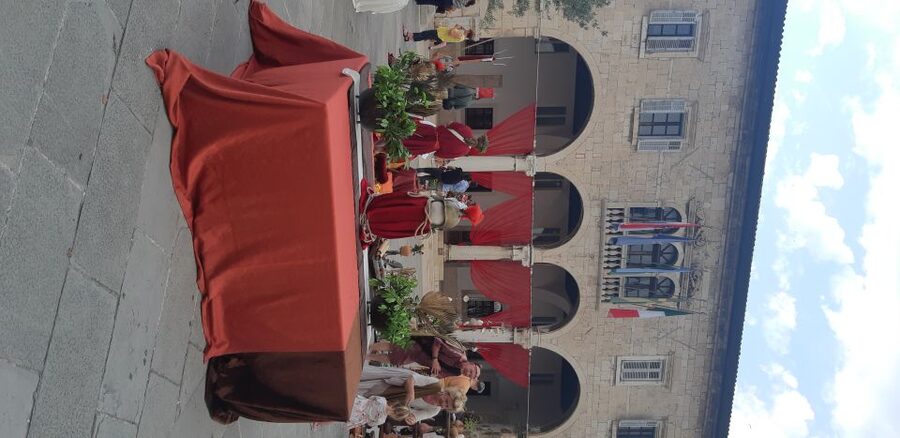
The tour begins right at the Am Eingang in Arena, unter dem Holzdach, so you are in the action before you have to hunt for the right corner. You meet at the entrance area of Pula’s Roman Amphitheatre, then you walk out together and return to the same meeting point at the end.
This matters because Pula’s old town can feel like a puzzle when you arrive. Starting at the Amphitheatre gives you a reference point, and Marina can guide your eyes first, then your feet. If you are the type who likes to understand a city’s layout while you still have fresh energy, this start is a win.
The Roman Amphitheatre story, minus the gladiator shortcut
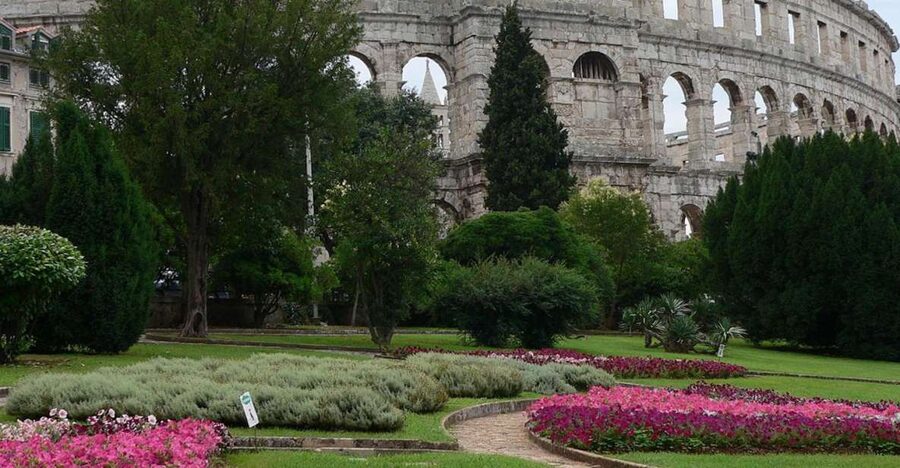
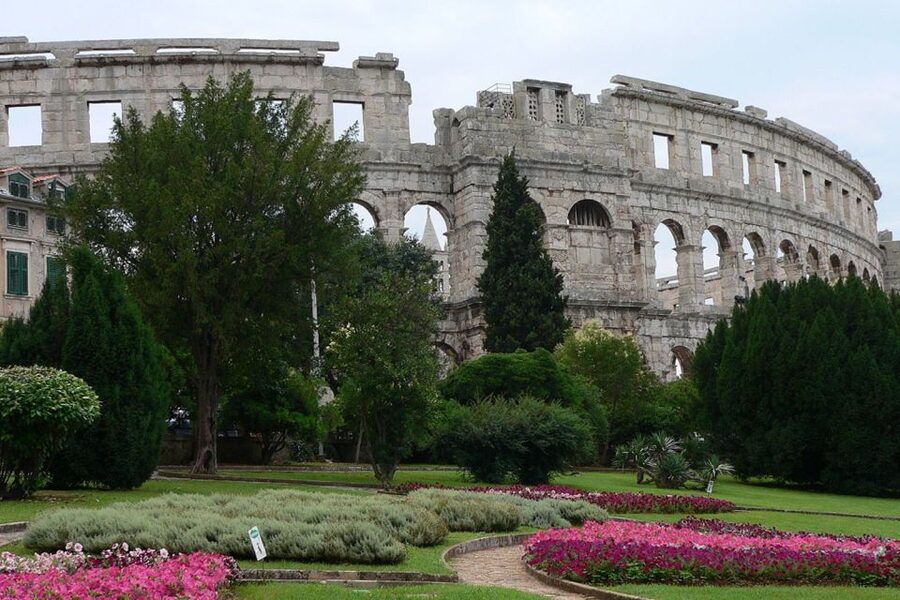
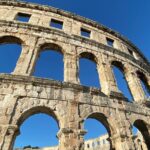
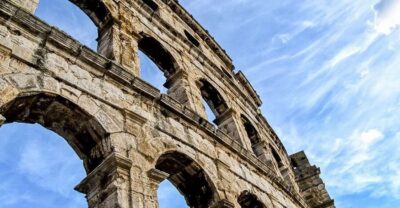
Your first big stop is Pula Amphitheatre. Marina explains what it was built for and how its purpose goes beyond the headline version of gladiators. That shift is useful, because it helps you look at the structure like infrastructure, not just a photo background.
You will also get the kind of details that change how you read ruins. Instead of just thinking, Wow, old stones, you start connecting the monument to daily life, power, and the city’s role in the region. It is not just monument admiration, it is meaning.
Walking the old streets to Pula’s preserved city gates
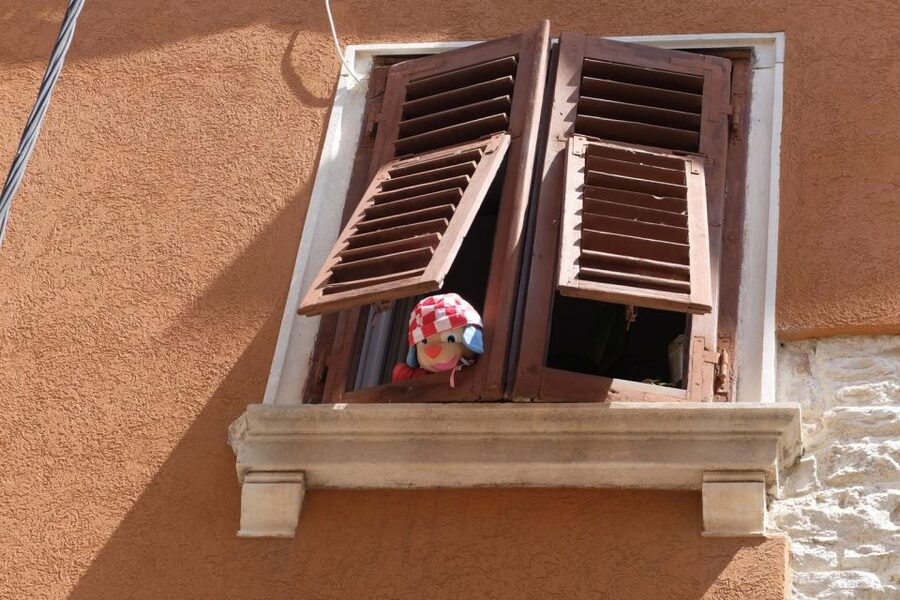
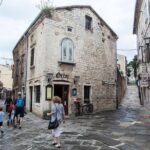
After the Amphitheatre, the route naturally leads into other antique parts of the city. This is where you start noticing that Pula is not one era, it is many layers that overlap in the streets and entrances.
One of the most memorable segments is the set of three Roman city gates that are still standing: the Twin Gate, the Hercules Gate, and the Sergii Gate. Marina points out preserved details and connects each gate to the stories behind it. Even if you have seen Roman gates before, having them explained in a local, place-based way helps you spot differences instead of treating them all as the same.
If you care about how cities worked, gates are the best “fast learning” topic. A gate tells you where movement funneled, where authority showed up, and how the city protected itself. You get that context while you are still in walking distance of where it happened.
The farmer’s market stop for real Istrian food culture
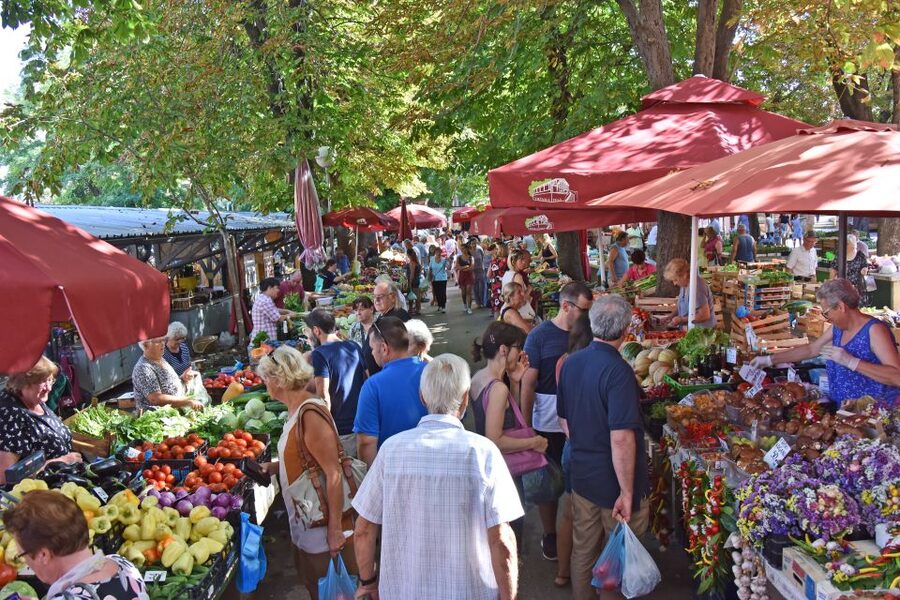
Marina is a foodie and passionate about local cooking, and that shows in the market portion of the walk. The tour includes a stop at the Pula farmer’s market, the place where locals buy and sell products native to Istrian soil.
This is not included as a random shopping detour. It is part of the city story, because markets are where a region’s identity becomes visible. You get a sense of what people choose, what is native and local, and how food ties into the everyday rhythm of Pula.
If you want something to do with what you learned earlier about Rome and civic life, this market stop is a smart pivot. You can go from stone to soil in a single afternoon, and the city feels less like an open-air museum.
More Pula covered at walking pace
- Pula: Historic Walking Tour with Local Guide & City Views
★ 4.8 · 143 reviews - Pula walking tour
★ 5.0 · 96 reviews - Pula: Historic Sites Guided Walking Tour
★ 4.8 · 78 reviews - Pula Essentials Walking Tour
★ 4.8 · 64 reviews - Pula Essentials Walking Tour
★ 5.0 · 62 reviews
Forum square, August temple remains, and the Venetian city hall
Next comes Forum square, introduced as the Roman version of the farmer’s market. That comparison is clever because it helps you understand the Forum as a living center, not just a square with ruins. It is where the heart of a Roman city functioned, and Marina helps you see why that role still echoes around you.
On this part of the walk, you will also see remains connected to the August temple. Marina then moves you onward to the Venetian city hall, and this becomes a perfect moment to explain why there is a goat on the regional flag. You get history, yes, but also symbolism and identity, the kind that sticks after the tour ends.
This segment is valuable if you enjoy cross-cultural layers. Pula has Roman foundations, but it also absorbed later influences. The way the tour links August temple remains to the Venetian city hall keeps the story from feeling like disconnected trivia.
Personalizing the walk to your interests, from culture to nature to food
One of the reasons this format works is that Marina guides German-speaking guests with flexibility. She can focus on local lifestyle, culture, nature, or food, depending on what you want from your time in Istria.
So if you are the kind of traveler who likes to ask questions, this tour gives you room to steer the conversation. If you prefer a straightforward history route, you can still get that, because the big landmarks are already built into the flow. Either way, you are not stuck with only one theme.
I like this approach because it makes a short tour feel less generic. With only 1.5 hours, a fixed script can feel rushed. Here, you can lean toward what you care about most while still covering the core Pula sights.
Pace, views, and how to time it with your day
This is a walking tour that lasts 1.5 hours, and it returns you to the starting point. That duration is ideal for mid-day orientation or an easy morning primer, especially if you are visiting multiple sites across Istria and you want your “old town context” early.
You will cover key highlights in a compact loop, from Amphitheatre to gates to market to Forum square. The upside is efficiency. The trade-off is that you will likely not linger as long at each spot as you would on a self-guided day.
If you enjoy photos, do not plan a marathon. Plan for short stops to look up, look around, and read the area with your guide’s pointers in mind. That is where you will get the most value in limited time.
Price and value: why $28 makes sense for a short, high-impact loop
At $28 per person, this tour sits in the sweet spot for a guided introduction. For that price, you get a licensed guide (Marina) plus an organized route that hits the Amphitheatre, three Roman gates, a local farmer’s market stop, and Forum square highlights.
Entrance fees are not included, so do account for that if you want paid entry at any site. Still, the tour’s value is not just access, it is interpretation. A guide turns stones and street corners into a story you can remember.
Think of this as paying for clarity. Without guidance, a Roman Amphitheatre, a set of gates, a Forum square, and a market can feel like separate curiosities. With the tour structure, you start seeing how they connect.
Practical tips so you get the most from your 90 minutes
Because this is a compact walking loop, a few small choices make the experience smoother:
- Wear comfortable shoes, since you will be walking through multiple antique zones.
- Bring a light layer, especially if you arrive when the sun is strong or the sea air feels cooler.
- Come with one thing you want to understand: food culture, Roman architecture, or city symbolism like the goat on the flag.
- If you have mobility needs, this tour is wheelchair accessible, but you should still plan for the realities of outdoor walking.
The tour also runs with German language only. If German is your comfort zone, you will enjoy how much detail Marina can share within the time you have.
Who should book this Pula historic walking tour
This tour is a strong fit if you:
- Want a German-led introduction to Pula that feels personal.
- Like Roman sites, but also want context beyond gladiator stories.
- Enjoy food culture and want the market stop explained in a local way.
- Prefer short, focused walks over long full-day tours.
It might be less ideal if you:
- Expect a tour with site entry tickets fully included.
- Want hours of unsupervised time at each monument.
- Need a language other than German.
Should you book Marina’s Pula walk?
I think you should book it if you want a quick, guided route that actually helps the city make sense. Starting at the Amphitheatre, then working through gates, a farmer’s market, and Forum square gives you a rare mix of civic Rome and real local life in just 1.5 hours.
If you are trying to decide between self-guided wandering and a guided orientation, this is the better choice for getting answers while you are in front of the landmarks. Just be sure to plan for possible entrance fees on top, and you will be set for a memorable Pula day.
FAQ
How long is the Pula historic walking tour?
The tour lasts 1.5 hours.
What language is the guide speaking?
The live tour guide speaks German.
Where does the tour start?
You meet at the entrance in the Arena area, under the wooden canopy (Am Eingang in Arena, unter dem Holzdach).
Does the tour end in the same place?
Yes, the activity ends back at the meeting point.
What is the price per person?
The price is $28 per person.
Are entrance fees included?
No. Entrance fees are not included.
Is the tour wheelchair accessible?
Yes, the tour is wheelchair accessible.
Is there free cancellation?
Yes. You can cancel up to 24 hours in advance for a full refund.
Can I reserve without paying right away?
Yes. You can reserve now and pay later to keep your plans flexible.
City-Scale Tours in Pula

Walk It: More of Pula at Ground Level
Roman Istria, Continued


Freshly written up around Pula


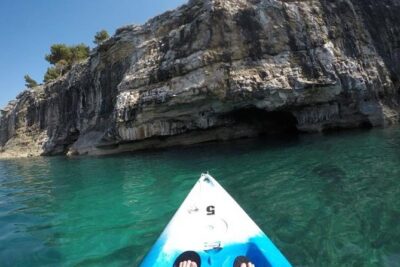
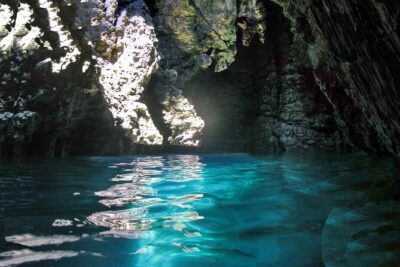
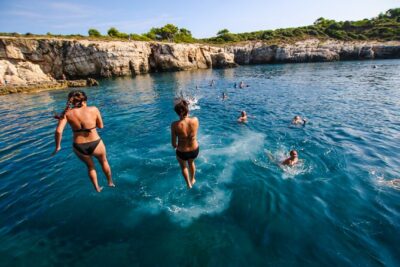
Pula Arena & Roman Istria Tours, top to bottom.
 ★ 4.3Pula: Arena Entrance TicketFrom $112,590 reviews
 ★ 5.0Medulin -Kamenjak 5h boat trip with lunch & drinks on Sandra BoatFrom $541,621 reviews
 ★ 5.0Full-Day Boat Tour of the Medulin Archipelago from MedulinFrom $541,389 reviews
 ★ 5.03hours all inclusive Sunset&Dolphin Tour from Medulin on SandraFrom $541,130 reviews
 ★ 4.8Pula: Kayaking,Snorkeling, Cliff jumping Tour with WetsuitFrom $57861 reviews
 ★ 4.5Pula: National Park Brijuni Island Visit & Dolphin CruiseFrom $76788 reviews
 ★ 4.5Pula: Brijuni Sunset Dolphin Cruise with Dinner & DrinksFrom $62764 reviews
 ★ 4.9Pula: Night-Time Sea Kayaking Tour in Transparent KayakFrom $69628 reviews
Browse the lists this tour appears in