
REVIEW · PULA ARENA & ROMAN ISTRIA TOURS
Pula: Introduction to Scuba Diving
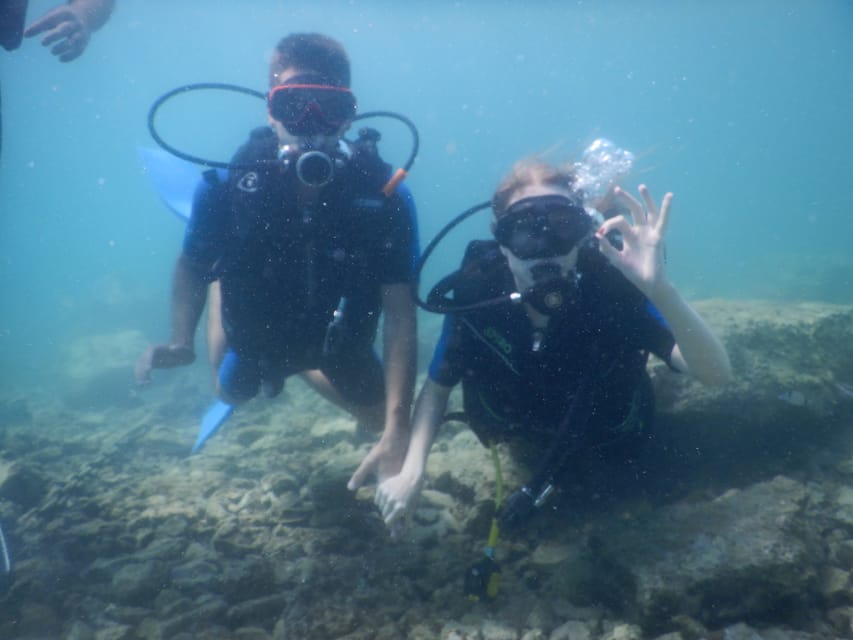
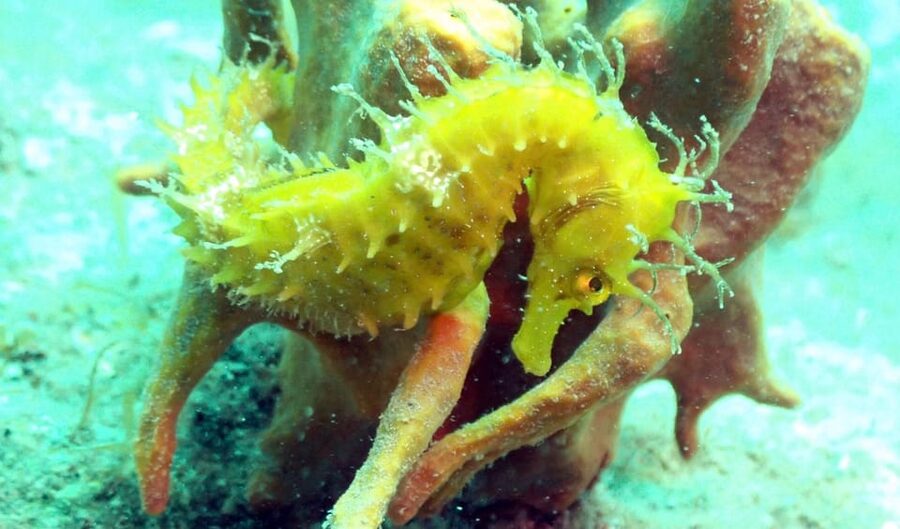
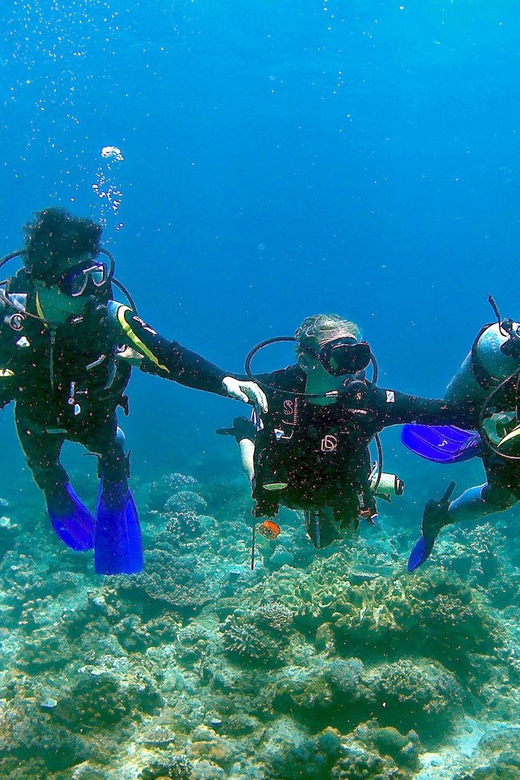
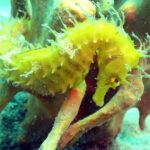
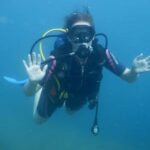
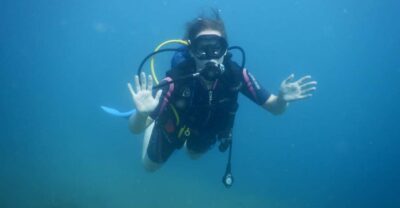
Pula makes underwater breathing feel doable fast. This intro scuba course off the Adriatic coast turns nerves into skills with a steady instructor and a clear plan. You go down to about 7-8 meters, learn what to do underwater, and get chances to spot sea creatures like octopus and seahorses.
What I like most is how they teach the basics in a calm, hands-on way, especially breathing technique and the simple set of underwater hand signals. I also love the instructor quality, with big names like Johannes, Nef, Yoan, Sergei, and Marin showing up in real beginner stories, each focused on keeping you comfortable and safe.
One consideration: the course is weather-dependent, so conditions can affect timing and the way the water part plays out. And while you’ll spend time in the sea, the official limit for going down is a maximum 30-minute underwater session.
In This Review
- Key highlights you will actually feel
- Why Pula is a smart choice for your first scuba training
- What happens before you ever go underwater
- The instructor coaching that makes or breaks a first attempt
- Equipment and what you need to bring (and what you skip)
- The underwater session: 7-8 meters and what to expect
- Marine life at beginner depth: how to spot octopus and seahorses
- Who this course fits best, and who should reconsider
- Price and value: what $100 really buys in Pula
- Weather and timing: how to keep your plans flexible
- Should you book this intro scuba course in Pula?
- FAQ
- What depth will I reach in the water?
- How long is the underwater part?
- What is included in the $100 price?
- What should I bring with me?
- Is food and drinks included?
- Is this activity suitable for kids?
- Can pregnant women join?
- Are pets allowed?
- What is the cancellation window?
Key highlights you will actually feel
- Patient instruction in multiple languages (English, German, French, Italian, Croatian), which matters a lot when you are concentrating underwater.
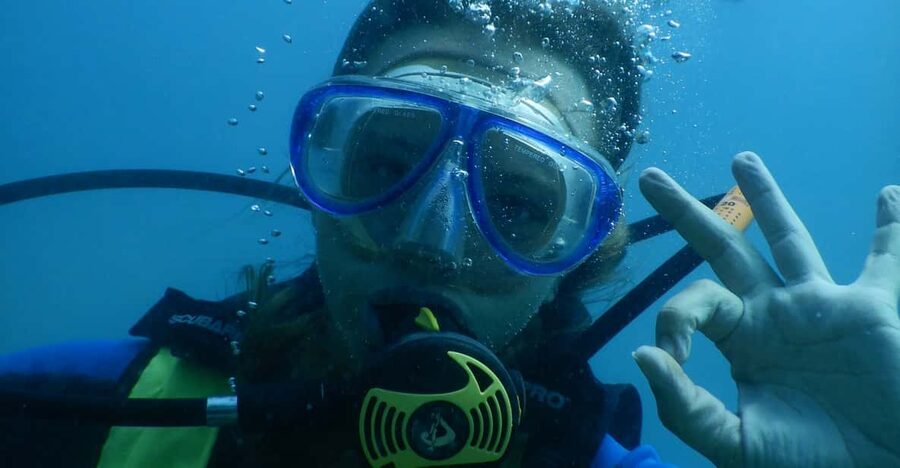
- Underwater hand signals taught early, so you are not guessing once you are off the surface.
- A controlled depth of about 7-8 meters, built for a first attempt rather than an all-out training day.
- Sea creature spotting with real odds for octopus and seahorses, if the water cooperates.
- Beginner-friendly pace with an instructor who can slow things down when your confidence needs a boost.
- Minimum age 10, with kids 8-10 handled by a special program.
Other Roman-Istria stops we have covered
- Medulin -Kamenjak 5h boat trip with lunch & drinks on Sandra Boat★ 5.0 · 1,621 reviews
- Full-Day Boat Tour of the Medulin Archipelago from Medulin★ 5.0 · 1,389 reviews
- Pula: Kayaking,Snorkeling, Cliff jumping Tour with Wetsuit★ 4.8 · 861 reviews
- Pula: National Park Brijuni Island Visit & Dolphin Cruise★ 4.5 · 788 reviews
Why Pula is a smart choice for your first scuba training
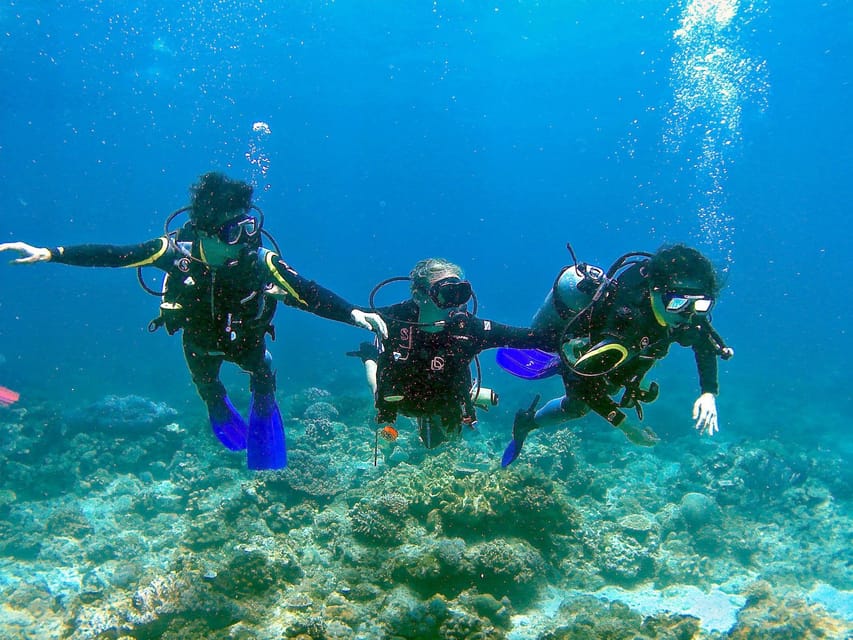
Pula sits on Croatia’s Adriatic coast in Istria County, and it is a practical place to start because the experience is set up for getting you comfortable with scuba gear and underwater communication. You are not thrown into a complicated training schedule. Instead, the focus stays on fundamentals: how to breathe steadily, how to move with control, and how to respond when your instructor gives signals.
The underwater “reward” is also well matched to a beginner course. You are going to a depth where you can still take in what is around you. And the area is known for small, interesting life. Seahorses and octopus are specifically called out, which is great for first-timers because it gives you something to look for besides just trying to stay calm.
Finally, the vibe feels family-friendly in the best way. There is no sense that this is only for experienced divers. If you are traveling as a couple, a group of friends, or with kids (age 10 and up), this course is structured for that reality.
What happens before you ever go underwater
Your experience starts with paperwork and a safety check. You fill out a medical questionnaire first. This is not busywork. It is part of keeping the course safe for everyone, and it is especially relevant because the course is not recommended for pregnant women.
Then you get the equipment. The course includes equipment and training, and that makes a difference. For beginners, the gear can be the hardest part of the whole day. Having it provided means you can focus on learning what each piece does and how it feels on your body.
After that, expect a short explanation on safe underwater practice. This is where they set expectations for your behavior underwater and how to stay in control. The goal is simple: you should understand what you need to do before you are actually in the water, not during it.
One more detail that matters for peace of mind: you also learn the underwater communication system before you go down. When your brain is already busy regulating breathing, having a clear set of hand signals keeps you from spiraling into uncertainty.
The instructor coaching that makes or breaks a first attempt
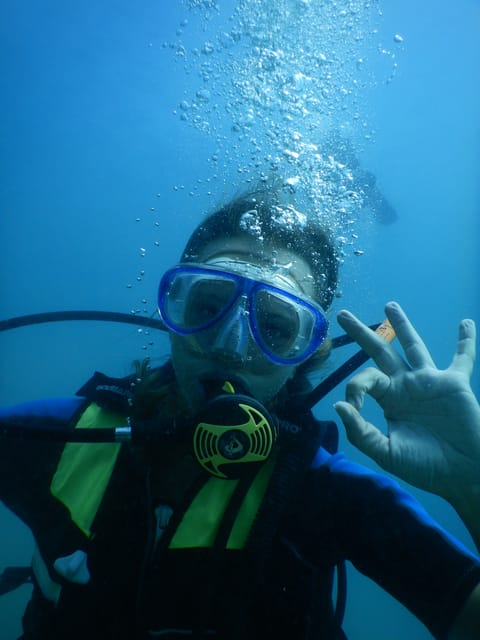
If you care about how safe and calm a beginner course feels, instructors are everything. And this course repeatedly shines on that point.
People share stories of instructors like Johannes staying calm and professional, helping a hesitant partner get through the full program. Others describe Nef as patient and fun, turning nervous energy into steady progress. Yoan is praised for clear, specific instructions that build trust quickly. Sergei gets credit for breaking information into bite-size pieces and getting people in the water efficiently. Even within the same center, the theme stays consistent: supportive coaching and patience when you need it.
What you should take from that, as a potential participant, is this: you are not just buying a gear rental and a time limit. You are buying teaching. And this program is built around the instructor guiding your breathing and your underwater signals until they feel automatic.
Also, language support is a real plus. The course lists English, German, Italian, French, and Croatian. When you are learning scuba fundamentals, being able to ask questions in a language you fully understand can shave off a lot of anxiety.
Equipment and what you need to bring (and what you skip)
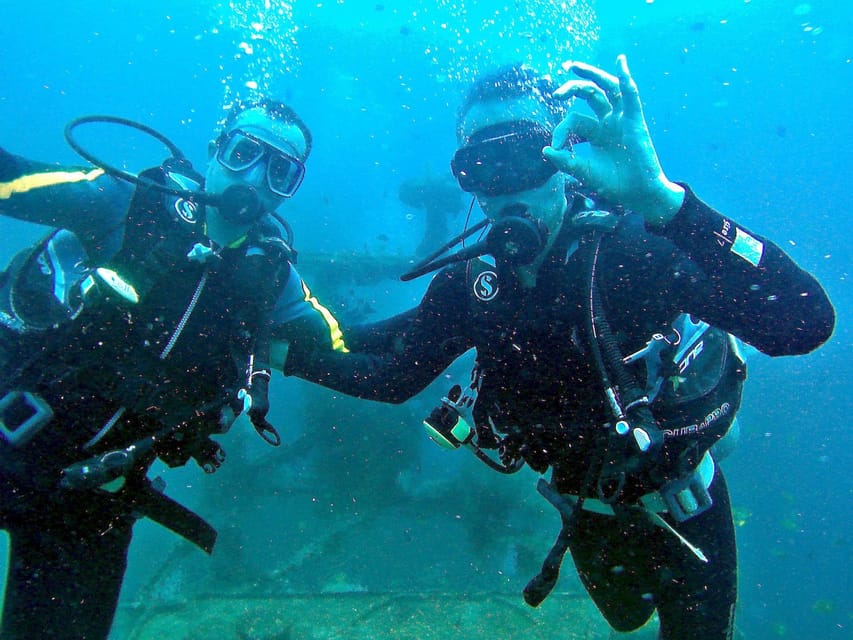
The course includes equipment, so you do not need to bring your own scuba gear. That reduces the mental load. For your part, the list is refreshingly simple: bring swimwear.
That simplicity is exactly why this works well for travelers. You can pack light and not worry about finding the right gear before you arrive in Pula.
A couple of practical notes to keep in mind:
- Pets are not allowed.
- The activity ends back at the meeting point, so you do not need to plan a separate return.
- Food and drinks are not included, so if you get hungry after the sea time, you will want to have a plan.
More dives we have written up in Pula
- Pula: Introduction to Scuba Diving
★ 4.9 · 190 reviews - Scuba Diving for Beginners in Pula
★ 5.0 · 29 reviews - Small-Group Introductory Scuba Diving in Pula
★ 5.0 · 20 reviews - Pula Discover Scuba Diving Package
★ 4.5 · 18 reviews
The underwater session: 7-8 meters and what to expect
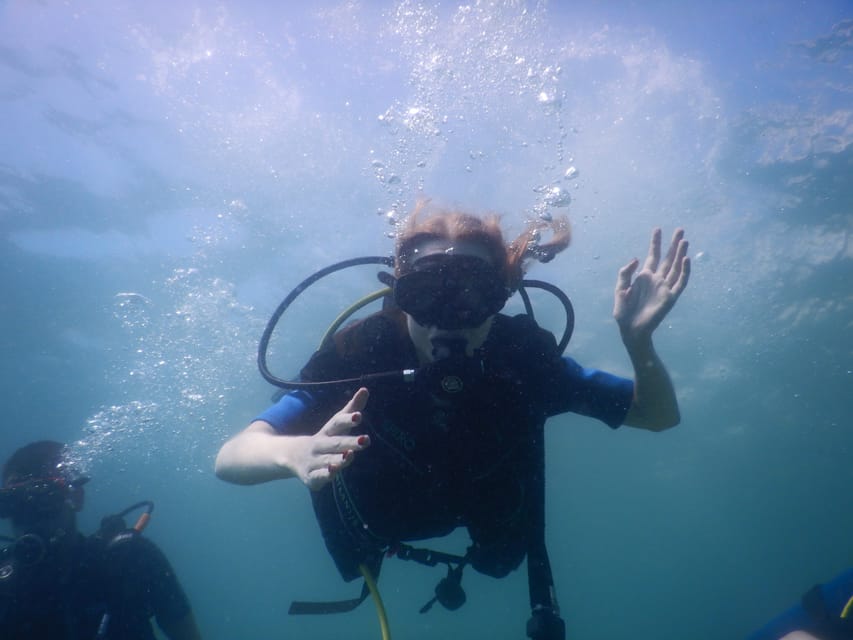
Here is the core of the experience: you gradually go underwater to a maximum depth of about 7-8 meters. You learn and practice the scuba basics while staying within that controlled range.
The course sets a maximum underwater time of 30 minutes. That time limit matters in two ways. First, it prevents you from overtaxing yourself as a beginner. Second, it keeps the coaching focused, since the instructor is working with you in a short, structured window.
You should also know that the way this feels can be different day to day. Some people report more time in the water than they expected, even though the course has a defined underwater limit. Translation for your planning: expect a real chunk of time out on the water, but do not interpret the day like a strict minute-by-minute schedule.
What you will do underwater, based on the course focus, centers on:
- Using your breathing technique correctly
- Following the underwater hand signals you learned beforehand
- Keeping calm and controlled movement at a beginner depth
- Looking around for marine life like octopus and seahorses
If you have ever tried snorkeling and felt the water is unpredictable, scuba adds a new layer, especially with regulated breathing. This course helps you handle that layer without turning it into a test.
Marine life at beginner depth: how to spot octopus and seahorses
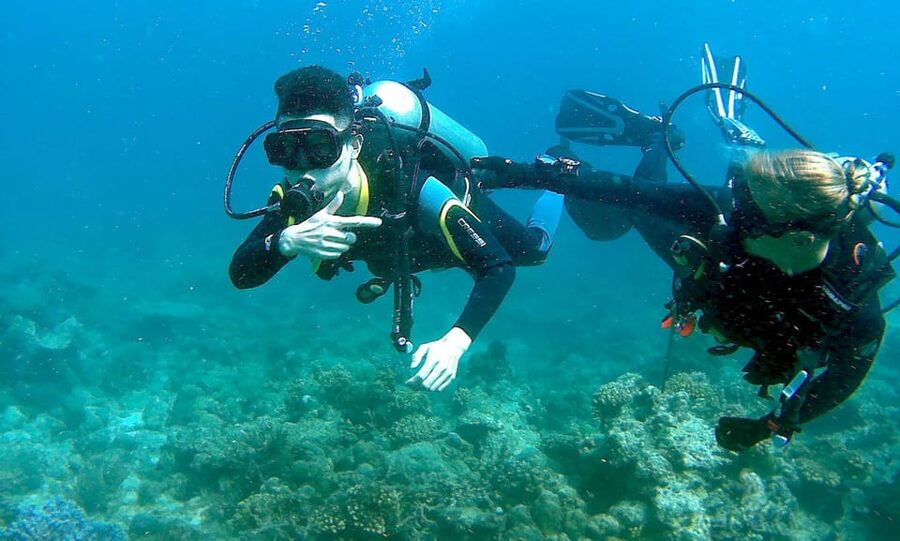
One of the best parts of this intro course is the promise of wildlife spotting, specifically octopus and seahorses. Here is the realistic takeaway: you are not guaranteed to see every creature every time. Water conditions and the day’s activity matter.
But even when you do not see exactly what you hoped for, the chance to look for small, interesting animals changes your underwater experience from task-focused to wonder-focused. And that is a big deal on a first scuba session. Beginners can start out thinking, I hope I do not mess this up. A clear wildlife target helps your brain shift from fear to attention.
The practical way to increase your odds is to listen to your instructor and stay calm. When you are tense, you move more, and bubbles and fin kicks can stir up the water. When you are controlled, you spend more time looking and less time recovering from mistakes.
Who this course fits best, and who should reconsider
This is explicitly not suitable for children under 10. The course also says children must be minimum 10 years old and accompanied by an adult. If you are traveling with younger kids between 8 and 10, there is a special program aimed at that age group.
For adults and teens, it is a strong fit when you want a beginner-friendly taste of scuba without committing to a longer certification track on day one. The structure, the limited depth, and the teaching style are meant for first-timers.
One more group to plan for carefully: pregnant women. The course is not recommended for them. If that applies to you, I would not push it. Choose a different water activity that does not add the risks of regulated underwater breathing.
Also, if you are the type who worries about safety, this course seems to understand that. Many instructor stories emphasize calm reassurance, which is exactly what you want for a first underwater training day.
Price and value: what $100 really buys in Pula
At $100 per person, this course can feel like a bargain or a splurge depending on your expectations. Here is the value breakdown that makes the price make sense.
You get:
- A guide
- Equipment
- Training
So you are paying for instruction and gear, not just a simple activity slot. For a first-time experience, that matters because the biggest cost is often not money, it is uncertainty. Good coaching reduces the uncertainty quickly.
The one thing not included is food and drinks. That is normal for short activity tours, but plan for it so you are not hungry afterward.
Also note that the course is described as beginner level. That usually means you are not spending your day struggling through advanced skills. You are learning the basics in a controlled environment. For many visitors, that is the best use of time in Pula.
Weather and timing: how to keep your plans flexible
This activity is subject to change depending on weather conditions. That is not a detail to ignore. On the Adriatic, wind and sea state can affect comfort, visibility, and whether your instructor can follow the planned water routine.
My practical advice: schedule this with flexibility if you can. If your trip is tight, keep a backup activity nearby. If you have the option to reserve and pay later, it helps you adjust when the weather becomes clear.
Should you book this intro scuba course in Pula?
Book it if:
- You want a real first-time scuba experience with clear teaching and underwater communication
- You prefer a controlled depth around 7-8 meters rather than an intense day
- You value calm instruction, especially if you or your group tends to feel anxious at the start
- You are traveling as a family with kids age 10 and up
Skip it (or switch plans) if:
- You are pregnant, since the course is not recommended
- Your child is under 10
- You do not want to deal with weather-dependent scheduling
If you are excited by the idea of learning the breathing basics, using hand signals underwater, and having a shot at seeing octopus or seahorses off Pula’s coast, this is one of those “do it early” activities. It gives you a confident taste of scuba, without asking you to already be comfortable in the water.
FAQ
What depth will I reach in the water?
The course takes you underwater to a maximum depth of about 7-8 meters.
How long is the underwater part?
The maximum duration of your underwater session is 30 minutes.
What is included in the $100 price?
The price includes a guide, equipment, and training.
What should I bring with me?
Bring swimwear. Everything else is handled as part of the experience.
Is food and drinks included?
No. Food and drinks are not included.
Is this activity suitable for kids?
Children must be at least 10 years old and accompanied by an adult. There is a separate program for ages 8-10.
Can pregnant women join?
No. The course is not recommended for pregnant women.
Are pets allowed?
No, pets are not allowed.
What is the cancellation window?
You can cancel up to 24 hours in advance for a full refund.
Going Under Around Pula
Roman Istria, Continued



Freshly written up around Pula

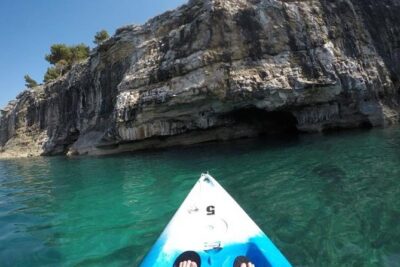
Pula Arena & Roman Istria Tours, top to bottom.
 ★ 4.3Pula: Arena Entrance TicketFrom $112,590 reviews
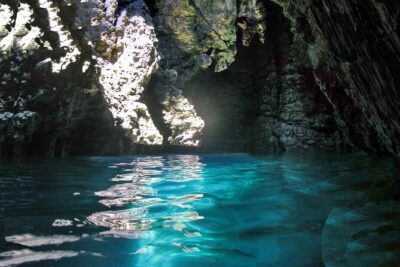 ★ 5.0Medulin -Kamenjak 5h boat trip with lunch & drinks on Sandra BoatFrom $541,621 reviews
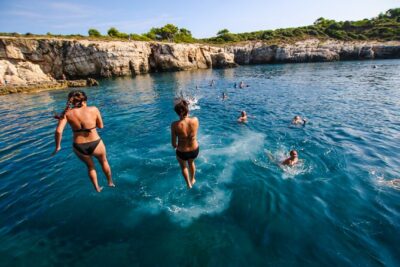 ★ 5.0Full-Day Boat Tour of the Medulin Archipelago from MedulinFrom $541,389 reviews
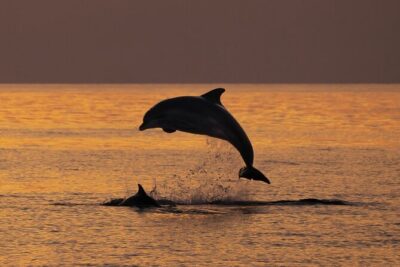 ★ 5.03hours all inclusive Sunset&Dolphin Tour from Medulin on SandraFrom $541,130 reviews
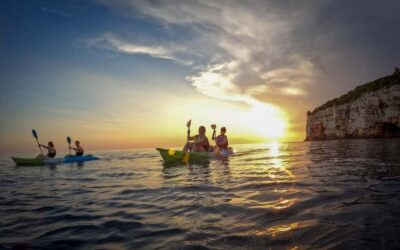 ★ 4.8Pula: Kayaking,Snorkeling, Cliff jumping Tour with WetsuitFrom $57861 reviews
 ★ 4.5Pula: National Park Brijuni Island Visit & Dolphin CruiseFrom $76788 reviews
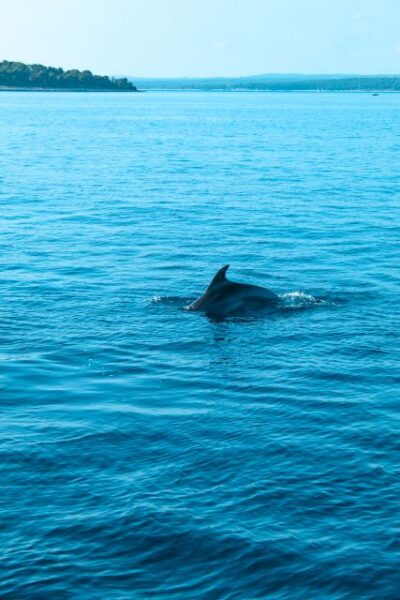 ★ 4.5Pula: Brijuni Sunset Dolphin Cruise with Dinner & DrinksFrom $62764 reviews
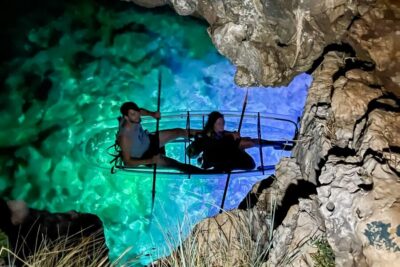 ★ 4.9Pula: Night-Time Sea Kayaking Tour in Transparent KayakFrom $69628 reviews
Browse the lists this tour appears in