
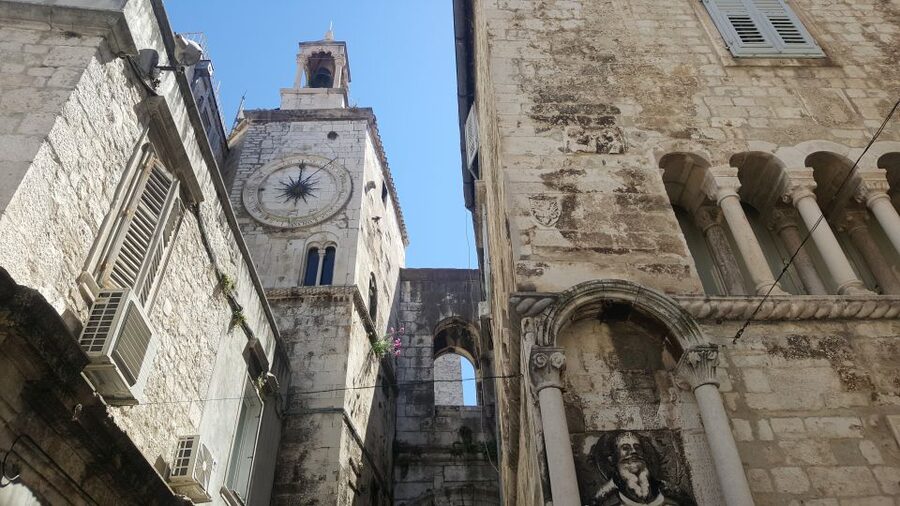
REVIEW · WALKING TOURS
Walking Tour Split
Split’s stones have stories you can walk through. I like the focus on UNESCO Diocletian’s Palace and the way the route hits top sights like the Golden Gates and Fruit Square with a licensed guide. You get clear, human-sized context from guides such as Anna or Victoria G, and you can ask for ideas for the rest of your day in Split. One catch: entrance fees are not included, so a couple stops may cost extra if you want to go fully inside.
This is a focused 1.5-hour walking tour that starts at the National Theatre and loops back to the same meeting point, so it works well even if you just landed or you want an early start. The live guide speaks Spanish and English, and since it is a walking route through Old Town streets, wear shoes that love cobblestones.
In This Review
- Key highlights at a glance
- Why Split’s Diocletian’s Palace is still the main character
- Meeting at the National Theatre, then starting the Old Town loop
- Cathedral of St. Duje and the Peristyle: where the palace shows its power
- Jupiter’s Temple and the Vestibul: Roman design explained at human speed
- Golden Gates and Grgur Ninski: power and personality side by side
- Pjaca and Fruit Square: the Old Town’s everyday center
- What the guide actually does, and why it matters
- Tickets, time, and the real value of paying $28
- How to get the most out of the 1.5 hours
- Who should book this walking tour in Split
- Should you book Walking Tour Split?
- FAQ
- How long is the Walking Tour Split?
- What is the price per person?
- Where do we meet for the tour?
- Which sights are included in the walking route?
- Are tickets or entrance fees included?
- What languages are the live guides?
- What is the cancellation policy?
Key highlights at a glance
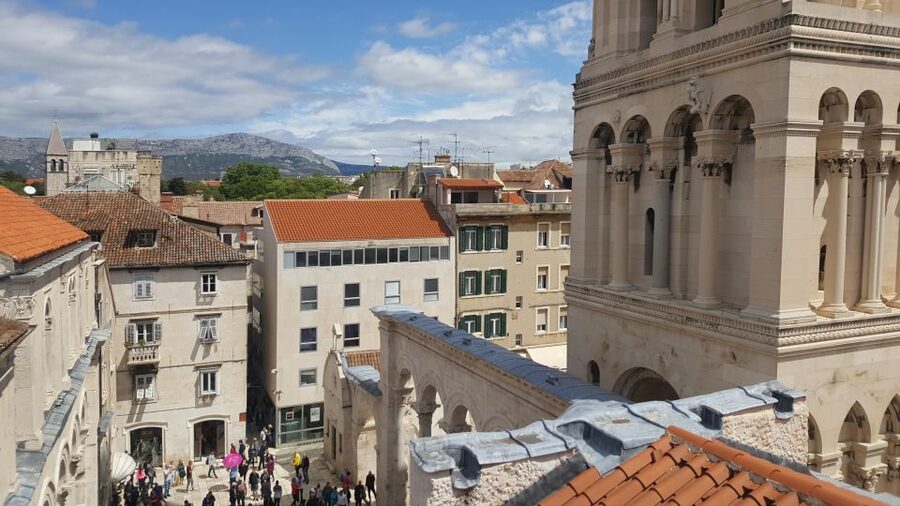
- Diocletian’s Palace, UNESCO protected, explained in street-level stops you can actually see
- Big-name landmarks in a short walk: Cathedral of St. Duje, Peristyle, Jupiter’s Temple, Golden Gates
- Roman-to-modern connections, so Split feels like one continuous story instead of disconnected ruins
- Excellent guide energy, with Anna and Victoria G singled out for engaging delivery
- Practical end-of-tour help, including suggestions for what to do next around the city center
More Split covered at walking pace
- Split: Old Town and Diocletian Palace Walking Tour★ 4.9 · 4,727 reviews
- Walking Tour of Split and Diocletian’s Palace★ 5.0 · 2,588 reviews
- Krka Waterfalls tour with Trogir Walking tour and Krka panoramic boat cruise★ 5.0 · 1,659 reviews
- Split & Diocletian’s Palace Walking Tour★ 5.0 · 1,125 reviews
Why Split’s Diocletian’s Palace is still the main character
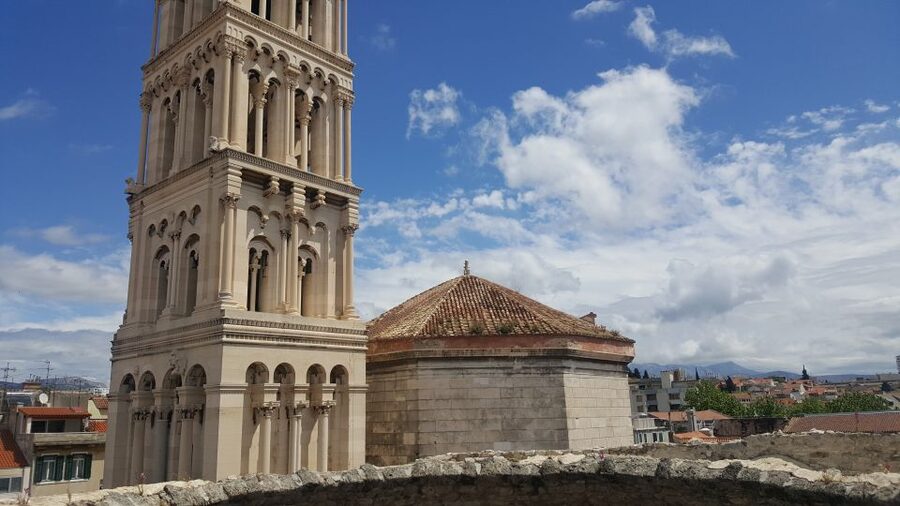
Split can feel like a Roman city that refused to quit. This tour centers on Diocletian’s Palace, the UNESCO protected core where the old world and the everyday world overlap in the same narrow streets. Even if you have read about the palace before, walking through it with a guide helps you connect shapes and functions to what you see in front of you.
I like that the tour does not treat the palace as a museum box. You are guided around the ancient palace and also learn about older and contemporary Split, so the story lands in the place you are standing. That matters in Split because the ruins are not “over there.” They are the backdrop for people walking, working, and gathering today.
Meeting at the National Theatre, then starting the Old Town loop
You meet in front of the National Theatre in Split, Trg Gaje Bulata 1. Then the walk continues through the historic center and ends back at the same meeting point. I find that return-to-start format especially useful in Split, where it is easy to get turned around in Old Town lanes.
Expect a steady walking rhythm for 1.5 hours. The route is designed to hit major sights without turning into a sprint through “see everything” chaos. You will still want comfortable shoes, because you are touring by foot across stone streets and around palace spaces.
Language is Spanish or English, and the guide is licensed, which is a simple quality signal. This is the kind of tour where the guide is doing the heavy lifting, translating architecture into understandable meaning.
Cathedral of St. Duje and the Peristyle: where the palace shows its power
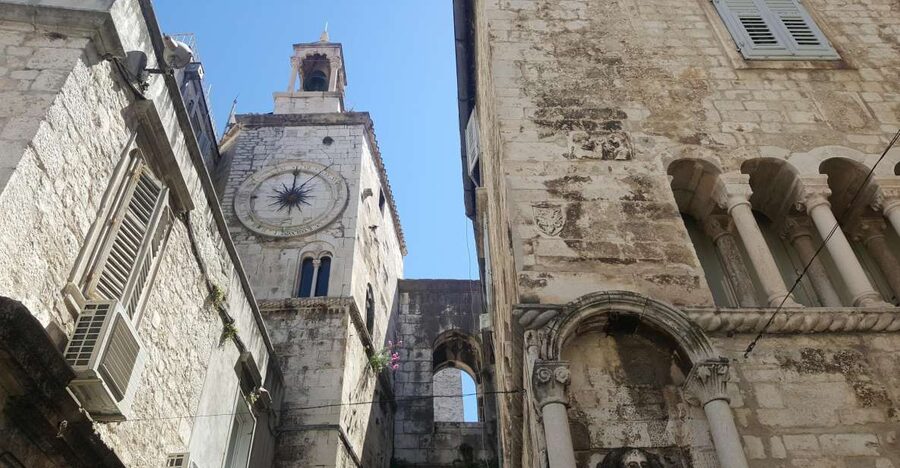
The walk begins to pay off right away with the Cathedral of St. Duje. This is one of Split’s signature religious landmarks, and the guide’s job is to connect it to the wider palace complex rather than letting it sit alone. You will get the sense that the sacred and the political are braided together here, because the palace is not just a place of walls. It is a framework that shaped what came later.
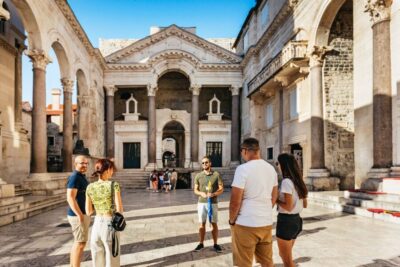
From there, you move into the palace’s core spaces, including the Peristyle. This is a dramatic, open area within the palace where the scale suddenly makes sense. With a good guide, the geometry stops being random. You start to understand why people built and used spaces the way they did.
Peristyle is also a great “pause point.” If you need a moment to orient, this is where you can look around and let the layout sink in. Even if you are not a Roman architecture expert, the guide’s explanations help you notice the relationship between entrances, ceremonial space, and everyday movement.
Jupiter’s Temple and the Vestibul: Roman design explained at human speed
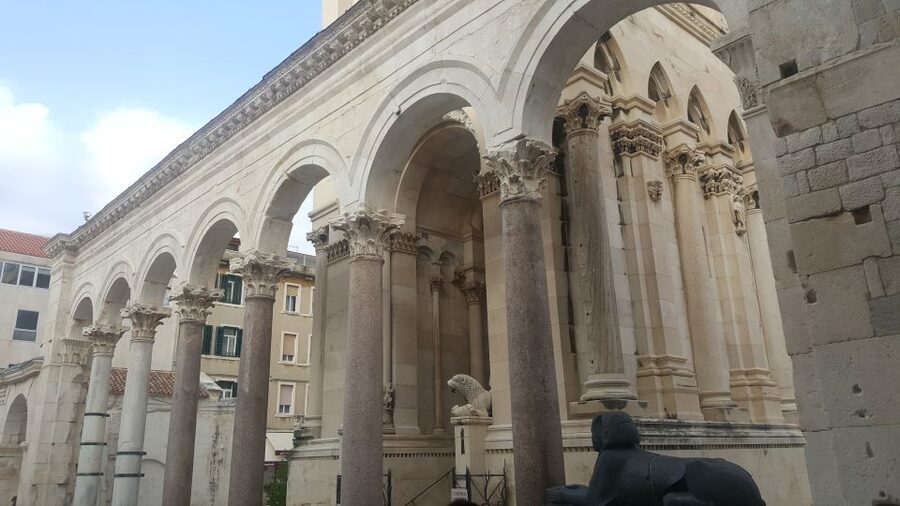
Next up are stops tied to the palace’s monumental Roman character, including Jupiter’s Temple and the Vestibul. These names can sound like they belong to a textbook. On the ground, they become cues for understanding how the palace was organized and how authority was displayed.
The “value” here is not only seeing the stones. It is learning what to look for. A guide will typically explain what these spots likely represented, and why their position matters in the palace flow. Once you get that, the rest of the walk feels like a map, not a list.
The Vestibul is especially useful because it helps you understand transitions. In a palace, movement is part of the design. Places that look like they are merely passages often signal where people were expected to slow down, look up, or follow a specific path. That turns your walking tour into a story you can track.
- Split: Krka Waterfalls Trip with Boat Cruise and Swimming
★ 4.8 · 10,519 reviews - From Split: Krka Waterfalls, Food & Wine Tasting Tour
★ 5.0 · 9,326 reviews - Blue cave, Mamma Mia and Hvar, 5 islands speedboat tour
★ 5.0 · 7,150 reviews - From Split: Krka Waterfalls, Food & Wine Tasting Tour
★ 4.9 · 6,598 reviews - Split/Trogir: Blue Cave, Mamma Mia, Hvar and 5 Island Tour
★ 4.6 · 6,320 reviews
Golden Gates and Grgur Ninski: power and personality side by side
The Golden Gates are one of those Split sights that people recognize even if they cannot place them instantly. In this tour, you see them as part of the palace’s grand entrances, which gives them context beyond a quick photo stop.
I like how stops like this train your attention. Instead of just looking for the “most famous spot,” you start noticing how entrances and thresholds worked in Roman times. It makes Split feel less like a collection of attractions and more like a functioning plan that shaped centuries of life.
Then the walk shifts to the Grgur Ninski statue. This is a fun contrast. You go from Roman grandeur to a marker of later culture and identity. It is a reminder that Old Town is not frozen. It evolves, and your tour guide helps you sense the layers.
A statue stop also gives you a breather. Use it to reset your legs, take a quick snack if you brought one, and soak in the mix of architecture and street life.
Pjaca and Fruit Square: the Old Town’s everyday center
By the time you reach Pjaca and Fruit Square, you are no longer only in “ancient palace mode.” These are the spaces where daily life meets history, and that is exactly why they are included. Roman walls set the stage, but squares show how people actually used the neighborhood.
In practice, these stops help you understand what to do next. You will likely come away with a sense of where to wander for food, coffee, and an unplanned detour. The squares are also good for photo breaks without feeling like you are rushing.
If you are short on time, this section is what makes the tour worth repeating. It helps you turn a guided history lesson into a day plan you can use without a GPS addiction.
What the guide actually does, and why it matters
A walking tour lives or dies on the guide’s delivery. This one is led by licensed guides, and two names that came up strongly are Anna and Victoria G, both praised for being engaging and for clearly enjoying what they do. That enthusiasm is not fluff. It changes the pace and the way information sticks.
Here is what you should look for from a great guide on this route:
- Clear explanations of how the palace spaces fit together
- Honest, simple connections between Roman-era purpose and what you see today
- Room for your questions, especially if you want ideas beyond the main sights
The tour is built around major landmarks, but the best guides are the ones who also help you interpret what you see. If you remember only one thing, let it be this: you are walking through a palace complex that still shapes Split’s street structure. When the guide makes that connection out loud, the city clicks.
And yes, you can ask questions at the end about additional activities around the city center. That is smart planning help, not just trivia.
Tickets, time, and the real value of paying $28
At $28 per person for about 1.5 hours, this tour sits in the “smart add-on” category. You are paying for a licensed local guide, insurance, and a focused route through the most recognizable palace and Old Town stops. You are not paying for entry into every site, though.
Important detail: tickets and entrance fees are not included. So the value depends on your style.
- If you like architecture and context and you are happy to see many parts from outside or in open areas, the guide experience is the main draw.
- If you plan to pay for multiple paid entrances, you should budget extra on top of the $28.
In other words, think of the price as paying for guidance, not a guaranteed “all-entries” pass. For many visitors, that is the right trade, because the palace is easier to understand with a guide than as an unguided scavenger hunt.
Also, check availability for starting times. Because the tour is 1.5 hours, timing can matter. If you schedule it early, you will get bearings that help you explore the rest of the day.
How to get the most out of the 1.5 hours
You can’t spend all day on this tour, and that is not a problem if you prepare. You will get the strongest payoff if you show up with a small plan:
- Bring water, especially in warm months
- Wear shoes you trust on stone streets
- Keep an eye on your guide’s pacing cues so you do not fall behind during tight palace passages
- Have a couple questions ready about what to do after, since the guide encourages it
If you are the type who loves “why this place matters,” this route is built for you. The stops are big enough to satisfy sight-seekers, and the explanations are what make it more than a photo walk.
Who should book this walking tour in Split
This tour is a great fit if you want:
- A high-impact way to orient yourself in Split’s historic center
- An explanation-focused visit through Diocletian’s Palace and major landmarks
- A guided route that saves time compared with figuring out every sight alone
It is also a good match for travelers who do not want to commit to a half-day program. With a 1.5-hour walk, you can pair it with a longer meal, a beach break, or an afternoon focused on the neighborhoods you discover during the tour.
If you only want to do inside-only entrances with no walking or standing, you might prefer a different format, since this is designed to be a walking tour and entrance fees are not included.
Should you book Walking Tour Split?
I would book it if you want Split to make sense fast. This is one of those tours where the guide’s interpretation matters as much as the sights, especially in a place like Diocletian’s Palace where the layout can feel confusing without help.
Book it if:
- You like seeing the main highlights in a short window
- You want a licensed guide in Spanish or English
- You are open to paying any extra entrance fees separately
Skip or rethink it if:
- You want a ticket-covered, all-inclusive sightseeing day
- You dislike walking on historic stone streets
- You are only interested in a single paid entrance and nothing else
If you want value measured in understanding, not just checkmarks, this one is a solid choice. You get the palace core, the big landmarks, and the kind of local guidance that helps you enjoy the rest of Split without guessing.
FAQ
How long is the Walking Tour Split?
The tour lasts 1.5 hours.
What is the price per person?
The price is $28 per person.
Where do we meet for the tour?
Meet in front of the National Theatre in Split, Trg Gaje Bulata 1, 21000 Split, Croatia.
Which sights are included in the walking route?
The tour includes stops around UNESCO protected Diocletian’s Palace and key sights such as the Cathedral of St. Duje, Peristyle, Jupiter’s Temple, Vestibul, the Golden Gates, Grgur Ninski statue, Pjaca, and Fruit Square.
Are tickets or entrance fees included?
No. Tickets and entrance fees for sights are not included.
What languages are the live guides?
The tour offers live guidance in Spanish and English.
What is the cancellation policy?
Free cancellation is available up to 24 hours in advance for a full refund.
Walk It: More of Split at Ground Level


Freshly written up around Split
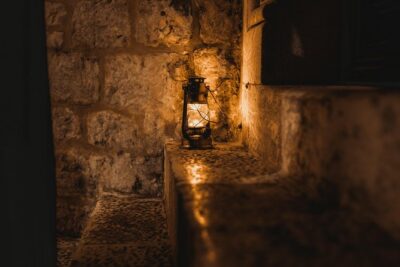
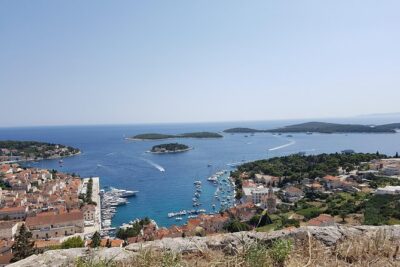


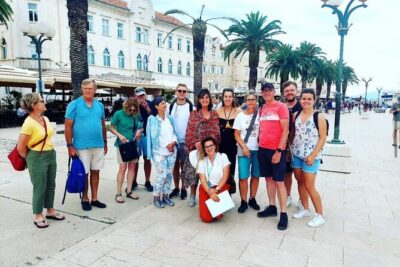

Walking Tours, top to bottom.
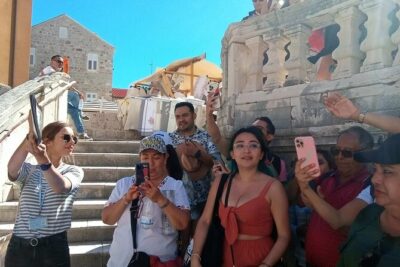 ★ 4.8Dubrovnik: Old Town Walking TourFrom $235,174 reviews
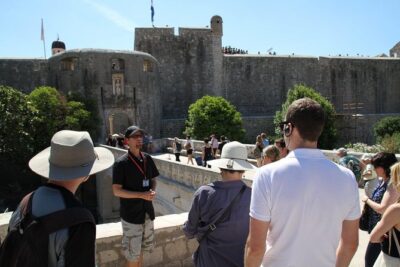
 ★ 4.9Split: Old Town and Diocletian Palace Walking TourFrom $174,727 reviews
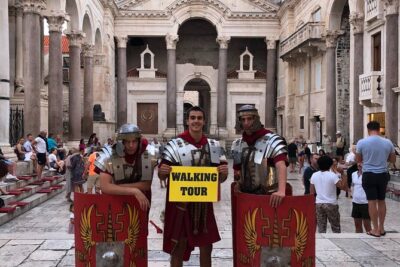
 ★ 5.0Dubrovnik Discovery Old Town Walking TourFrom $244,458 reviews
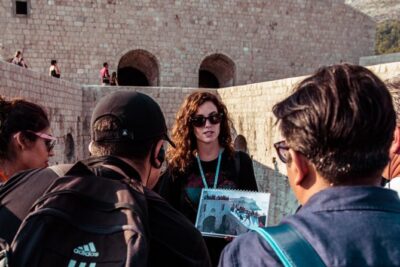
 ★ 5.0Walking Tour of Split and Diocletian’s PalaceFrom $482,588 reviews
 ★ 5.0Dubrovnik: Game of Thrones Walking TourFrom $301,732 reviews
 ★ 5.0Dubrovnik Old Town History Walking TourFrom $241,684 reviews
 ★ 5.0Krka Waterfalls tour with Trogir Walking tour and Krka panoramic boat cruiseFrom $481,659 reviews
 ★ 4.8Dubrovnik: City Walls Early Morning or Sunset Walking TourFrom $291,523 reviews
Browse the lists this tour appears in