
REVIEW · ZADAR OLD TOWN & SEA ORGAN TOURS
Zadar Private Walking Tour: German
Zadar compresses centuries into one walk, and this private tour makes it make sense. I like the German-speaking guide approach, where you can ask questions and shape the route, and I also like how the story moves from Roman remains to modern art installations. That mix is perfect when you want meaning, not just photos.
You’ll get to see major landmarks like the Cathedral of St. Anastasia, the Church of St. Donatus, and the Roman Forum, but what I value most is the pacing. The guide keeps things easy to follow and entertaining, and the route is short enough that you do not lose energy halfway through old town.
One thing to consider: the tour is 1.5 hours, so if you want to linger inside churches, you will likely need extra time and you will pay for entry where it applies. Entry is not included for the Cathedral of St. Anastasia and the Church of St. Donatus.
In This Review
- Key highlights at a glance
- A 1.5-hour German Private Walk Through Zadar’s Many Eras
- Where the Walk Starts, and Why Ulica Nova vrata Matters
- City Walls to Cathedral of St. Anastasia: Getting the Big Picture Early
- The Waterfront Turn: Greeting to the Sun and Sea Organ in One Flow
- Roman Forum to Church of St. Donatus: Where the Timeline Feels Real
- Walking the Lived-In Streets: Široka ulica, People’s Square, and 5 Wells Square
- Church of St. Simon and the Land Gate Exit to Close the Loop
- How the German-Speaking Guide Changes the Whole Experience
- Price and Value: When $114 Per Group Makes Sense
- Practical Tips to Enjoy the Walk Without Rushing
- Who This Zadar German Tour Is Best For
- Should You Book This Zadar Private Walking Tour in German?
- FAQ
- What language is the tour offered in?
- How long is the private walking tour?
- What is the maximum group size?
- Which stops are included on the walk?
- Are entry tickets included for the churches and cathedral?
- Is the tour wheelchair accessible?
- Can I cancel for a refund, and can I pay later?
Key highlights at a glance
- Private and flexible: you go at your own pace and can ask anything.
- German guide, clear explanations: past groups praised excellent German and lively, understandable storytelling.
- 2000 years in one walk: Roman and later eras, plus modern installations, in a single loop.
- Iconic waterfront stops: Sea Organ and Greeting to the Sun get your attention in the right order.
- UNESCO fortifications on the route: the 16th-century walls are part of the story, not just scenery.
- Small personal touches: at least one group got a spontaneous Maraschino tasting request handled during the tour.
Other Zadar outings we thought were worth a look
- Zadar: Plitvice Lakes Guided Day Tour with Tickets★ 4.9 · 3,148 reviews
- Zadar: Kornati Boat Trip with Lunch and Swim Stops★ 4.5 · 1,498 reviews
- Zadar: Plitvice Lakes with Boat Ride and Zadar Old Town Tour★ 4.9 · 1,368 reviews
- From Zadar: Plitvice Lakes with Boat Ride & Zadar Old town tour★ 5.0 · 1,129 reviews
A 1.5-hour German Private Walk Through Zadar’s Many Eras
If your time in Zadar is tight, this tour is a smart fit. It lasts about 1.5 hours, and it is designed to help you connect sites into one timeline, not a list of stops. You start at Ulica Nova vrata and end near the Land Gate area, so you finish feeling oriented rather than scattered.
This is also a private-group setup, so you are not stuck waiting for other people to shuffle along. The group size is up to 10, which makes it workable for a small group of friends or a family that wants the same guide. The tour is German-language only, with a German-speaking guide leading the walk.
For me, the best part is the format: you can ask questions as you go. One review specifically praised how the guide was very attentive to the group and how the explanations felt both entertaining and easy to understand. That is the kind of guide you want when you do not want to spend your evening googling what you just saw.
Where the Walk Starts, and Why Ulica Nova vrata Matters
The meeting point is at Ulica Nova vrata, which is a solid choice for getting into the old-town flow quickly. You are not starting far away or dealing with a long transfer, so the full time feels usable.
Zadar’s historic center can feel compact but confusing if you only rely on street names and instinct. Starting at a defined point helps you get your bearings fast. The walk begins with the city walls, which is a nice trick: once you understand where the walls sit in your mental map, the rest of the route clicks into place.
And because this is private, the guide can adjust how you move if you need a slower rhythm. If you are traveling with someone who prefers shorter pauses or extra context, you get that control.
City Walls to Cathedral of St. Anastasia: Getting the Big Picture Early
The route begins with Zadar City Walls, then heads toward the Cathedral of St. Anastasia. This early sequence is effective because it frames the story two ways at once.
First, the city walls and fortifications give you the practical meaning of power and protection in the old town. The tour includes the 16th-century fortifications as a UNESCO monument, and placing that stop early helps you understand why the center developed the way it did. Even if you are not a history obsessive, walls tell a quick story: people built them for a reason, and the layout still shapes how you experience the streets today.
Next comes the Cathedral of St. Anastasia. For a lot of visitors, cathedrals can blend together visually. Here, the benefit is that the guide connects the cathedral to the broader time travel theme of the walk. You do not just look, you learn what the place represents in the city’s long timeline.
One practical note: entry to the cathedral is not included. So if you want to go inside, you will need to budget extra time and pay the entry fee separately.
The Waterfront Turn: Greeting to the Sun and Sea Organ in One Flow
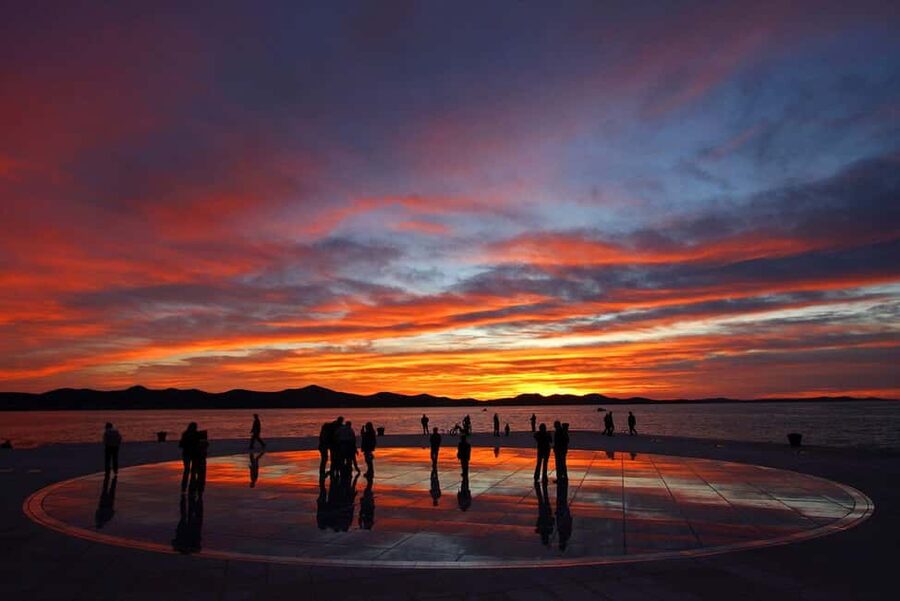
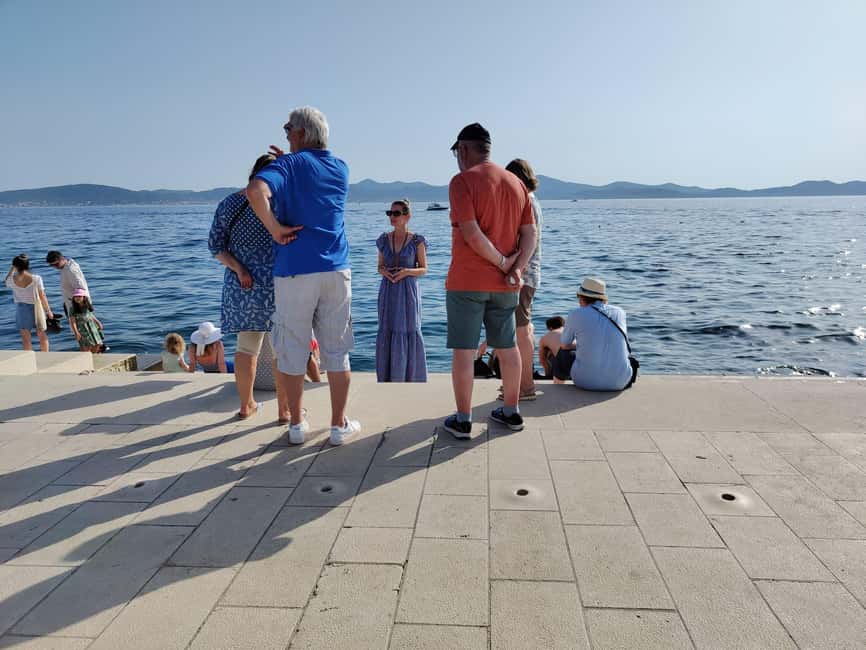
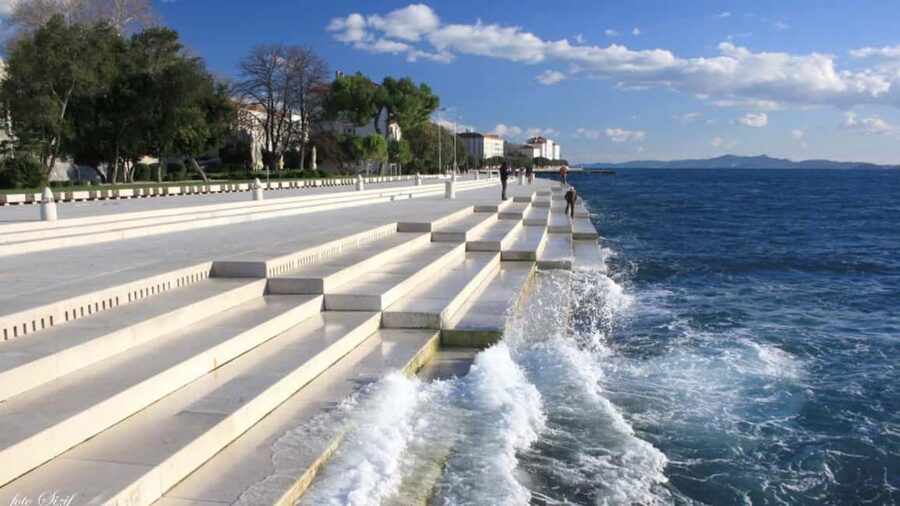
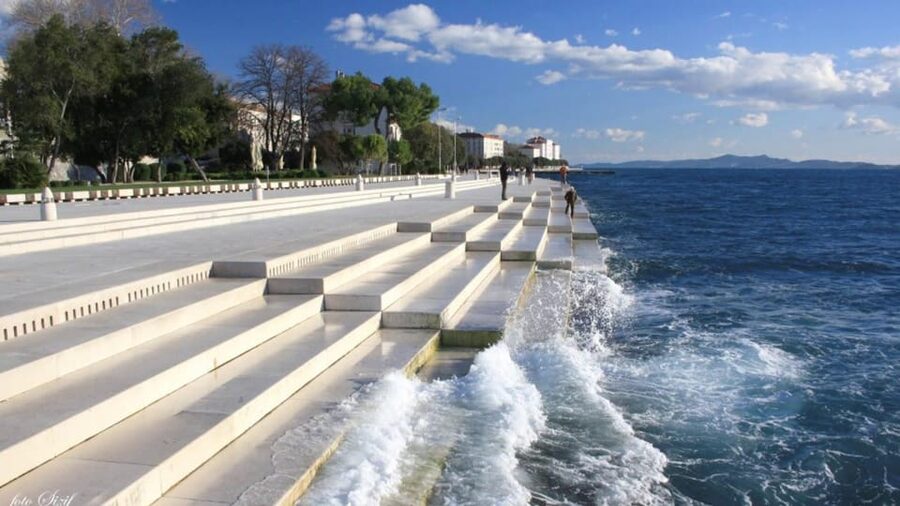
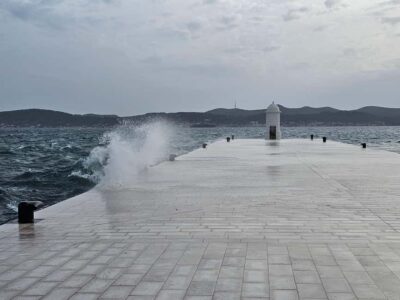
After the cathedral, the tour moves to the Greeting to the Sun and then the Sea Organ. This is a smart pivot because Zadar is not only old stone. It also has modern public art you can experience in the same walk.
These stops also work well in the route order. The waterfront helps you reset your brain after concentrating on medieval and older structures. You get a contrast: where earlier sites feel like architecture and defense, the modern installations are about how you experience the city in the present moment.
If you like photography, plan to slow down here. You are more likely to get good angles when you are not rushing to the next stop. And because the guide is part of a private setup, you can ask for a moment to step back, take a photo, or just understand what to pay attention to.
More Zadar covered at walking pace
- Zadar: Guided Walking Tour
★ 4.8 · 445 reviews - Zadar City Tour 120min Walk
★ 5.0 · 203 reviews - Zadar Walking Tour sponsored by Gligora Cheese and deli.
★ 5.0 · 119 reviews - Zadar: Virtual Reality Guided History Walking Tour
★ 4.4 · 86 reviews - Zadar: Private Walking Tour Through 3,000 Years of History
★ 4.7 · 71 reviews
Roman Forum to Church of St. Donatus: Where the Timeline Feels Real
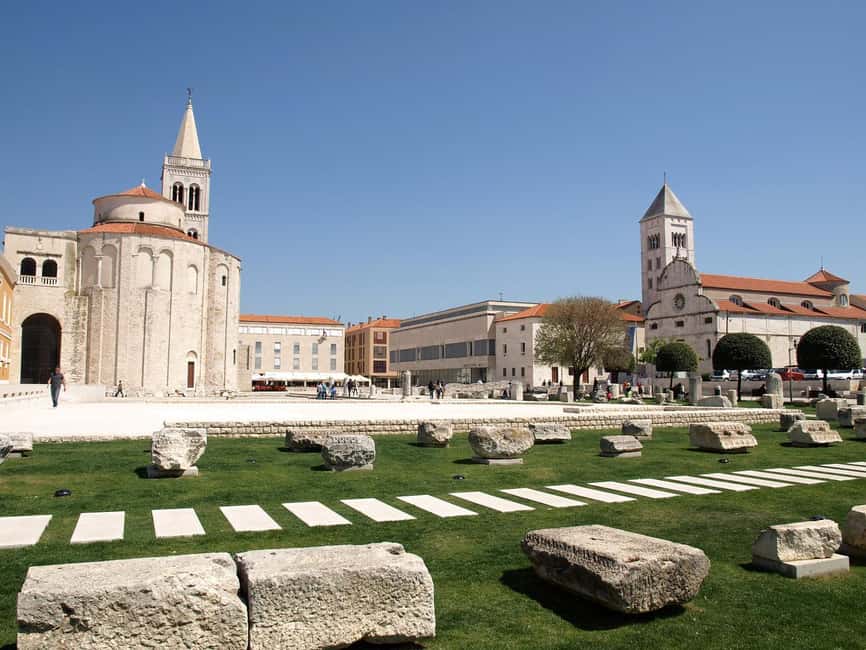
The tour then shifts into the older layers of the city with stops like the Roman Forum and the Church of St. Donatus. This is the part of the walk that tends to stick with people because it hits that Roman-to-later-era thread directly.
Seeing the Roman Forum in the same tour as later landmark churches is a quick way to understand continuity and change. Instead of thinking of Zadar as separate time periods, the tour nudges you to see how each era built on what was already there.
Then comes the Church of St. Donatus. Entry to this church is also not included, but even without going inside, the guide’s context helps you appreciate why this stop belongs on a short, high-impact route. If you do want to enter, plan for the extra cost and the extra minutes.
Walking the Lived-In Streets: Široka ulica, People’s Square, and 5 Wells Square
Next you move into the streets where Zadar feels like a real place, not a museum set. The route includes Široka ulica, People’s Square, and 5 Wells Square.
Here is why I like these stops: they are the social heart of the old town. You do not need detailed architecture knowledge to get something from a square, because squares are where everyday life happens. The guide’s job in this section is to help you connect these places to the city’s story, so you notice more than just what is immediately in front of you.
Široka ulica is useful as a connector street. It gives you a change of scenery without breaking the flow of the route. People’s Square is a focal point, so it is a good place to pause and absorb how the old streets organize movement. Then 5 Wells Square adds another distinct visual moment that makes it easier to remember the route when you look at your photos later.
If you want local lifestyle context, this section is where you will likely benefit most from asking questions. The guide can point out where locals tend to spend time and how the squares function day to day.
Church of St. Simon and the Land Gate Exit to Close the Loop
The final stretch brings you to Church of St. Simon, then Land Gate. Landing near a gate area is a good way to finish because it reinforces the idea that the old town was once defined and controlled at its edges.
Church of St. Simon provides a quieter, more contained stop compared with bigger squares. It is a good breather late in the walk, and it also keeps the “different eras, different statements” theme alive before you exit toward Land Gate.
Ending at Land Gate helps you feel like the tour is a complete loop, not just a linear march. When you walk out, you can decide what you want next, whether that means more wandering in the old town or heading toward the waterfront again for a slower pace.
How the German-Speaking Guide Changes the Whole Experience
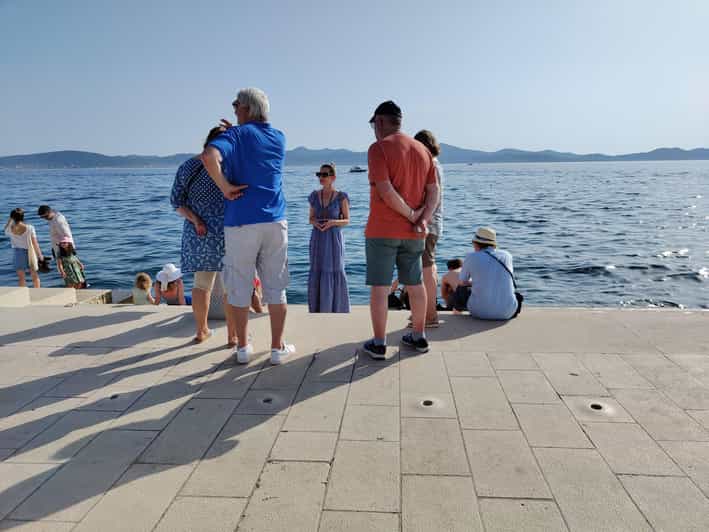
This tour’s value is not only in where you go. It is in how it is explained and how responsive the guide is while walking.
Several reviews highlighted that the guide was informative and very entertaining, with explanations that were easy to understand. That matters more than people expect. When you get clear guidance, you can actually recognize what you are seeing and why it matters, even if you are not a professional history reader.
You can also customize the tour according to your wishes and interests. That flexibility is great if you care more about the Roman side, or you want to focus on the waterfront installations, or you prefer to linger for questions about one landmark.
One standout detail from the feedback: a guide handled a spontaneous request for a Maraschino tasting. That tells you something important about the style of this tour. The guide is not just reciting facts, they are actively trying to make the experience fit the group in the moment.
If German is your comfort language, you also avoid the common problem of “I understood half of it.” The tour is German-language, and the positive notes about German fluency suggest you will get the full story, not a simplified version.
Price and Value: When $114 Per Group Makes Sense
The price is $114 per group for up to 10 people for the 1.5-hour private tour. That is a group-based rate, which changes the value equation depending on how many people are traveling.
For two people, it is still a reasonable way to buy time with a guide who tailors the walk and answers your questions. For families or small friend groups, it can be a strong deal because you split the cost across multiple people while still keeping the private experience.
Where you get extra value is the efficiency. You cover a lot of named stops in a short period, including city walls, major churches, squares, and the Sea Organ and Greeting to the Sun. Plus, the guide’s time includes helping you understand the thread connecting 2000 years of history, rather than just pointing at buildings.
The main cost caution is entry fees. The Cathedral of St. Anastasia and the Church of St. Donatus are not included. If you plan to go inside both, budget for that on top of the tour fee and consider whether you want to spend extra minutes on-site.
Practical Tips to Enjoy the Walk Without Rushing
To make this tour feel relaxed instead of like a checklist, keep a few things in mind.
- Wear comfortable shoes. Old town streets can be uneven, and you cover multiple areas in 1.5 hours.
- Bring water, especially if your visit is warm.
- Have your questions ready. If you care about art installations, Roman sites, or churches, tell the guide early so the walk can reflect that.
- If you want to go inside the cathedral or the Church of St. Donatus, plan ahead. Entry is not included, so deciding in advance helps you avoid time pressure.
Also, the tour is wheelchair accessible, which is an important practical detail if mobility is a factor. If you use a wheelchair or mobility aid, ask in advance about the route’s suitability for your setup so the guide can plan accordingly.
Who This Zadar German Tour Is Best For
This experience is a great match if you want any of the following:
- You like history, but you do not want a long museum day. The walk is designed to move through 2000 years in a short window.
- You want culture and local lifestyle context, not just monuments. Squares and streets are part of the route for a reason.
- You prefer a private guide who responds to questions and can customize your route.
- You want the tour in German and would rather fully understand the story than rely on translation apps.
It is also a good pick if you value structure. The itinerary includes a clear sequence of landmarks, so you can relax and let the guide guide.
Should You Book This Zadar Private Walking Tour in German?
I would book it if you want a high-efficiency old-town experience with a guide who explains clearly and adapts to what your group cares about. The combination of city walls, key churches, Roman Forum, and the Sea Organ and Greeting to the Sun gives you a well-rounded Zadar snapshot without turning the day into a sprint.
I would hesitate only if you know you want lots of time inside churches and you want to slow down for long photo stops. The 1.5-hour format is great, but it does not promise deep solo exploration of interiors, especially since entries for the cathedral and St. Donatus are not included.
If German is your language comfort zone and you want to come away feeling like you truly understood what you saw, this is a strong choice.
FAQ
What language is the tour offered in?
The tour is available with a German speaking live guide.
How long is the private walking tour?
It runs for about 1.5 hours.
What is the maximum group size?
It is priced for a private group up to 10 people.
Which stops are included on the walk?
The tour includes stops such as Ulica Nova vrata, Zadar City Walls, Cathedral of St. Anastasia, The Greeting to the Sun, Sea Organ, Roman Forum, Church of St. Donatus, Široka ulica, People’s Square, Church of St. Simon, 5 Wells Square, and Land Gate.
Are entry tickets included for the churches and cathedral?
No. Entry to the St. Donatus Church and the Cathedral of St. Anastasia is not included.
Is the tour wheelchair accessible?
Yes, the tour is wheelchair accessible.
Can I cancel for a refund, and can I pay later?
You can cancel up to 24 hours in advance for a full refund. You also have the option to reserve now and pay later.
Walk It: More of Zadar at Ground Level

Zadar, A Few More Outings




Freshly written up around Zadar
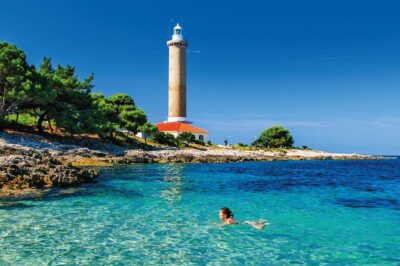
Zadar Old Town & Sea Organ Tours, top to bottom.
 ★ 4.9Zadar: Plitvice Lakes Guided Day Tour with TicketsFrom $883,148 reviews
 ★ 4.8Zrmanja River: Half-Day Guided Kayaking Tour Near ZadarFrom $641,817 reviews
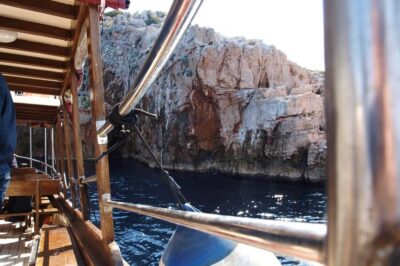 ★ 4.5Zadar: Kornati Boat Trip with Lunch and Swim StopsFrom $641,498 reviews
 ★ 4.9Zadar: Plitvice Lakes with Boat Ride and Zadar Old Town TourFrom $531,368 reviews
 ★ 4.9From Zadar: Island-Hopping Speedboat Tour with DrinksFrom $381,247 reviews
 ★ 4.1Zadar: Kornati and Telašćica Full-Day Boat Trip with LunchFrom $511,193 reviews
 ★ 4.7Zadar: Plitvice Lakes Full-Day Guided Tour with a Boat RideFrom $58807 reviews
 ★ 3.8From Zadar: Kornati National Park and Telascica Boat TripFrom $64788 reviews
Browse the lists this tour appears in