
REVIEW · DUBROVNIK CABLE CAR & PANORAMA TOURS
Zagreb in a day including cable car to Medvednica Nature park
Zagreb in one day, with a mountain view. What makes this outing special is the mix of guided Old Town walking and a real nature payoff via the Sljeme Cable Car to Medvednica. I love how the private guide gives you live, on-the-spot history, and how the day ends with a change of pace up in the trees. The one drawback to plan for is that it is a full day, so you will want comfy shoes and a bit of stamina.
You also get practical perks that matter when you have limited time: hotel-area pickup is offered, you ride in an air-conditioned vehicle for the driving parts, and the tour runs with English live commentary. The stops are mostly short (often 5 to 10 minutes), which helps you cover a lot without feeling like you are sprinting nonstop, but it does mean you need to keep moving and pay attention.
In This Review
- Key Points Before You Go
- Why This Zagreb-Day Plan Works So Well
- Zrinjevac Start Point, Then a Perfect Reset at the End
- Ban Jelačić Square and Zagreb Cathedral, Getting Oriented Fast
- Dolac Market and St. Francis Church for Real Daily Life
- Tkalčićeva Street and Krvavi Most, The City’s Social Side
- Grič Tunnel and the Funicular Ride Up to Lotrščak
- Lotrščak Tower and the Noon Cannon Tradition
- Gornji Grad and St. Mark’s Square, Where Zagreb’s Power Shows
- Kamenita Vrata and Radićeva Street, Small Stops With Big Meaning
- Neo-Baroque Theatre, the Art Pavilion, and the Old-World Station Feel
- New Zagreb Signals: Mamutica and Mirogoj Cemetery
- The Sljeme Cable Car and Medvednica Nature Park Payoff
- Price and Value: Does This $300.35 Per Person Make Sense
- Who This Tour Suits Best, and Who Might Feel Pressured
- Should You Book It
- FAQ
- How long is the Zagreb day tour with Medvednica?
- Is this tour private?
- Does the price include the cable car to Medvednica?
- What language is the tour guide using?
- Is hotel pickup included?
- Are funicular and other local transport included?
- Do I need to pay entry fees for the sights?
- Is food included?
- What fitness level do I need?
- What if the weather is bad?
Key Points Before You Go
- Private guide, adjustable pacing: guides like Bernarda, Alex, and Aleksandar are known for tailoring the day to your interests and even time limits.
- Funicular included for real local flavor: the historic Zagrebačka uspinjača ride adds charm and saves you energy.
- History in layers, from Kaptol to Gradec: you will connect the city’s divided medieval past to today’s Zagreb in a logical walking flow.
- Most sights are free to enter: many stops are marked free, so your budget stays steady.
- Cable car lifts you fast to Medvednica nature: the Sljeme ride is included, and it turns the day into more than just city sightseeing.
Still weighing it up? These Zagreb trips also came through our review desk.
- From Zagreb: Plitvice & Rastoke Guided Day Trip with Ticket★ 4.9 · 2,955 reviews
- Zagreb: Rastoke & Plitvice Lakes Guided Tour with Ticket★ 4.9 · 1,897 reviews
- Communism & Croatian Homeland War Tour★ 5.0 · 1,355 reviews
- Best of Zagreb with the WW2 Tunnels★ 5.0 · 973 reviews
Why This Zagreb-Day Plan Works So Well
This is not just a highlights loop. The structure is smart: you start with a central green park, move through the main squares and historic cores on foot, then switch to funicular and tunnel shortcuts for the Upper Town vibe. After all that walking, you get the payoff, a cable car ride up to Medvednica, where the air changes and the views do the talking.
That balance is the real value. If you only tour Zagreb’s streets, you can end the day feeling like you saw sights but not much “Zagreb.” This version gives you the city identity plus an outdoor reset without needing a separate day trip. And with a private group, your guide can steer the pace based on weather and your interests, which is the kind of flexibility that makes a day like this feel smooth instead of chaotic.
Zrinjevac Start Point, Then a Perfect Reset at the End
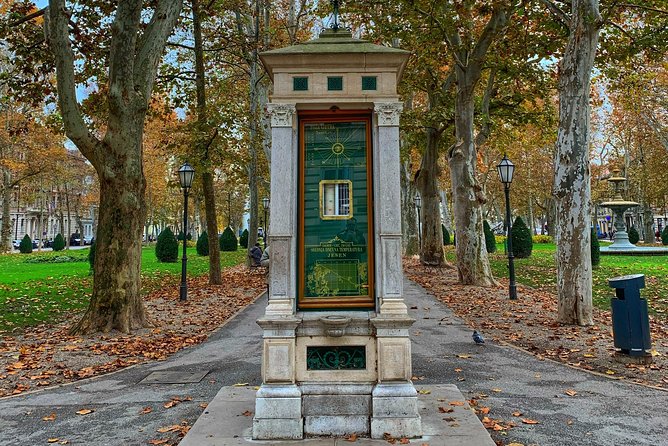
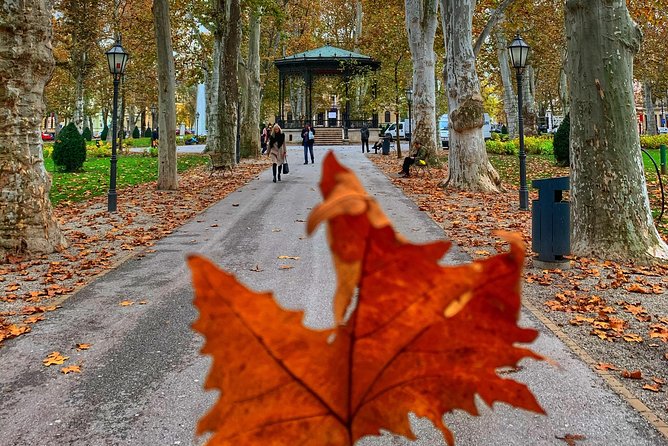
Your day begins and ends at Zrinjevac (also called Nikola Šubić Zrinski Square). This park sits in the city center and is part of Zagreb’s Green Horseshoe, a chain of parks and squares that makes the core feel less like a concrete crush.
What I like about starting here: Zrinjevac gives you an easy mental map. Plane trees, flowerbeds, and the classic park layout help your eyes adjust before you head into the cathedral and Upper Town steep streets. You also get a fun historical bonus with the 19th-century meteorological post from 1884. It is a cast-iron column measuring temperature, atmospheric pressure, and humidity, and it is one of those quietly odd Zagreb details that make a guide’s commentary worth it.
At the end, returning to Zrinjevac is practical. It is a calm closing point, and it is easy to transition to food, a tram, or wherever your evening plans take you.
Ban Jelačić Square and Zagreb Cathedral, Getting Oriented Fast
From Zrinjevac you move into Ban Josip Jelačić Square, the main square where Upper Town and Lower Town meet. The equestrian statue of Ban Josip Jelačić is the anchor, and the square is surrounded by historic buildings with different architectural styles, including classicism and Art Nouveau touches.
This stop works because it is not just a postcard. It helps you understand Zagreb’s layout and why the rest of the day feels like a climb. Trams, cobblestones, and the flow of pedestrians make it a natural “start walking from here” location.
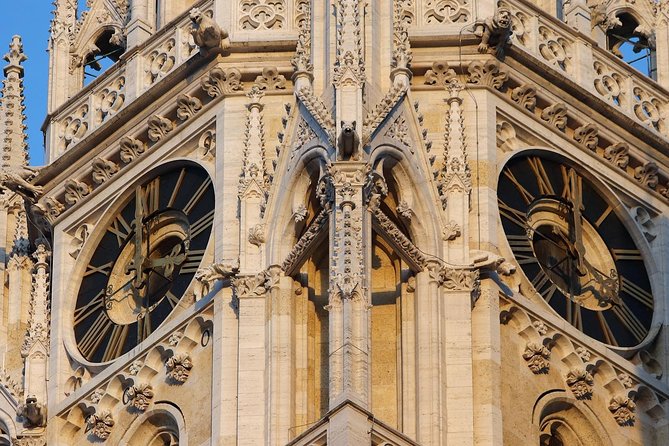
Next is Kaptol and the Cathedral of Zagreb, officially the Cathedral of the Assumption of the Blessed Virgin Mary. This Gothic cathedral is the tallest building in Croatia, with twin spires that define the skyline. Your guide will likely point out the 13th-century origin and the impact of the 1880 earthquake on later reconstructions.
Quick reality check: a short stop means you will not see every corner in detail. But if you time it right and listen closely, you can grasp the big story in a few minutes: Zagreb’s religious center was shaped by centuries of change, not one tidy timeline.
Dolac Market and St. Francis Church for Real Daily Life
Dolac Market, nicknamed the belly of Zagreb, is next. Established in 1930, it is right near Ban Jelačić Square, so you do not waste travel time. It is laid out as open-air stalls plus a covered lower level with butchers, fishmongers, and cheese sellers.
If you like food markets, this is a highlight. Even when you do not buy anything, the colors, seasonal produce, and the sense that locals come here daily gives you a true snapshot of what people actually eat and cook.
You then step into a calmer religious stop: the Church of Saint Francis of Assisi in the Opatovina area. Dating back to the 13th century, it feels quieter than the cathedral complex. It has Gothic and Baroque influences due to reconstructions over time, including after the 1880 earthquake.
This pairing, Dolac then St. Francis, is useful because it alternates energy levels. You get bustling market sights, then a gentle reset before the more lively pedestrian street portion of the walk.
More Zagreb walks we have reviewed
- Best of Zagreb with the WW2 Tunnels
★ 5.0 · 973 reviews - Zagreb: Small Group Walking Tour City Center and WW2 Tunnels
★ 4.9 · 895 reviews - Zagreb: Skip-the-Ticket-Line Museum of Broken Relationships
★ 4.5 · 847 reviews - Zagreb: City and WWII Tunnels Walking Tour
★ 4.9 · 845 reviews - Zagreb: Communism and Croatian Homeland War Tour
★ 4.9 · 779 reviews
Tkalčićeva Street and Krvavi Most, The City’s Social Side
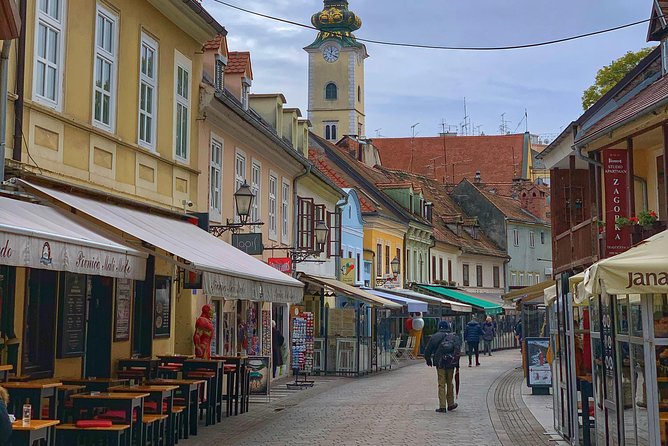
Tkalčićeva Street is one of Zagreb’s best-known pedestrian stretches, linking the Kaptol and Gradec areas. It follows part of the historic stream known as Medveščak, so you get a street with layers, not just a flat “shop street.”
Your time here is mainly about atmosphere: cafes, bars, boutiques, and public art touches like murals and sculptures. This is also a solid place to use the guide’s advice on where to eat or drink, because your guide already knows what is close to your route and what fits your time.
Then comes Krvavi Most, the so-called Bloody Bridge. The name is dramatic, but there is no bridge there today. In medieval times, this area was the site of clashes between rival towns of Kaptol and Gradec, with violence tied to the stream that separated them. Now, it is a tight corner of cafes and shops with a name that preserves the past.
Tip: if you are tempted to rush through, slow down for one minute. The story of divided towns in one street name is the kind of “Zagreb logic” that makes the next Upper Town stops click.
Grič Tunnel and the Funicular Ride Up to Lotrščak
Two of the coolest “how did they do that?” moments come next.
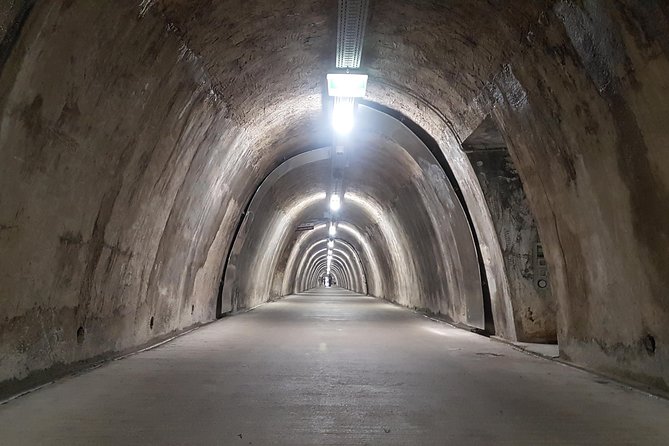
First, Grič Tunnel (Tunel Grič). Built in 1943 during World War II as a bomb shelter and safe passage, it runs about 350 meters. After the war it faded into lesser use, then later it was revitalized as a pedestrian route with cultural events and exhibitions. Walking through the arched tunnel walls is cool, literally and emotionally. You are moving through wartime infrastructure that now serves today’s public life.
Second, you ride the Zagreb Funicular, Zagrebačka uspinjača. It has operated since 1890 and is only about a minute long, with a track length of 66 meters. It is short, but it matters. You save your legs for the Upper Town walk, and you also get a genuinely local way to move between Lower and Upper.
At the top, you can watch for the Lotrščak Tower, the next stop, and the daily noon cannon ritual.
Lotrščak Tower and the Noon Cannon Tradition
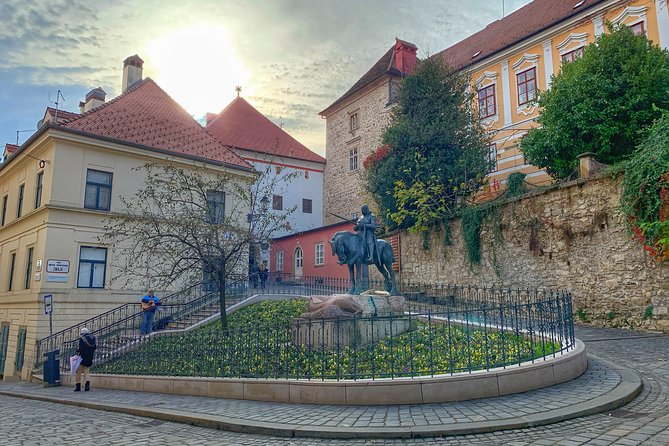
Lotrščak Tower sits in Zagreb’s Upper Town (Gornji Grad). Built in the 13th century as a defensive structure, it is now best known for housing the Grič cannon. The cannon fires daily at precisely noon, a tradition that started in 1877 as a time signal.
If your schedule lines up near midday, this moment can be memorable. Even if you are not there exactly at noon, your guide can set the context so you understand why locals still treat this as a daily rhythm.
One note on tickets: the stop includes funicular admission, but Lotrščak Tower’s admission is marked as not included. So, if you want to go inside, you may pay separately.
Gornji Grad and St. Mark’s Square, Where Zagreb’s Power Shows
Now you shift deeper into the Upper Town experience, Gradec and Gornji Grad. This part is cobblestone, tight streets, and centuries packed into a small area. You can feel the medieval layout in how you move, especially if you listen to the guide’s explanation of how Gradec formed and later merged with Kaptol in 1850.
The tour includes several major touchpoints here:
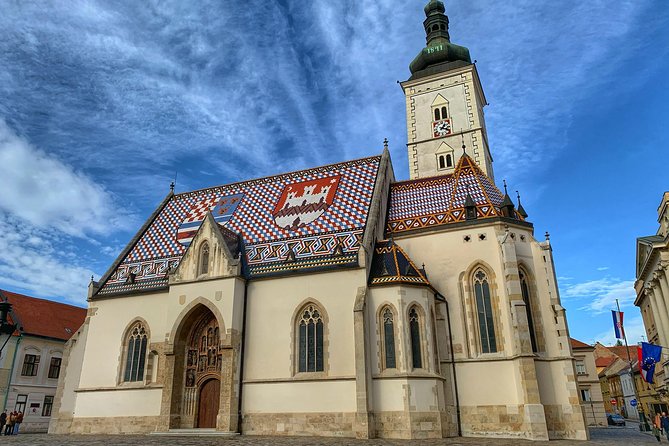
- St. Mark’s Square (Trg svetog Marka), the historical and political epicenter
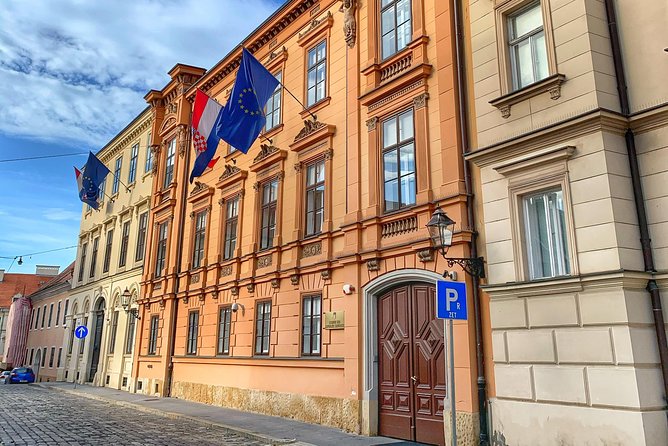
- The nearby buildings tied to Croatian state power, including the Croatian Parliament (Sabor) and Banski Dvori
- St. Mark’s Church, with its famous multicolored tiled roof showing coats of arms for Croatia, Dalmatia, Slavonia, and Zagreb
That roof is not just pretty. It is a visual map of identity and administration, medieval symbolism made durable.
You also pass the Zagreb Old Town Hall (Stara gradska vijećnica), a 15th-century building tied to the city council and local government. It might look modest compared to grander sights, but it is part of the reason this area feels like a working center of history.
Kamenita Vrata and Radićeva Street, Small Stops With Big Meaning
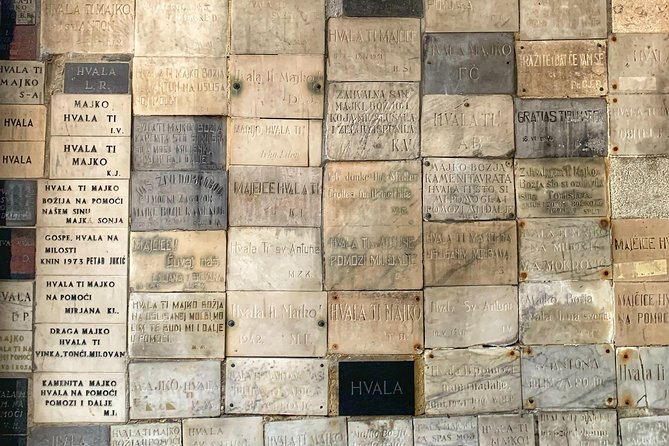
From St. Mark’s Square you reach Kamenita Vrata, the Stone Gate. This is one of the most revered landmarks in Zagreb because it is the last remaining original city gate from medieval fortifications.
Inside the arch, there is a painting of the Virgin Mary with Child. The story goes that it survived a devastating fire in 1731, which destroyed much of the wooden structure around it. A small chapel was built, and today people stop to light candles and leave votive offerings.
This stop is brief but very human. It adds a spiritual layer that you do not get from big cathedrals alone, and it helps you understand why Zagreb treats certain places as everyday rituals, not just tourism stops.
Radićeva Street follows. Named after Stjepan Radić, it connects Ban Jelačić Square toward the Stone Gate area and mixes medieval and 19th-century architecture with cobblestones and hidden courtyards. This is a nice walking segment because it feels like a bridge between tourist landmarks and local life.
Neo-Baroque Theatre, the Art Pavilion, and the Old-World Station Feel
As your route continues, the tour also covers culture and architecture beyond churches.
You will see the Croatian National Theatre (HNK), a Neo-Baroque building opened in 1895 by Emperor Franz Joseph I. The yellow façade is impossible to miss, and the surrounding square includes The Well of Life by Ivan Meštrović. The area also connects to cultural institutions like the Academy of Dramatic Art and the University of Zagreb’s rectorate.
Next, the Art Pavilion (Umjetnički paviljon u Zagrebu). Built in 1898 for the Millennial Exhibition in Budapest, it was later reassembled in Zagreb. It is one of the oldest purpose-built art galleries in Southeast Europe, with secessionist and historicist style elements and a glass dome.
Finally, you reach the Main Railway Station (Glavni kolodvor). Opened in 1892, it is a major transport hub and an architectural landmark with a neoclassical and historicist mix. It helps you see Zagreb as a city connected to broader Europe, not just a preserved historic core.
New Zagreb Signals: Mamutica and Mirogoj Cemetery
This day trip is not limited to old buildings. It also uses a couple of stops in newer or more unusual directions.
Mamutica in New Zagreb is a massive residential complex from the 1970s. It is the largest building in Croatia and one of the largest in Europe, stretching over 240 meters and containing more than 1,100 apartments. The Brutalist style and raw concrete look are part of the point. It gives you a view of Zagreb’s socialist-era ambition and how the city grew beyond its older borders.
Then, Mirogoj Cemetery brings you to a calmer, artistic landscape. Established in 1876 and designed by Hermann Bollé, it features ivy-clad arcades and grand domes. It is also known for inclusivity, welcoming people of all faiths. For many visitors, it is one of Europe’s most beautiful cemeteries, but even if you are not into architecture, it still feels like a place where art and memory meet.
Keep in mind: a cemetery stop is not everyone’s favorite. If you know you prefer lighter walking, just be aware this is part of the experience and plan your pace.
The Sljeme Cable Car and Medvednica Nature Park Payoff
Now the schedule turns toward the outdoors.
The Sljeme Cable Car (Žičara Sljeme) is included. It was reopened in 2022 after renovations, and it takes about 20 minutes from the foothills up to the peak area. The cabins are designed for comfort, and once you reach the top, you can enjoy hiking trails, winter skiing, or relax at mountain lodges with Croatian dishes.
From there you spend time at Medvednica mountain, a protected nature park just north of Zagreb. Medvednica stretches over 42 kilometers and offers dense forests, scenic trails, and wildlife. In winter, Sljeme has ski slopes for different levels, and it has hosted FIS World Cup skiing events.
Your guide will likely focus on “what to do with your time up there,” since you have a limited window. If you want photos, you will aim for viewpoints early. If you want movement, you will pick a trail segment that fits your energy and weather.
This mountain portion is the best reason to book this exact format. You get a city day with a real nature escape attached, without needing extra planning or a separate tour.
Price and Value: Does This $300.35 Per Person Make Sense
At $300.35 per person for about 6 to 8 hours, you are paying for two things you cannot easily DIY in a single neat day: a guide who explains context live, and transportation that keeps the day flowing.
Most of the walking stops are free entry, which helps. Funicular is included, and the cable car to Medvednica is included too. Those included transport components matter because they cover time, effort, and planning. You are also getting a private tour with English commentary plus an air-conditioned vehicle for the driving sections.
Where the price becomes worth it is when you care about interpretation. If you like understanding why Zagreb is shaped the way it is, you will get your money’s worth. If you only want to photograph buildings and skip explanations, you could spend less on your own. But then you would be giving up the part that makes the day coherent.
Who This Tour Suits Best, and Who Might Feel Pressured
This is a strong fit if you:
- want a first-time Zagreb day that still reaches the Upper Town details
- like food markets and architectural stops, but also want a nature finish
- enjoy a guide who can adjust pace, especially with bad weather
It can feel pressuring if you:
- hate short stops and prefer long stays in fewer places
- struggle with moderate physical fitness needs, because you will do a fair amount of walking and climbing, even with funicular help
- need a totally unstructured day
If you are okay with movement and you like being guided, this format is a very efficient way to see a lot without losing the thread.
Should You Book It
Yes, with one key condition: you should be ready for a packed, guided day and you should like context, not just scenery.
If you end up with a guide like Bernarda, you may appreciate the way pacing can be tailored to your interests and time constraints. If you get someone like Alex or Aleksandar, you are likely to benefit from clear history explanations plus practical tips for food and drink along the route. And the included Sljeme cable car is the swing factor that turns this from a standard city walk into a day with a real change of scenery.
If you want a clean first taste of Zagreb plus an honest look at Medvednica, this is an easy yes.
FAQ
How long is the Zagreb day tour with Medvednica?
It runs about 6 to 8 hours.
Is this tour private?
Yes. It is a private tour/activity, and only your group participates.
Does the price include the cable car to Medvednica?
Yes. The tour includes the cable car to Medvednica.
What language is the tour guide using?
The tour is offered in English.
Is hotel pickup included?
Pickup is offered, and the tour includes private transportation for the driving component.
Are funicular and other local transport included?
The Zagreb Funicular ride is included, and it is about a minute long.
Do I need to pay entry fees for the sights?
Many stops are listed as free admission, and the Sljeme cable car is included. Lotrščak Tower has admission marked not included.
Is food included?
No. Food and drinks are not included.
What fitness level do I need?
You should have a moderate physical fitness level.
What if the weather is bad?
The tour operates in all weather conditions, so dress appropriately. The experience also requires good weather, and if it is canceled due to poor weather, you will be offered a different date or a full refund.
If you want, tell me your travel dates and whether you prefer more nature time or more city time, and I’ll suggest a smart strategy for the Medvednica portion within this 6 to 8 hour window.
Zagreb On Foot, Continued


Freshly written up around Zagreb
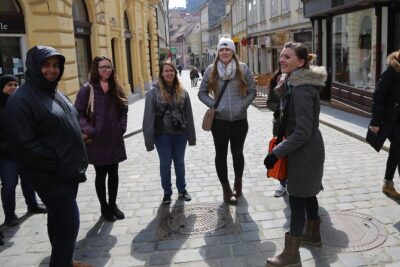
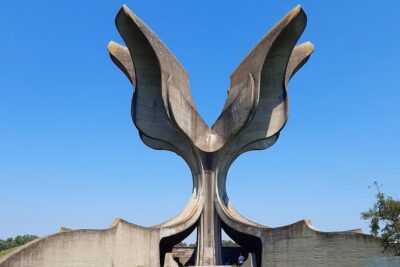
Dubrovnik Cable Car & Panorama Tours, top to bottom.
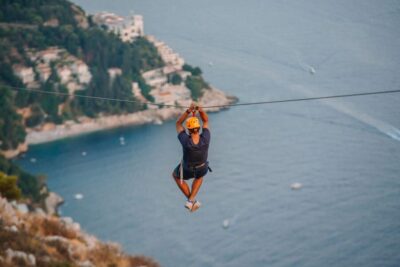 ★ 4.9Dubrovnik: Panorama Zipline TourFrom $641,643 reviews
 ★ 4.9Dubrovnik: Blue Cave Tour with Panoramic Old Town ViewFrom $73884 reviews
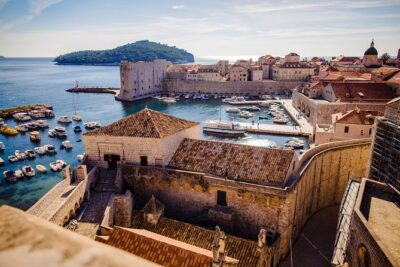 ★ 4.5Dubrovnik Cable Car Ride, Old Town Walking Tour plus City WallsFrom $166685 reviews
 ★ 5.0Blue Cave Premium Half-Day Tour with Panoramic Old Town ViewFrom $72430 reviews
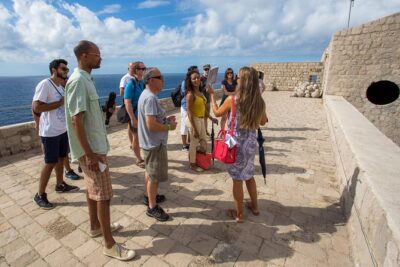 ★ 5.0Dubrovnik Game of Thrones Full-Day Tour + Lokrum & SrđFrom $113411 reviews
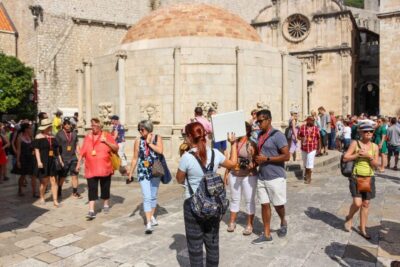 ★ 4.6Dubrovnik: Cable Car, Walking Tour and City Walls ComboFrom $91322 reviews
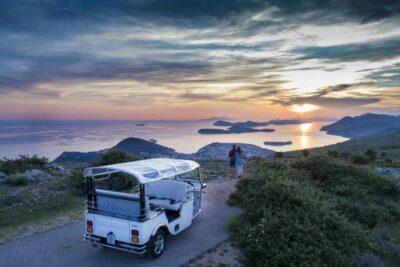 ★ 5.0Dubrovnik E-Tuk Tuk Sunset Tour to Mount SrdFrom $60216 reviews
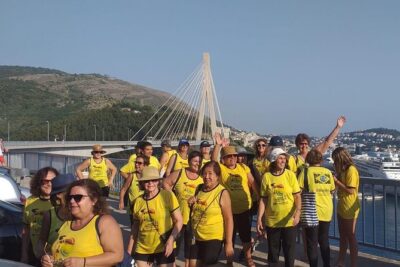 ★ 5.0Dubrovnik Panorama Sightseeing with Tour Guide in MinivanFrom $36188 reviews
Browse the lists this tour appears in