
REVIEW · HISTORICAL TOURS
Dubrovnik: Red History Museum Regular Ticket
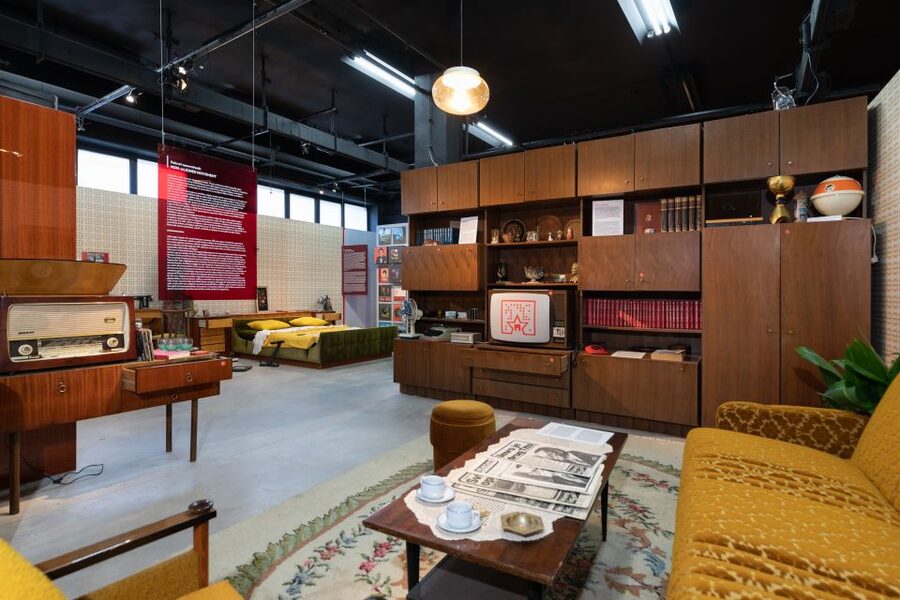
Communist history in Dubrovnik feels surprisingly real. The Red History Museum turns Croatia’s recent past into a walk-through experience, from everyday objects to big political ideas like the Non-Aligned movement.
I especially like how interactive it is, not just read-and-stare exhibits. And I like that it mixes serious topics with playful pop culture moments like the Yugo 45 photo spot and communist versions of Coca Cola or Fanta at the end. One thing to consider: it is small, so if you want a long, museum-style timeline with tons of space to roam, plan your expectations.
Key takeaways before you go
- Incredible hands-on format: old rooms, familiar objects, and interactive tech that keeps things moving
- Yugoslav life details, not textbook trivia: design, art, daily routines, and the politics behind them
- Pop-culture photo stop: take your picture with the Yugo 45, the car fans love to joke about
- Non-Aligned and politics explained in context: you see how ideology shaped culture and agencies
- Goli Otok info that doesn’t sugarcoat: the museum highlights the harder side of the socialist system
- Staff help matters: if you want the virtual elements to work smoothly, ask how to use them
In This Review
- Red History Museum in Dubrovnik: What You’re Really Signing Up For
- The T.U.P. Factory Building Built in 1953: Why the Setting Works
- Interactive Exhibits You Can Use: Art, Design, Secret Agencies, and Non-Aligned Ideas
- The Yugo 45 Photo Spot: A Funny Moment That Teaches Something
- Parallel Universe Drinks and Candies: Communist Pop Culture at the End
- Goli Otok and the Hard Side of Socialist Life
- The Layout and Pace: Small Museum, Strong Design, No Feeling Overloaded
- Staff and Guidance: When Viktor’s Explanations Help
- Price and Value: Is $11 a Fair Deal in Dubrovnik?
- Who Should Go, and Who Might Skip
- Should You Book the Red History Museum?
- FAQ
- Where is the Red History Museum in Dubrovnik?
- What does the ticket include?
- What kind of experience is it?
- Can I take photos or try themed products?
- Who is it best suited for?
- Is the booking refundable if plans change?
Red History Museum in Dubrovnik: What You’re Really Signing Up For
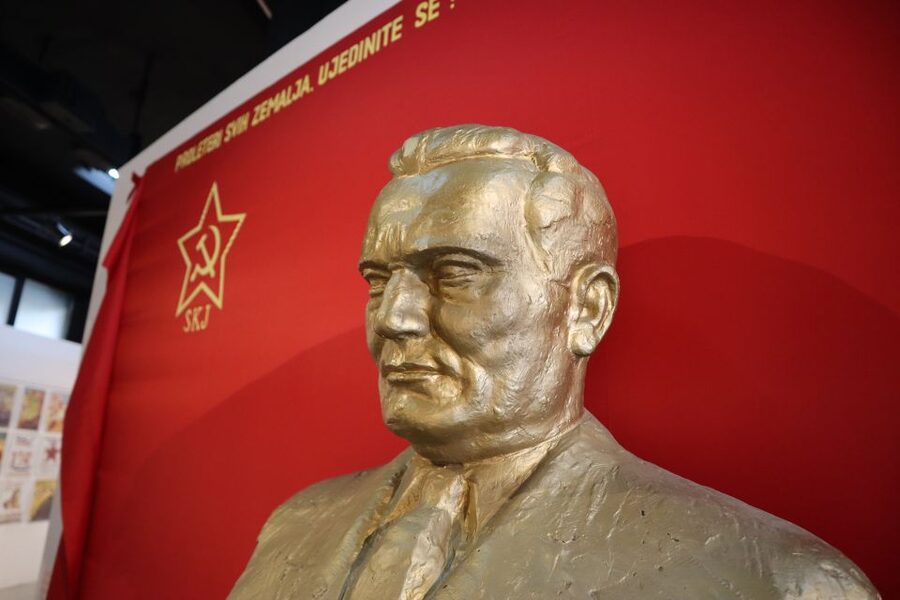
Dubrovnik is famous for walls, sea views, and postcard perfection. This museum is a curveball, in a good way. It focuses on communist-era Croatia and the wider Yugoslav world, and it does it through experience, not just labels on glass.
What makes it interesting is that you are not only learning about history, you are also stepping into how people lived. The museum is set in the last factory complex in Dubrovnik, the T.U.P. site built in 1953, in the port area. That location matters. A factory building already carries the feeling of work, organization, and industry. Then the exhibits build on that mood by showing the art, design, politics, and secret agency world that shaped life under Yugoslav rule.
You will notice two things right away. First, the museum is presented as a “window” into daily living, including the art and design people surrounded themselves with. Second, it includes pop-culture touchpoints that make the communist era feel human instead of distant.
Other history-led routes through Dubrovnik
- Dubrovnik Old Town History Walking Tour★ 5.0 · 1,684 reviews
- Game of Thrones & History of Dubrovnik Tour★ 5.0 · 628 reviews
- Dubrovnik: Old Town History Walking Tour★ 4.9 · 474 reviews
- Early Bird Dubrovnik History Tour – 7:30 Start★ 5.0 · 198 reviews
The T.U.P. Factory Building Built in 1953: Why the Setting Works
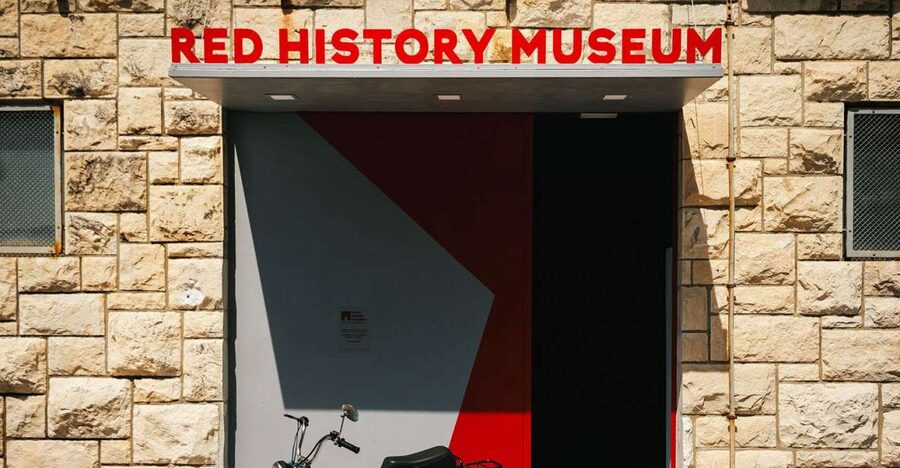
Walking into a former factory complex in the port area gives you a stronger sense of place than a standalone museum building. This isn’t just architecture trivia. The setting helps the exhibits land.
Here is what that means for you on the ground:
You get an atmosphere that fits the subject. Communism is often talked about as ideology. In this museum, you meet it through practical surroundings: how spaces were used, how objects looked, and how the day-to-day world was arranged.
Also, because it is in an older industrial complex, it feels less like a cleaned-up “history room” and more like a real environment that has been repurposed. Even the “small museum” feeling plays a role. You are not shuffled around huge corridors. You walk, pause, interact, and move on, which keeps momentum.
If you like museums where the building supports the theme, this one will click fast.
Interactive Exhibits You Can Use: Art, Design, Secret Agencies, and Non-Aligned Ideas
The heart of the Red History Museum is its interactive format. It uses both old and new technologies, and the goal is simple: help you understand life under Yugoslav communist rule by experiencing it, step by step.
Inside, you will encounter themes like:
- Art and design: the look and feel of the era, including how people expressed ideas through creative work
- Politics and institutions: the way power structured everyday life
- Secret agencies: the museum brings in the idea of surveillance and control, without turning it into pure horror
- The Non-Aligned movement: you learn how Yugoslavia positioned itself internationally
You can think of it as a “systems” museum. You start to see that culture, politics, and daily life were linked. The museum also leans on real-life stories, so the exhibits do not feel like only theory.
One practical note: interactive does not always mean easy. A visitor noted that some virtual scanned images around the museum did not trigger anything when scanned, and that more instructions would help. So do this instead: if a scan seems unresponsive, pause and ask a staff member for the right way to use it. That one move can save you time and frustration.
The Yugo 45 Photo Spot: A Funny Moment That Teaches Something
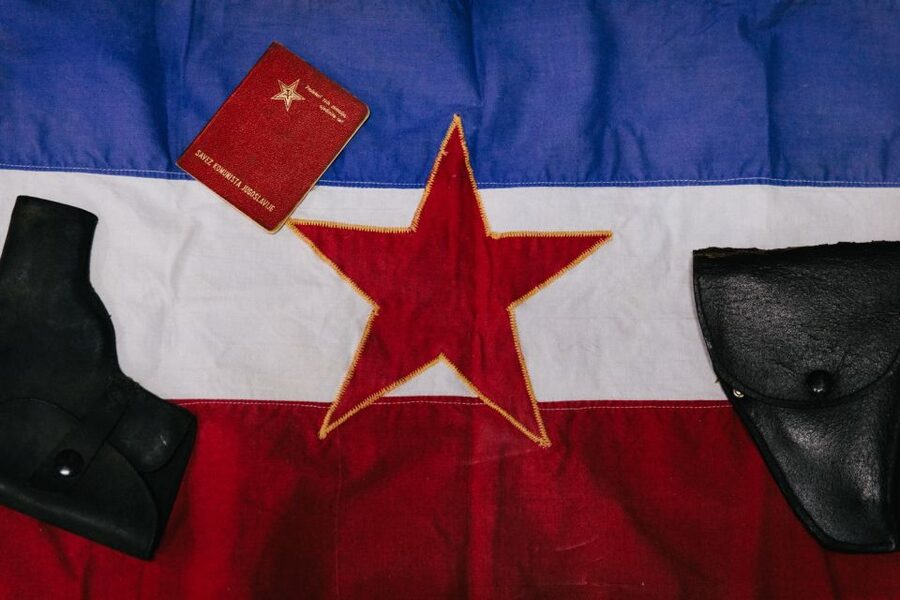
Yes, you can take a photo with the Yugo 45. This is one of the museum’s most memorable highlights, and the car has that “this can’t be real” charm. It is also an easy moment to break tension if you find the political topics heavy.
But there is more here than a prop photo.
The Yugo is a symbol of everyday life shaped by the era’s reality, including what was available and what people made do with. When you snap the picture, you are basically capturing a slice of everyday communist-world texture, not just getting a souvenir photo.
The best approach is to treat this stop like a short palate cleanser. After learning about politics and agencies, the Yugo gives you a low-stakes moment that still fits the story. It helps the museum feel balanced.
Parallel Universe Drinks and Candies: Communist Pop Culture at the End
The museum ends with a playful payoff. You can try the communist versions of Coca Cola or Fanta, plus candies from the time. This is where the “parallel universe” idea becomes physical.
Why this matters, beyond the fun:
Pop culture reveals what people wanted, what they joked about, and how everyday products helped people feel normal. A communist system did not erase consumer culture. It reshaped it.
So for you, this ending works as a final check-in. If you leave feeling confused, the pop-culture items give you an anchor. If you leave feeling angry or unsettled, the snacks still help you process the era in a more human way.
And if you care about budgeting: the museum ticket is the ticket. The drinks and candies are a treat at the end, so expect that you might pay extra if you choose to have them.
Other collections and exhibitions in Dubrovnik
- Skip the Line: Love Stories Museum Admission Ticket
★ 5.0 · 87 reviews - Visit Shell Museum Cavtat
★ 5.0 · 43 reviews - Museum of Selfies & Illusions Dubrovnik Ticket
★ 4.0 · 23 reviews - Love Stories Museum Skip-the-Line Entrance Ticket
★ 4.5 · 23 reviews
Goli Otok and the Hard Side of Socialist Life
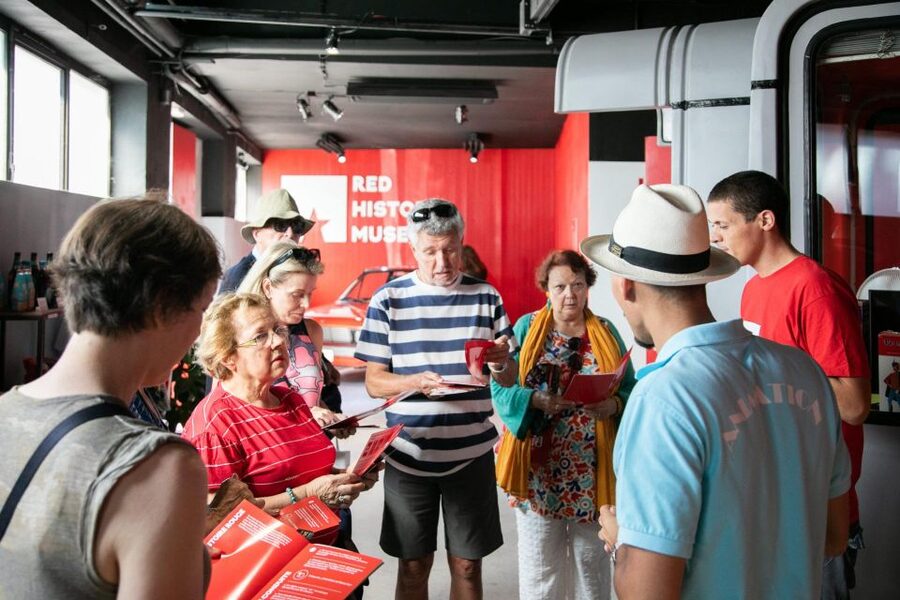
The museum does not only show the “comfortable” aspects of the socialist era. It includes information about Goli Otok, which is presented as something you can notice in the flow of the experience, including details described as behind curtains. There is also mention that a collection of photos comes after that section.
This part is important if you are trying to understand why communist history is complicated for modern Croatia. When you look at any political system, you have to include both the public story and the consequences.
From a visitor experience angle, this is where you should slow down. If you tend to skim, resist that habit here. The museum is small enough that you can take your time without losing the momentum of the overall visit.
The Layout and Pace: Small Museum, Strong Design, No Feeling Overloaded
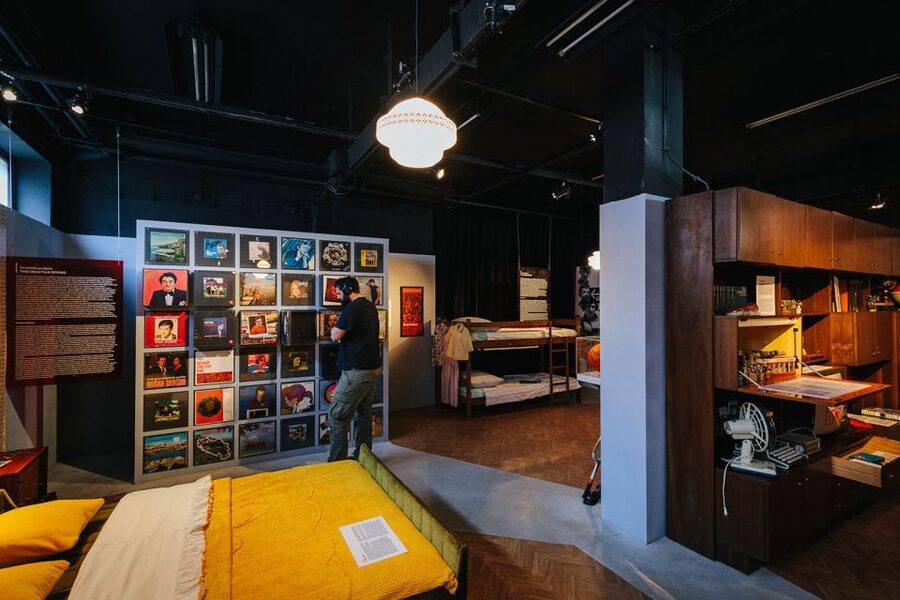
Red History Museum gets high marks for layout, and I get why. It is not the kind of place where you get lost in long empty halls. It is designed for movement.
Several reviews emphasize that the museum is well set up, interactive, and structured so the information flow does not feel burdensome. I like that. You can follow the story without drowning in text.
You also get a “both sides” feeling as you walk through a reconstruction of a house and experience everyday life alongside harsher realities. Even if you do not know anything about Yugoslavia going in, the museum gives you enough structure to form a clear picture.
If you appreciate museums with a guided-feel, even without formal group touring, this is one of the better ones in Dubrovnik. You can basically steer your own focus as you go, spending more time where you are curious.
Staff and Guidance: When Viktor’s Explanations Help
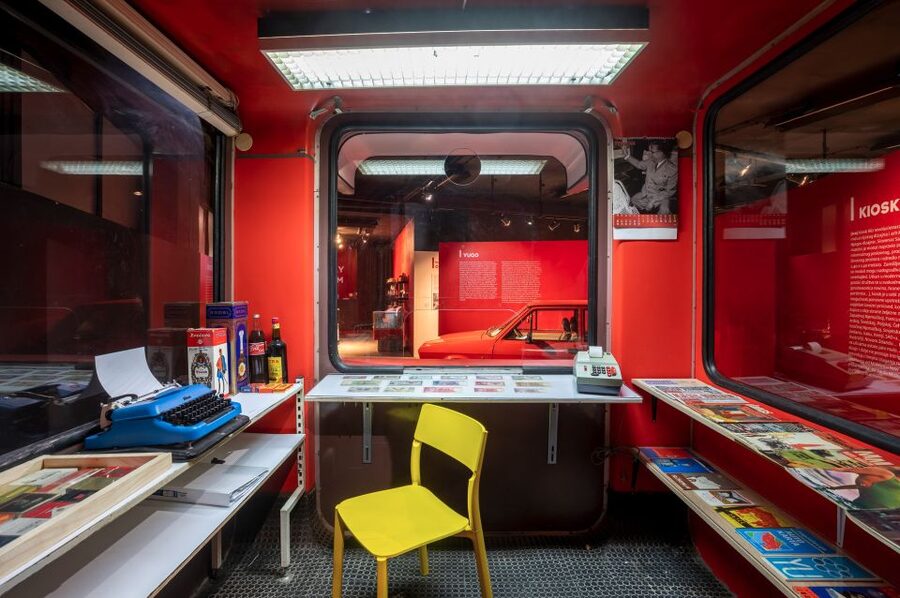
The museum is staffed by people who know what they are talking about. One named example is Viktor, cited as informative. That matters because some of the interactive elements and virtual scans are only as good as the instructions you get.
If you want to make the most of it:
- Ask what to try first with the interactive parts
- If a scan does not work, ask for the correct method
- When you find a topic that interests you, ask how the museum links that topic to everyday life
A good staff member can turn a fun museum stop into real understanding.
Price and Value: Is $11 a Fair Deal in Dubrovnik?
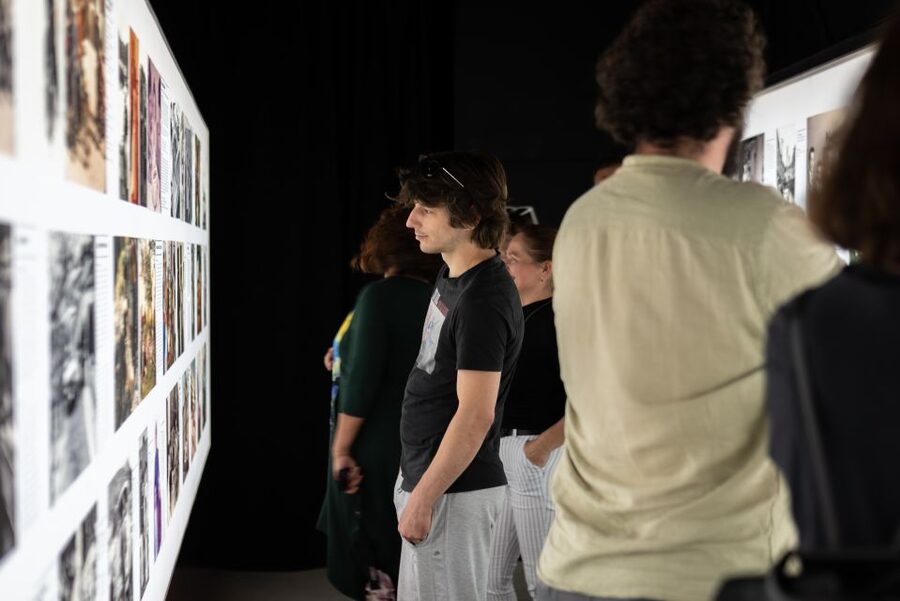
At about $11 per person, this museum is priced like a strong value add to your Dubrovnik day. In a city where many paid experiences can feel expensive for what you actually get, this one feels focused and worth the cost.
Here is the value logic I see:
- You are paying for a unique theme, communist and Yugoslav history, not a generic local museum
- The experience includes multiple interactive components, not only reading panels
- You get memorable moments built into the story, like the Yugo 45 photo opportunity and the pop-culture treats at the end
Also, because it is small, you can fit it into a flexible itinerary without needing to commit to half a day. That makes it easy to pair with other Dubrovnik priorities.
Who Should Go, and Who Might Skip
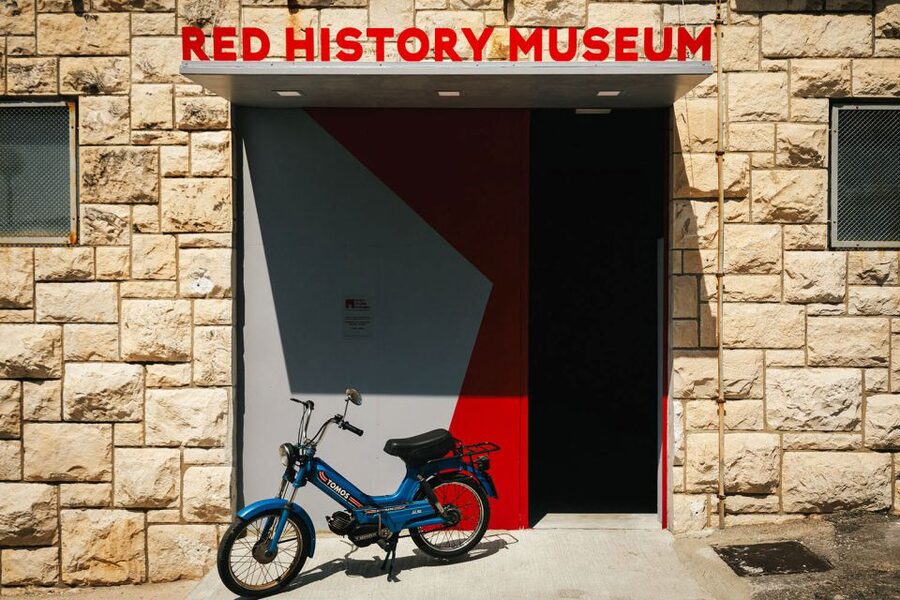
This museum is a great match if you:
- Want context for modern Croatia beyond old town walls
- Like museums that mix history with real objects and staged everyday settings
- Enjoy interactive exhibits and don’t mind a few playful pop culture elements
- Have curiosity about Yugoslav life in the 1970s and 1980s, as suggested by the feel created by older furniture and period details
You might skip it if you:
- Only want sweeping, chronological museum timelines
- Prefer purely traditional exhibits, with minimal interaction
- Are uncomfortable with darker history sections like Goli Otok and related topics
But even if you are on the fence, the experience is short enough and designed well enough that it is easy to commit without major regrets.
Should You Book the Red History Museum?
I think you should book this if you want your Dubrovnik visit to feel more grounded in real human history. For the money, you get a thoughtfully arranged, interactive experience that mixes ideology with daily life details, includes memorable pop culture moments, and does not ignore the difficult parts.
If you are the type who likes to understand what shapes a place, this museum gives you that context fast. Just go with the right mindset: you are not chasing spectacle. You are collecting insight, one room and one object at a time.
FAQ
Where is the Red History Museum in Dubrovnik?
It is located in the last factory complex in Dubrovnik, called T.U.P., in the port area. The complex was built in 1953.
What does the ticket include?
The ticket includes regular entry to the Red History Museum.
What kind of experience is it?
It is an interactive museum experience focused on communist history in Croatia and Yugoslav-era life. You can explore themes through exhibits that use both old and new technologies.
Can I take photos or try themed products?
Yes, there is a photo moment featuring the Yugo 45. At the end, you can also try communist versions of drinks like Coca Cola or Fanta and period candies.
Who is it best suited for?
It is best for people who want to understand Croatia through its more recent past, especially anyone interested in communist-era life, Yugoslav history, and the museum’s interactive exhibits.
Is the booking refundable if plans change?
Yes. You can cancel up to 24 hours in advance for a full refund.
Entries and Timed Slots in Dubrovnik




An Hour Indoors in Dubrovnik



Dubrovnik, the Longer Story



Freshly written up around Dubrovnik



Historical Tours, top to bottom.
 ★ 5.0Dubrovnik Old Town History Walking TourFrom $241,684 reviews
 ★ 5.0Walking Tour of Split with a ‘Magister’ of HistoryFrom $341,122 reviews
 ★ 5.0Split Walking Tour with Professor of HistoryFrom $24926 reviews
 ★ 4.9Split: History and Heritage Walking TourFrom $18650 reviews
 ★ 5.0Game of Thrones & History of Dubrovnik TourFrom $30628 reviews
★ 4.9Dubrovnik: Old Town History Walking TourFrom $20474 reviews
★ 5.0Game of Thrones & History of Dubrovnik TourFrom $30628 reviews
★ 4.9Dubrovnik: Old Town History Walking TourFrom $20474 reviews
 ★ 5.0Split History and Gastro Small-Group Tour with Food and DrinksFrom $139375 reviews
 ★ 5.0SPLIT-PREMIUM Emperor’s Walking Tour for History Lovers + MuseumFrom $30333 reviews
Browse the lists this tour appears in