

REVIEW · HISTORICAL TOURS
Dubrovnik’s History with a Local: the Homeland War Stories Private Tour
Dubrovnik has a way of making history feel physical, and this tour leans right into that. You’ll walk the Old Town with a local guide who lived through the Croatian Homeland War era, connecting everyday street scenes to the siege stories that still shape the city. I especially like how it starts with Revelin Fortress and builds toward the Memorial Room rather than hopping around randomly.
The biggest win is the human scale. My favorite part is the personal storytelling, including accounts from guides like Vesna, who lived in Old Town during the 1991 siege, which turns dates and walls into real life. The one possible drawback is the subject matter, because this is a war-focused walk, so if you want only light sightseeing, you may find it emotionally heavy.
In This Review
- Key Things to Know Before You Go
- Revelin Fortress, the Best Place to Start a War Story
- Ploče Gate into UNESCO Old Town, with Context You Usually Miss
- Old Town Streets and the Visible Weight of War
- Luza Square and the 5,000 Grenades Mental Picture
- Memorial Room of the Defenders of Dubrovnik, Where Photos Do the Talking
- Rector’s Palace and Daily Life During the Siege
- Holy Annunciation Church: Repairs, Orthodox Connections, and Ferries
- St. Salvation Church and War Damage That Still Shows
- Ending at Pile Gate, with Fort Imperial in View
- Price and Value for a Private 2-Hour War-Themed Walk
- Who Should Book This Tour (and Who Might Skip It)
- Quick Tips to Get More Out of Every Stop
- Should You Book Dubrovnik’s Homeland War Stories Private Tour?
- FAQ
- How long is the Homeland War Stories private tour in Dubrovnik?
- Is this a private tour?
- Where does the tour start and end?
- What main stops are included?
- Is admission included for the sights?
- Do I need special physical fitness?
- Is hotel pickup or drop-off included?
- Can I cancel for a full refund?
Key Things to Know Before You Go
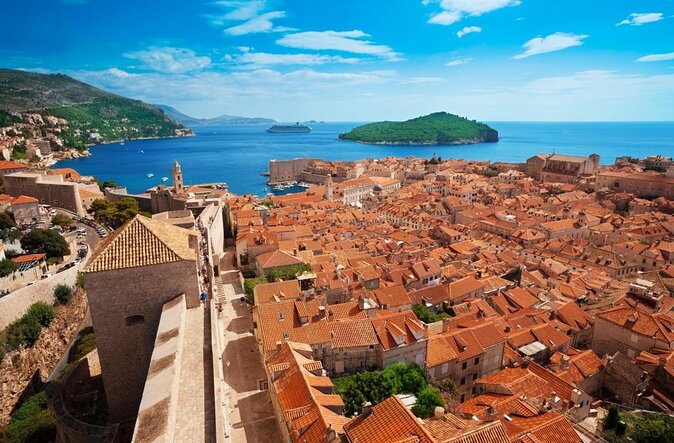
- Revelin Fortress first: you get the timeline of when Dubrovnik was attacked before you see the scars around town
- UNESCO Old Town entry at Ploče Gate: a classic entrance, framed by what happened next
- Luza Square and the 5,000 grenade detail: a memorable moment that helps you picture the scale of bombardment
- Memorial Room photos: a more direct, reflective stop than the usual photo-op spots
- Daily life at Rector’s Palace: the siege story includes how people lived and had to function
- Churches that show repairs and damage: you’ll see how the city physically changed after the fighting
Other history-led routes through Dubrovnik
- Dubrovnik Old Town History Walking Tour★ 5.0 · 1,684 reviews
- Game of Thrones & History of Dubrovnik Tour★ 5.0 · 628 reviews
- Dubrovnik: Old Town History Walking Tour★ 4.9 · 474 reviews
- Early Bird Dubrovnik History Tour – 7:30 Start★ 5.0 · 198 reviews
Revelin Fortress, the Best Place to Start a War Story
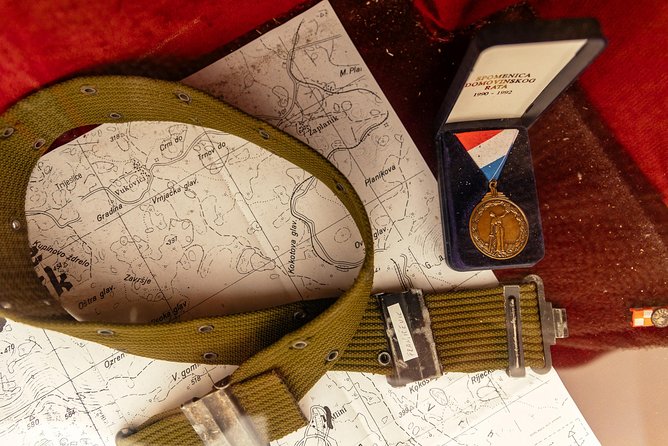
This tour makes an unusually smart choice by beginning at Revelin Fortress. You’re not starting with a souvenir street or a viewpoint, you’re starting with the day Dubrovnik got attacked for the first time. That matters because once you understand the early pressure on the city, the rest of the walk clicks into place.
Expect a quick reset into the early 1990s, when Yugoslavia was breaking apart and Croatia’s future was being reshaped through the Croatian War of Independence, often called the Homeland War. From there, your guide links the fortress setting to what you’ll see on the streets later. The vibe is historical, but still grounded in place.
Also, it’s listed as a stop with admission ticket free. That’s a small detail, but it helps you keep the trip budget under control when you’re trying to do a lot in a short stay.
Ploče Gate into UNESCO Old Town, with Context You Usually Miss
When you enter Dubrovnik through Ploče Gate, the entrance feels like what it is, a grand threshold into the Old Town. But on this tour, it’s not just about the architecture. Your guide uses that moment to orient you for the walking route and to explain what the city’s layout meant during the Homeland War.
I like this because it keeps you from getting lost in the maze of stone lanes. You’ll get a sense of direction fast, and you’ll understand why certain streets and buildings sit where they do. That makes your later photos better too, because you’ll be aiming with meaning, not just chasing pretty angles.
The stop is brief, so don’t treat it like a formal museum entrance. The value here is how it sets up everything after.
Old Town Streets and the Visible Weight of War
Wandering the Old Town is the main event for most Dubrovnik days. The difference with this tour is what your guide has you notice. As you stroll, you’ll learn about how and why the war started and how the fighting affected historical buildings.
This is where the tour becomes more than facts on a sidewalk. You start thinking in layers. Stonework is not just stonework, it’s evidence. Repairs are not just repairs, they’re a record of disruption and recovery.
One practical note: this part of the walk is open and you’ll be outside around busy Old Town foot traffic. Plan for normal city-walking comfort, not a slow stroll through quiet gardens. If you’re coming from cruise-ship crowds, give yourself a little extra patience for the narrow streets.
Luza Square and the 5,000 Grenades Mental Picture
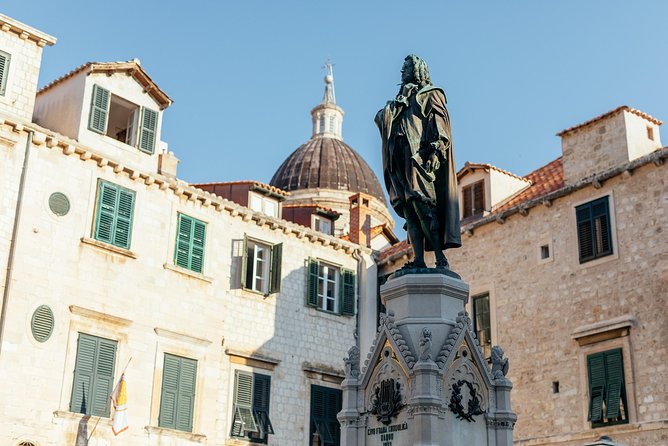
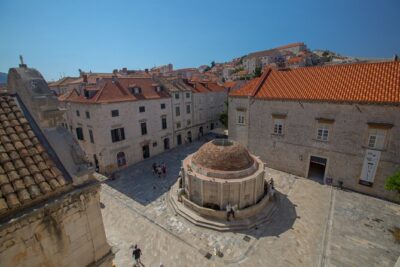
Luza Square is one of those places where you can quickly feel the emotional contrast. It’s a central square, very easy to imagine as a normal city moment. Then your guide asks you to picture how the city got hit by over 5,000 grenades.
That specific number is powerful because it gives weight to what you might otherwise treat as vague “bombardment.” You’ll stand in a real public space and learn how the siege changed what it meant to gather, move, and live in the city center.
You’ll likely take a lot of photos here, but try not to treat it like a backdrop only. I’d focus on photographing building details and damage marks, then let the guide’s explanation shape what those photos mean.
- Blue Cave Small-Group Boat Tour from Dubrovnik
★ 5.0 · 9,360 reviews - Full-Day Dubrovnik Elaphite Islands Cruise with Lunch and Drinks
★ 5.0 · 8,823 reviews - Dubrovnik: Epic Game of Thrones Tour + Lokrum & Saver Option
★ 4.9 · 5,995 reviews - Dubrovnik: Elaphiti Islands Full-Day Cruise with Lunch
★ 5.0 · 5,938 reviews - Dubrovnik: Old Town Walking Tour
★ 4.8 · 5,174 reviews
Memorial Room of the Defenders of Dubrovnik, Where Photos Do the Talking
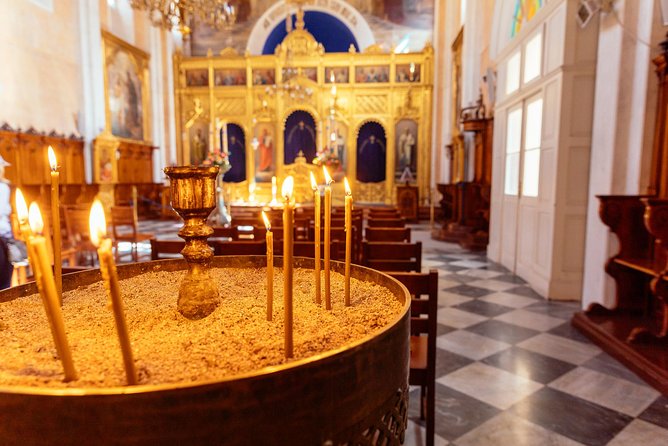
The Memorial Room of the Defenders of Dubrovnik is a turning point on the tour. This stop shifts from street-level context into a more direct, reflective space filled with photographs taken during the war.
What I like about this approach is that it slows the pace without turning it into a long lecture. It also adds a human “who and why” layer after the earlier “what happened” framing. Seeing wartime imagery in a dedicated memorial space makes it harder to reduce the story to something abstract.
The stop is short, but it’s the kind of place where you’ll want to actually look. If you rush it, you’ll miss the point. Bring yourself back to the fact that these images are why people remember the Homeland War, even decades later.
Rector’s Palace and Daily Life During the Siege
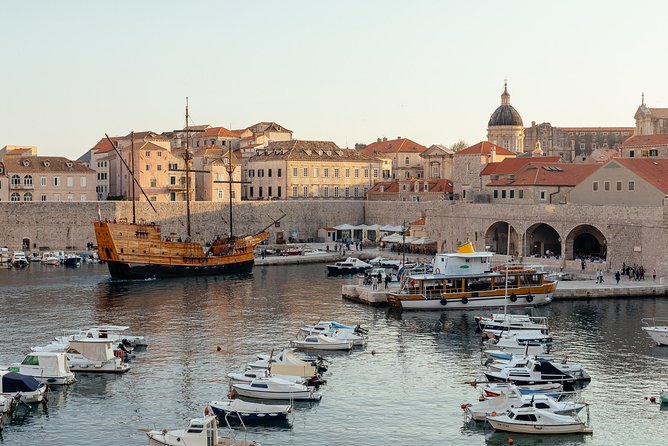
Next you’ll pass through one of Dubrovnik’s impressive civic landmarks, Rector’s Palace. Here the tour pivots from defense and damage into daily life during wartime.
This is a really useful angle for visitors because siege stories can become only about attacks and ruins. Your guide connects the palace setting to how locals had to carry on, which helps you understand the war as something that disrupted normal routines rather than something that only happened “out there.”
It’s also one of the stops where you can get a better appreciation for how Dubrovnik’s institutions worked and how people moved through their roles even under extreme pressure. You’ll come away with a better sense of continuity, not just destruction.
Holy Annunciation Church: Repairs, Orthodox Connections, and Ferries
The Church of the Holy Annunciation is listed as a stop where you can see a repaired Orthodox church. Your guide will also talk about the situation on the ferries during the war.
This part of the tour adds an important practical dimension. Ferries are not just transportation trivia. In a city under siege, movement and access become survival issues. Learning about that from a local perspective gives the story a more complete picture, because it shows what war meant beyond the visible rubble.
The repaired condition also helps you see that the story doesn’t stop at damage. Reconstruction is part of the Homeland War narrative in Dubrovnik, and this church is one way that shows up in real time.
St. Salvation Church and War Damage That Still Shows

At the Church of St. Salvation, you’ll see how some damages caused by the war are still visible in many places in the Old Town. This stop is less about a single dramatic reveal and more about training your eye.
After a few earlier stops, you’re already primed to notice what to look for. Here, the guide helps you connect the visible marks on buildings to the broader siege story. If you love photography, this is where your pictures can become more than decoration.
Try taking a close-up shot of damage you can document, then step back for a wider frame that includes the church and surrounding streets. That way, your photos show both the detail and its setting in the historic city.
Ending at Pile Gate, with Fort Imperial in View
The tour closes at Pile Gate, the other side of the Old City. This ending matters because it gives you one last big spatial view, plus a chance to spot Fort Imperial from the area.
There’s a nice satisfaction in finishing at a gate. It feels like completing a loop through the city, not just drifting from one stop to another. Your guide’s war-story context also tends to make those final views feel different, because you’re seeing the city’s defensive landscape as part of the story.
Also, you’ll likely leave with a clearer mental map of Dubrovnik’s layout, which helps if you want to keep exploring after the tour on your own.
Price and Value for a Private 2-Hour War-Themed Walk
At $83 for about 2 hours, this tour is priced like a serious, small-group experience, not a casual group stroll. The key value is that you’re getting a private tour with a local guide, focused on a specific subject many visitors know only in broad strokes.
If you’re traveling with a partner or a small group, the per-person value usually improves because you’re not paying “big bus tour” prices for a guided experience that’s tailored to where you’re walking. And because the itinerary lists admission tickets for the stops as free, you’re less likely to hit surprise add-ons during the walk.
It also helps that there’s a mobile ticket and group discounts. Mobile ticketing saves hassle, and discounts can make a real difference if you have flexible travel dates.
For Dubrovnik, $83 for a private guide who can connect the city’s war scars to real people and real decisions feels fair, especially if you want something more grounded than a general Old Town tour.
Who Should Book This Tour (and Who Might Skip It)
I think this tour is best for people who like their history human and place-based. If you enjoy understanding how everyday life changes under pressure, and you want to see Dubrovnik through the lens of the Homeland War, this is a strong fit.
You might want to skip it if you prefer purely scenic sightseeing and want to avoid heavy topics. This is not a fluffy theme tour. Even with short stops, the content centers on an actual siege, the scale of bombardment, and the memories that still linger in the architecture and memorial spaces.
A moderate physical fitness level is recommended, so plan on walking Old Town streets for about the length of the tour plus the time it takes to move between stops. No athletic feats required, but comfortable shoes will matter.
Also, because it’s private, it’s a good match for couples and small groups who want their questions answered directly by someone who can speak from lived experience, like Vesna did in the stories you’ll hear.
Quick Tips to Get More Out of Every Stop
- Wear shoes you can trust on stone streets and tight corners, the Old Town is not flat in a practical sense
- Bring your camera, but also look with your eyes first, memorial photos land better when you slow down
- If you’re photographing war scars, keep your framing respectful and avoid turning the places into pure sightseeing shots
- Ask your guide a question about daily life or movement, like ferries during the war, it’s where the story often becomes most real
- Leave a little buffer time before or after, so you can absorb what you learned rather than rushing straight into another crowded attraction
Should You Book Dubrovnik’s Homeland War Stories Private Tour?
If you want the Dubrovnik Old Town experience but with meaning, I’d book it. The strongest reason is the guide perspective. When a local like Vesna can connect the siege timeline to what you see at Revelin Fortress, Luza Square, and the Memorial Room, the city stops being just pretty buildings. It becomes a place that carries memory.
Do it if you’re curious about the Croatian Homeland War and want to understand it through the streets themselves, including how churches were repaired and how public life and movement were affected. It also makes your self-guided time afterward better, because your mental map will be sharper and your photo instincts will improve.
Skip it only if you know you want light history and zero emotional weight. If you can handle serious themes, this tour is one of the most value-rich ways to see Old Town with a local story that actually connects.
FAQ
How long is the Homeland War Stories private tour in Dubrovnik?
The tour lasts about 2 hours.
Is this a private tour?
Yes, it is a private tour, and only your group will participate.
Where does the tour start and end?
It starts at Ulica Vrata od Ploča, Dubrovnik, and ends at Pile Gate (Dubrovačke Gradske Zidine, 20000, Grad, Dubrovnik).
What main stops are included?
The tour includes Revelin Fortress, Ploče Gate, Old Town, Luza Square, the Memorial Room of the Defenders of Dubrovnik, Rector’s Palace, the Church of the Holy Annunciation, the Church of St. Salvation, and Pile Gate.
Is admission included for the sights?
The tour schedule lists admission tickets as free for the stops included.
Do I need special physical fitness?
Travelers should have a moderate physical fitness level.
Is hotel pickup or drop-off included?
No, hotel pick-up and drop-off is not included.
Can I cancel for a full refund?
Yes. You can cancel up to 24 hours in advance for a full refund. Cancellation less than 24 hours before the start time is not refunded.
Dubrovnik, the Longer Story


Freshly written up around Dubrovnik





Historical Tours, top to bottom.
 ★ 5.0Dubrovnik Old Town History Walking TourFrom $241,684 reviews
 ★ 5.0Walking Tour of Split with a ‘Magister’ of HistoryFrom $341,122 reviews
 ★ 5.0Split Walking Tour with Professor of HistoryFrom $24926 reviews
 ★ 4.9Split: History and Heritage Walking TourFrom $18650 reviews
 ★ 5.0Game of Thrones & History of Dubrovnik TourFrom $30628 reviews
★ 4.9Dubrovnik: Old Town History Walking TourFrom $20474 reviews
★ 5.0Game of Thrones & History of Dubrovnik TourFrom $30628 reviews
★ 4.9Dubrovnik: Old Town History Walking TourFrom $20474 reviews
 ★ 5.0Split History and Gastro Small-Group Tour with Food and DrinksFrom $139375 reviews
 ★ 5.0SPLIT-PREMIUM Emperor’s Walking Tour for History Lovers + MuseumFrom $30333 reviews
Browse the lists this tour appears in