
REVIEW · HISTORICAL TOURS
Split: History Walking Tour of the Old Town
Diocletian’s walls talk back if you listen. This 90 minute walk threads the Golden Gate into the Riva finish, and I really like how the palace cellars turn Roman architecture into a live story. One drawback to plan for: it is a lot of stone walking, and in warm weather you will feel it.
Split is roughly 1700 years old, and the old town sits on top of Diocletian’s Roman palace, protected by UNESCO. With a licensed guide, you get clear explanations, jokes, and practical local advice, including what to eat and what islands to prioritize after the tour.
In This Review
- Key highlights you should care about
- Why Split feels like a Roman time machine in 90 minutes
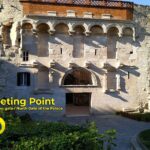
- Meeting by the Golden Gate, then getting your bearings fast
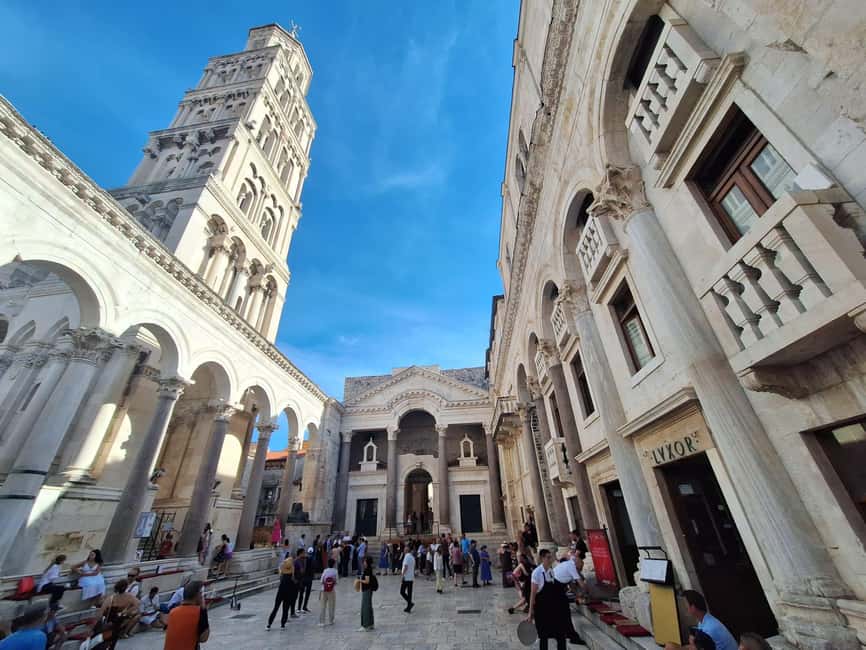
- Peristyle and the palace core, where Split’s story starts to click
- Jupiter’s Temple and the headless Sphinx entrance
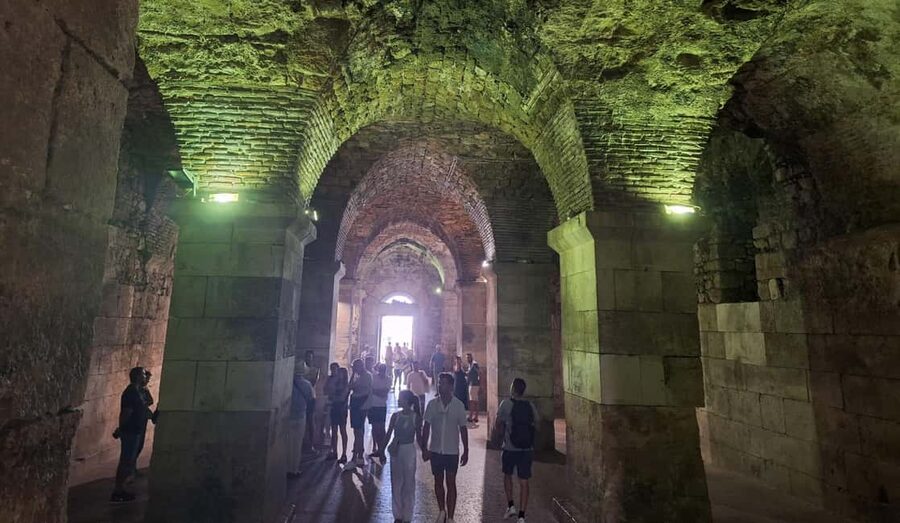
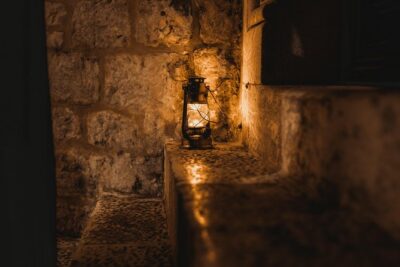
- Diocletian’s Cellars, where stone feels cooler and stories get darker
- Pjaca and Fruit Square, historic squares that still feel alive
- The route ends at the Riva, and you get a plan for the rest of your day
- Price and value for a $41, 90-minute guided walk
- What to bring so the tour feels easy, not exhausting
- Who should book this, and who might want a different option
- Should you book this Split Old Town history walk?
- FAQ
- How long is the Split Old Town History Walking Tour?
- How much does the tour cost?
- Where does the tour start and where does it end?
- What sites and stops are included during the walk?
- What languages are the guides available in?
- Is pickup available?
- What should I bring?
- Is cancellation and flexible booking available?
Key highlights you should care about
- Golden Gate to Peristyle: you start with a key entrance and move into the palace’s central court.
- Jupiter’s Temple with a headless Sphinx: you get the riddle style storytelling that makes the site memorable.
- Diocletian’s Cellars: cooler underground spaces where the palace feels even more real.
- Human mousetrap storytelling: you learn how the palace design shaped movement and control.
- Pjaca and Fruit Square: you see daily life in the historic core, not just monuments.
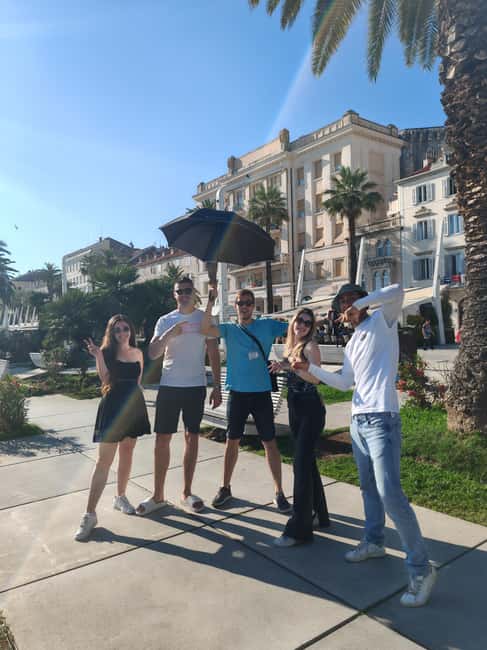
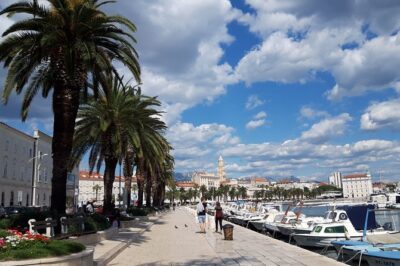
- Riva promenade ending: tall palm trees, sea views, and guide tips for the rest of your day.
More Split covered at walking pace
- Split: Old Town and Diocletian Palace Walking Tour★ 4.9 · 4,727 reviews
- Walking Tour of Split and Diocletian’s Palace★ 5.0 · 2,588 reviews
- Krka Waterfalls tour with Trogir Walking tour and Krka panoramic boat cruise★ 5.0 · 1,659 reviews
- Split & Diocletian’s Palace Walking Tour★ 5.0 · 1,125 reviews
Why Split feels like a Roman time machine in 90 minutes
You do not need a whole day to understand why Split matters. In just 90 minutes, the tour connects major parts of Diocletian’s palace into a single, easy-to-follow narrative, so the old town stops feeling like random ruins.
What makes it work is the mix of big landmarks and specific “how did this place function” moments. You are not only looking up at stone, you are learning why the spaces are where they are and what people were doing there.
And yes, the guide also leans into pop culture references, like Game of Thrones style dragon chains in the palace cellars. It is playful, but it also helps you remember the actual function of the underground areas.
Meeting by the Golden Gate, then getting your bearings fast
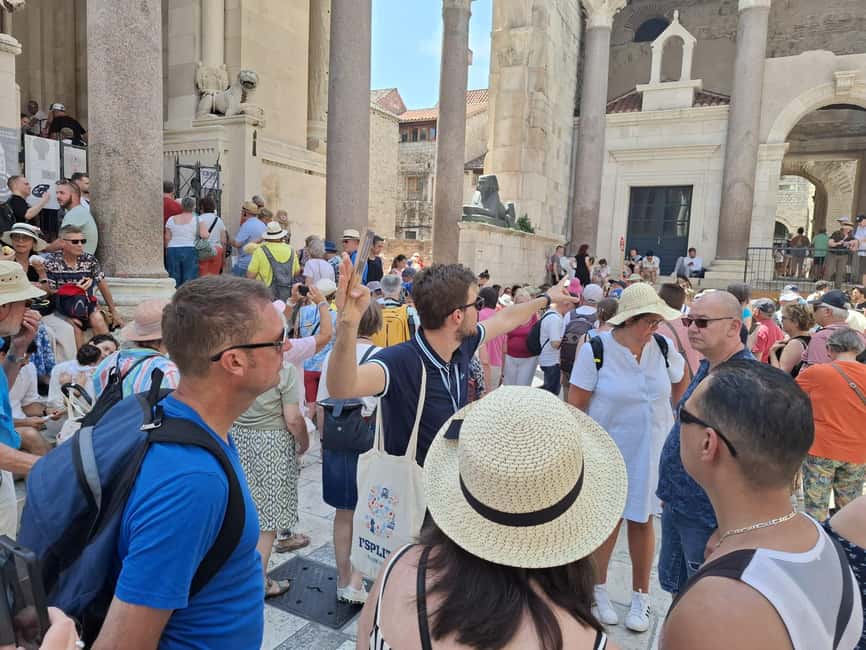
Your walk starts near the Golden Gate, one of the palace’s main entrances. From the beginning, the guide’s job is to help you see the layout with fresh eyes, instead of wandering around and hoping it clicks.
A big plus here is that the guide is local and licensed, and the tour can run in English or Spanish. If your guide is someone like Nina, Maya, Marc, or Marko, you might notice a similar pattern: clear explanations, and a way of keeping the group engaged with questions and light humor.
If you are the type who likes a fast orientation, this is a good match. You will get a mental map of the palace core early, then each next stop will make more sense.
Practical note: this is still an urban walking tour in uneven historic terrain. Bring comfortable shoes, and expect some steps and tight corners.
Peristyle and the palace core, where Split’s story starts to click
After the gate, you move into the palace’s central spaces, including the Peristyle and nearby monumental areas like the Mausoleum. This is where Roman grandeur becomes readable. The scale feels impressive, but the guide also points out what you should pay attention to so you do not miss the details that matter.
The Peristyle is basically your “center of gravity” stop. Once you stand there and understand how the court relates to the surrounding structures, the rest of the old town becomes easier to navigate.
This part also sets up the tone of the tour. You get guided sightseeing that is short and specific, not a long lecture. You should feel like you are moving from one visual anchor to the next.
Jupiter’s Temple and the headless Sphinx entrance
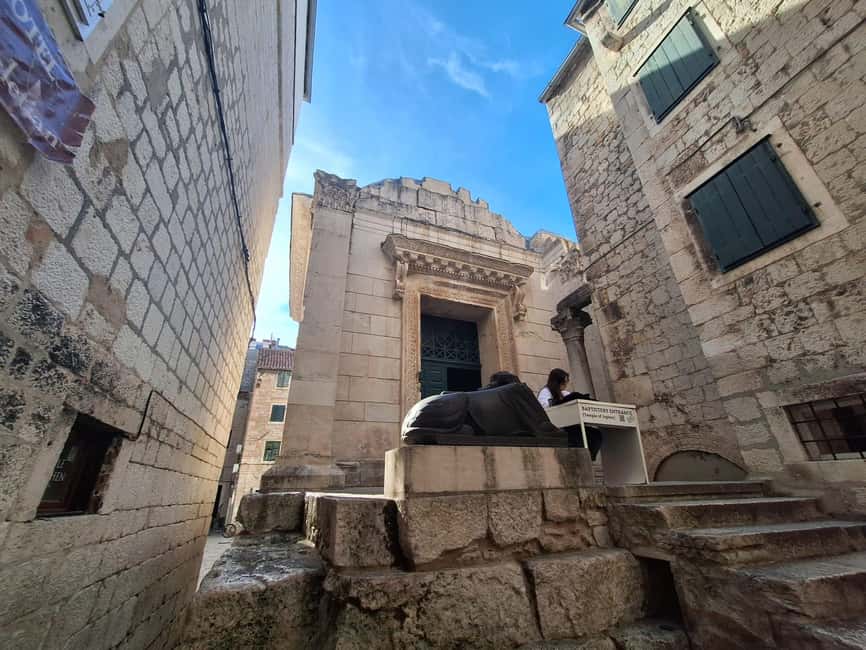
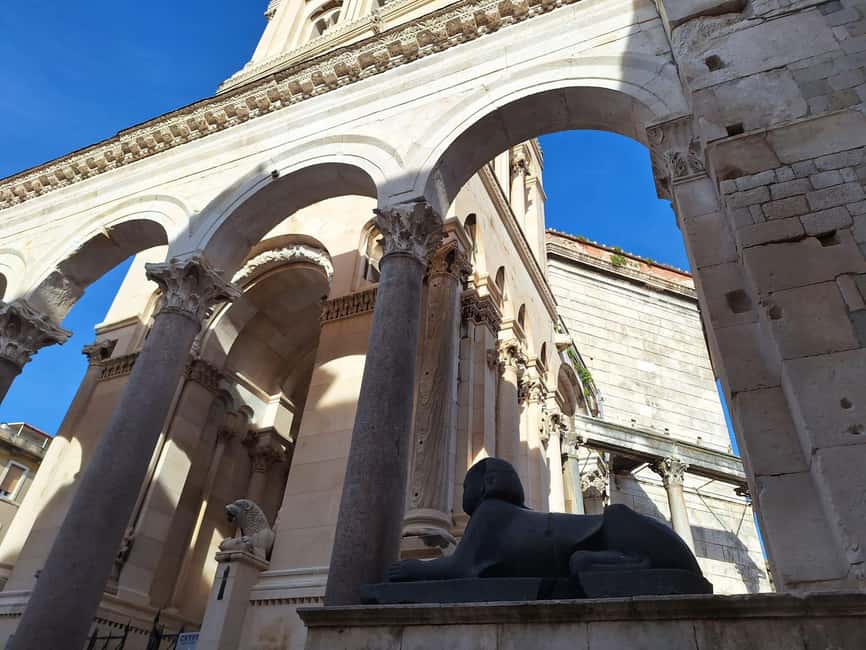
One of the more memorable stops is Jupiter’s Temple. The entrance is guarded by a headless Sphinx, and the guide uses that as a setup for a riddle and playful interpretation.
Even if you do not care about ancient symbols, this stop works because the guide connects the iconography to the physical space. You learn how the temple area fits into the palace and why certain artistic elements show up where they do.
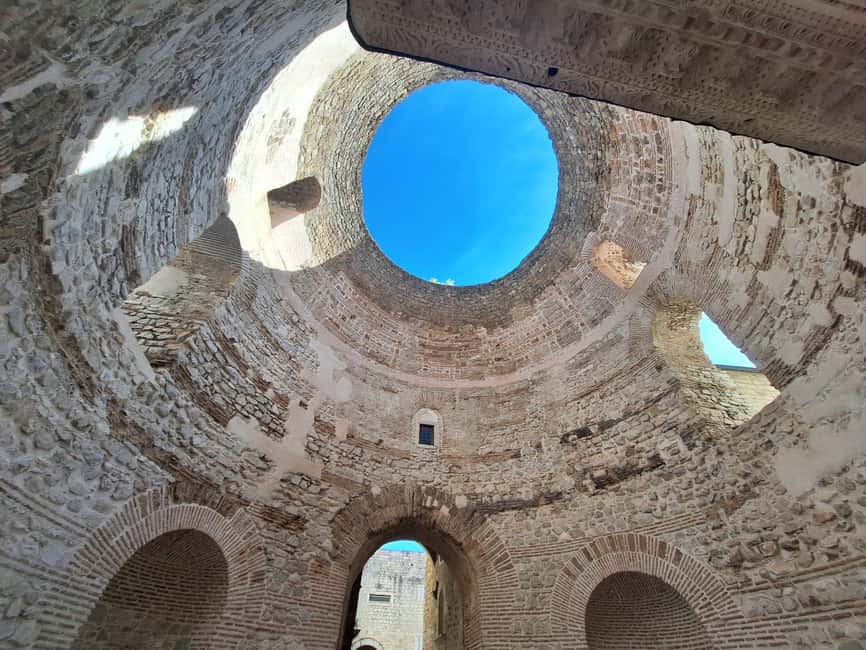
You also visit the Vestibule, which helps you understand the palace as a system, not just isolated statues and columns. The overall effect is that you start seeing “movement” in architecture, meaning how people entered, passed through, and were funneled across key points.
Other history-led routes through Split
- Walking Tour of Split with a ‘Magister’ of History
★ 5.0 · 1,122 reviews - Split Walking Tour with Professor of History
★ 5.0 · 926 reviews - Split: History and Heritage Walking Tour
★ 4.9 · 650 reviews - Split History and Gastro Small-Group Tour with Food and Drinks
★ 5.0 · 375 reviews - Split: Local History and Culture 90-Minute Walking Tour
★ 5.0 · 194 reviews
Diocletian’s Cellars, where stone feels cooler and stories get darker

Then you go underground into Diocletian’s Cellars. These cellars are one of the most valuable parts of the tour for two reasons.
First, the environment changes. Underground spaces often feel calmer and cooler, and that makes it easier to focus on what the guide is saying. One guide even managed the heat by leading people in ways that kept shade in play, so time can feel quicker than you expect.
Second, this is where the tour’s big storytelling hooks land. You will hear about the palace cellars as places tied to power and control, including references to where chains were used and where dramatic conflict scenes were set in Game of Thrones style descriptions. Those details may sound like fantasy, but the point is to help you remember what the underground rooms were built for.
This stop also includes what the tour describes as the human mousetrap moment. That is a useful concept because it encourages you to notice the design choices that shape how bodies move through corridors and passageways.
If you like history that has a sense of humor, this is where you get it. Guides also use props sometimes. For example, Maya is known for bringing a folder with photos and maps, which can help you follow the story without squinting at your surroundings.
Pjaca and Fruit Square, historic squares that still feel alive
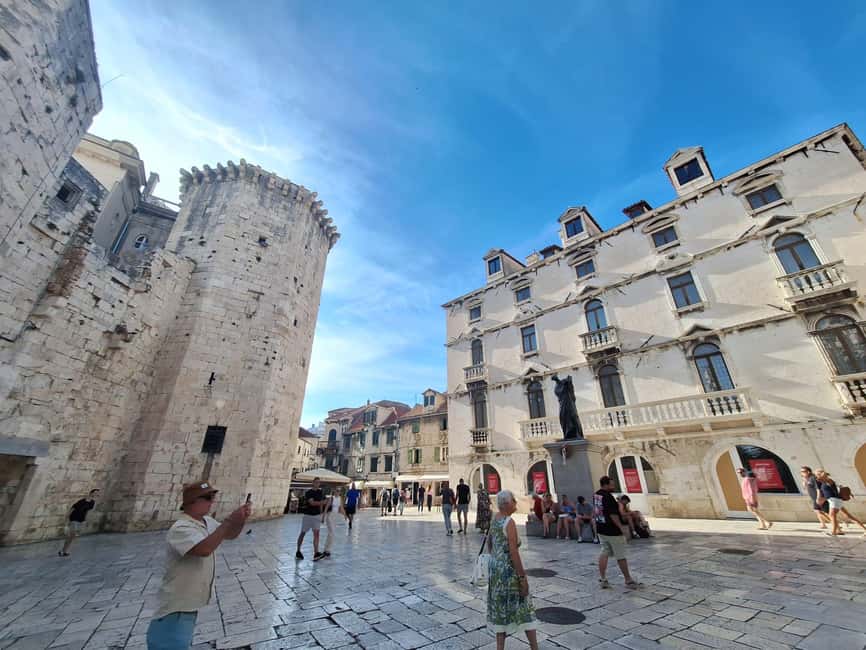
After the palace and cellars, you turn toward the public squares, including People’s Square (Pjaca) and Fruit Square (Voćni trg). This is not just a break from monuments. It is your chance to understand that Split’s old town is still a real neighborhood.
The guide’s explanations here help you connect civic spaces to everyday life: where people gathered, traded, and moved through the center. You also hear the kinds of political and economic stories that shaped the city over time, including how Venetians paid for parts of Split’s development.
This section is a good reminder that UNESCO protection does not freeze a place in time. It protects layers, and those layers are still being used.
If you are hungry, this is also a great zone to start thinking about what comes next. The tour includes insight into local food habits and what to look for after you leave.
The route ends at the Riva, and you get a plan for the rest of your day
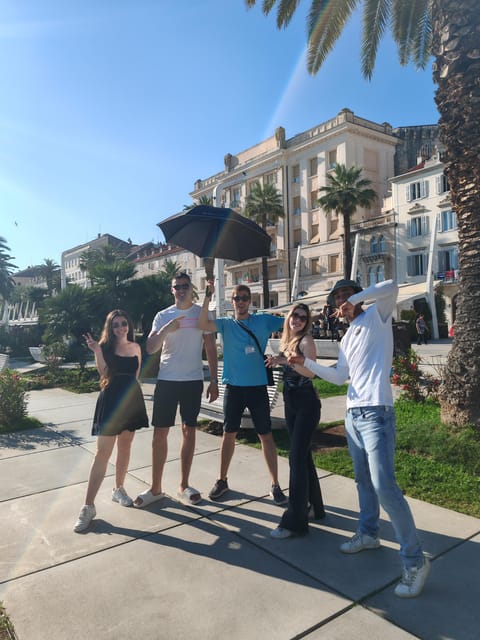
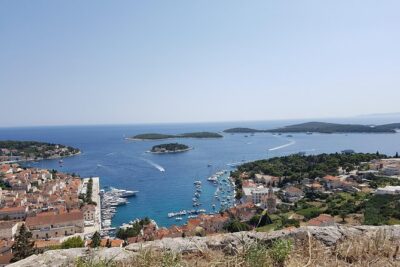
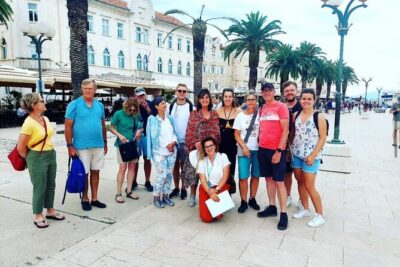
To close, the tour heads to the Riva, the seafront promenade lined with tall palm trees. Ending by the water matters more than it sounds. After time in stone corridors and palace courts, you finally get open air, long sightlines, and a clear sense of where you are in relation to the harbor.
This ending stop also comes with practical help. Your guide should point you toward recommendations for how to spend the rest of your day, including which islands to visit based on time and interests. You also get suggestions on what locals eat and where you might find Dalmatian specialties.
That last part is where the tour earns its money for a lot of people. It is one thing to see Diocletian’s palace. It is another thing to know what to order at the next meal without guessing.
Price and value for a $41, 90-minute guided walk
At $41 per person, this tour sits in the “small investment, high payoff” category, especially if it saves you from wandering through the old town without a plan.
Why that value works:
- You get a licensed local guide, not a random voice on a megaphone.
- You cover multiple major palace stops in one route, so you are not paying for separate tickets just to see the palace highlights.
- You get context you would struggle to assemble on your own, like what Diocletian did in the era the guide discusses, including dramatic stories such as why he vomited after dinner.
- You get guidance that extends beyond the sights, like food tips and island recommendations.
If you only have a short window in Split, the 90 minutes are the key advantage. It is long enough to learn, short enough to still build a relaxed afternoon around it.
What to bring so the tour feels easy, not exhausting
This is a walk in a historic center, so small comfort items make a big difference. Bring:
- Comfortable shoes
- Hat
- Sunscreen
- Water
In warmer months, the “stone plus sun” effect is real. Even if cellars are cooler, you still spend time outside around gates and squares. Showing up prepared keeps the tour fun instead of just tiring.
Who should book this, and who might want a different option
Book this tour if you:
- Want the big Diocletian’s palace highlights with clear context
- Prefer a guide who uses riddles, questions, and jokes to keep you engaged
- Like practical end-of-tour advice, especially food and islands
- Enjoy cellars and darker stories, not only postcard views
Consider skipping or switching to a different style if you:
- Do not enjoy walking through older stone streets and uneven surfaces
- Want fully quiet museum time with no playful storytelling
Private group option is available too. If you want control over pacing and fewer distractions, a private setup can be a strong move.
Should you book this Split Old Town history walk?
I think it is a solid choice if you want a smart, efficient introduction to Split. You get the palace core in a guided path, the atmospheric cellars, and a satisfying finish at the Riva, plus real local tips for what to do next.
If your priority is romance and sea views, the ending helps. If your priority is history, the palace stops and underground spaces give you enough detail to feel like you understood the city, not just watched it.
Given the price, the licensed guide, and the short 90-minute format, this is the kind of tour that makes your remaining time in Split easier to plan and more enjoyable to experience.
FAQ
How long is the Split Old Town History Walking Tour?
The tour lasts 90 minutes.
How much does the tour cost?
The price is $41 per person.
Where does the tour start and where does it end?
It starts at Golden Gate, Split, and ends at the Riva, Split.
What sites and stops are included during the walk?
You will see places including the Golden Gate, Peristyle, Mausoleum, Temple of Jupiter, Vestibule, Diocletian’s Cellars, People’s Square (Pjaca), Fruit Square (Voćni trg), and the Riva.
What languages are the guides available in?
The live tour guide is available in English and Spanish.
Is pickup available?
Pickup is optional. You can provide your hotel name and street where the guide should wait, or write details if you are arriving by boat on a cruise.
What should I bring?
Wear comfortable shoes, and bring a hat, sunscreen, and water.
Is cancellation and flexible booking available?
There is free cancellation up to 24 hours in advance for a full refund, and you can reserve now and pay later.
Split, the Longer Story




Walk It: More of Split at Ground Level

Freshly written up around Split



Historical Tours, top to bottom.
 ★ 5.0Dubrovnik Old Town History Walking TourFrom $241,684 reviews
 ★ 5.0Walking Tour of Split with a ‘Magister’ of HistoryFrom $341,122 reviews
 ★ 5.0Split Walking Tour with Professor of HistoryFrom $24926 reviews
 ★ 4.9Split: History and Heritage Walking TourFrom $18650 reviews
 ★ 5.0Game of Thrones & History of Dubrovnik TourFrom $30628 reviews
★ 4.9Dubrovnik: Old Town History Walking TourFrom $20474 reviews
★ 5.0Game of Thrones & History of Dubrovnik TourFrom $30628 reviews
★ 4.9Dubrovnik: Old Town History Walking TourFrom $20474 reviews
 ★ 5.0Split History and Gastro Small-Group Tour with Food and DrinksFrom $139375 reviews
 ★ 5.0SPLIT-PREMIUM Emperor’s Walking Tour for History Lovers + MuseumFrom $30333 reviews
Browse the lists this tour appears in