
REVIEW · PULA ARENA & ROMAN ISTRIA TOURS
Pula walking tour
Pula’s Roman leftovers are everywhere, if you know where to look. This walking route threads the city’s main landmarks into a smart story you can follow on foot, with a local guide who keeps things clear and practical. Two big wins for me are the small group size (max 15) and the chance to see the key sights quickly, without wasting time on figuring it all out alone.
I also like that the tour is built for real touring, not museum-only sightseeing. You’ll walk a loop through Roman and later-era Pula, then finish at the Twin Gates, a handy spot for continuing on your own. One thing to consider: most stops are exterior views, and paid entry is not included, so if you want to go inside multiple sites, you’ll need extra planning and money.
In This Review
- Key highlights you’ll feel right away
- Why this Pula walk makes sense for first-timers
- Getting started at Pula Arena, your orientation marker
- Amphitheatre de Pula exteriors, and what to look for
- Kastel fortress, and the harbor view you’ll remember
- Pula Cathedral: quick exterior context, optional entry if open
- Tempio di Augusto: Roman temple cues without the ticket hassle
- Arco dei Sergi: a free stop that pays off fast
- Gradska Trznica Pula: market energy, even from outside
- Gate of Hercules and the Twin Gates: finish with big Roman drama
- What you actually get from the guide (and why it matters)
- Tickets, entries, and how to plan your “inside” wishes
- Pacing and comfort: a moderate walking plan
- Who should book this tour, and who might not
- Value check: is $20.16 worth it?
- Should you book the Pula walking tour with Istria Tours?
- FAQ
- What does the Pula walking tour cost?
- How long is the walking tour?
- What language is the guide?
- Where does the tour start and end?
- Is the tour only outside, or can I enter sites?
- Are tickets for entry included?
- How many people are in the group?
- What should I do if the weather is bad?
- What about families traveling with children?
- What is the cancellation and refund rule?
Key highlights you’ll feel right away
- A guided hit-list of Pula’s top sights in about 1.5 hours, paced so you can still explore afterward
- Max 15 people, so it feels close to a small-group tour even when you’re not “private”
- English guide + mobile ticket, a low-friction way to get started
- Harbor viewpoint time at Kastel, not just pretty stones from street level
- Several stops with free access, like Arco dei Sergi and the gates
- All-weather operation, so your plan is still a plan on rainy days
Other Roman-Istria stops we have covered
- Medulin -Kamenjak 5h boat trip with lunch & drinks on Sandra Boat★ 5.0 · 1,621 reviews
- Full-Day Boat Tour of the Medulin Archipelago from Medulin★ 5.0 · 1,389 reviews
- Pula: Kayaking,Snorkeling, Cliff jumping Tour with Wetsuit★ 4.8 · 861 reviews
- Pula: National Park Brijuni Island Visit & Dolphin Cruise★ 4.5 · 788 reviews
Why this Pula walk makes sense for first-timers
Pula can feel like a mix-and-match city at first: Roman monuments, medieval fortifications, and newer streets all jostle side by side. This tour works because it gives you a walking order that makes those eras easier to understand in context.
At about 1 hour 30 minutes, it’s also a great “middle-of-the-day” activity. You get the highlights, you learn enough to recognize what you’re seeing, and then you’re not locked into long ticket lines or slow sightseeing.
The price of $20.16 per person is fair for what you’re buying: a professional/local guide and a structured route. Since entries are not included (with a few free stops), you’re not paying for entrances you may not even want. If you’re only looking to see exteriors and soak up the story, this is strong value.
Getting started at Pula Arena, your orientation marker
You’ll meet at Pula Arena (Flavijevska ul.). Even if you do not enter the arena, this is a useful starting point because it anchors the whole walk in Pula’s Roman identity.
Plan for a short warm-up and quick eye practice before the stories start. The arena area helps you picture the scale of Roman Pula, then you roll into the rest of the old town without feeling lost.
Practical note: the tour uses a mobile ticket, which is convenient if you’re bouncing between sights and don’t want printed paperwork.
Amphitheatre de Pula exteriors, and what to look for
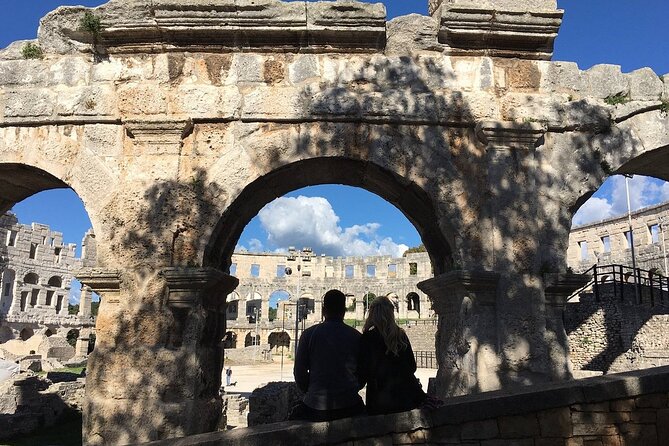
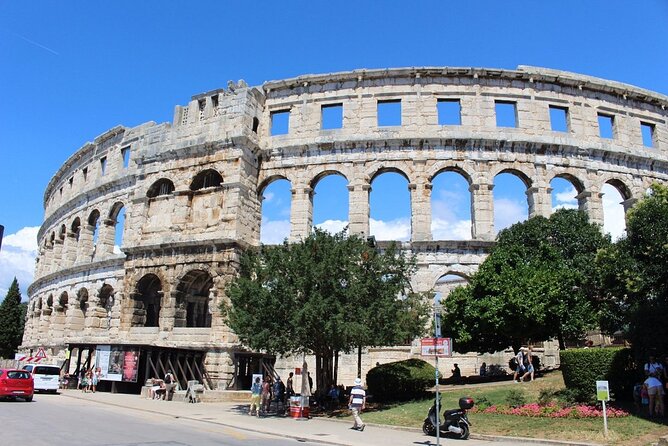
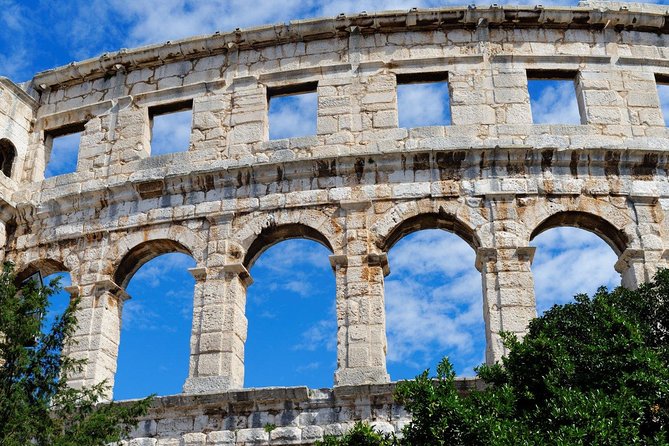
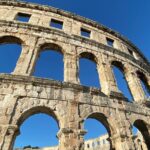
Your first stop is the Amphitheatre de Pula. You’ll spend about 20 minutes and, importantly, you’ll learn about it from the outside.
This is a good strategy if you want the big-picture story without committing to ticketed entry right away. From street level and viewpoints around the area, you can still read the structure, spot details, and understand why the arena mattered in ancient civic life.
Possible drawback: if you were hoping for a closer look that requires entry, this stop may feel like it stops just short. You’ll get explanation and context, but exterior time has limits. Still, even from outside, it’s one of the most photogenic “start points” in town, and the guide framing helps you see more than you’d notice on your own.
Kastel fortress, and the harbor view you’ll remember

Next you’ll head to Kastel, with about 10 minutes focused on the fortress from the outside. The key value here is the view toward the harbor.
Fortresses are not only about walls. They’re about position, control, and how a city protected access to its coastline. Standing where you can see the harbor makes the explanation stick faster than photos or guidebook captions ever will.
If you like viewpoints, don’t rush this stop. Even a short break to look out is part of learning the geography, and this walk is built around that idea.
More Pula covered at walking pace
- Pula: Historic Walking Tour with Local Guide & City Views
★ 4.8 · 143 reviews - Pula walking tour
★ 5.0 · 96 reviews - Pula: Historic Sites Guided Walking Tour
★ 4.8 · 78 reviews - Pula Essentials Walking Tour
★ 4.8 · 64 reviews - Pula Essentials Walking Tour
★ 5.0 · 62 reviews
Pula Cathedral: quick exterior context, optional entry if open
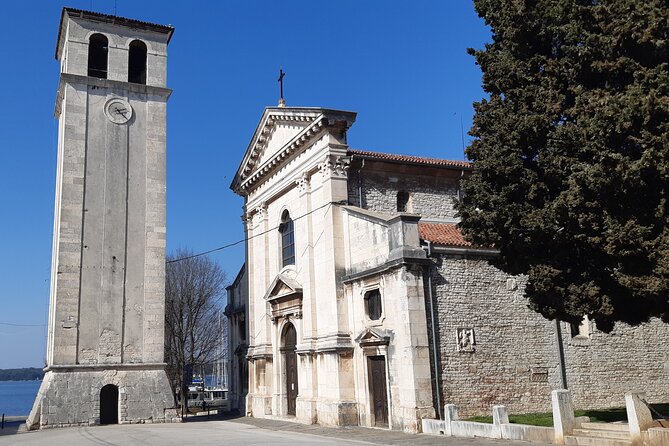
Then comes Pula Cathedral. Expect about 5 minutes, with the emphasis on outside viewing and short orientation about the church. If the cathedral is open, you can enter.
That “if open” detail matters. It keeps the flow moving and avoids tour time being eaten by waiting. If it’s open, great, you get a bonus interior moment. If not, you still get the exterior context and a clean handoff to the next Roman stop.
Tempio di Augusto: Roman temple cues without the ticket hassle
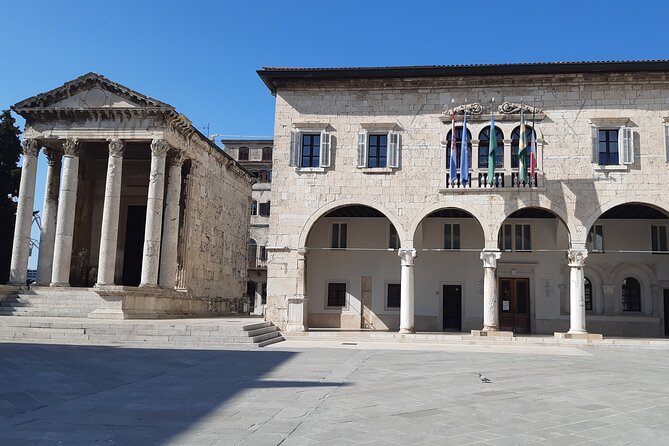
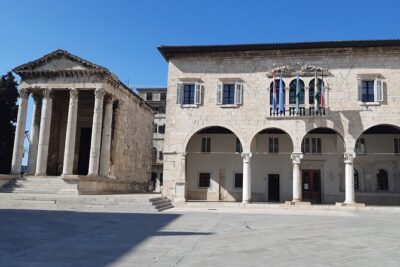
Your next Roman-era stop is Tempio di Augusto. You’ll spend about 10 minutes and look at the temple from the outside.
This is exactly the kind of stop that makes a guided walk worth it. When you’re standing near a preserved structure, a guide can help you connect what you see now to what it once signaled in Roman society. Without that framing, it can look like just another old building. With it, the building becomes a clue.
Again, no admission is included for this stop. But if you’re happy with exterior viewing, it’s a straightforward win.
Arco dei Sergi: a free stop that pays off fast

You’ll then see Arco dei Sergi for about 10 minutes, and entry is free. This is one of the easier moments in the walk, because you can focus on details and photos without worrying about paid access.
It’s also a good breather between bigger anchor sights. You get a meaningful object, but you’re not stuck for long. If you’re traveling with teens, this kind of stop keeps momentum without turning the day into a lecture.
Gradska Trznica Pula: market energy, even from outside
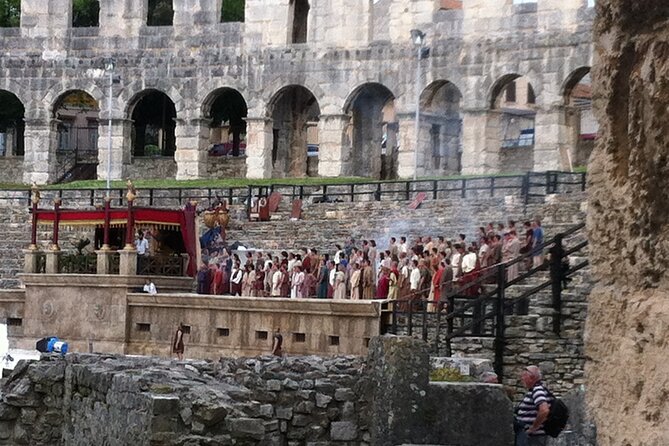
Next is Gradska Trznica Pula for about 10 minutes, with outside viewing and free access. Even when you’re not spending time inside, the market stop gives you a sense of Pula as a living city, not only an archaeological display.
Markets also help you connect the past to the present. The guide’s framing can make the market feel like part of the city’s ongoing rhythm, rather than just a place to buy snacks.
If you do want food, this is where you’ll often start thinking about lunch. The tour includes no food or drinks, so use this as your planning moment.
Gate of Hercules and the Twin Gates: finish with big Roman drama
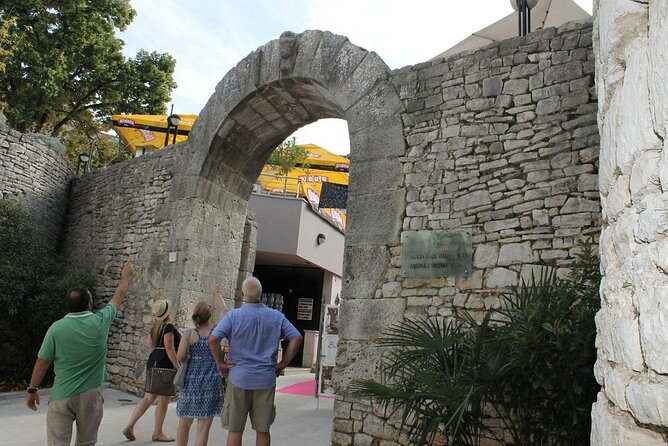
You’ll cap the walk with the Gate of Hercules and the Twin Gates. These are short stops, around 5 minutes each, and both have free access.
These gates are special because they’re built for movement. They’re the architectural punctuation marks that make it easier to picture how people moved in and out of the old city.
Finishing at the Twin Gate area is smart. You end near the historic core, so you can keep exploring without adding long transit time.
If you’re the type who likes to end tours with photos, you’ll like this finish. Gates create strong lines and clear backdrops, and the guide’s quick explanation helps you feel like you just “read” a page of Pula’s story.
What you actually get from the guide (and why it matters)
The guide package is the real product here: professional guide and local guide language is English. The walking format matters because you’re not stuck with vague information. You hear the story, then you look at the building right away.
That timing makes a difference for first-timers. When you see an exterior structure while someone explains what it was used for, it sticks. You start noticing patterns like how Roman civic buildings relate to later fortifications and how the city’s layout supports viewpoints.
Some groups have shared that guides like Sini can keep energy up and answer questions well. If you happen to get him, you’ll likely appreciate the clear, lively approach. Other guide names show up too, like Jane, and the common thread is strong teaching and pacing.
Tickets, entries, and how to plan your “inside” wishes
Here’s the key practical point: entries are not included. Some stops are explicitly marked as free, and others are outside only.
- Free stops in this route include the Pula Cathedral (if you can enter when open), Arco dei Sergi, Gradska Trznica Pula, Gate of Hercules, and the Twin Gates of Pula.
- Admission ticket not included for stops like Amphitheatre de Pula and Kastel and the Tempio di Augusto.
So how do you use this info?
If your main goal is learning and quick orientation, you’re covered. If your main goal is interiors, make a short follow-up plan for whatever you cared about most, like the arena or fortress access, because this walk is designed primarily around outdoor viewing and guided context.
Pacing and comfort: a moderate walking plan
This tour is listed for people with moderate physical fitness. It’s not described as a strenuous trek, but you should expect a real walk across central sights.
The pacing is part of why it works. The stops are short and timed, so you’re not stuck waiting around for long. That also means you’re less likely to feel exhausted before you get the last gate shots.
My tip: wear comfortable shoes, and keep a light layer handy. Pula weather can shift, and the tour runs in all weather conditions, with a clear instruction to dress appropriately.
Who should book this tour, and who might not
This is a strong fit if you:
- Want a fast, structured introduction to Pula’s biggest monuments
- Like walking tours where you learn as you go, not just read plaques
- Travel with families, including teens, and need a guide who can keep attention
- Prefer spending your money on one guided experience rather than multiple entry fees
It may be less perfect if you:
- Only want ticketed interiors and are disappointed by outside viewing
- Have limited mobility and might struggle with a compact but active 1.5-hour route
- Need very long stops to sit down and linger, since the plan is stop-by-stop and time-structured
Value check: is $20.16 worth it?
For many places in Europe, a guided hour-and-a-half can run more than you expect. Here, the price is low enough that you can treat it as a smart investment in your time.
You’re paying for:
- a guide who can connect the dots between monuments
- a short route that hits the arena area, Roman temple cues, gates, and a harbor view
- a small group experience capped at 15 travelers
And you can also control your costs. Since entries are not included, you decide on your own priorities after the walk, instead of feeling locked into a bundle of attractions you did not choose.
If you’re doing Pula in a day or you’re trying to build confidence for self-guided exploring after, this value is especially good.
Should you book the Pula walking tour with Istria Tours?
If your goal is to understand Pula quickly and see the key landmarks in a logical order, I think this is an easy yes. The route is short, the guide support is a big part of the payoff, and the finish at the Twin Gates makes it simple to continue exploring.
Book it especially if you want to avoid the most common first-timer problem: standing in front of Roman ruins and feeling like you’re missing the story. This walk gives you that story in plain language, while you’re still close enough to the stones to recognize what you just heard.
Skip it if you know you only care about inside access and you’re the type who hates exterior-only sightseeing. In that case, look for tours that match your entry expectations.
FAQ
What does the Pula walking tour cost?
The price is $20.16 per person.
How long is the walking tour?
It runs for about 1 hour 30 minutes.
What language is the guide?
The tour is offered in English.
Where does the tour start and end?
It starts at Pula Arena, Flavijevska ul., 52100, Pula and ends at the Twin Gate, Carrarina ul. 8, 52100, Pula.
Is the tour only outside, or can I enter sites?
Most stops are outside viewing. For Pula Cathedral, you can enter if it is open. The tour does not include entries for sites marked as admission not included.
Are tickets for entry included?
No. Admission tickets are not included, except that several stops are listed as free.
How many people are in the group?
The tour has a maximum of 15 travelers.
What should I do if the weather is bad?
It operates in all weather conditions, so dress appropriately for rain or cool wind.
What about families traveling with children?
Children must be accompanied by an adult.
What is the cancellation and refund rule?
You can cancel for a full refund if you cancel up to 24 hours before the experience starts. If you cancel less than 24 hours before, the amount paid is not refunded.
Walk It: More of Pula at Ground Level

Roman Istria, Continued




Freshly written up around Pula



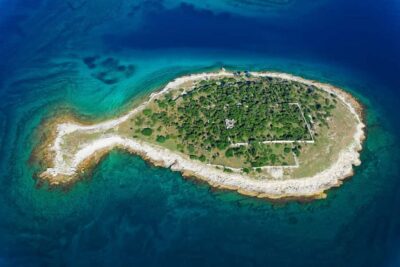
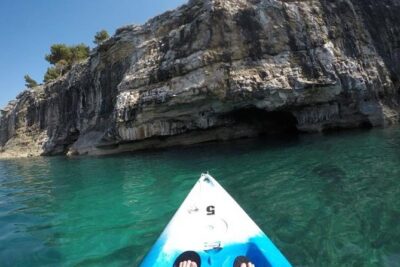
Pula Arena & Roman Istria Tours, top to bottom.
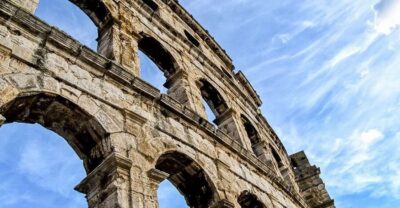 ★ 4.3Pula: Arena Entrance TicketFrom $112,590 reviews
 ★ 5.0Medulin -Kamenjak 5h boat trip with lunch & drinks on Sandra BoatFrom $541,621 reviews
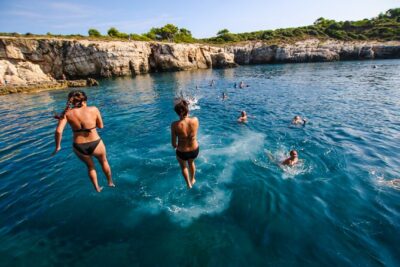 ★ 5.0Full-Day Boat Tour of the Medulin Archipelago from MedulinFrom $541,389 reviews
 ★ 5.03hours all inclusive Sunset&Dolphin Tour from Medulin on SandraFrom $541,130 reviews
 ★ 4.8Pula: Kayaking,Snorkeling, Cliff jumping Tour with WetsuitFrom $57861 reviews
 ★ 4.5Pula: National Park Brijuni Island Visit & Dolphin CruiseFrom $76788 reviews
 ★ 4.5Pula: Brijuni Sunset Dolphin Cruise with Dinner & DrinksFrom $62764 reviews
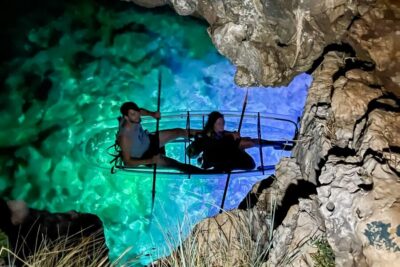 ★ 4.9Pula: Night-Time Sea Kayaking Tour in Transparent KayakFrom $69628 reviews
Browse the lists this tour appears in