
REVIEW · PULA ARENA & ROMAN ISTRIA TOURS
Pula Roman Heritage Walking Tour
Roman ruins in Pula, handled with care. This short 2-hour walking tour strings together three big Roman moments in a sensible route, with an English guide and time for a coffee or tea. You also get to see how the city’s Roman past connects from monuments to the quieter remains around Zaro.
I love that it focuses on top Pula highlights without turning the experience into a rushed checklist. I also like the human touch, with guides such as Dina, Jadranka, and Maslinka praised for being organized, friendly, and able to answer your questions in plain language.
One thing to consider: you are walking in city streets and stone areas, so comfortable shoes matter, and the route may feel a bit long if you get tired easily. Also, because the tour needs a minimum number of full price adult bookings, it can be canceled and refunded if that minimum is not reached.
In This Review
- Key points before you go
- How this 2-hour walk gives you Roman Pula fast
- Start at the Pula Arena: the spectacle you can still feel
- Tempio di Augusto: where Rome shows off its identity
- Small Roman Theatre on the Zaro hillside: the quiet payoff
- Coffee or tea break: not just a perk
- Price and what $107.06 buys you in real terms
- Scheduling: morning or afternoon, and how to choose
- What to wear, how to move, and what to expect
- Who this tour suits best
- Should you book the Pula Roman Heritage Walking Tour?
- FAQ
- What is the duration of the Pula Roman Heritage Walking Tour?
- How much does the tour cost?
- Is the tour offered in English?
- What stops are included in the tour?
- Is coffee or tea included?
- Where do I meet, and where does the tour end?
Key points before you go
- Small group cap of 15 people, so you’re not stuck listening over a crowd
- Three Roman stops in about two hours, including one paid site and two free sites
- English guide plus coffee or tea, which makes it easier to enjoy, not just to rush
- Pula Arena entry included, so you’re not doing extra ticket math on the spot
- Morning or afternoon start times, for flexible scheduling in your day
- Mobile ticket and start/end at Pula Arena, which keeps logistics simple
Other Roman-Istria stops we have covered
- Medulin -Kamenjak 5h boat trip with lunch & drinks on Sandra Boat★ 5.0 · 1,621 reviews
- Full-Day Boat Tour of the Medulin Archipelago from Medulin★ 5.0 · 1,389 reviews
- Pula: Kayaking,Snorkeling, Cliff jumping Tour with Wetsuit★ 4.8 · 861 reviews
- Pula: National Park Brijuni Island Visit & Dolphin Cruise★ 4.5 · 788 reviews
How this 2-hour walk gives you Roman Pula fast
The big win with this tour is pace. Two hours is short enough that you can fit it around other plans, but it’s long enough for your guide to stitch the story together, not just point at stones. You get the feeling of Roman city life in a compact loop, which is ideal if you’re not trying to spend a full day doing ruins.
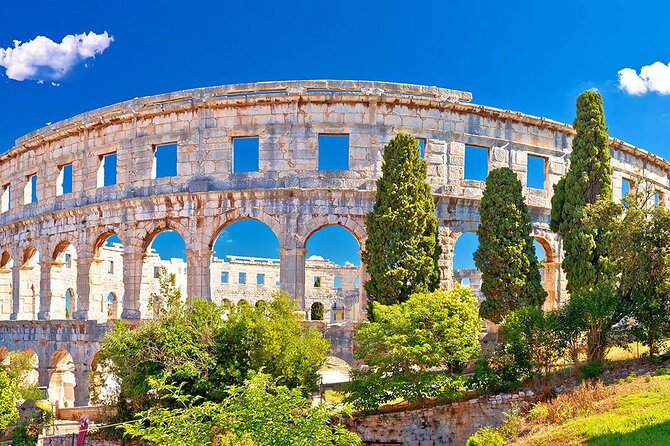
Another smart feature is that the tour is built around contrast. You start in a major amphitheater setting, then shift to temple symbolism, and finish at quieter remains on the hillside of Zaro. That mix helps you understand how Romans built for spectacle, religion, and everyday public space.
Your group stays small, up to 15, which makes it easier to ask questions and hear the guide clearly. Guides like Dina and Jadranka come up in the feedback for being professional and attentive, which is exactly what you want on a short tour.
Start at the Pula Arena: the spectacle you can still feel
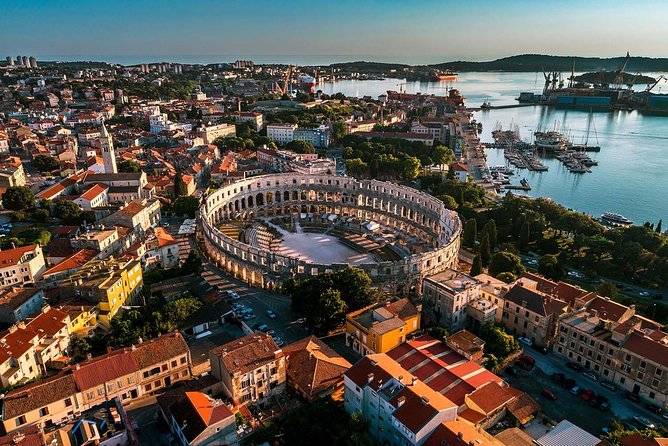
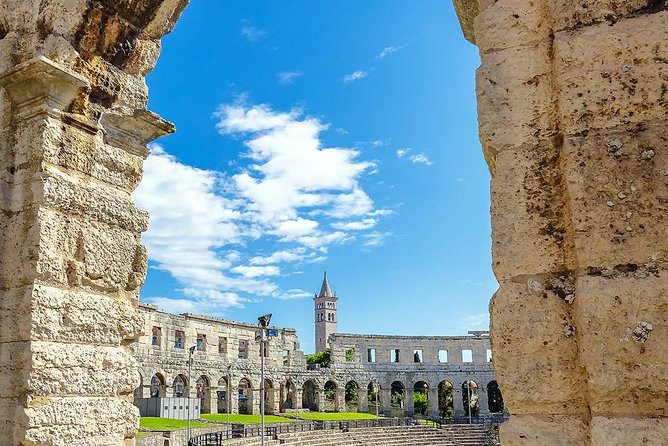
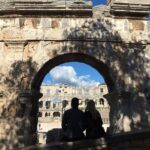
You begin at the Pula Arena on Flavijevska ul., and the first stop sets the mood right away. This is the amphitheater where Roman gladiators fought, so even if you’ve seen lots of arenas elsewhere, this one lands differently because it feels grounded in real, walkable space. The guide helps you connect what you’re seeing to the purpose of the building, not just the trivia.
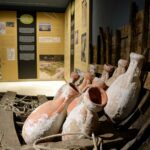
Admission to the arena is included, so you don’t have to scramble for tickets before you get started. During your time there, you’ll also learn about things that go beyond the main seating area. One useful theme people highlight is seeing how the site connects to exhibits below ground, plus learning about Roman gates and temples in the broader city plan.
If you like history explained in practical terms, this stop is usually where it clicks. You can stand in one place, look around, and understand why the Romans built for sightlines, movement, and crowds. It’s one of those locations where good guidance turns archaeology into a story you can follow.
One small consideration: since this is the first stop, it’s worth arriving a few minutes early so you start calm, not rushing. Smart casual dress is recommended, but you’ll still want to keep things comfortable because you’ll be moving between areas.
Tempio di Augusto: where Rome shows off its identity
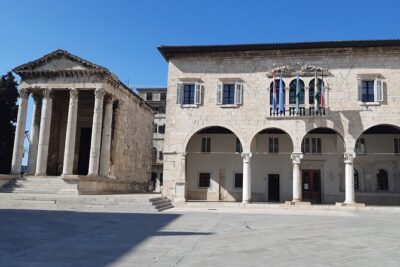
Next you head to the Temple of Augustus, known as the Tempio Di Augusto. This stop is shorter, but it’s meaningful, because it’s about symbols and power as much as it is about stone. The temple is dedicated to the goddess Roma and its namesake emperor, so it acts like a physical statement of who Rome claimed to be.
The fact that admission is free for this stop makes it a high-value add-on. You still get a guided explanation, and you’re not paying extra for the time spent there. Even if the structure you see is not as towering as you might imagine from drawings, the guide’s framing helps you understand why Romans cared about this kind of messaging.
In a short tour like this, a temple stop matters because it balances the spectacle of the amphitheater. After the arena, your brain is still thinking about fights and crowd energy, then the guide shifts you toward religion, empire branding, and public devotion. If you enjoy learning how buildings communicate ideas, you’ll probably like this part.
Small Roman Theatre on the Zaro hillside: the quiet payoff
Your final stop takes you to the remains of a small Roman theatre outside the city walls, on the hillside of Zaro. This is the kind of place where you might initially think, It’s smaller, so does it matter? Yes, because it shows how Roman entertainment and social life extended beyond the biggest city center landmarks.
This stop is also free, so it gives you a no-extra-cost win at the end of your walk. Expect it to feel more open and less intense than the arena area. That change of pace is part of the value, because you finish with a calmer viewpoint on how Romans used space around the city.
One detail worth appreciating here is the location itself. Outside the walls is a key idea, because it reminds you that Roman planning wasn’t only inside the most dramatic walls and gates. Even when the remains are modest, the guide’s explanation helps you picture how people would have moved through the city and what kinds of activities happened where.
If you like a tour that ends before you’re fully exhausted, this finish can work well. You still get interpretation, but it’s not a last-minute sprint.
More Pula covered at walking pace
- Pula: Historic Walking Tour with Local Guide & City Views
★ 4.8 · 143 reviews - Pula walking tour
★ 5.0 · 96 reviews - Pula: Historic Sites Guided Walking Tour
★ 4.8 · 78 reviews - Pula Essentials Walking Tour
★ 4.8 · 64 reviews - Pula Essentials Walking Tour
★ 5.0 · 62 reviews
Coffee or tea break: not just a perk
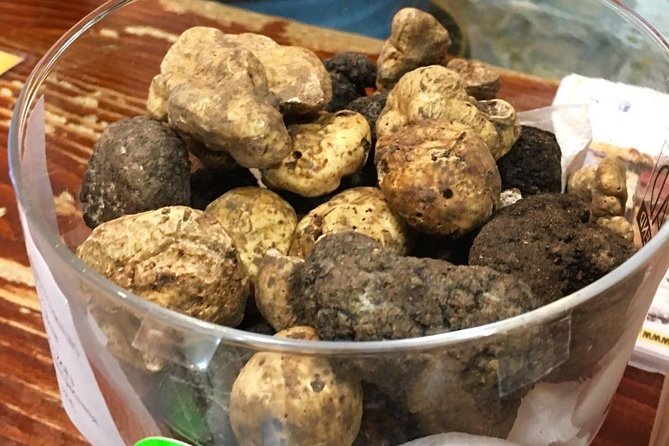
A small luxury is included here: you enjoy coffee or tea during the tour. In practical terms, that matters more than it sounds. After you’ve been standing and looking at stone monuments, having a break helps you stay engaged and not just endure the walking.
This also makes the tour feel more local and human. You’re not only absorbing facts, you’re pausing in the middle, which helps you keep the story straight. If you’re the kind of person who likes to ask questions, this is a natural time to do it without feeling like you’re slowing everyone down.
Just keep in mind smart casual dress means you can dress a bit nicer than plain athletic gear, but you should still bring comfortable shoes in your bag. The coffee or tea is a nice add-on, not a guarantee that the route is fully flat.
Price and what $107.06 buys you in real terms

At $107.06 per person, this tour is not the cheapest thing in Pula. So the real question is value for your time, not the raw ticket price.
Here’s what you’re paying for, based on the included elements you get:
- A local guide for about two hours
- English interpretation
- Entry to the Pula Arena site
- Coffee or tea during the walk
- A small group with a maximum of 15 people
If you try to recreate this on your own, you’ll spend time figuring out routes and figuring out what you’re looking at. You’ll also risk paying for entry separately and missing the connections between stops. For many people, paying for a guide is the difference between seeing Roman ruins as random stones versus understanding why they mattered.
Also, the arena admission being included reduces friction. You’re not standing in line or hunting for tickets while other parts of your day slip away. That peace of mind is part of what you’re really buying.
Scheduling: morning or afternoon, and how to choose
You can pick either a morning or afternoon time, which is great if you’re juggling other plans like museums, beach time, or a day trip. The tour ends back at the meeting point at Pula Arena, so it’s easy to build a route around it.
If you tend to do better early, the morning option can help you. You’ll have more of the day left for wandering, eating, or catching another Roman site. If you prefer a slower start, the afternoon slot gives you a chance to settle in first, then get the big-picture Roman orientation later.
Because the tour is about two hours, I’d plan it as a centerpiece or a strong anchor, not as something tacked on at the end of a stressful day. It’s short, but it still takes real attention to get the most from the guide’s explanations.
What to wear, how to move, and what to expect
The dress code is smart casual, which usually means you can wear nice pants or clean walking shoes, not formal attire. You’ll be walking between several Roman sites and spending time looking closely, so comfortable footwear is the smart move.
The tour is offered in English, and it’s a walking experience with a limited group size. You can generally participate if you’re reasonably mobile, but since the tour involves walking, it’s not the best fit if you want everything wheelchair-first or stroller-first.
There’s also a practical logistics benefit: the meeting point and end point are the same, and it’s near public transportation. That helps if you’re using transit in Pula rather than relying on rides or taxis.
One more small tip: keep an eye on the time and arrive a few minutes early. When you’re doing a timed walking tour, being on time is the easiest way to avoid stress.
Who this tour suits best
This is a great fit if you want Roman Pula in a bite-sized format. If you’re short on time but still care about context, you’ll likely enjoy how the guide connects spectacle, religion, and the wider city layout.
It also works well for first-time visitors who want a clean orientation. Starting at Pula Arena gives you a strong anchor, and then the temple and Zaro hillside remains round it out. I especially like the fact that two of the stops are free, because it makes the whole package feel lighter on the wallet while still guided.
If you’re traveling as a small group or as a couple, the max of 15 people can be a big plus. A smaller group often means the guide can tailor the pace a bit, and people have noted guides were able to adapt to interests and keep things relaxed rather than rushed.
Should you book the Pula Roman Heritage Walking Tour?
I’d book it if you want an organized Roman route that fits into a busy schedule. The included Pula Arena admission, the small group size, and the coffee or tea make the experience feel like more than just a walk, and the guided explanations are the main reason it’s worth paying for.
Skip it only if you already know Roman Pula deeply and you’re happy wandering without interpretation. In that case, you might prefer to self-tour at your own pace. But for most people, paying for a guide here saves time and turns three sites into one coherent story.
If you like your sightseeing with structure, and you want the city’s Roman side without spending all day on it, this is a solid choice.
FAQ
What is the duration of the Pula Roman Heritage Walking Tour?
The tour runs for about 2 hours.
How much does the tour cost?
The price is $107.06 per person.
Is the tour offered in English?
Yes, it is offered in English.
What stops are included in the tour?
You’ll visit the Pula Arena, the Temple of Augustus (Tempio Di Augusto), and the Small Roman Theatre remains on the hillside of Zaro.
Is coffee or tea included?
Yes, you’ll enjoy coffee or tea during the tour.
Where do I meet, and where does the tour end?
You start at Pula Arena, Flavijevska ul., 52100, Pula, Croatia, and the tour ends back at the same meeting point.
Pula, the Longer Story

Walk It: More of Pula at Ground Level
Roman Istria, Continued





Freshly written up around Pula



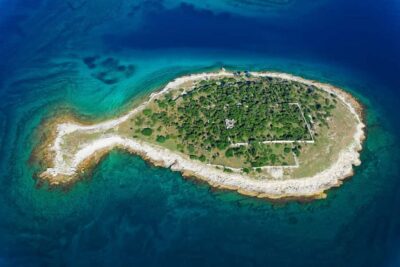
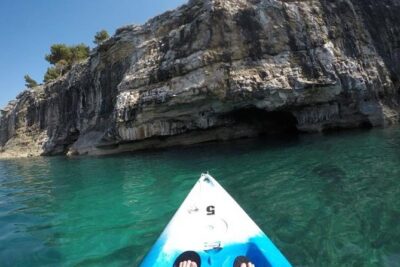
Pula Arena & Roman Istria Tours, top to bottom.
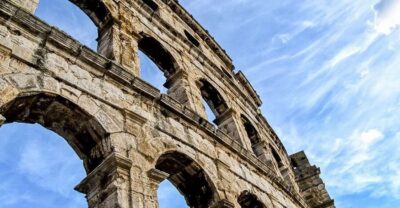 ★ 4.3Pula: Arena Entrance TicketFrom $112,590 reviews
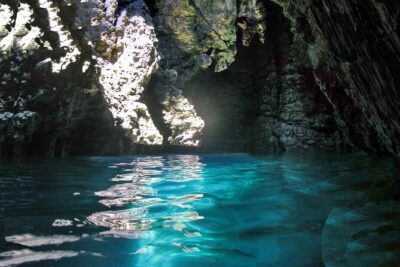 ★ 5.0Medulin -Kamenjak 5h boat trip with lunch & drinks on Sandra BoatFrom $541,621 reviews
 ★ 5.0Full-Day Boat Tour of the Medulin Archipelago from MedulinFrom $541,389 reviews
 ★ 5.03hours all inclusive Sunset&Dolphin Tour from Medulin on SandraFrom $541,130 reviews
 ★ 4.8Pula: Kayaking,Snorkeling, Cliff jumping Tour with WetsuitFrom $57861 reviews
 ★ 4.5Pula: National Park Brijuni Island Visit & Dolphin CruiseFrom $76788 reviews
 ★ 4.5Pula: Brijuni Sunset Dolphin Cruise with Dinner & DrinksFrom $62764 reviews
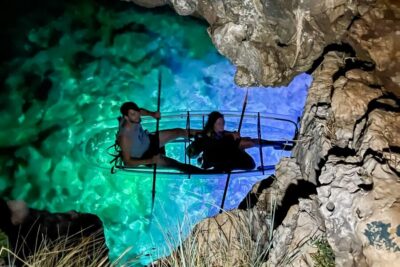 ★ 4.9Pula: Night-Time Sea Kayaking Tour in Transparent KayakFrom $69628 reviews
Browse the lists this tour appears in